
Prepare for the official Dutch driving theory exam by practicing scenarios involving crosswinds and vehicle stability. This set focuses on how wind affects light vehicles and trailers, the impact of passing large trucks, and essential defensive driving techniques to maintain control. Understand the risks and learn to anticipate challenging conditions on Dutch roads.

Start targeted Dutch driving theory preparation for learners in the Netherlands. Train with exam style questions, learn core rules, and build the knowledge needed for the official theory test.
Navigate challenging weather with confidence. This set covers how natural crosswinds on open roads, bridges, or emerging from cover, as well as the air displacement from passing trucks, can destabilize your vehicle. Prepare for the Dutch driving theory exam by understanding key risks and safe driving techniques.
Preview sample questions from the Crosswinds & Stability practice set to see how they help you prepare for the driving theory exam in the Netherlands.
Learners choose Crosswinds & Stability to improve accuracy and understanding of key exam themes in the Netherlands. It offers realistic driving theory questions and targeted revision for effective preparation.
Find answers to the most common queries learners have when practising Crosswinds & Stability, including how questions match the official theory exam in the Netherlands, how scoring works, and how this practice improves exam readiness.
Crosswinds exert a sideways force on your vehicle, pushing it off its intended path. This effect is more pronounced on taller, lighter vehicles and can lead to a sudden loss of control if not anticipated and managed correctly.
High and light vehicles, such as vans, campervans, or cars towing trailers, are particularly susceptible to crosswinds. Their larger side profile acts like a sail, making them more vulnerable to being pushed sideways by gusts.
When driving in strong crosswinds, it's crucial to reduce your speed, maintain adequate space around your vehicle, and anticipate sudden gusts. Hold the steering wheel firmly and be prepared to make small, corrective steering inputs to maintain your lane.
Yes, passing large trucks or being passed by them can create significant air displacement. This can cause a temporary crosswind effect, pushing your vehicle away from or towards the truck. Anticipate this by adjusting your steering and maintaining a safe distance.
A windsock indicates both the direction and relative strength of the wind. They are typically placed in areas with an increased risk of crosswinds, such as on bridges or open stretches of road, to alert drivers to potential wind hazards.
By completing Crosswinds & Stability, you will gain stronger rule knowledge, faster recognition of signs and situations, better decision making in traffic scenarios, and increased accuracy on exam style questions used in the Netherlands. These outcomes directly support higher scoring exam performance.
Discover more Dutch driving theory practice sets created for exam preparation in the Netherlands. Train with realistic questions on traffic rules, road signs, priority situations, and safety topics to build knowledge and pass your theory test with confidence.

Master Safe Driving Near Lorries and Buses: See and Be Seen for Your Dutch Exam
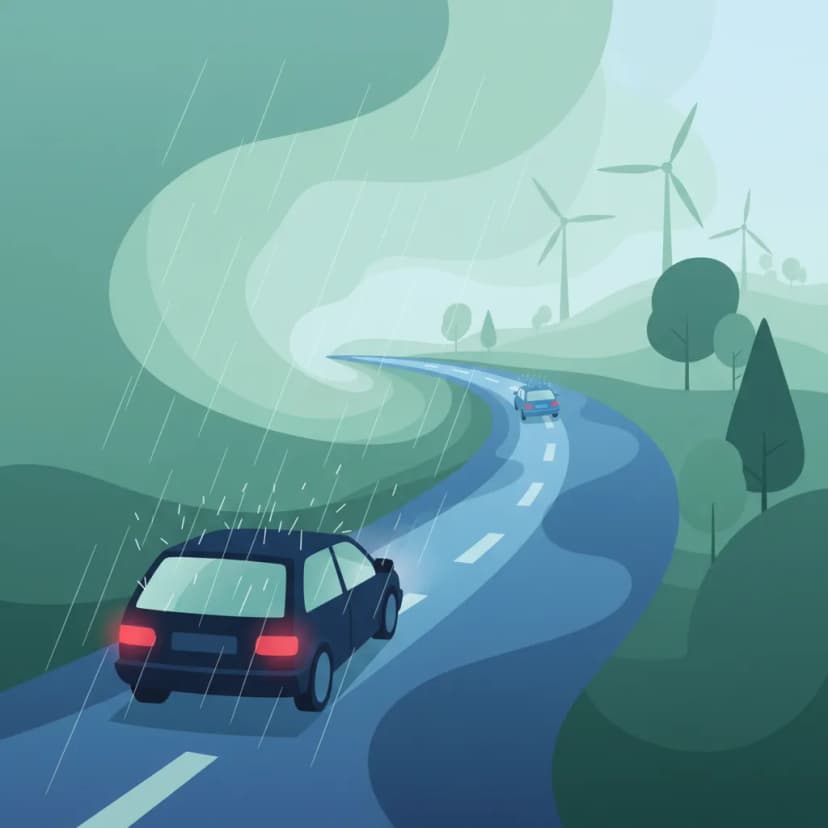
Drive Safely: Mastering Speed Adaptation for Challenging Dutch Road Conditions

Mastering Road Hazards in Challenging Conditions is Crucial for Your Exam
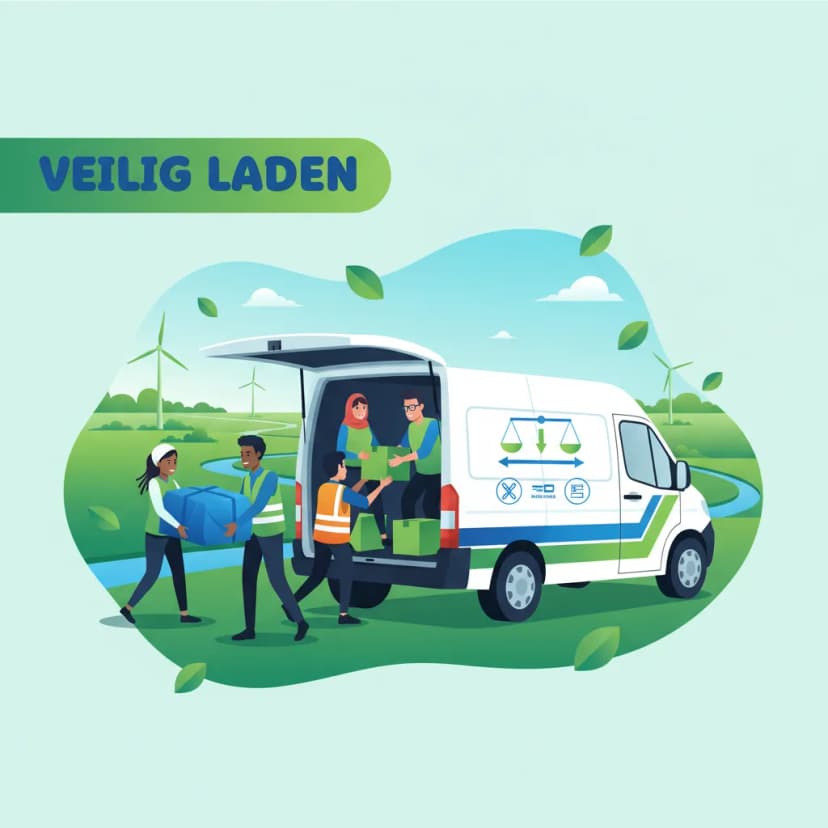
Master Vehicle Loading: Prevent Overloading, Ensure Stability, and Pass Your CBR Exam.

Master challenging weather conditions for a safer ride and a passing score.
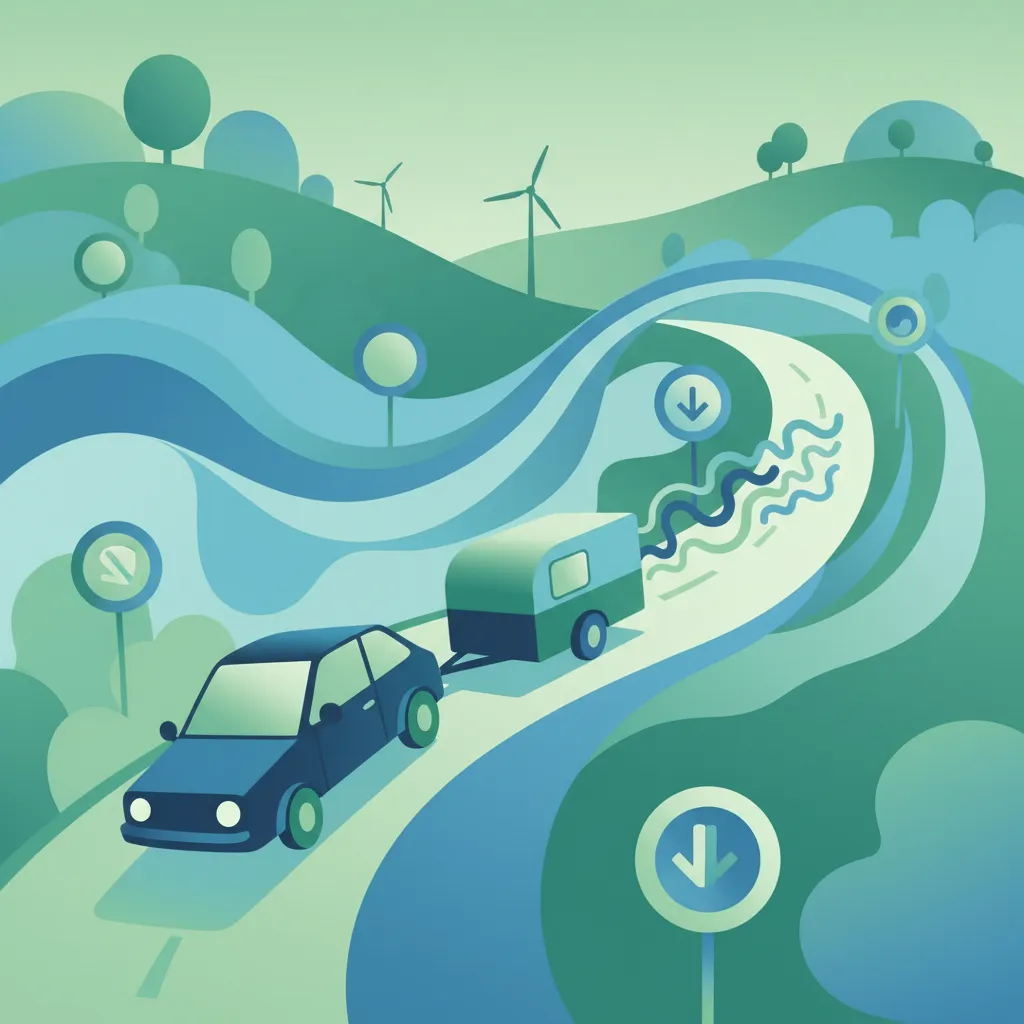
Master safe trailer towing for your Dutch driving theory exam.
Questions in Crosswinds & Stability
Exam focused questionss
Crosswinds & Stability offers quick, focused exam style practice to boost your Dutch knowledge for the driving theory exam in the Netherlands.
Crosswinds & Stability helps learners in the Netherlands with clear explanations and targeted Dutch practice to improve essential driving theory topics.
This practice set is for intermediate learners preparing for the Dutch driving theory exam who want to deepen their understanding of environmental hazards. It helps those who struggle with anticipating vehicle reactions to natural forces or the effects of other road users, ensuring they can safely navigate all conditions.
Explore more topics for the Dutch driving theory exam in the Netherlands.