
This practice set, part of Dutch Driving License Theory, teaches you how to react effectively to critical mechanical failures such as brake loss, engine stall, or electrical system malfunctions on Dutch roads. Prepare for realistic exam scenarios and learn the correct safety protocols to ensure you can confidently handle emergencies during your official Dutch driving theory exam.

Start targeted Dutch driving theory preparation for learners in the Netherlands. Train with exam style questions, learn core rules, and build the knowledge needed for the official theory test.
Prepare for unforeseen vehicle malfunctions with this practice set. It focuses on the immediate actions required when faced with brake failure, a sudden engine stop, or loss of lights. Understand the correct procedures to ensure safety for yourself and others, crucial for passing your Dutch driving theory exam.
Preview sample questions from the Mechanical Failures practice set to see how they help you prepare for the driving theory exam in the Netherlands.
Learners choose Mechanical Failures to improve accuracy and understanding of key exam themes in the Netherlands. It offers realistic driving theory questions and targeted revision for effective preparation.
Find answers to the most common queries learners have when practising Mechanical Failures, including how questions match the official theory exam in the Netherlands, how scoring works, and how this practice improves exam readiness.
If your brakes fail, try to pump the brake pedal rapidly to build pressure. If that doesn't work, shift to a lower gear to use engine braking, and use the handbrake carefully to slow down, while signalling your intentions to other drivers.
If your engine stops, immediately activate your hazard lights. Try to steer the vehicle safely to the side of the road. Once stopped, place a warning triangle if necessary and call for assistance.
If your headlights fail at night, try to switch them on and off. If they remain off, immediately activate your hazard lights. Slow down carefully and try to pull over to a safe location as soon as possible, using sidelights if they still work.
Yes, the Dutch driving theory exam (CBR) often includes questions on emergency procedures and safe reactions to unexpected situations, including vehicle malfunctions. Understanding these scenarios is crucial for a pass and for real-world safety.
Yes, activating your hazard lights is a crucial step during most mechanical failures. This warns other road users of your distressed vehicle and helps prevent further accidents.
By completing Mechanical Failures, you will gain stronger rule knowledge, faster recognition of signs and situations, better decision making in traffic scenarios, and increased accuracy on exam style questions used in the Netherlands. These outcomes directly support higher scoring exam performance.
Discover more Dutch driving theory practice sets created for exam preparation in the Netherlands. Train with realistic questions on traffic rules, road signs, priority situations, and safety topics to build knowledge and pass your theory test with confidence.

Master emergency procedures to stay safe and pass your Dutch driving theory exam.

Don't ignore the warning signs: master vehicle fault detection for your exam!
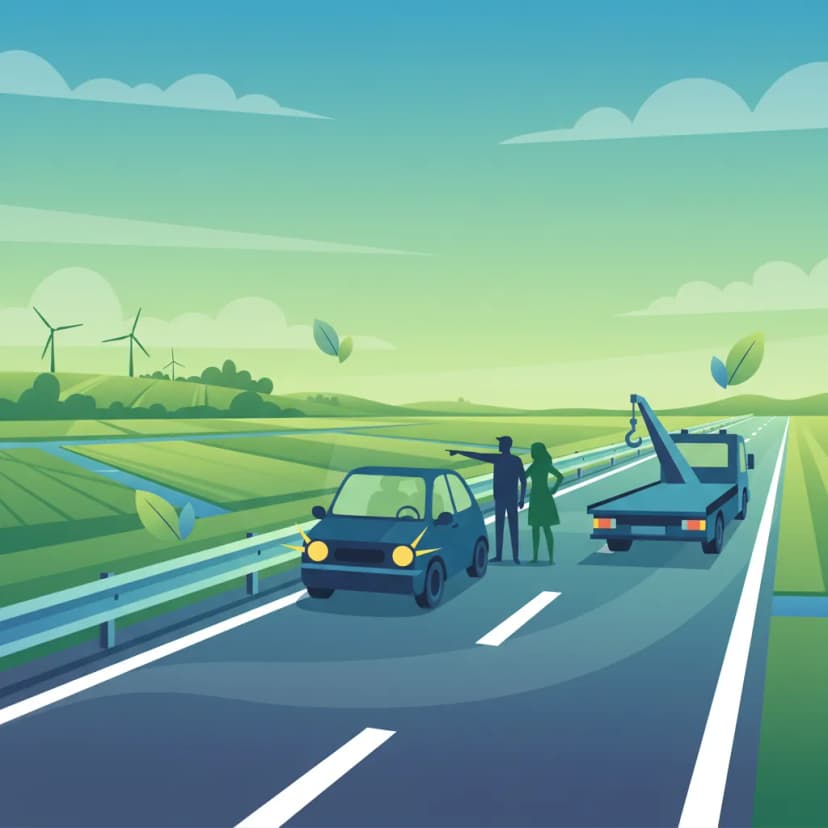
Stay Safe on High-Speed Roads: Master Emergency Procedures
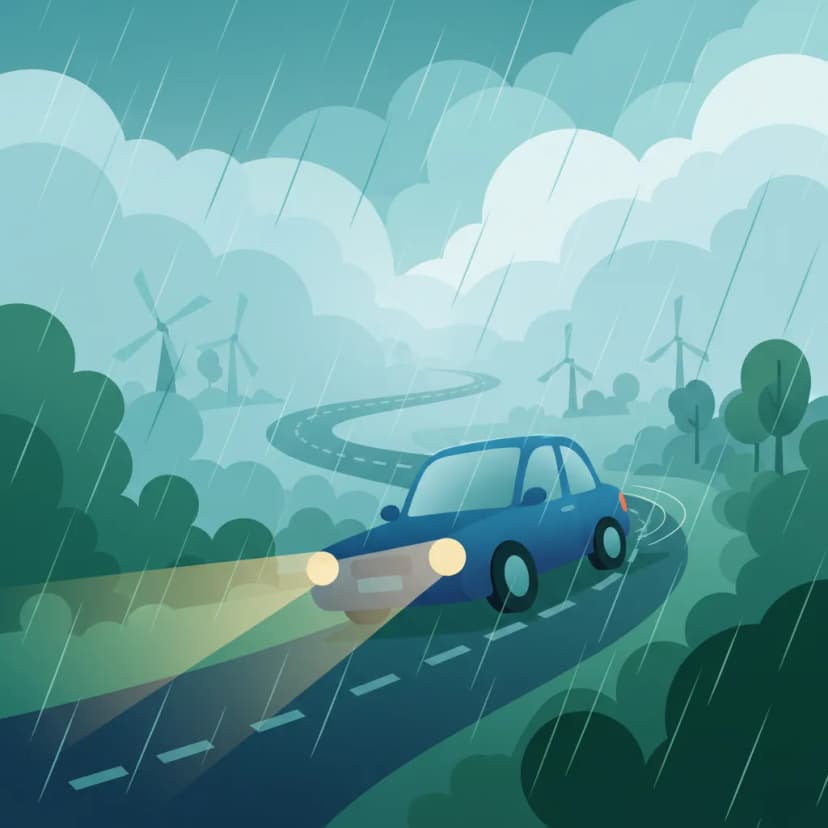
Mastering Road Hazards in Challenging Conditions is Crucial for Your Exam
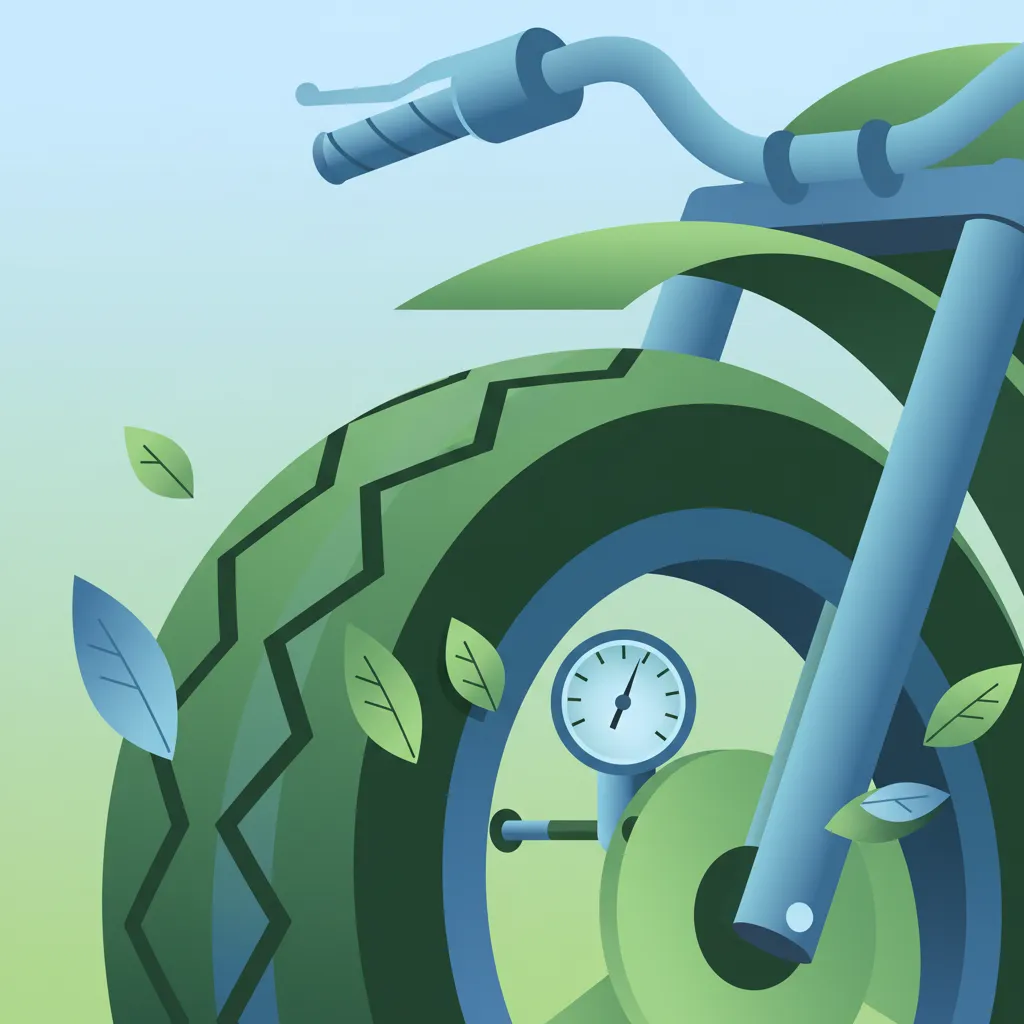
Ensure Your Motorcycle is Roadworthy: Pass Your Theory Exam Confidently!
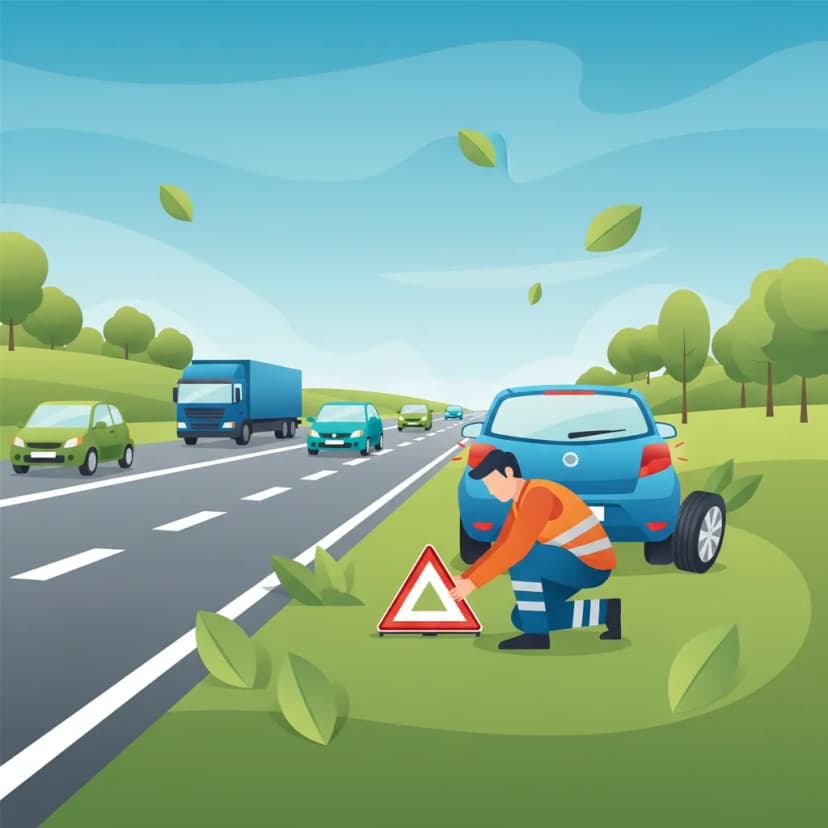
Be Prepared: Master Roadside Emergency Procedures for Your Dutch Driving Exam.
Questions in Mechanical Failures
Exam focused questionss
Mechanical Failures offers quick, focused exam style practice to boost your Dutch knowledge for the driving theory exam in the Netherlands.
Mechanical Failures helps learners in the Netherlands with clear explanations and targeted Dutch practice to improve essential driving theory topics.
This practice set is ideal for intermediate learners and anyone preparing for the Dutch driving theory exam who wants to be confident in handling unexpected vehicle breakdowns. It addresses common questions about emergency procedures and helps you avoid critical mistakes in high-pressure situations.
Explore more topics for the Dutch driving theory exam in the Netherlands.