
Embark on your Dutch motorcycle adventure with confidence by mastering essential preparation and route planning techniques. This guide focuses on navigating the unique aspects of touring in the Netherlands, from understanding local road conditions and regulations to effective weather preparedness and endurance strategies for long rides. Gain the knowledge needed for safe and enjoyable journeys across the country, reinforcing your understanding of practical road use beyond basic theory.
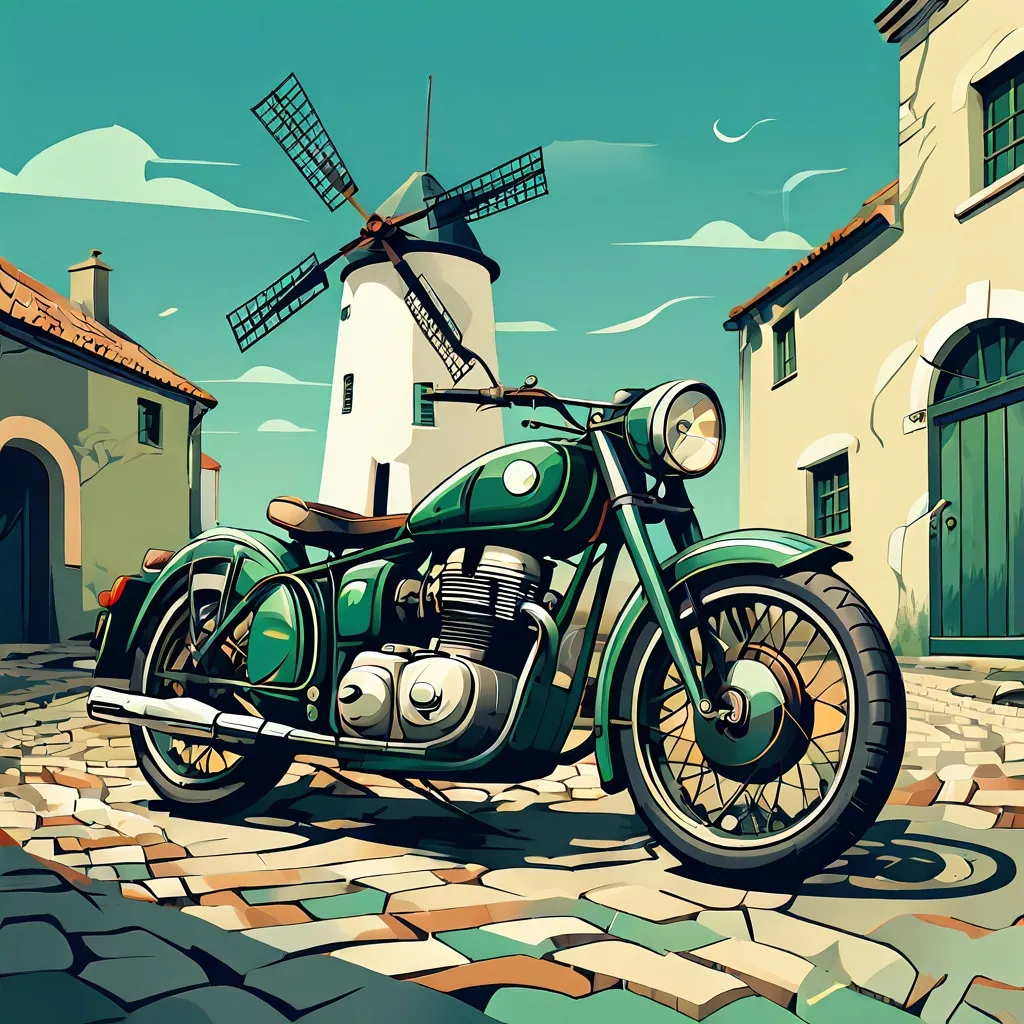
Embarking on a motorcycle tour across the Netherlands offers a unique blend of picturesque landscapes and fascinating cultural experiences. To ensure your journey is both safe and enjoyable, comprehensive preparation and thoughtful route planning are paramount. This guide delves into the critical aspects of touring by motorcycle in the Netherlands, equipping you with the knowledge to navigate its roads and weather effectively, much like mastering the theoretical concepts tested by the CBR. Understanding these practical elements reinforces your grasp of Dutch traffic legislation and safe driving behaviour, essential for any rider aiming for their Dutch driving license.
The Netherlands, with its extensive network of well-maintained roads, presents a generally favourable environment for motorcycle touring. However, specific characteristics of Dutch infrastructure and traffic laws require careful consideration by riders. Motorways, known as 'autosnelwegen', are plentiful and offer high-speed transit, but motorcyclists must be aware of speed limits and the behaviour of other road users. Provincial roads ('provinciale wegen') offer more scenic routes, often passing through villages and towns, which means encountering more varied traffic conditions, including slower vehicles, cyclists, and pedestrians.
Navigating urban areas demands particular attention. Dutch cities often feature complex junctions, segregated cycle paths, and busy intersections where priority rules can be nuanced. It is crucial to be familiar with the standard priority signs, such as the triangular 'priority road' sign, and understand how to interpret situations at unmarked junctions. Furthermore, specific regulations apply to motorcycles, including mandatory lighting and the legal requirements for helmets and other protective gear. Adherence to these rules is not just a matter of safety but also a crucial component of the driving theory exam, emphasizing the practical application of knowledge.
The presence of numerous cyclists and moped riders is a defining feature of Dutch traffic. They often have dedicated lanes and may not always adhere to the same conventions as motorised traffic. Always be vigilant for cyclists, particularly when turning or at junctions, as they can appear from unexpected directions. Understanding their typical behaviour patterns and giving them ample space is a key aspect of safe motorcycle touring in the Netherlands, mirroring the emphasis on defensive riding taught in theory lessons.
Effective route planning for motorcycle touring in the Netherlands goes beyond simply plotting a course from point A to point B. It involves considering the type of roads you wish to travel, points of interest, potential fuel stops, and importantly, the time of year and expected weather conditions. For those seeking a more relaxed and scenic experience, opting for a mix of provincial roads and smaller rural routes can be more rewarding than sticking solely to motorways. These routes often wind through charming Dutch villages, past windmills, and alongside picturesque canals, offering a deeper immersion into the country's character.
When planning, it's beneficial to utilize navigation tools that allow for motorcycle-specific routing, which can favour twistier roads or avoid certain road types. Websites and apps dedicated to motorcycle touring can be invaluable resources, often providing user-generated routes and insights into road surfaces and local conditions. Considering rest stops is also vital, especially on longer journeys. The Netherlands has numerous service areas along its motorways and often charming cafes or designated picnic spots in more rural areas, providing opportunities to stretch your legs and refuel.
Remember to factor in potential delays due to road works or traffic congestion, especially around major cities. While Dutch traffic management is generally efficient, unexpected issues can arise. Having a degree of flexibility in your itinerary allows for spontaneous detours to explore an unexpected point of interest or to adjust your route if unforeseen circumstances occur, ensuring a less stressful and more enjoyable touring experience.
The Dutch climate can be unpredictable, with frequent changes in weather patterns even within a single day. For motorcycle touring, being prepared for various conditions is not just about comfort but also about safety. Rain is common, and wet roads significantly reduce grip, increasing braking distances and the risk of skidding. High winds can also be a factor, particularly on open stretches of motorway or along the coast, affecting stability. Therefore, investing in high-quality waterproof riding gear, including gloves and boots, is essential.
Layering your clothing is a practical approach to managing temperature fluctuations. A breathable base layer helps wick away moisture, while an insulating mid-layer provides warmth. A good quality outer shell offers protection from wind and rain. Importantly, ensure your helmet visor has an anti-fog coating or consider using an anti-fog insert. Regular checks of weather forecasts specific to your route and intended travel times are crucial for making informed decisions about departure and potential route adjustments.
Rider endurance is another critical factor for successful motorcycle touring, especially for extended distances. Fatigue can impair judgment and reaction times, making riding more dangerous. To combat this, regular breaks are non-negotiable. Aim for a break every 60-90 minutes of riding, even if you don't feel tired. During these breaks, it's beneficial to walk around, stretch your limbs, and rehydrate. Staying hydrated and maintaining good nutrition throughout the day will also significantly contribute to your endurance levels. Avoid heavy meals before riding, as they can lead to sluggishness. Instead, opt for lighter, energy-sustaining snacks.
While the general principles of road signs are universal, specific Dutch signs and their interpretations are crucial for safe and legal touring. The CBR theory exam often tests knowledge of less common signs and their implications in various traffic scenarios. Being thoroughly familiar with these signs is an integral part of preparing for your motorcycle license.
Beyond standard warning and regulatory signs, be aware of signs related to specific road types, such as 'fietsstraat' (bicycle street) signs, where cyclists have priority and motorized traffic must adapt to their speed. Also, signs indicating 'bromfiets' (moped) paths or restrictions are important for motorcyclists to understand their designated routes and any areas they must avoid.
Intersections are often where theory knowledge is put to the test, and motorcyclists need to be particularly sharp. In the Netherlands, priority is generally determined by signage, but at unmarked intersections, the 'right-hand rule' (verkeer van rechts) typically applies, meaning traffic from the right has priority. However, this rule is often superseded by road markings or other signs, making constant vigilance essential.
Furthermore, special consideration is given to trams and buses in many urban areas. Trams often have priority, and bus lanes are usually off-limits to motorcycles unless specifically indicated. Understanding these exceptions is vital and frequently tested in theory exams.
One of the most common pitfalls for touring motorcyclists in the Netherlands is underestimating the impact of weather on road conditions and personal endurance. As mentioned, rain can drastically alter tyre grip, and strong headwinds can drain energy faster than expected. Always carry appropriate gear and have contingency plans for adverse weather, such as identifying potential indoor rest stops or shorter route alternatives.
Another frequent mistake is becoming too reliant on GPS navigation without also consulting physical maps or having a general understanding of the intended route. Technology can fail, or a GPS might direct you down an inappropriate road for a motorcycle. Familiarising yourself with the overall geography of your route and having a backup plan is a prudent approach.
Finally, maintaining awareness of your surroundings and anticipating potential hazards is paramount. This includes scanning far ahead, checking mirrors frequently, and being particularly cautious in areas with high pedestrian and cyclist traffic, such as market squares or near schools. The Dutch theory exam places a strong emphasis on hazard perception, and this skill is even more critical when touring.
Mastering motorcycle touring in the Netherlands involves more than just hopping on your bike and riding. It requires a deep understanding of local road conditions, a proactive approach to planning, and constant vigilance. By preparing thoroughly, paying attention to the nuances of Dutch traffic law and behaviour, and prioritizing safety, your motorcycle adventure across this beautiful country will undoubtedly be a rewarding experience, reinforcing the practical application of your driving theory knowledge.
Article content overview
Explore related topics, search based questions, and concepts that learners often look up when studying NL Motorcycle Touring Prep. These themes reflect real search intent and help you understand how this topic connects to wider driving theory knowledge in the Netherlands.
Find clear and practical answers to common questions learners often have about NL Motorcycle Touring Prep. This section helps explain difficult points, remove confusion, and reinforce the key driving theory concepts that matter for learners in the Netherlands.
When planning a route, consider road types, potential traffic congestion, points of interest, and the need for breaks. Understanding Dutch road conditions, such as dedicated cycle paths and potential for wind on open stretches, is also vital.
Weather preparedness is critical. Dutch weather can change rapidly. Riders should always check forecasts, be ready for rain, wind, and varying temperatures, and carry appropriate protective gear for all conditions.
Effective endurance strategies include taking regular breaks to stretch and stay hydrated, planning your route to avoid unnecessary strain, and ensuring your motorcycle is comfortable for long distances. Proper seating and posture also contribute significantly.
While general Dutch traffic laws apply, touring riders should be aware of speed limits, rules regarding lane splitting (if applicable and safe), and any specific local restrictions. Always ensure your motorcycle meets all legal requirements.