
This vital lesson guides Category A motorcycle riders through the immediate and legal actions required after a traffic accident in the Netherlands. You will learn how to prioritize safety, secure the scene, and fulfill your legal reporting obligations. Understanding these procedures is crucial for both the CBR theory exam and responsible real-world riding.
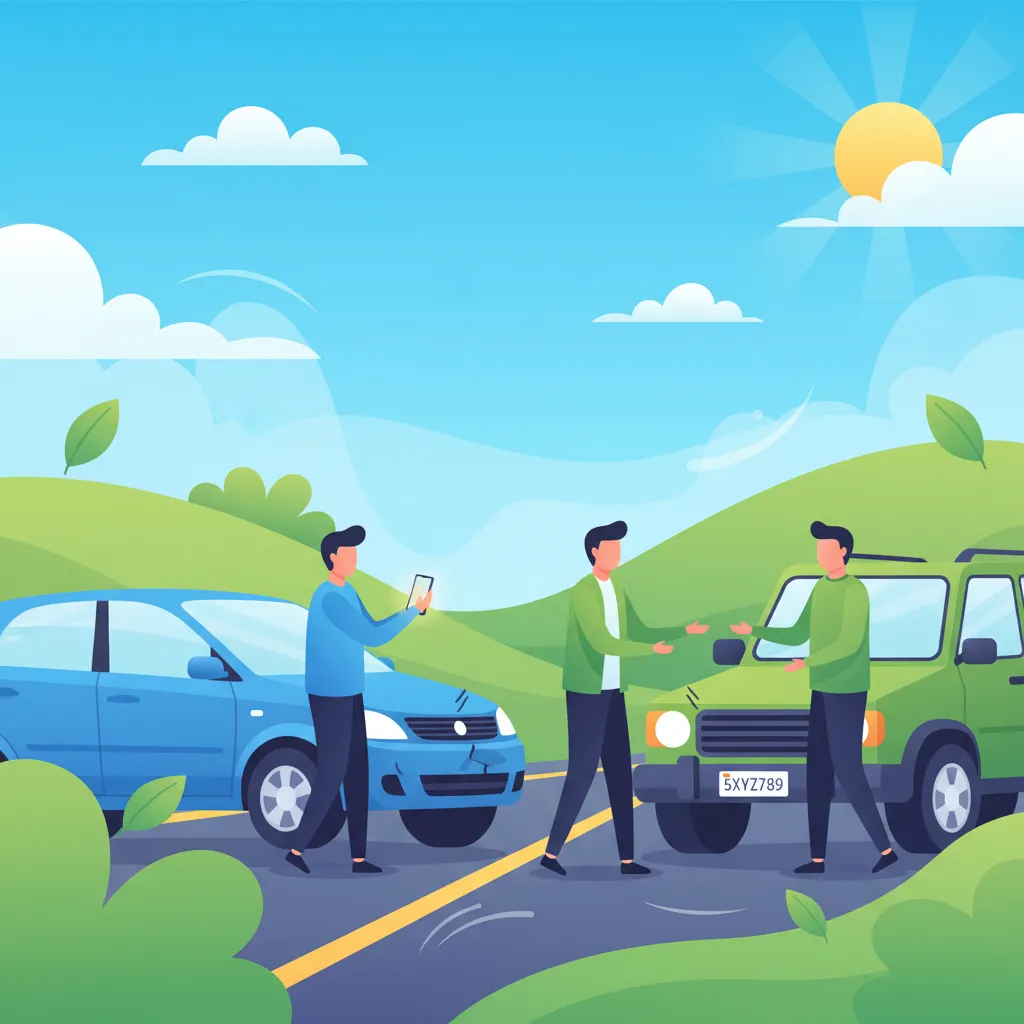
Being involved in a traffic accident is a stressful and disorienting experience for any road user, but especially for a motorcyclist. Knowing the correct procedures to follow is not just a matter of best practice; it is a legal requirement in the Netherlands that ensures safety, accountability, and the proper handling of insurance claims. This guide provides a clear, sequential framework for managing the aftermath of a collision, from immediate safety actions to final reporting.
Following these steps correctly can prevent further incidents, save lives, and protect you from significant legal and financial consequences. The process is known as ongevalrapportage (accident reporting) and involves a combination of securing the scene, providing aid, exchanging information, and notifying the authorities.
Your first priority after any collision is to prevent further harm. The actions you take in the first minute are critical for the safety of yourself and others. Adrenaline will be high, so focus on this methodical sequence.
Stop Immediately and Safely. Bring your motorcycle to a complete stop as close to the accident site as is safe. Do not ride away, even if the damage seems minor. Leaving the scene of an accident is a serious criminal offense in the Netherlands.
Switch Off the Engine. This prevents fire hazards from leaking fuel and ensures the motorcycle cannot move unexpectedly.
Activate Hazard Lights. Your hazard warning lights (knipperlichten) make you and the scene much more visible to approaching traffic, especially in poor light or adverse weather.
Assess Your Own Injuries. Before helping others, quickly check if you are seriously injured. If you are, remain calm, call for help if possible, and wait for emergency services.
Secure the Scene. If you are able, your next task is to warn oncoming traffic. This is a crucial step to prevent secondary collisions, which are often more severe than the initial incident.
Securing the scene involves creating a safe zone around the incident. The primary tool for this is the warning triangle (gevarendriehoek). Its placement is dictated by the type of road you are on.
If you carry a high-visibility reflective vest, put it on immediately after stopping. This dramatically increases your visibility to other drivers, especially at night or in rain or fog. While not mandatory for motorcyclists to carry in the Netherlands, it is a highly recommended piece of safety equipment.
Once the scene is secure, you must assess the condition of everyone involved, including other drivers, passengers, pedestrians, or cyclists. Under Dutch law (Artikel 6, Wegenverkeerswet 1994), you have a legal duty to provide reasonable assistance to anyone injured in an accident you are involved in.
Never remove the helmet of an injured motorcyclist unless it is absolutely necessary to clear their airway. Improper removal can cause or worsen a spinal injury. Wait for trained paramedics to do this.
After addressing immediate safety and medical needs, you must fulfill your legal reporting obligations. This involves exchanging details with the other party and, in many cases, notifying the police.
The most important piece of paperwork at an accident scene is the European Accident Statement (Europees aanrijdingsformulier, or EAV). This standardized form is designed to record all essential facts about the incident for insurance purposes. It is crucial to fill this out accurately and completely at the scene.
Here’s how to approach the EAV:
Many insurers now offer a mobile app for filling out the accident statement digitally via Mobielschademelden.nl. This is a valid and often faster alternative to the paper form, as long as both parties agree to use it.
Not every accident requires police attendance. However, you are legally required to contact the police in the following situations:
For situations without injury but requiring a police report (like significant damage or disagreement), you can call the non-emergency police number: 0900-8844.
The information you gather at the scene is vital for your insurance claim. A well-documented file strengthens your position and speeds up the claims process. While the EAV is the official record, supplementary evidence is highly valuable.
Your responsibilities do not end when you leave the accident site. The final steps involve formally notifying your insurer and following their procedures.
By following this structured approach, you can navigate the difficult aftermath of an accident with confidence, ensuring you meet all your legal obligations while protecting your own interests.
Lesson content overview
Explore all units and lessons included in this driving theory course.
Explore search topics learners often look for when studying Post-Accident Procedures and Reporting (ongevalrapportage). These topics reflect common questions about road rules, driving situations, safety guidance, and lesson level theory preparation for learners in the Netherlands.
Browse additional driving theory lessons that cover connected traffic rules, road signs, and common driving situations related to this topic. Improve your understanding of how different rules interact across everyday traffic scenarios.
Understand your legal obligations following a motorcycle accident in the Netherlands. This lesson details accident reporting requirements, the European Accident Statement, and information exchange procedures to ensure compliance with Dutch traffic law.
This lesson details the legal requirements for reporting a traffic accident in the Netherlands, including the circumstances under which you must involve the police. It explains the correct procedure for exchanging personal, vehicle, and insurance information with any other parties involved. The lesson also covers the use of the European Accident Statement form to document the facts of the incident for insurance purposes.
In the event of an accident, a calm and methodical approach is essential. This lesson details the necessary actions, from stopping safely and assessing the situation to exchanging driver and insurance details with the other party. It explains how to fill out the European Accident Statement form ('schadeformulier'), which is a vital document for insurance claims. You will also learn when it is mandatory to call the police and the importance of gathering evidence like photos and witness contact information.
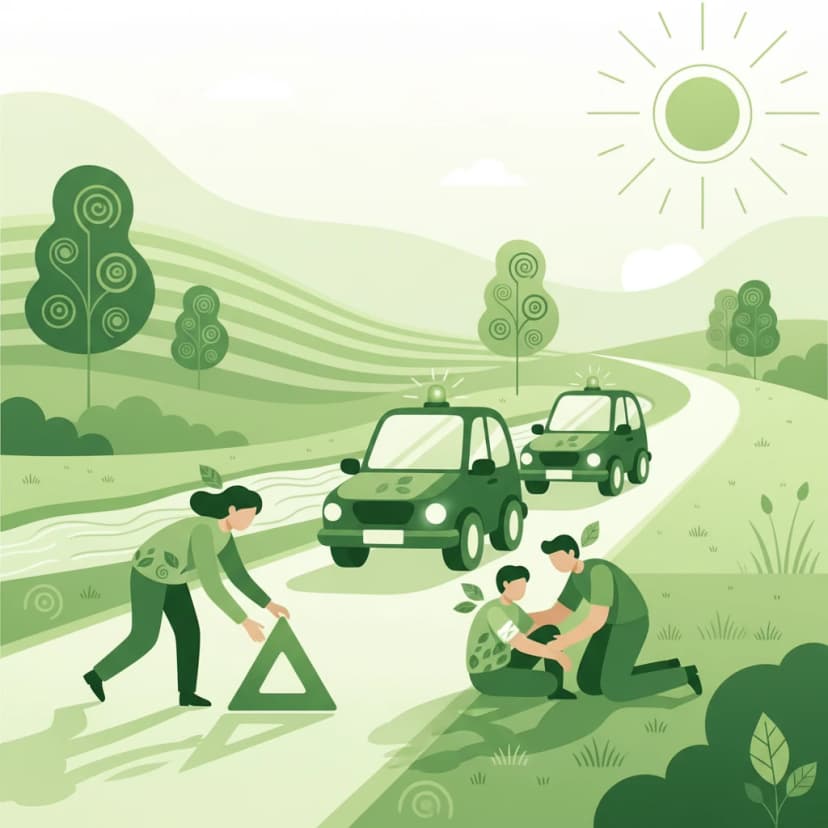
This lesson outlines the correct protocol to follow after a traffic accident. The first priority is to ensure the safety of everyone involved by securing the scene and checking for injuries. You will learn when it is mandatory to call the emergency services (112), such as when there are injuries or significant road blockage. The curriculum also explains the legal requirement to stop and exchange insurance and contact details with other parties involved. The use of the European Accident Statement form to record the details is also covered.

This lesson provides a practical guide for the unfortunate event of an accident while riding abroad. It outlines the steps for contacting local emergency services, the importance of involving local police, and how to use the European Accident Statement form, which is standardized across languages. The content offers advice on overcoming potential language barriers and the critical steps for gathering evidence and notifying your insurance provider promptly to ensure a smooth claims process.
This lesson explains the processes that follow a road accident, focusing on legal and insurance matters. It describes how liability is determined, the steps involved in filing an insurance claim, and the importance of accurate documentation and evidence, such as photos and witness statements. The content also touches upon potential legal consequences, such as fines or prosecution if traffic laws were violated, providing a comprehensive overview of the post-accident landscape.
This lesson provides a clear action plan for when your car breaks down. You will learn to pull over to a safe location, preferably the hard shoulder on a motorway, and immediately activate your hazard warning lights. The curriculum explains the legal requirement to place a warning triangle a suitable distance behind the vehicle (if safe to do so) and the strong recommendation to wear a high-visibility jacket. Crucially, it instructs that all occupants should exit the vehicle on the safe side and wait behind the guardrail for assistance.
This lesson prepares riders for the possibility of a routine police check ('verkeerscontrole'). It explains what officers typically inspect, which includes the required documentation, the roadworthiness of the motorcycle (e.g., tire tread depth, exhaust legality), and the rider's sobriety. The curriculum provides guidance on how to interact calmly and cooperatively with law enforcement, ensuring the stop proceeds smoothly and efficiently while being aware of one's basic rights.
Learn crucial steps for managing a motorcycle accident scene. This lesson covers immediate safety measures to prevent further hazards, assessing injuries, and administering basic first aid until professional help arrives, as per Dutch standards.
This lesson provides a clear, prioritized list of actions to take in the immediate aftermath of an accident. The primary focus is on safety: securing the scene to prevent further incidents, checking for injuries on yourself and others, and calling emergency services (112). It provides the essential knowledge required to manage a stressful and potentially dangerous situation calmly and effectively until professional help arrives.
Find clear answers to common questions learners have about Post-Accident Procedures and Reporting (ongevalrapportage). Learn how the lesson is structured, which driving theory objectives it supports, and how it fits into the overall learning path of units and curriculum progression in the Netherlands. These explanations help you understand key concepts, lesson flow, and exam focused study goals.
The absolute first priority is always to ensure your own safety and the safety of others. If possible and safe, move yourself and your motorcycle to a safe spot, away from ongoing traffic. Only then should you assess injuries and secure the scene.
You are legally obliged to call the police immediately if there are injuries, fatalities, significant material damage to public property (like road signs or barriers), or if there is a disagreement with the other party about the cause or liability. For minor damage where all parties agree, it's often not strictly necessary, but advisable if you're unsure.
The 'Europees Schadeformulier' is a standardized form used across Europe to document accident details. It's crucial for Category A riders as it helps gather all necessary information (involved parties, vehicles, insurance details, accident circumstances) for insurance claims. Both parties should fill it out, sign it, and keep a copy, even if police are called.
Generally, you should avoid moving an injured person unless they are in immediate danger (e.g., from fire or oncoming traffic). Moving someone incorrectly can worsen injuries, especially spinal ones. Provide comfort, keep them warm, and wait for professional medical help. Always call emergency services (112) immediately for injuries.
You must exchange personal details (name, address, phone), vehicle registration number, and insurance details. It's also wise to note down contact details of any witnesses and take photos of the scene and damage. This information is best captured on the European Accident Statement form.