

This lesson covers the most critical category of traffic signs: regulatory signs, which impose a legal obligation or prohibition. You will learn the precise meaning and required action for essential signs such as the B6 Stop sign, which mandates a full stop, and the C2 No Entry sign, which forbids access. Understanding the shapes, colors, and symbols of these signs is fundamental to safe driving and a major focus of the official CBR theory test.
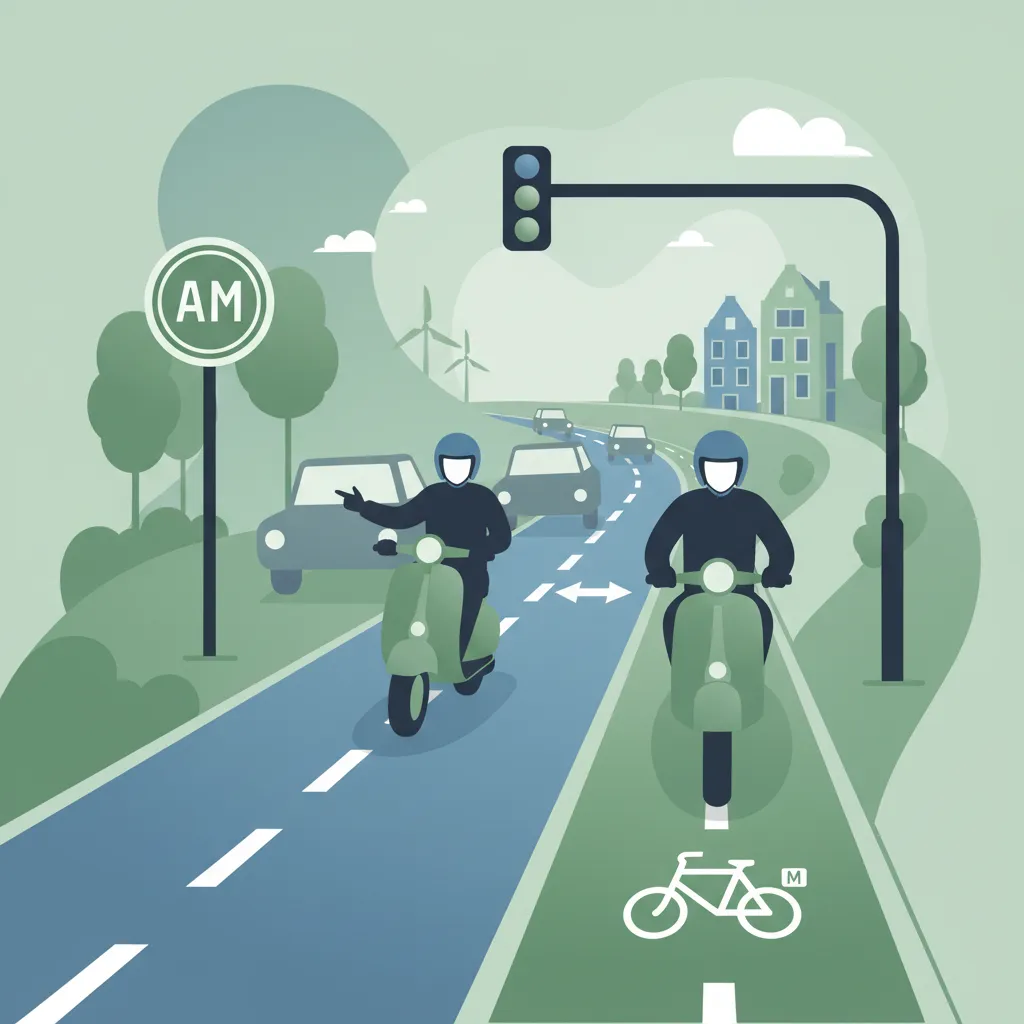
Prepare to pass your Dutch Category AM theory exam with our comprehensive curriculum. This course provides in-depth knowledge on all required topics, from legal vehicle classifications and traffic laws to advanced hazard perception and defensive riding techniques. We cover the specific rules for bromfietsen, snorfietsen, and speed pedelecs, ensuring you understand roadway access, priority situations, and vehicle control. Learn everything you need to ride safely and confidently on Dutch roads.
The Regulatory Signs (e.g., B6 Stop, C2 No entry) lesson explains one of the most important subjects in the Traffic Signs & Signals unit of the Dutch Driving Theory AM curriculum. It focuses on essential exam content that every learner in the Netherlands needs for the Dutch driving theory exam. Through clear explanations, practical examples, and real traffic situations, this lesson helps you understand how the rules work in practice and strengthens your overall exam preparation.
Upon completing this lesson, you will be fully equipped to identify and correctly interpret essential Dutch regulatory traffic signs such as the B6 Stop sign and the C2 No Entry sign. You will understand the precise legal requirements these signs impose, including when to come to a complete stop and when direct access is prohibited. This knowledge is fundamental for safe riding in the Netherlands and directly impacts your ability to answer specific questions on the CBR AM theory exam. You'll gain the confidence to react appropriately and lawfully to these commanding traffic controls, thereby avoiding potential fines, dangerous situations, and exam failures.
Furthermore, this lesson will solidify your understanding of how regulatory signs directly affect your positioning and decisions on the road, particularly concerning access restrictions and required actions. By mastering these signs, you'll be better prepared to manage intersections, understand designated routes, and demonstrate overall competence in adhering to traffic laws, which is a core requirement for both the theory test and responsible, safe moped and scooter operation in Dutch traffic.
This lesson is ideal for all learners preparing for the Dutch AM theory exam who need a solid understanding of mandatory traffic signs. It's especially helpful for those who find it difficult to remember the exact meaning and implications of signs like 'Stop' and 'No Entry', or who want to ensure they avoid common mistakes in exam questions related to these critical rules.
View all lesson topicsFind answers to common questions about the Regulatory Signs (e.g., B6 Stop, C2 No entry) lesson, including how it connects to the Traffic Signs & Signals unit and the full Dutch Driving Theory AM curriculum. Learn how long the lesson takes, what topics it covers, and how it supports your preparation for the driving theory exam in the Netherlands.
The Regulatory Signs (e.g., B6 Stop, C2 No entry) lesson is designed to make complex driving theory topics easier to understand. Content is written in a clear and practical way, aligned with exam expectations in the Netherlands, and supported by examples that reflect real traffic situations. Whether you are reviewing or starting from scratch, this lesson helps you study efficiently and make steady progress inside the Dutch Driving Theory AM curriculum.
Explore additional units that make up the complete Dutch Driving Theory AM curriculum. Each unit focuses on important driving theory subjects, helping learners in the Netherlands build strong exam knowledge and improve understanding of rules, signs, and traffic behaviour.
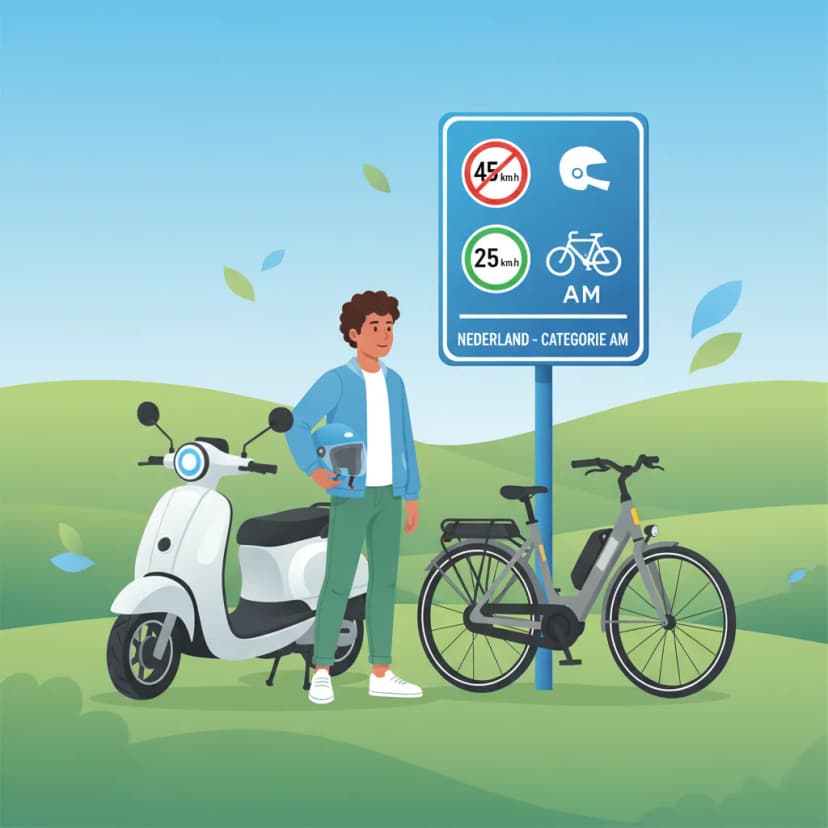
Learn the legal definitions and requirements for mopeds, scooters, and speed pedelecs in the Netherlands, including age, license, registration, insurance, and safety rules. Essential for your AM theory exam.
5 lessons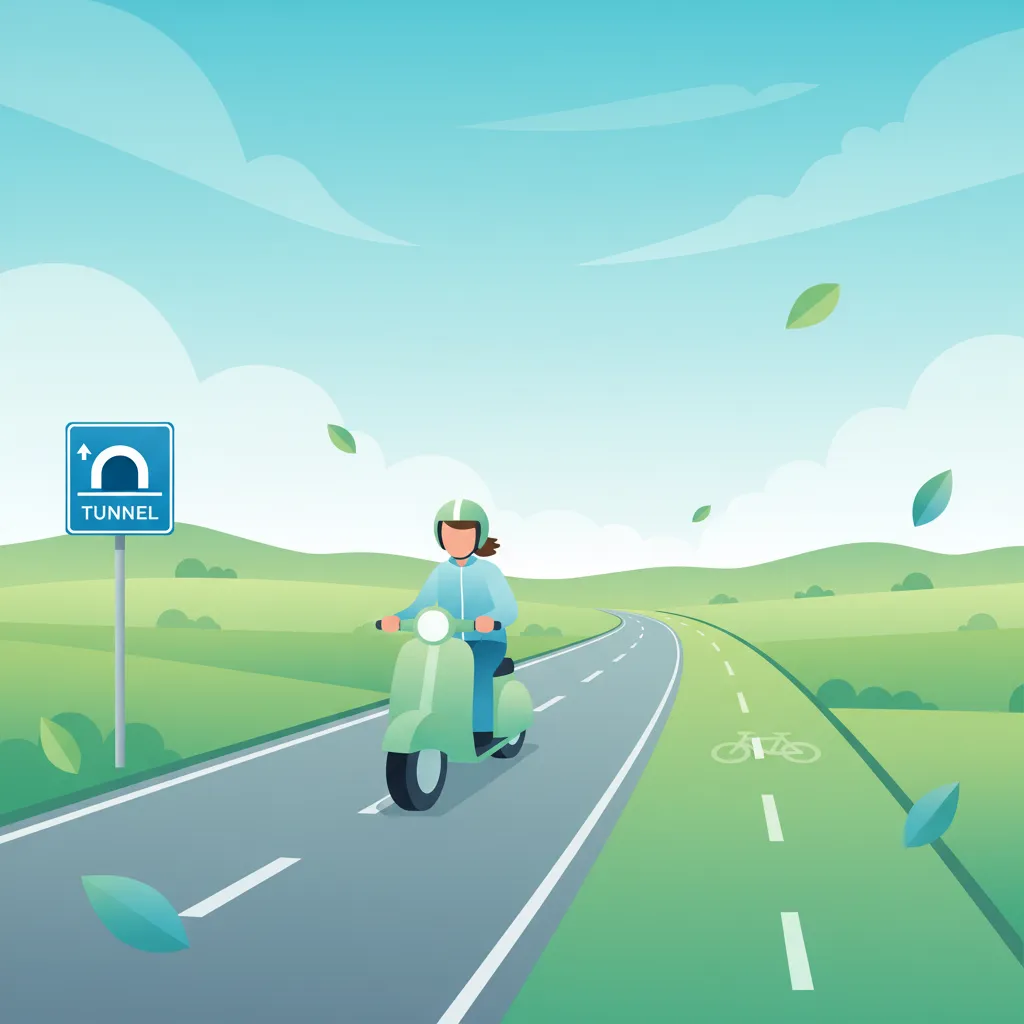
Navigate Dutch roads confidently. Learn when to use cycle paths, understand speed limits, and master navigation through complex traffic situations like tunnels and trams for your AM license.
5 lessons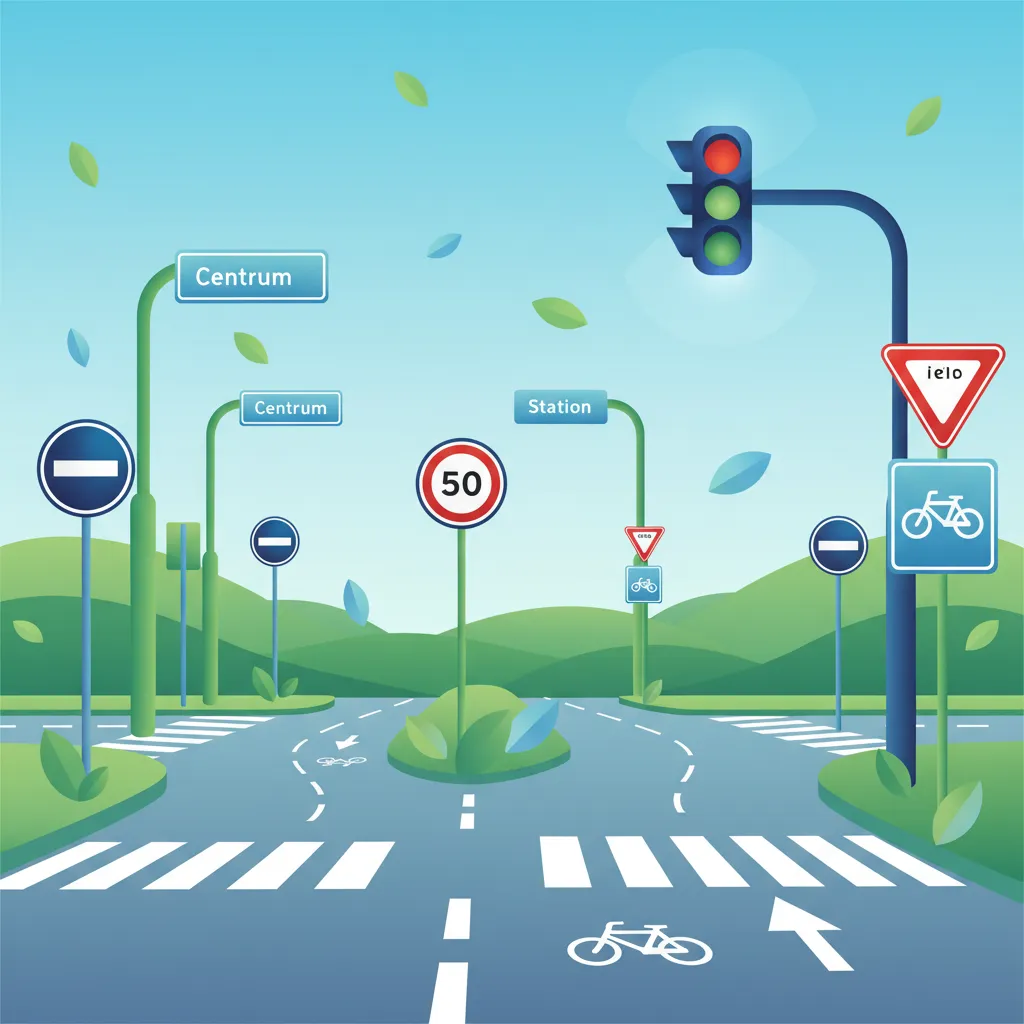
Master Dutch traffic signs, signals, and road markings for your AM theory exam. Understand regulatory, warning, and information signs to ride safely and pass your test.
5 lessons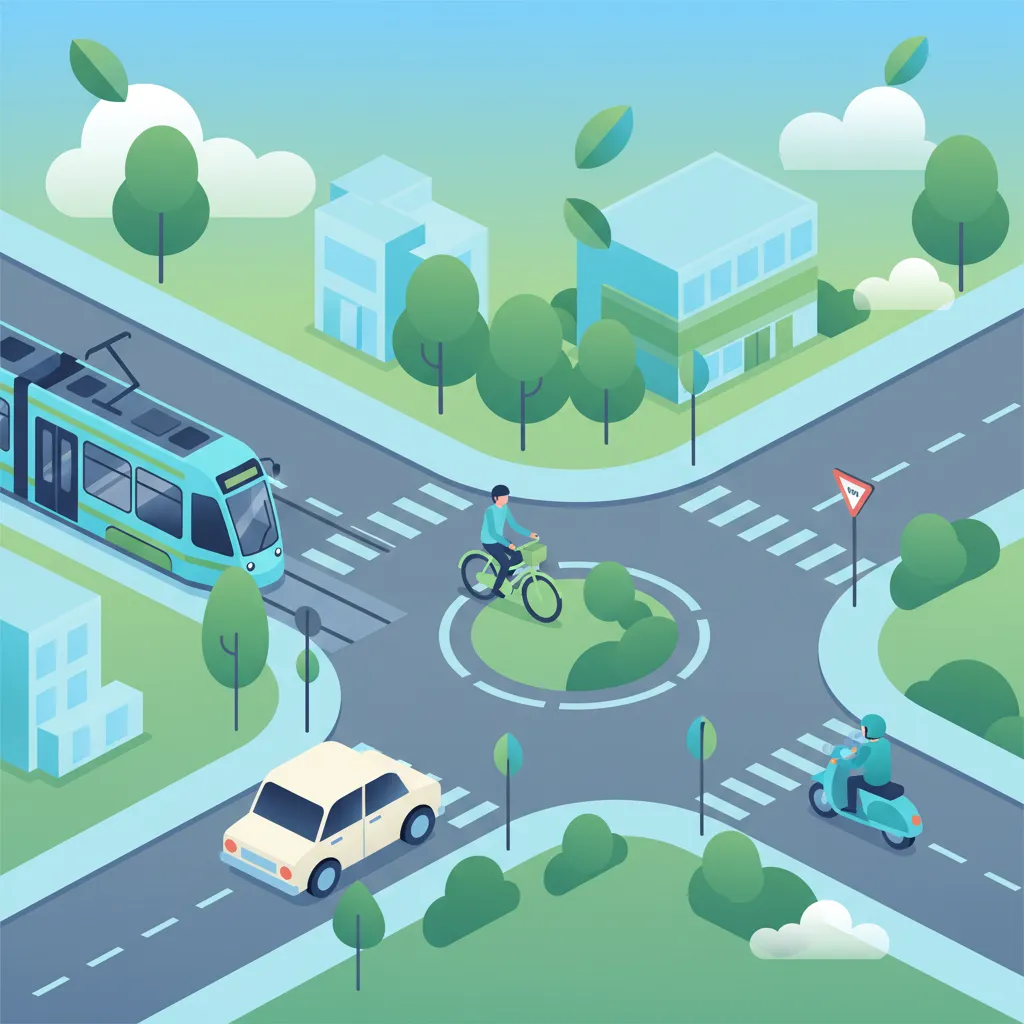
Master Dutch priority rules for intersections, roundabouts, and pedestrian crossings. Essential for the AM category theory exam and safe riding.
5 lessons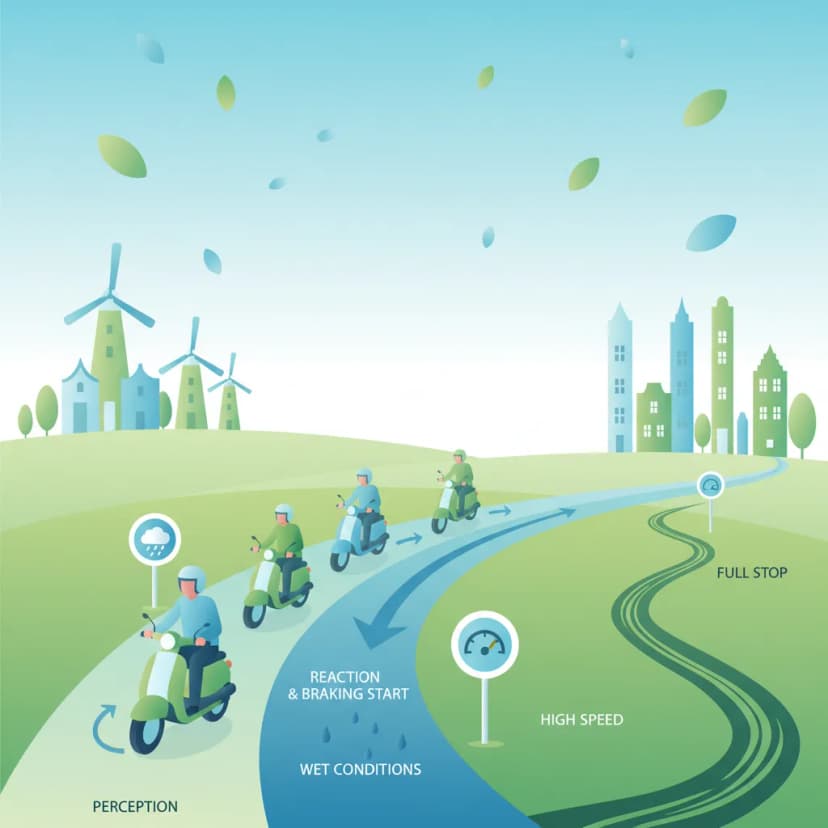
Master speed, reaction distance, and braking techniques essential for safe riding and passing your Dutch AM theory test. Learn how conditions affect stopping.
5 lessons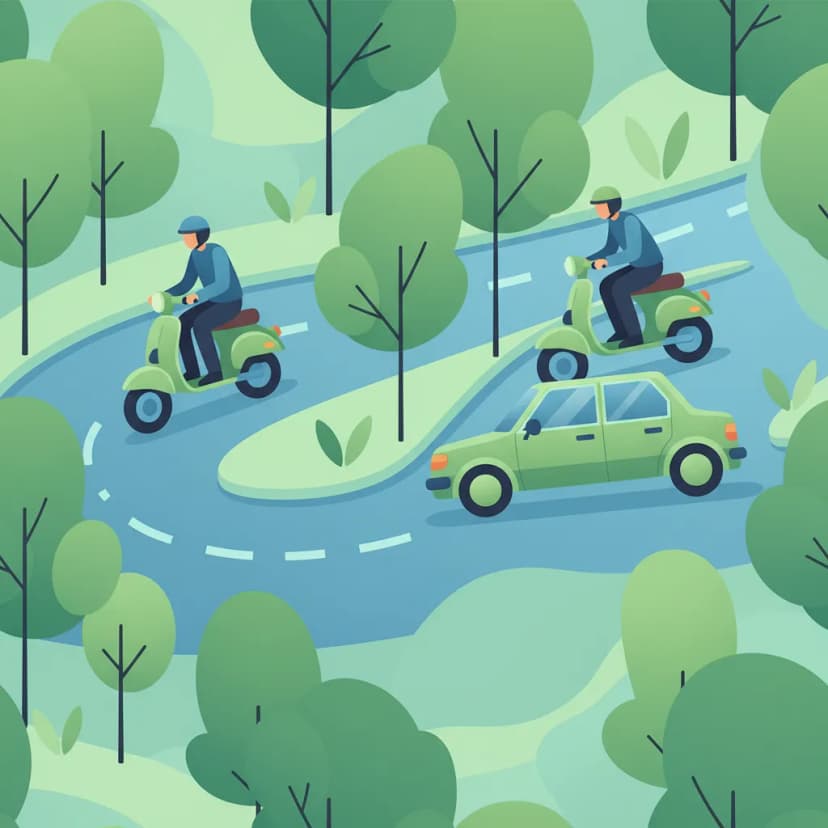
Master essential vehicle control techniques for safe riding and your Dutch AM theory exam. Learn balancing, cornering, U-turns, overtaking, and parking for confident manoeuvres.
5 lessons
Learn to safely navigate challenging Dutch weather and environmental conditions like wind, rain, and darkness. Essential for AM category riders preparing for the theory exam.
5 lessons
Learn about essential safety equipment, correct helmet use, and crucial pre-ride vehicle checks like tires, brakes, and lights for safe riding and your Dutch AM theory exam.
5 lessons
Learn your legal duties and step-by-step procedures for traffic incidents and roadside breakdowns in the Netherlands. Essential for exam success and rider safety.
5 lessons
Focus on YOU: understand how fatigue, stress, and attitude affect your AM moped riding. Learn crucial risk management and defensive strategies for safer journeys.
5 lessonsBegin studying the Regulatory Signs (e.g., B6 Stop, C2 No entry) lesson and keep advancing through the Dutch Driving Theory AM curriculum. With clear explanations, structured topics, and practical examples, this lesson helps you learn confidently and prepare more effectively for the Dutch driving theory exam in the Netherlands.