
This lesson focuses on the mandatory lighting and signalling equipment for your A2 motorcycle, as required by Dutch law. Proper use of these devices is crucial for your visibility and for clearly communicating your intentions to other road users, directly impacting your safety and success in the CBR theory exam.
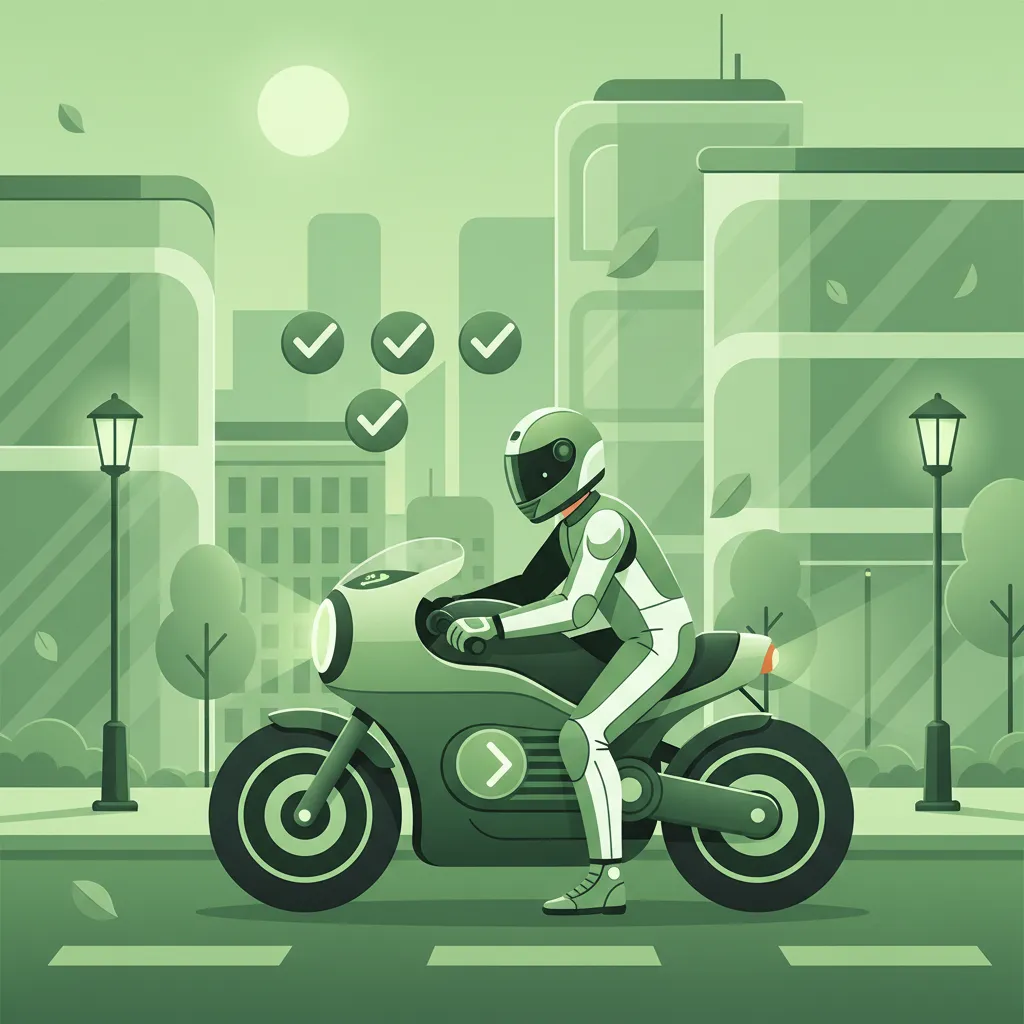
Rijden op een A2 motorfiets in Nederland vereist niet alleen vaardigheid en inzicht, maar ook een grondige kennis van de wettelijke eisen voor verlichting en signalering. Deze systemen zijn fundamenteel voor jouw veiligheid en die van andere weggebruikers. Ze zorgen ervoor dat je motorfiets te allen tijde goed zichtbaar is en dat jouw intenties duidelijk worden gecommuniceerd, wat cruciaal is voor het voorkomen van ongelukken. Vooral motorrijders, met hun kleinere profiel, zijn afhankelijk van effectieve verlichting om op te vallen in het verkeer.
Deze les duikt diep in de Nederlandse wetgeving, met name het Reglement Verkeersregels en Verkeerstekens (RVV 1990) en Europese richtlijnen, om een volledig beeld te geven van wat verplicht is en hoe je jouw licht- en signaalapparatuur correct gebruikt.
De kern van verkeersveiligheid voor motorfietsers ligt in twee pijlers: conspicuity (opvallendheid) en signal intent (signalisatie van intentie). Deze concepten zijn geen optionele extra's, maar wettelijk verankerde principes die jouw aanwezigheid en acties voorspelbaar maken voor anderen op de weg.
Het correct functioneren en gebruiken van de verlichting en signaalapparatuur op je motorfiets is gebaseerd op een aantal fundamentele principes. Deze principes vormen de basis van de verkeerswetgeving en zijn ontworpen om de veiligheid voor alle weggebruikers te maximaliseren.
Deze principes bouwen voort op de basiskennis van verkeersregels en verkeerstekens en vormen een brug naar geavanceerdere onderwerpen zoals zichtbaarheid bij slecht weer en gedrag op de snelweg.
De verlichting aan de voorzijde van je motorfiets is essentieel voor zowel je eigen zicht op de weg als voor je zichtbaarheid voor tegenliggers. De Nederlandse wetgeving stelt specifieke eisen aan de aanwezige lichten en hun gebruik.
Het dimlicht is een verlichtingssysteem met een lagere intensiteit en een specifiek lichtbundelpatroon dat voorkomt dat tegemoetkomend verkeer wordt verblind.
Het grootlicht is een hoogintensieve koplamp die wordt gebruikt in situaties met zeer weinig licht om een maximale verlichting van de weg te bieden.
Dagrijverlichting is speciaal ontworpen om de zichtbaarheid van de motorfiets overdag te verbeteren.
De verlichting aan de achterzijde van je motorfiets is cruciaal om gezien te worden door verkeer dat achter je rijdt en om je intentie tot vertragen duidelijk te maken.
Het achterlicht is een continu brandend rood licht aan de achterzijde van de motorfiets.
Het remlicht is een feller rood licht aan de achterzijde dat oplicht wanneer de rem wordt geactiveerd.
Richtingaanwijzers zijn essentieel voor het veilig uitvoeren van bochten, afslaan en rijstrookwisselingen. Ze communiceren jouw intentie aan andere weggebruikers, waardoor zij hierop kunnen anticiperen.
Hoewel elektrische richtingaanwijzers en remlichten de primaire signaleringsmiddelen zijn, kunnen handgebaren een cruciale rol spelen als je elektrische systemen uitvallen.
Naast actieve verlichting dragen reflectoren bij aan de zichtbaarheid van je motorfiets, vooral in omstandigheden met weinig licht wanneer ze door andere voertuigen worden aangelicht.
Goed onderhoud is net zo belangrijk als de correcte bediening van je verlichting en signalen. Een defect licht is niet alleen gevaarlijk, maar kan ook leiden tot een boete.
De Nederlandse verkeerswetgeving, vastgelegd in het RVV 1990, is duidelijk over de eisen aan verlichting en signalering voor motorfietsen. Ook Europese regelgeving, zoals UNECE Reg. 48, speelt een rol en is in de Nederlandse wetgeving geïmplementeerd. Hieronder een overzicht van de belangrijkste regels en veelvoorkomende overtredingen.
| Regel | Toepassing | Juridische Status | Rationale |
|---|---|---|---|
| Dimlicht moet altijd aan zijn tijdens het rijden op de openbare weg. | Dag en nacht, elk wegtype | Verplicht (RVV 1990 art. 17.3) | Garandeert voorwaartse zichtbaarheid van het voertuig. |
| Grootlicht mag worden gebruikt bij zicht < 50m en geen tegenliggers binnen 150m. | Nacht, mist, tunnels, plattelandswegen | Voorwaardelijk (RVV 1990 art. 17.4) | Verbetert de verlichting wanneer nodig, voorkomt verblinding. |
| Rood achterlicht moet branden wanneer het voertuig in beweging is. | Alle beweging, dag/nacht | Verplicht (RVV 1990 art. 18.2) | Zorgt voor detectie van achteren. |
| Remlicht moet direct activeren wanneer de voorremhendel wordt ingedrukt. | Elke remactie | Verplicht (RVV 1990 art. 18.3) | Waarschuwt achteropkomend verkeer voor vertraging. |
| Richtingaanwijzer moet minstens 3 seconden voor de manoeuvre worden geactiveerd. | Alle rijstrookwisselingen en bochten | Verplicht (RVV 1990 art. 32.2) | Geeft voldoende waarschuwing aan andere weggebruikers. |
| Amberkleurige richtingaanwijzers moeten 60-120 keer per minuut knipperen. | Alle richtingaanwijzergebruik | Verplicht (UNECE Reg. 48 §4) | Consistentie en herkenbaarheid. |
| Handgebaren mogen alleen worden gebruikt als elektrische signaleringsinrichtingen defect zijn. | Uitval van richtingaanwijzers of remlichten | Voorwaardelijk (RVV 1990 art. 34.1) | Voorkomt verwarrende signalen, zorgt dat communicatie mogelijk blijft. |
| DRL (indien aanwezig) moet branden overdag en bij schemering (30 min voor zonsondergang tot 30 min na zonsopgang). | Dag/dageraad/schemering | Verplicht voor motoren in gebruik na 1 jan 2019 (EU Richtlijn 2009/40/EC) | Verbetert de zichtbaarheid overdag. |
| Zij- en achterreflectoren moeten aanwezig en functioneel zijn. | Elk weggebruik | Verplicht (RVV 1990 art. 19.1) | Voegt passieve zichtbaarheid toe. |
Het correcte gebruik van verlichting en signalering is sterk afhankelijk van de omstandigheden waarin je rijdt. Een proactieve aanpassing aan weer, licht en wegtype is essentieel voor veilig motorrijden.
De regels voor verlichting en signalering zijn geen willekeurige voorschriften; ze zijn gebaseerd op diepgaande kennis van menselijke perceptie, reactietijden en de fysica van licht, met als hoofddoel het minimaliseren van ongevallen.
Om de materie goed te begrijpen, is het belangrijk om de specifieke termen te kennen die gebruikt worden in de context van verlichting en signalering voor motorfietsen.
Lesson content overview
Explore all units and lessons included in this driving theory course.
Explore search topics learners often look for when studying Signal Devices and Lighting Requirements for A2 Motorcycles. These topics reflect common questions about road rules, driving situations, safety guidance, and lesson level theory preparation for learners in the Netherlands.
Browse additional driving theory lessons that cover connected traffic rules, road signs, and common driving situations related to this topic. Improve your understanding of how different rules interact across everyday traffic scenarios.
Understand the mandatory lighting and signal requirements for A2 motorcycles in the Netherlands. This lesson explains Dutch traffic laws (RVV 1990) for headlights, brake lights, turn signals, and reflectors to ensure safe visibility and communication.

This lesson covers the full range of lights and signals required on a vehicle for visibility and communication. You will learn about the mandatory requirements for headlights, taillights, brake lights, indicators, and reflectors. The curriculum emphasizes the driver's legal responsibility to ensure all lights are clean and functional before every journey. The correct use and function of the horn as an audible warning device in case of imminent danger are also explained.
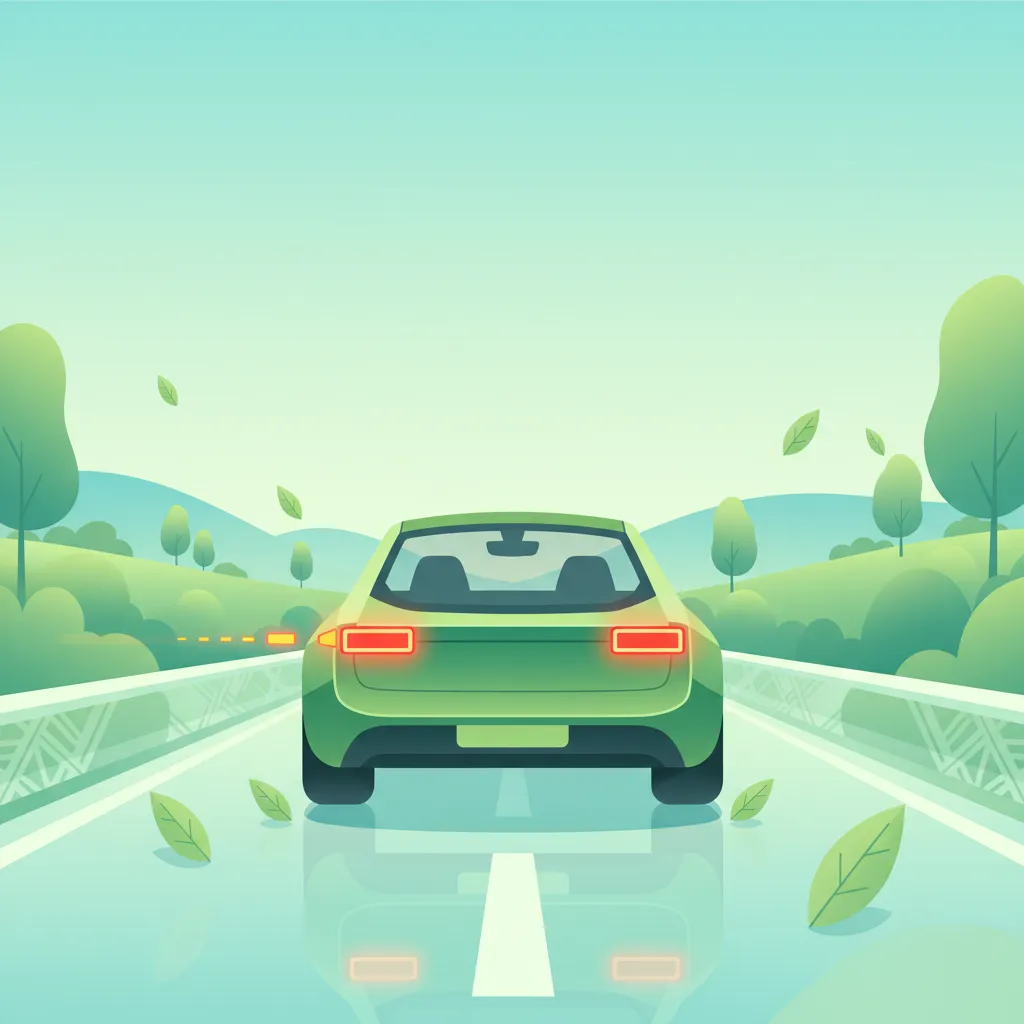
Effective communication with other road users is vital for safety. This lesson details the legal requirements and proper use of your vehicle's signaling equipment, including headlights, brake lights, and turn signals (indicators). It also explains the specific situations in which using the horn is permitted to avert danger. Finally, it covers the mandatory placement and type of reflectors that ensure your vehicle remains visible to others, especially in low-light conditions.
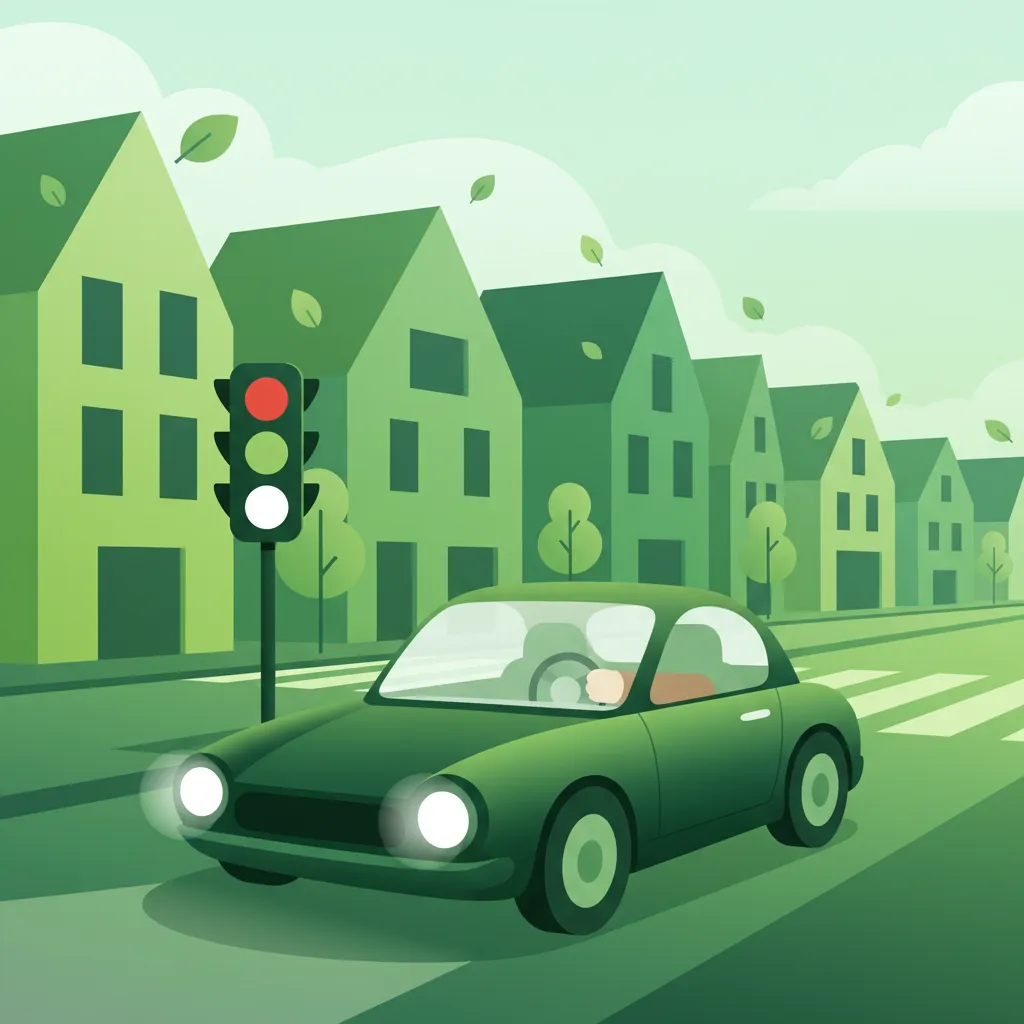
This lesson provides a comprehensive overview of all light and audible signals mandated by Dutch traffic law, detailing when and how each must be used for optimal visibility and communication. It covers the correct use of headlights, turn signals, and hazard lights, as well as the legally appropriate situations for using the horn to alert other road users. The curriculum clarifies legal requirements for lighting equipment and the potential penalties for misuse, ensuring riders can signal their intentions clearly and legally.
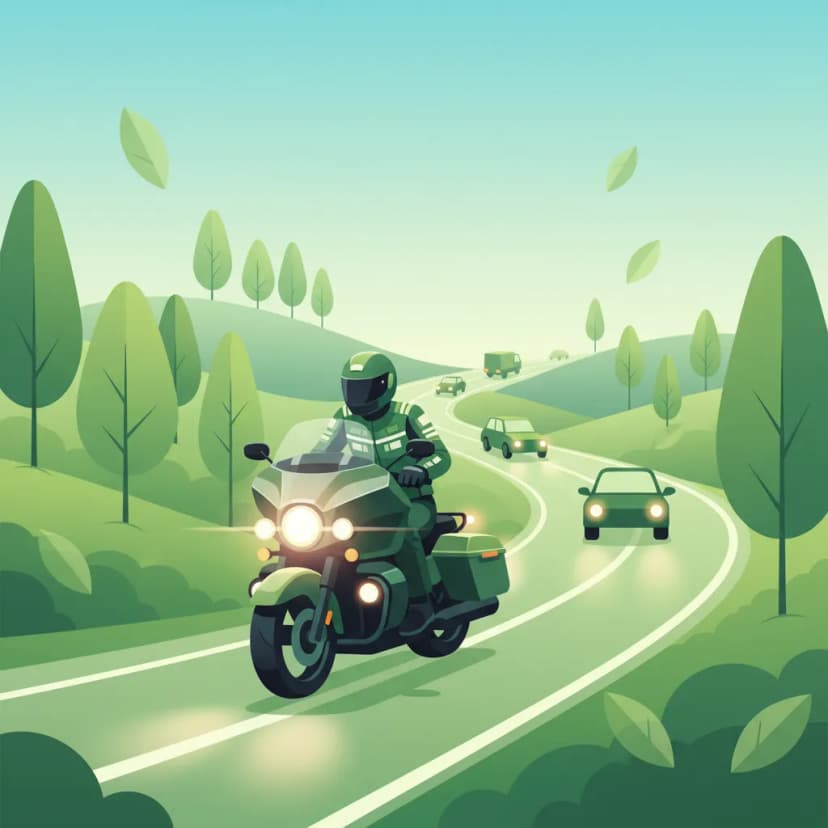
This lesson goes beyond the legal requirements of lighting to teach you how to use it strategically to stand out in traffic. You will learn the importance of always riding with your low-beam headlight on, and the appropriate, considerate use of the high beam to make yourself more noticeable from a distance. The content also covers using turn signals well in advance and tapping the brakes to flash the brake light before slowing.
Your vehicle's lights and horn are your primary tools for seeing, being seen, and communicating warnings. This lesson guides you through a simple but vital check of all electrical components before you ride. You will learn how to verify the function of your headlight (high and low beam), taillight, brake light (using both front and rear brake levers), and turn signals. It also covers checking the horn's operation and ensuring all mandatory reflectors are clean and intact.
Riding at night presents two main challenges: seeing the road and being seen by others. This lesson covers the legal requirements for your vehicle's lighting system and how to use it effectively, including when to use high beams. It also emphasizes strategies to increase your own conspicuity, such as wearing bright or reflective clothing. You will learn how darkness affects your perception of speed and distance and how to adapt your riding to compensate for these limitations.
This lesson focuses on the dual challenge of visibility: seeing the road ahead and ensuring other drivers see you. It covers the legal requirements and tactical use of headlights ('koplampen'), including when to use high and low beams, and the importance of daytime running lights. Additionally, it explores strategies for enhancing personal conspicuity through high-visibility and reflective clothing, and using lane positioning to stand out in traffic and avoid blind spots.
This lesson details the systematic procedure for checking the functionality of all lights and indicators before a ride. This simple but critical safety check includes verifying the operation of the high and low beam headlight, the taillight, the brake light (using both front and rear brake activators), and all four turn signals. Ensuring all lights are working is a legal requirement and fundamental for visibility and communicating intentions to other road users.
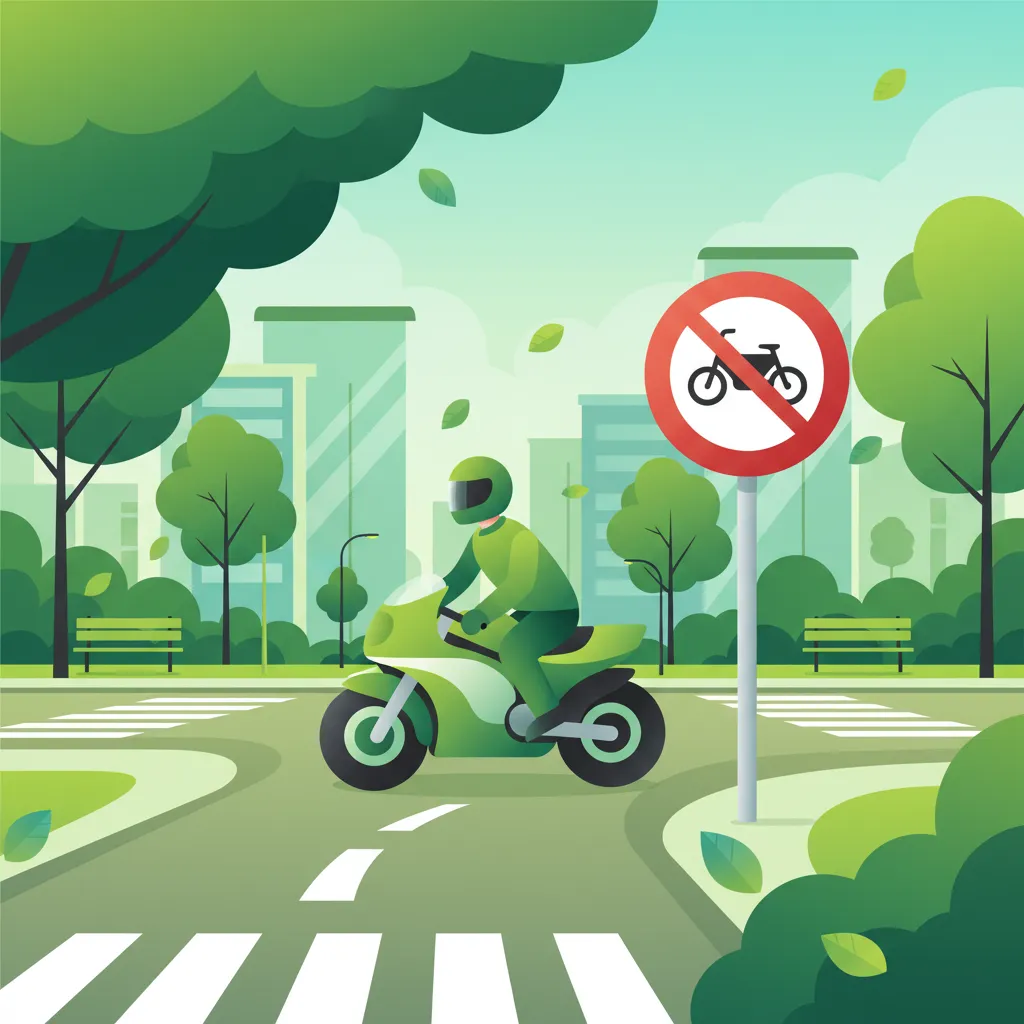
This lesson focuses on Dutch regulatory signs that enforce mandatory rules and restrictions, particularly those impacting A2 motorcyclists. You will learn to recognize and obey prohibition signs, such as those indicating a motorcycle ban (BORD 40), speed limits, and overtaking restrictions (BORD 21). The content explains the legal consequences of non-compliance and how to apply these rules in practical riding scenarios to ensure full adherence to Dutch traffic law.
This lesson covers the universal Dutch road rules with a specific focus on their application to light motorcycles. It details the various speed limits for different road types, from urban areas to motorways, and explains the correct procedures for overtaking and lane positioning. The legal aspects of lane filtering in congestion are also examined, alongside mandatory equipment use like daytime running lights, to ensure riders can integrate safely and legally into traffic flow.
Learn key strategies for A2 motorcycle riders to maximize visibility and effectively communicate intentions. This lesson covers best practices for using all lights, signals, and hand gestures, emphasizing conspicuity and clear communication in various Dutch traffic scenarios.
This lesson goes beyond the legal requirements of lighting to teach you how to use it strategically to stand out in traffic. You will learn the importance of always riding with your low-beam headlight on, and the appropriate, considerate use of the high beam to make yourself more noticeable from a distance. The content also covers using turn signals well in advance and tapping the brakes to flash the brake light before slowing.
This lesson focuses on the dual challenge of visibility: seeing the road ahead and ensuring other drivers see you. It covers the legal requirements and tactical use of headlights ('koplampen'), including when to use high and low beams, and the importance of daytime running lights. Additionally, it explores strategies for enhancing personal conspicuity through high-visibility and reflective clothing, and using lane positioning to stand out in traffic and avoid blind spots.
This lesson addresses the dual challenge of poor visibility: being able to see the road ahead and ensuring other road users can see you. It covers techniques for riding in fog and heavy rain, such as using appropriate lights and reducing speed to match sight distance. The lesson also discusses practical issues like helmet visor fogging and the importance of wearing high-visibility or reflective clothing to enhance conspicuity in low-light conditions.
This lesson provides a comprehensive overview of all light and audible signals mandated by Dutch traffic law, detailing when and how each must be used for optimal visibility and communication. It covers the correct use of headlights, turn signals, and hazard lights, as well as the legally appropriate situations for using the horn to alert other road users. The curriculum clarifies legal requirements for lighting equipment and the potential penalties for misuse, ensuring riders can signal their intentions clearly and legally.
Effective communication with other road users is vital for safety. This lesson details the legal requirements and proper use of your vehicle's signaling equipment, including headlights, brake lights, and turn signals (indicators). It also explains the specific situations in which using the horn is permitted to avert danger. Finally, it covers the mandatory placement and type of reflectors that ensure your vehicle remains visible to others, especially in low-light conditions.
Your vehicle's lights and horn are your primary tools for seeing, being seen, and communicating warnings. This lesson guides you through a simple but vital check of all electrical components before you ride. You will learn how to verify the function of your headlight (high and low beam), taillight, brake light (using both front and rear brake levers), and turn signals. It also covers checking the horn's operation and ensuring all mandatory reflectors are clean and intact.
This lesson covers the full range of lights and signals required on a vehicle for visibility and communication. You will learn about the mandatory requirements for headlights, taillights, brake lights, indicators, and reflectors. The curriculum emphasizes the driver's legal responsibility to ensure all lights are clean and functional before every journey. The correct use and function of the horn as an audible warning device in case of imminent danger are also explained.
Riding at night presents two main challenges: seeing the road and being seen by others. This lesson covers the legal requirements for your vehicle's lighting system and how to use it effectively, including when to use high beams. It also emphasizes strategies to increase your own conspicuity, such as wearing bright or reflective clothing. You will learn how darkness affects your perception of speed and distance and how to adapt your riding to compensate for these limitations.
This lesson details the systematic procedure for checking the functionality of all lights and indicators before a ride. This simple but critical safety check includes verifying the operation of the high and low beam headlight, the taillight, the brake light (using both front and rear brake activators), and all four turn signals. Ensuring all lights are working is a legal requirement and fundamental for visibility and communicating intentions to other road users.
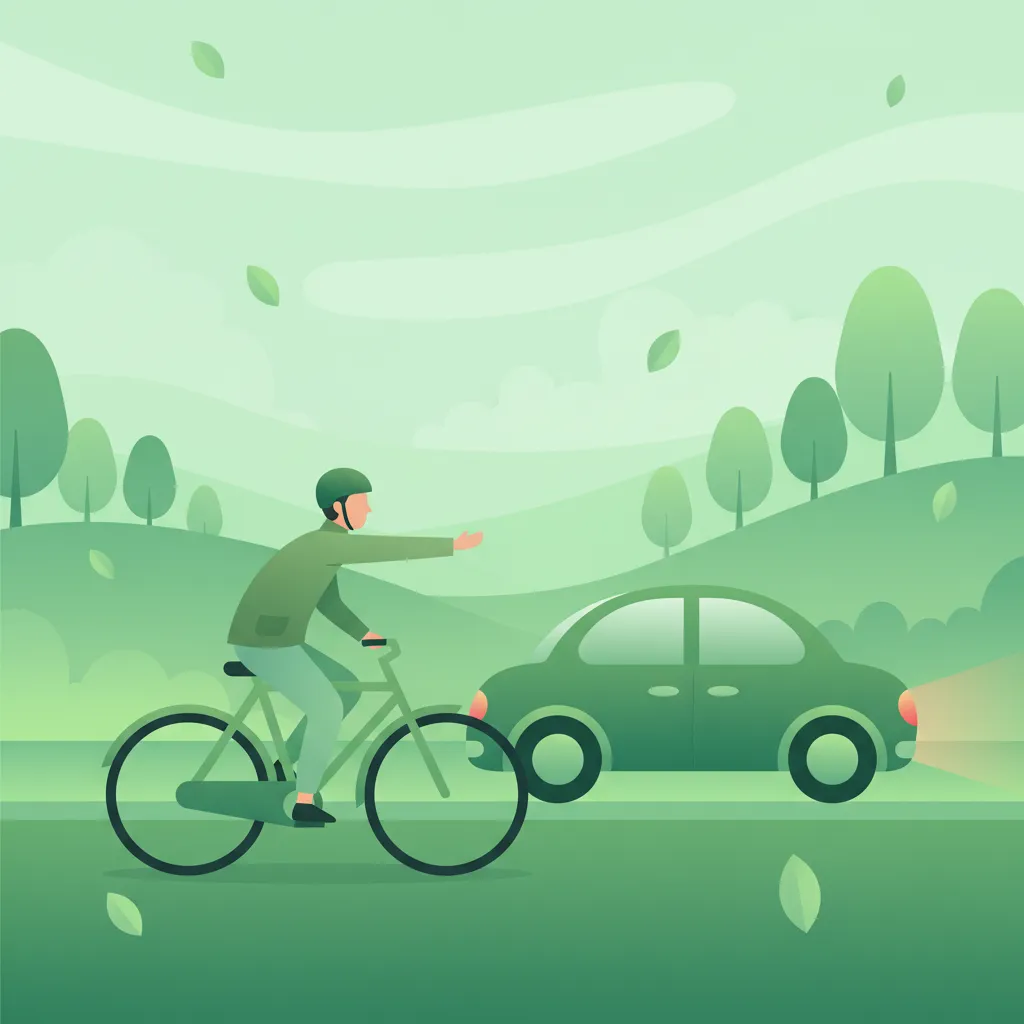
This lesson provides a detailed framework for how motorcyclists must safely and legally interact with diverse road users, including cars, trucks, cyclists, and pedestrians. It covers the required communication signals, anticipatory behaviors, and specific positioning techniques necessary to coexist in complex traffic environments like urban centers and shared spaces. Emphasis is placed on legal expectations and practical methods that actively reduce collision risk and promote smooth traffic flow.
Find clear answers to common questions learners have about Signal Devices and Lighting Requirements for A2 Motorcycles. Learn how the lesson is structured, which driving theory objectives it supports, and how it fits into the overall learning path of units and curriculum progression in the Netherlands. These explanations help you understand key concepts, lesson flow, and exam focused study goals.
Yes, in the Netherlands, motorcycles (including A2 category) are required to ride with their dipped headlights (dimlichten) on at all times, both day and night. This significantly increases your visibility to other road users, which is crucial on Dutch roads.
Turn signals (richtingaanwijzers) are the flashing lights on your motorcycle used to indicate a change of direction. Hand signals are physical gestures made by the rider, used primarily when turn signals are not functioning or for additional emphasis, especially in complex traffic situations or when filtering.
All motorcycles must have a functioning red brake light that illuminates when the rider applies either the front or rear brake. It is essential that this light is visible to following traffic, especially during braking actions.
The theory exam will test your knowledge of these mandatory safety features because their correct use and maintenance are vital for preventing accidents. Being visible and clearly indicating your intentions are fundamental aspects of safe motorcycle riding and are closely examined by the CBR.
Motorcycles in the Netherlands are not typically equipped with hazard warning lights (knipperende waarschuwingslichten) as standard. If fitted aftermarket, their use should be limited to genuine emergency situations where you are posing a hazard to other traffic, as their misuse can cause confusion.