
Navigating Dutch roads requires understanding special lanes and road markings. This lesson explains the rules for bus lanes, rush-hour lanes (spitsstrook), and the meaning behind different line types that dictate lane changes and overtaking. It's a crucial part of Unit 4, preparing you for complex traffic situations on the exam.
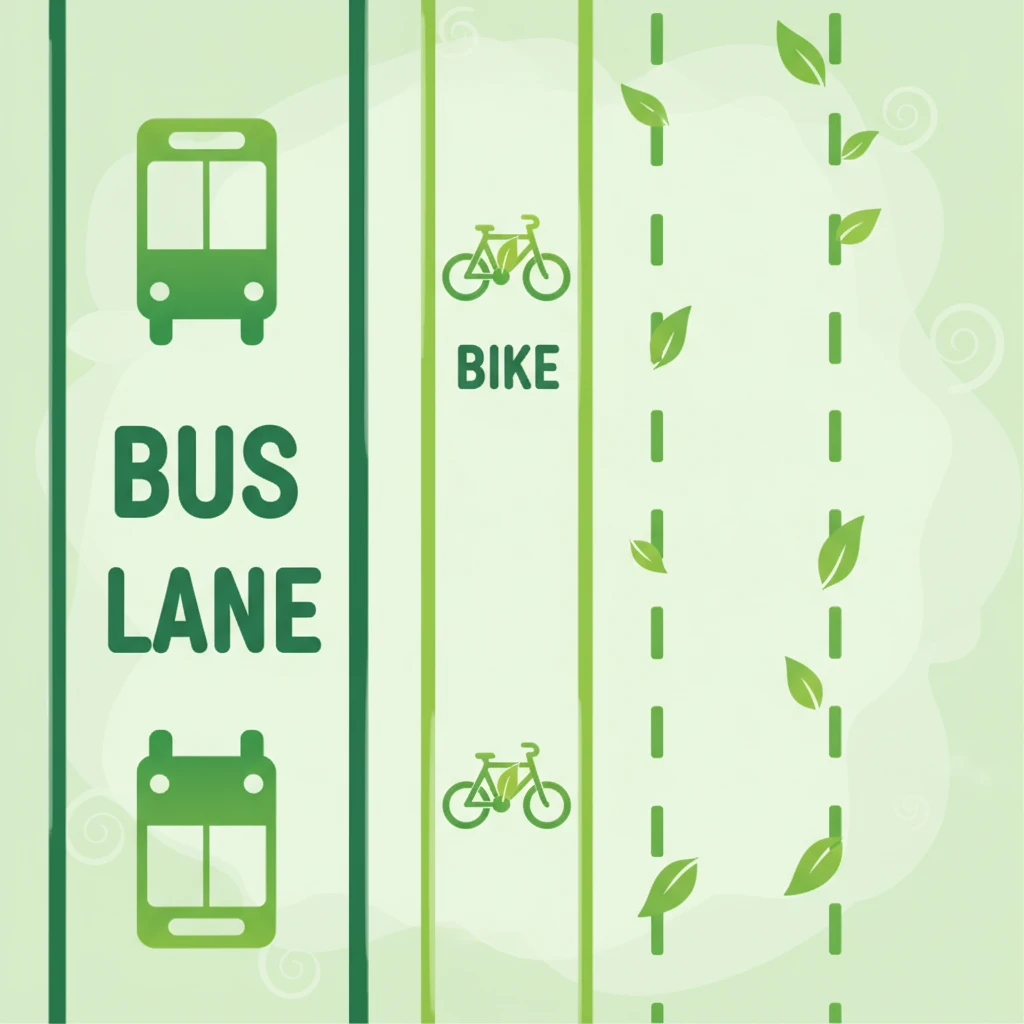
Navigating the diverse and often dynamic road network in the Netherlands requires a thorough understanding of special lanes and intricate road markings. These visual cues and designated areas are fundamental to maintaining traffic flow, ensuring safety, and upholding legal compliance. This lesson will equip you with the knowledge to correctly identify and use various special lanes, including bus lanes and rush-hour lanes (spitsstrook), and to interpret the meaning of different road lines and pavement markings.
Correctly interpreting these elements is not merely about avoiding fines; it is crucial for anticipating other drivers' actions, preventing accidents, and contributing to the efficient operation of the Dutch transport infrastructure. By the end of this lesson, you will understand what each lane marking signifies, when you are permitted to use or cross a lane, and how to behave safely and legally within each lane type.
Road markings and special lanes serve as a visual language for drivers, conveying critical information about permissible movements, speed limits, and traffic priorities. This system is meticulously designed with several core objectives in mind:
Drivers must learn to integrate the interpretation of these markings with other traffic rules, such as those governing bus lane restrictions, rush-hour lane access, overtaking procedures, and general motorway navigation. This holistic understanding is essential for safe and responsible driving.
Bus lanes, known as bussstrook in Dutch, are specifically designated sections of the road reserved for public transport vehicles. These lanes are critical for ensuring the efficiency and reliability of public transportation services by allowing buses and sometimes licensed taxis to bypass general traffic congestion.
A bus lane is typically identified by a prominent sign and a distinct solid double yellow line running parallel to the curb or separating it from general traffic lanes.
Bus lanes can operate under different conditions:
Only specific vehicles are legally permitted to use a bus lane. These generally include:
No other vehicles, including private cars, motorcycles, or commercial vehicles, are allowed to drive in or cross a bus lane marked by a solid double yellow line unless explicitly permitted by signage or during an emergency. Violations are strictly enforced and can result in significant fines and demerit points.
Drivers often make mistakes regarding bus lanes:
Bussstrook signage. Other double yellow lines may indicate no parking or no stopping zones.Rush-hour lanes, known as spitsstrook in the Netherlands, are innovative solutions designed to alleviate traffic congestion during peak periods. These are temporary lanes that are opened and closed based on real-time traffic conditions, usually on motorways.
A spitsstrook is a lane that is typically located on the far left or far right of a motorway, or sometimes involves converting an existing hard shoulder. It is marked by a solid yellow line leading into the lane, and often a double yellow line within it. Crucially, their operational status is indicated by electronic overhead signs.
spitsstrook open), closed (spitsstrook gesloten), or indicate specific speed limits applicable when the lane is active. The signs may also show a green arrow for open or a red cross for closed.spitsstrook are generally active during typical rush hours, such as 07:00-09:00 in the morning and 16:00-18:00 in the evening on weekdays.Access to spitsstrook is conditional and strictly enforced:
spitsstrook when the electronic signs indicate it is open. Driving in a spitsstrook when it is closed is illegal and will result in a fine.spitsstrook are for passenger cars and light vehicles. Larger vehicles, such as trucks, may be restricted from using them.Spitsstrook often have their own specific speed limits, which can be lower than the general motorway speed limit. It is common for spitsstrook to have a maximum speed limit of 90 km/h. Always adhere to the speed limit displayed on the electronic signs.spitsstrook are primarily for overtaking, while right-hand spitsstrook (often converted hard shoulders) can be used for general traffic flow, but always with caution.spitsstrook is always open or closed at fixed times. Always verify the current status.spitsstrook may differ from the rest of the motorway.spitsstrook may look like a hard shoulder. Remember, a hard shoulder is for emergencies only unless explicitly indicated as an open spitsstrook.Road lines are the fundamental elements of lane discipline. Their type, color, and configuration provide essential instructions on where you can drive, when you can change lanes, and where overtaking is permitted or prohibited.
A solid line indicates a strict boundary that generally must not be crossed.
autosnelwegen) and other high-speed roads, a single solid white line (often referred to as SVW - enkelvoudige doorgetrokken streep) separates lanes. You should not cross this line, particularly when established within your lane. It enforces lane discipline and prevents sudden, unsafe lane changes.Broken lines indicate that crossing is permitted, provided it is safe to do so.
SBW - onderbroken streep). It allows drivers to change lanes, overtake, or turn, provided they check mirrors, signal appropriately, and ensure the maneuver is safe and does not impede other traffic.DBY - dubbele onderbroken streep) indicates that overtaking is permitted, but usually only on the left lane. This marking is less common than other line types but signals that drivers may safely pass slower traffic if conditions allow.Double lines, whether solid or broken, convey more stringent rules.
Arrows painted on the road surface provide mandatory instructions for drivers regarding lane usage and turning directions.
The color of road markings is not arbitrary; it conveys important information about the road type and the nature of the rule.
autosnelwegen) and other high-speed roads. Yellow lines often denote specific regulatory functions, such as separating general traffic lanes, marking spitsstrook, or indicating bus lanes. They provide high contrast and visibility, especially on roads with higher speeds where quick interpretation is necessary.binnen de bebouwde kom), parking zones, and for indicating turning lanes or traffic lanes on city streets. White lines are also used for pedestrian crossings and stop lines.This color distinction helps drivers quickly ascertain the context of the road and the applicability of specific rules.
Overtaking and changing lanes are common maneuvers that require strict adherence to rules and constant vigilance. The Netherlands has clear protocols to ensure these actions are performed safely.
autosnelwegen) and dual carriageways, overtaking must almost always be performed on the left-hand side. You should move into the left lane, pass the slower vehicle, and then return to the right-hand lane when it is safe and clear.spitsstrook, which often have lower speed limits.The Dutch driving philosophy emphasizes keeping to the right-hand lane (rechts houden) unless you are overtaking or preparing to turn left. This principle is fundamental for maintaining smooth traffic flow and preventing unnecessary congestion in the faster, left-hand lanes.
Adhering to the regulations surrounding special lanes and road markings is not optional; it is a legal requirement. Violations can lead to fines, demerit points, and most importantly, dangerous situations on the road.
Spitsstrook can only be used by authorized vehicle types and during the times indicated by electronic or static signs. Using a spitsstrook outside these hours or with an unauthorized vehicle type is illegal.Driving conditions are rarely static, and your understanding of special lanes and markings must adapt to various contexts.
spitsstrook, especially in urban settings, vulnerable road users may be present. Always be prepared to yield to cyclists and pedestrians, ensuring their safety is prioritized.The underlying rationale behind these rules is always safety and efficiency. Lane discipline prevents blind-spot collisions. Prioritizing public transport through bus lanes improves service and reduces congestion. Carefully managed spitsstrook alleviate peak traffic bottlenecks. The distinct color coding of lines helps visual cognition, ensuring drivers can quickly interpret the road environment. All these regulations are backed by extensive traffic engineering research to enhance overall road safety.
To master special lanes and road markings for the Dutch driving theory test, focus on these key points:
Bussstrook sign B8), rush-hour lanes (spitsstrook with electronic signs), and understand the difference between solid, broken, and double white/yellow lines, as well as pavement arrows.spitsstrook are only for specific vehicle types during open hours; double solid lines generally prohibit crossing; and overtaking on motorways is typically only permitted on the left.spitsstrook electronic signs.Lesson content overview
Explore all units and lessons included in this driving theory course.
Explore search topics learners often look for when studying Special Lanes and Road Markings. These topics reflect common questions about road rules, driving situations, safety guidance, and lesson level theory preparation for learners in the Netherlands.
Browse additional driving theory lessons that cover connected traffic rules, road signs, and common driving situations related to this topic. Improve your understanding of how different rules interact across everyday traffic scenarios.
Explore the intricate rules governing specialized road lanes like bus lanes and rush-hour lanes (spitsstrook). Understand advanced interpretations of solid, broken, and double road lines, crucial for safe and compliant driving in the Netherlands.
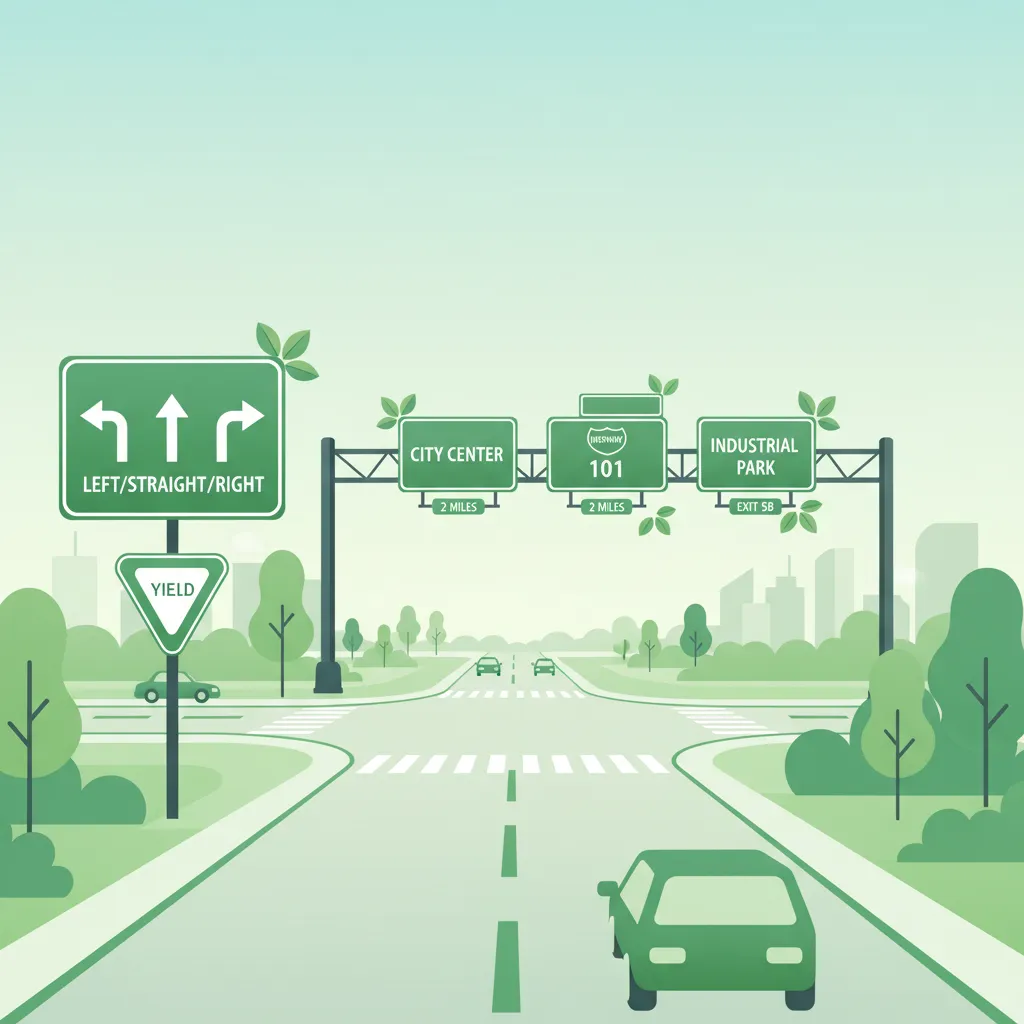
This lesson focuses on the array of signs used to manage traffic at intersections and along multi-lane roads. You will learn to interpret overhead gantry signs, lane designation signs, and markings that guide drivers into the correct lane for their intended direction. The curriculum covers signs indicating priority at upcoming junctions, such as the B3 and B4 signs, which clarify right-of-way rules in complex scenarios. Proper interpretation of these signs is essential for smooth lane changes, efficient navigation, and preventing conflicts at junctions.
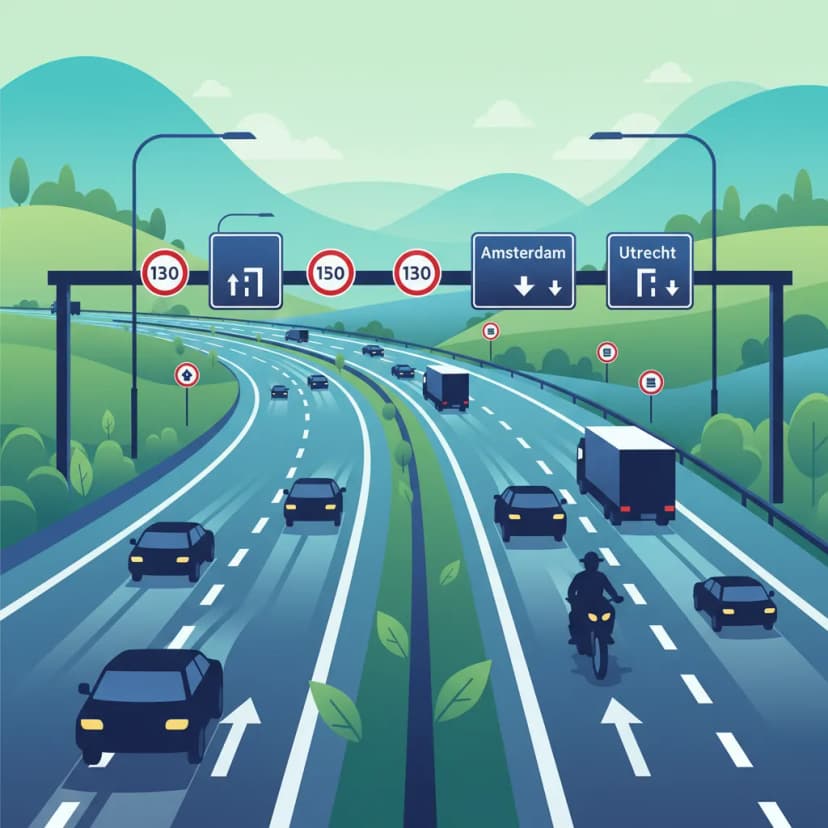
This lesson details the specific regulations for driving on Dutch motorways, identifiable by the G1 sign. You will learn the correct procedure for joining the flow of traffic using the acceleration lane and for leaving via the deceleration lane. The curriculum reinforces the 'keep right unless overtaking' rule for lane discipline. It also explains that stopping is strictly forbidden, and the hard shoulder (vluchtstrook) may only be used for genuine emergencies.

This lesson reinforces the fundamental rule of Dutch highway driving: use the rightmost lane available and use the lanes to the left only for overtaking. You will learn the complete, safe overtaking procedure: check mirrors, signal, perform a shoulder check for the blind spot, smoothly move over, accelerate past the vehicle, and then return to the right lane when safe.
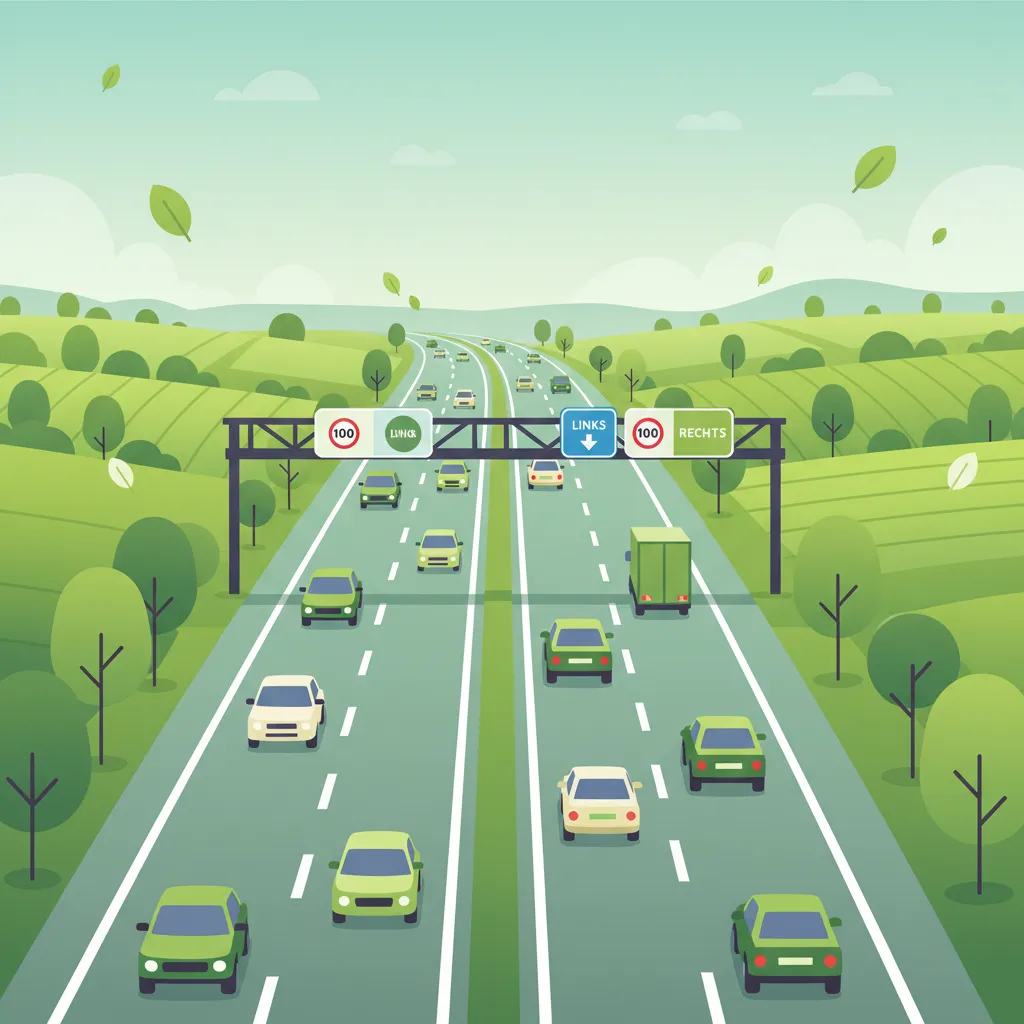
This lesson covers the specific articles of the Dutch Road Traffic Act that apply to motorways, with a primary focus on the strict rule of keeping to the rightmost available lane unless overtaking. It explains the legal and safety reasons for only passing on the left and discusses the correct positioning within a lane for maximum visibility and safety. The content also addresses the nuances of lane usage during heavy congestion, ensuring riders comply with the law and contribute to smooth traffic flow.

This lesson explores the legal meaning of various road surface markings, including solid and broken lane delimiters, directional arrows, and special-purpose lane indicators. It describes how markings dictate permitted maneuvers, such as overtaking and lane changes, and alert riders to upcoming hazards or changes in road layout. The content also examines the relationship between markings and road design in the Netherlands, emphasizing how a motorcyclist must interpret these visual cues for safe positioning.

Understand the meaning of various road markings and how they dictate your position on the road. This lesson covers the rules associated with solid and broken white lines, bicycle lane symbols, suggestion strips, and arrows painted on the road surface. Proper lane discipline, including when overtaking is permitted and how to position yourself correctly within a lane or on a cycle path, is a fundamental skill for safe and predictable riding that is tested by the CBR.
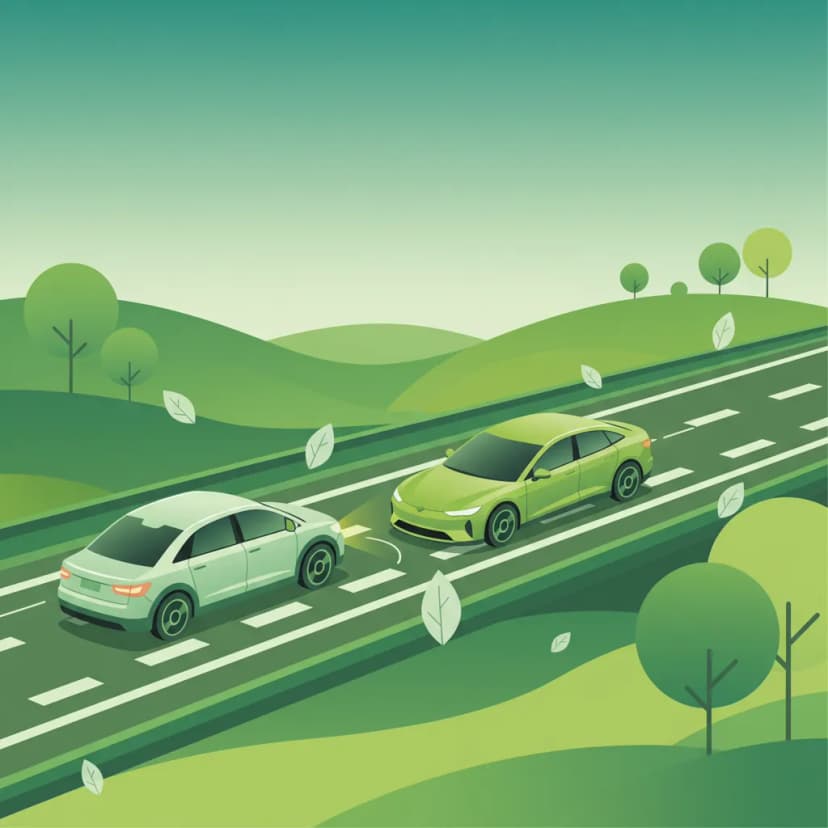
Safely merging and changing lanes requires a systematic approach known as 'mirror-signal-blind spot'. This lesson explains the correct procedure for entering a carriageway from an acceleration lane, ensuring you match the speed of the traffic flow and find a safe gap. It also covers the technique for changing lanes, emphasizing the critical importance of checking your blind spot with a shoulder check (dode hoek) before making any lateral movement to prevent collisions.
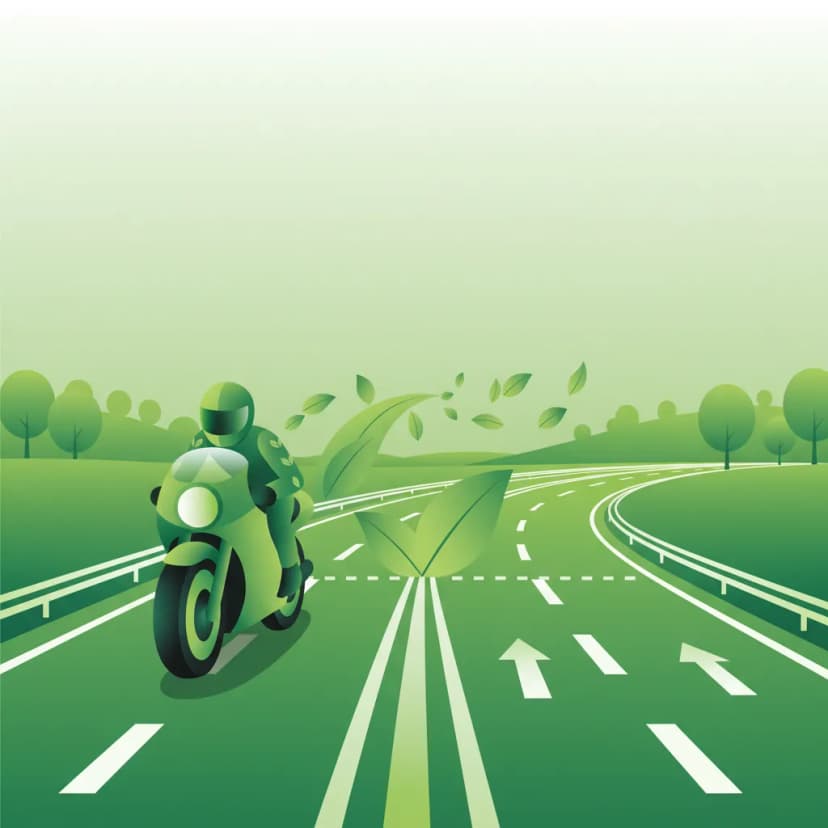
This lesson focuses on the meaning of different road markings and their implications for motorcycle lane discipline. You will learn the legal distinction between solid and broken lines regarding overtaking, how to interpret directional arrows for lane choice, and the rules for using special lanes. The content emphasizes maintaining a safe and strategic position within the lane to maximize visibility and create a safety buffer from other vehicles.

This lesson introduces warning signs, which are designed to alert drivers to potential dangers or changes in road layout ahead. You will learn to interpret the triangular-shaped signs that indicate hazards such as sharp curves, slippery road surfaces (J27), or upcoming road works (J8). The curriculum explains how these signs help in anticipating risks and adjusting driving behavior accordingly, such as reducing speed or increasing alertness. A thorough understanding of warning signs is vital for proactive and defensive driving in various environments.
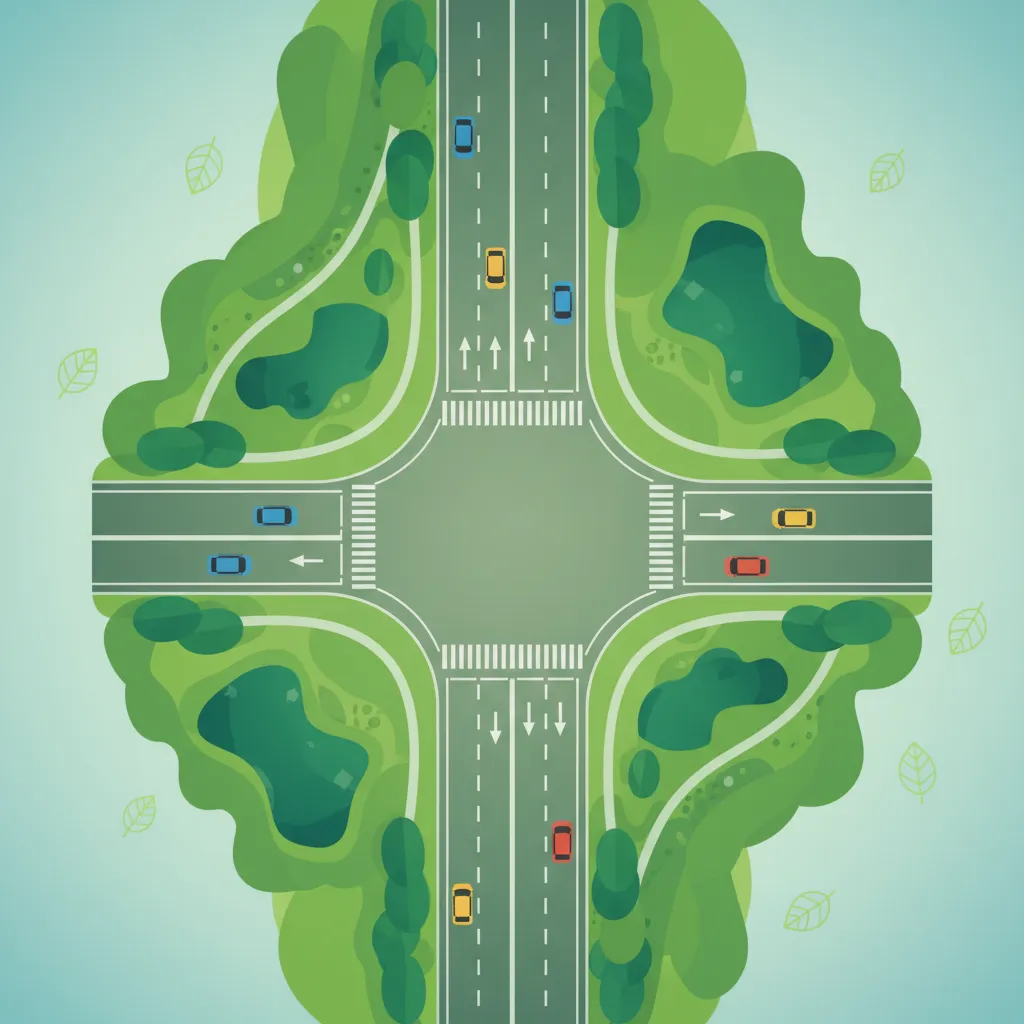
This lesson provides a detailed explanation of the various markings painted on the road surface, which are as legally binding as physical signs. It clarifies the rules associated with solid and broken white lines, including restrictions on crossing them, and the function of arrows, chevrons, and text painted in lanes. A thorough understanding of these markings is fundamental for correct lane discipline, positioning, and safe maneuvering on a motorcycle.
Learn how to interpret and navigate various special lanes and road markings through practical examples. This lesson focuses on common driver errors and provides insights into safe and correct lane usage in Dutch traffic situations.
This lesson reinforces the fundamental rule of Dutch highway driving: use the rightmost lane available and use the lanes to the left only for overtaking. You will learn the complete, safe overtaking procedure: check mirrors, signal, perform a shoulder check for the blind spot, smoothly move over, accelerate past the vehicle, and then return to the right lane when safe.
This lesson details the specific regulations for driving on Dutch motorways, identifiable by the G1 sign. You will learn the correct procedure for joining the flow of traffic using the acceleration lane and for leaving via the deceleration lane. The curriculum reinforces the 'keep right unless overtaking' rule for lane discipline. It also explains that stopping is strictly forbidden, and the hard shoulder (vluchtstrook) may only be used for genuine emergencies.
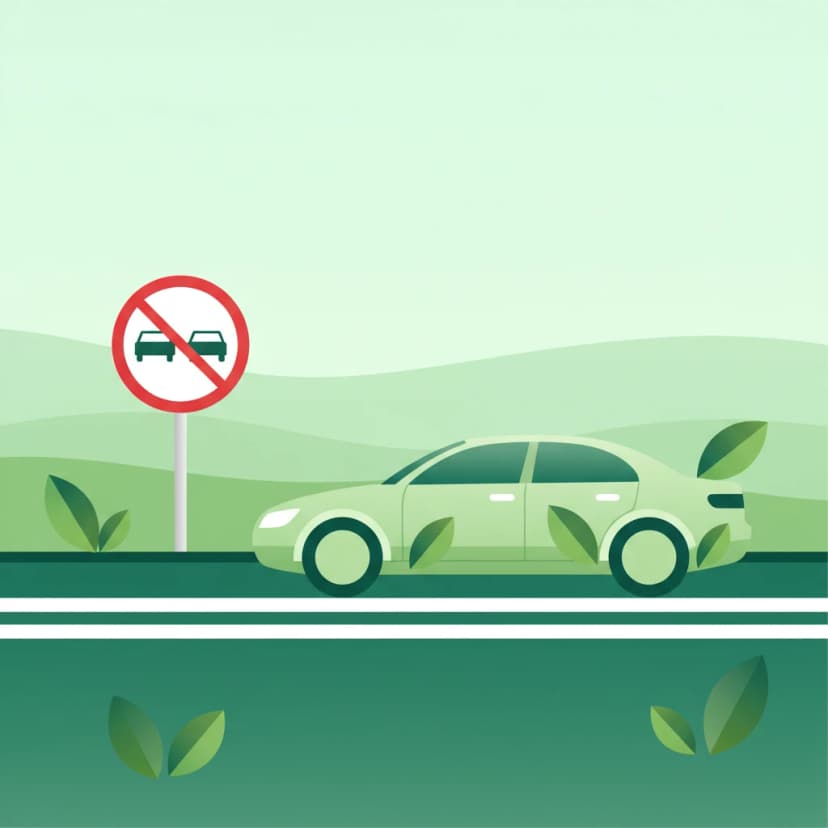
This lesson covers the core principle of road positioning in the Netherlands: drive as far to the right as is safely possible. You will learn why this rule is critical for maintaining traffic flow and preventing conflicts with oncoming and overtaking vehicles. The curriculum explains how to apply this rule on different road types, from single-lane rural roads to multi-lane motorways. It also discusses maintaining a safe lateral distance from the edge of the road, parked cars, and vulnerable road users like cyclists.
This lesson covers the specific articles of the Dutch Road Traffic Act that apply to motorways, with a primary focus on the strict rule of keeping to the rightmost available lane unless overtaking. It explains the legal and safety reasons for only passing on the left and discusses the correct positioning within a lane for maximum visibility and safety. The content also addresses the nuances of lane usage during heavy congestion, ensuring riders comply with the law and contribute to smooth traffic flow.

This lesson covers the procedures and safety considerations for driving in reverse and turning around. You will learn that reversing should only be done over short distances and when it does not endanger or obstruct other road users. The curriculum details techniques for turning in the road and identifies situations and locations where U-turns are prohibited. The importance of all-around observation, checking blind spots, and yielding to all other traffic is a central theme.
Safely merging and changing lanes requires a systematic approach known as 'mirror-signal-blind spot'. This lesson explains the correct procedure for entering a carriageway from an acceleration lane, ensuring you match the speed of the traffic flow and find a safe gap. It also covers the technique for changing lanes, emphasizing the critical importance of checking your blind spot with a shoulder check (dode hoek) before making any lateral movement to prevent collisions.
This lesson focuses on the array of signs used to manage traffic at intersections and along multi-lane roads. You will learn to interpret overhead gantry signs, lane designation signs, and markings that guide drivers into the correct lane for their intended direction. The curriculum covers signs indicating priority at upcoming junctions, such as the B3 and B4 signs, which clarify right-of-way rules in complex scenarios. Proper interpretation of these signs is essential for smooth lane changes, efficient navigation, and preventing conflicts at junctions.
Understand the meaning of various road markings and how they dictate your position on the road. This lesson covers the rules associated with solid and broken white lines, bicycle lane symbols, suggestion strips, and arrows painted on the road surface. Proper lane discipline, including when overtaking is permitted and how to position yourself correctly within a lane or on a cycle path, is a fundamental skill for safe and predictable riding that is tested by the CBR.
This lesson introduces warning signs, which are designed to alert drivers to potential dangers or changes in road layout ahead. You will learn to interpret the triangular-shaped signs that indicate hazards such as sharp curves, slippery road surfaces (J27), or upcoming road works (J8). The curriculum explains how these signs help in anticipating risks and adjusting driving behavior accordingly, such as reducing speed or increasing alertness. A thorough understanding of warning signs is vital for proactive and defensive driving in various environments.
This lesson prepares you for encountering road works, a common feature on any road network. You will learn that signs and markings related to road works are often yellow and that they temporarily override permanent white markings and signs. The curriculum stresses the importance of adhering to temporary speed limits, being alert for workers and machinery, and navigating narrowed lanes. It also covers how to follow diversion routes ('omleiding') and obey instructions given by traffic controllers.
Find clear answers to common questions learners have about Special Lanes and Road Markings. Learn how the lesson is structured, which driving theory objectives it supports, and how it fits into the overall learning path of units and curriculum progression in the Netherlands. These explanations help you understand key concepts, lesson flow, and exam focused study goals.
A 'spitsstrook' is a rush-hour lane, typically an extra lane that opens during peak traffic times. Its usage is controlled by electronic matrix signs (dynamic signs). You can only use it when these signs indicate it is open and which direction of traffic it serves. Always follow the instructions on the signs.
Yes, bus lanes are reserved for public transport vehicles like buses and trams, and sometimes taxis. You are generally not allowed to drive in a bus lane unless specific signs indicate otherwise, for example, for a short distance to access a parking bay or to turn off the road. Always check the signs and road markings.
A broken white line indicates that you may cross it to change lanes or overtake, provided it is safe to do so. A solid white line means you must not cross it to change lanes or overtake. Double lines (solid and broken) usually mean that the rule depends on which side of the line you are on.
No, generally you must not cross a solid white line, even in heavy traffic or a jam, unless you are turning into or out of a side road or a driveway. The solid line is there to maintain order and prevent dangerous lane changes. Always obey the markings.
Yes, road markings are an integral part of traffic management and often complement or reinforce what signs indicate. They provide crucial guidance on lane boundaries, directions, priority, and prohibitions. You must always pay attention to both signs and road markings, as they work together to guide traffic safely.