
Welcome to the 'Autosnelweg (Motorway) Rules' lesson, part of our 'Infrastructure and Special Roads' unit. This lesson focuses on the specific regulations for driving on Dutch motorways, helping you navigate them safely and legally. Understanding these rules is crucial for the theory exam and for confident driving on high-speed roads.
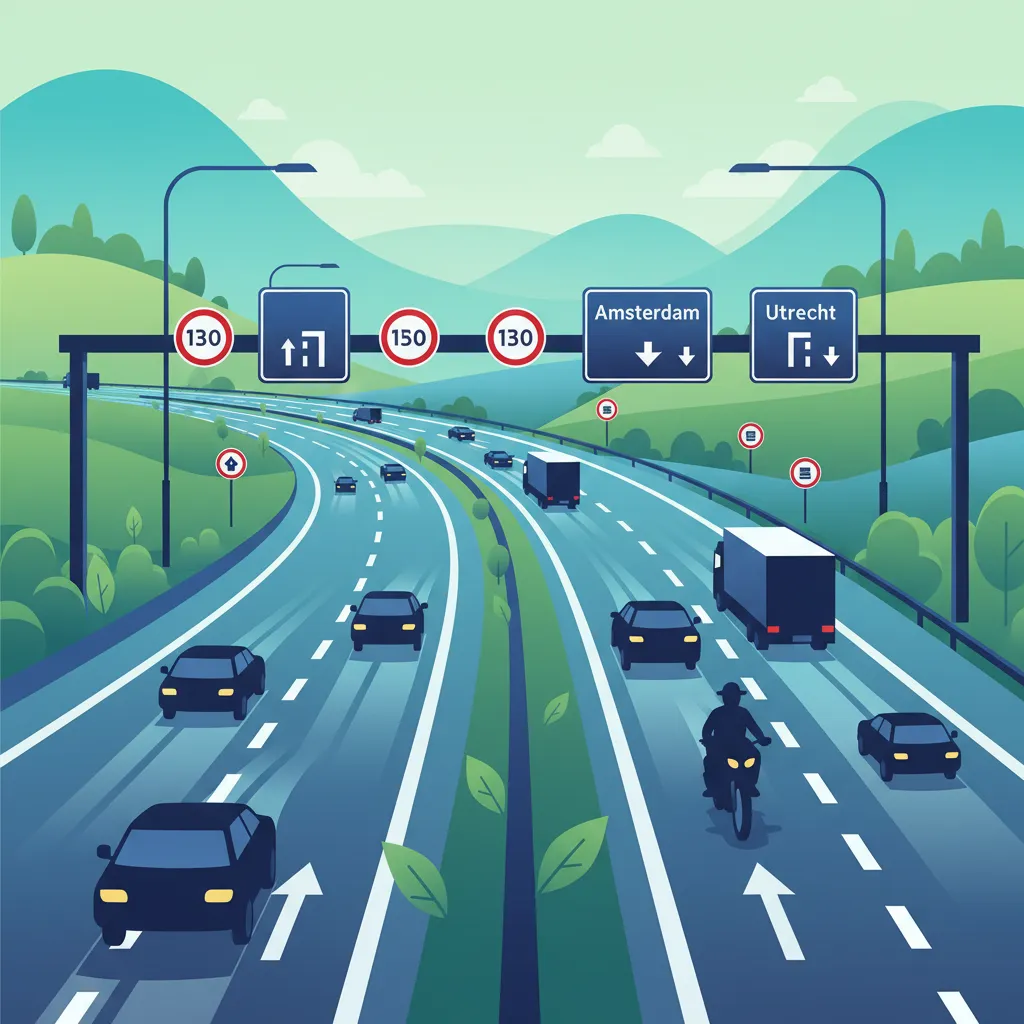
Driving on Dutch motorways, known as autosnelwegen, requires specific knowledge and disciplined adherence to traffic laws. These high-speed, high-volume roadways are designed for efficient travel, but their unique characteristics demand careful driving to ensure safety and maintain continuous traffic flow. This comprehensive guide will equip you with the essential rules, regulations, and best practices for navigating the Dutch motorway network confidently and legally.
Dutch motorways are easily identifiable by the distinctive G1 Autosnelweg sign. This sign marks the beginning of a motorway and signifies that specific rules and regulations apply. Understanding these rules is not just about legal compliance; it's fundamentally about safety, as the increased speeds on motorways amplify the consequences of any driving error.
When you see the G1 sign, you should immediately adjust your driving mindset. The environment changes from multi-purpose roads to one dedicated to high-speed vehicle movement, where pedestrian, cyclist, and slow-moving vehicle access is strictly prohibited. This dedicated infrastructure demands focused attention on lane discipline, merging, exiting, and maintaining appropriate speeds and distances.
Merging onto a motorway is a critical maneuver that requires precision and awareness. The acceleration lane, or A-baan, is specifically designed to allow vehicles to reach the prevailing speed of motorway traffic before joining the main lanes.
The A-baan is typically marked by a white arrow and a lane change sign. Its primary purpose is to facilitate a smooth transition for new traffic entering the motorway, preventing sudden braking or disruption to vehicles already traveling at high speeds. By accelerating fully in the A-baan, drivers minimize speed differences, which is crucial for reducing collision risk.
When entering the A-baan, your immediate goal is to accelerate to a speed that closely matches that of the traffic already on the motorway. As you accelerate, continuously check your mirrors and blind spots to identify a safe gap in the rightmost main lane. Signal your intention to merge well in advance.
Do not stop at the end of the acceleration lane unless absolutely necessary to avoid a collision. Hesitation or insufficient acceleration can force other drivers to brake sharply, creating a hazardous situation. Merge smoothly into the traffic flow, maintaining your speed and ensuring a safe following distance.
A frequent mistake is entering the A-baan too slowly or failing to accelerate adequately. This forces existing motorway traffic to adjust suddenly, leading to potential rear-end collisions or unsafe lane changes. Another error is lingering in the A-baan without merging, especially if it leads directly to a deceleration lane for an exit shortly after. Always be decisive and confident when merging.
Leaving a motorway is as important as joining one and also requires a dedicated lane. The deceleration lane, or B-baan, provides a safe space for drivers to reduce their speed without impacting the flow of traffic on the main motorway lanes.
The B-baan is your dedicated area to slow down. It prevents you from braking abruptly in the main traffic lanes, which could cause a pile-up, especially at high motorway speeds. Signs indicating an upcoming exit, particularly the G8 Exit sign, will alert you to prepare for your departure.
As you approach your exit, ensure you are in the correct lane well in advance. Look for the G8 sign and any accompanying information regarding your destination.
The key to a safe exit is early preparation. Signal your intention to move into the deceleration lane well before the solid white lines begin. Once you have fully entered the B-baan, you can begin to reduce your speed, matching it to the conditions of the exit ramp or the road you are joining. Do not slow down significantly while still in the main motorway lanes.
A common error is cutting across multiple lanes at the last minute to reach the deceleration lane. This is extremely dangerous and can lead to severe collisions. Another mistake is overshooting the exit and attempting to reverse or stop on the motorway, which is strictly prohibited and highly dangerous. If you miss your exit, continue to the next one and find an alternative route.
On Dutch motorways, strict lane discipline is enforced to maintain smooth traffic flow and prevent accidents. The fundamental principle is the right-hand rule: drivers must travel on the rightmost available lane unless they are overtaking or preparing for an exit.
This rule mandates that you occupy the far-right lane whenever it is free and safe to do so. You should only move to a left lane to overtake a slower vehicle. Once the overtaking maneuver is complete, and it is safe, you must return to the rightmost lane. This practice ensures that faster vehicles are not unnecessarily impeded and reduces the likelihood of "lane hogging" or erratic lane changes.
When overtaking, move to the immediate left lane only when it is safe to do so, ensuring you have sufficient space and visibility. Complete the overtake efficiently, and once you have passed the vehicle and can see it clearly in your rearview mirror, signal and return to the rightmost lane. Do not weave between lanes unnecessarily. Overtaking on the right is generally prohibited and highly dangerous, except in very specific circumstances (e.g., traffic jams where lanes are clearly defined and moving at crawl speed, or when traffic is queued and you remain in your lane while the lane to your left moves slower).
Failure to adhere to the keep-right rule can lead to fines and dangerous situations. It disrupts traffic flow, causes frustration among other drivers, and increases the risk of collisions. Unnecessary lane changes, such as cutting across multiple lanes without proper signaling or adequate gaps, are particularly hazardous.
The hard shoulder, known in Dutch as the vluchtstrook, is a crucial safety feature on motorways but its use is strictly regulated. It is reserved exclusively for genuine emergencies.
The vluchtstrook is designed to provide a safe refuge for vehicles experiencing breakdowns, medical emergencies, or other critical situations that necessitate an immediate stop. It is also vital for enabling emergency services (police, ambulances, fire brigade) to bypass traffic jams and reach incidents quickly.
You must not use the hard shoulder for routine stops, such as making a phone call, checking directions, adjusting your vehicle, or taking a rest break. These actions are strictly prohibited and can result in significant fines. Only a breakdown, a sudden medical emergency, or a situation where stopping in a traffic lane would pose an immediate and severe danger justifies using the vluchtstrook.
If you must stop on the hard shoulder due to an emergency:
A fundamental rule on Dutch motorways is the prohibition of stopping in traffic lanes. This regulation is in place to prevent sudden disruptions to high-speed traffic, which could lead to severe collisions.
It is strictly forbidden to stop your vehicle in any of the main traffic lanes on a motorway, even for a brief moment. This includes stopping due to traffic congestion, unless the traffic has completely come to a standstill. Stopping in a live lane creates an unexpected obstacle for trailing vehicles, dramatically increasing the risk of rear-end accidents. This prohibition also extends to acceleration and deceleration lanes, which are intended for continuous movement or controlled speed changes.
For routine stops, such as taking a break, using your phone, or checking your route, you must use designated rest areas (parkeerplaatsen), service stations (tankstations), or emergency parking bays (parkeerhaven or pechhaven) that are clearly signed off the motorway. These areas are designed for safe stopping and provide amenities for drivers. Always plan your journey to include appropriate rest stops.
Speed management and maintaining a safe following distance are paramount on Dutch motorways. These factors directly influence your stopping distance and reaction time.
The default national speed limit on Dutch motorways is 100 km/h during specific hours (usually between 06:00 and 19:00). Outside these hours, or on specific sections, the limit can be 120 km/h or even 130 km/h as indicated by overhead gantries or roadside signs. It is crucial to always observe the posted speed limits, which can vary based on time of day, location, and real-time traffic or weather conditions.
Speed limits are strictly enforced, often with fixed speed cameras and average speed checks (trajectcontrole). Always be aware of your speed and adjust it according to signage and prevailing conditions.
Maintaining a safe following distance is critical for reacting to sudden changes in traffic. The recommended guideline is the two-second rule:
At 100 km/h, your vehicle travels approximately 27.8 meters per second. A two-second gap provides approximately 55-56 meters of reaction and initial braking distance, though actual stopping distance will be longer. In adverse conditions like rain, fog, or heavy traffic, you should increase this following distance to three seconds or more.
Motorways can present additional challenges during adverse weather or at night. Adapting your driving style and vehicle lighting is essential for safety.
Understanding common violations helps drivers avoid dangerous situations and legal penalties.
The Dutch traffic regulations, primarily outlined in the Reglement verkeersregels en verkeerstekens 1990 (RVV 1990), govern all aspects of motorway driving. Adhering to these specific articles is mandatory for all drivers.
These regulations are designed to ensure safety, efficiency, and predictability on high-speed roads. Understanding the legal basis behind these rules reinforces their importance for every driver.
Driving on Dutch motorways is a common part of everyday travel, but it requires a distinct set of skills and adherence to specific rules. By understanding and practicing the correct procedures for entering (A-baan) and exiting (B-baan) motorways, maintaining strict lane discipline (keep right unless overtaking), and respecting the hard shoulder (vluchtstrook) as an emergency-only zone, you contribute significantly to road safety.
Always be mindful of speed limits, maintain a safe following distance, and adapt your driving to prevailing weather and light conditions. Familiarity with the G1 (motorway) and G8 (exit) signs, along with other motorway-specific signage, is crucial for anticipation and safe maneuvering. Responsible motorway driving not only keeps you safe but also ensures a smooth and efficient experience for all road users, upholding the principles of Dutch traffic law.
Lesson content overview
Explore all units and lessons included in this driving theory course.
Explore search topics learners often look for when studying Autosnelweg (Motorway) Rules. These topics reflect common questions about road rules, driving situations, safety guidance, and lesson level theory preparation for learners in the Netherlands.
Browse additional driving theory lessons that cover connected traffic rules, road signs, and common driving situations related to this topic. Improve your understanding of how different rules interact across everyday traffic scenarios.
Deepen your understanding of complex scenarios on Dutch motorways. Explore specific rules for emergency lanes, unusual road markings, and challenging exit/entry situations beyond the basics. Essential theory for safe driving.
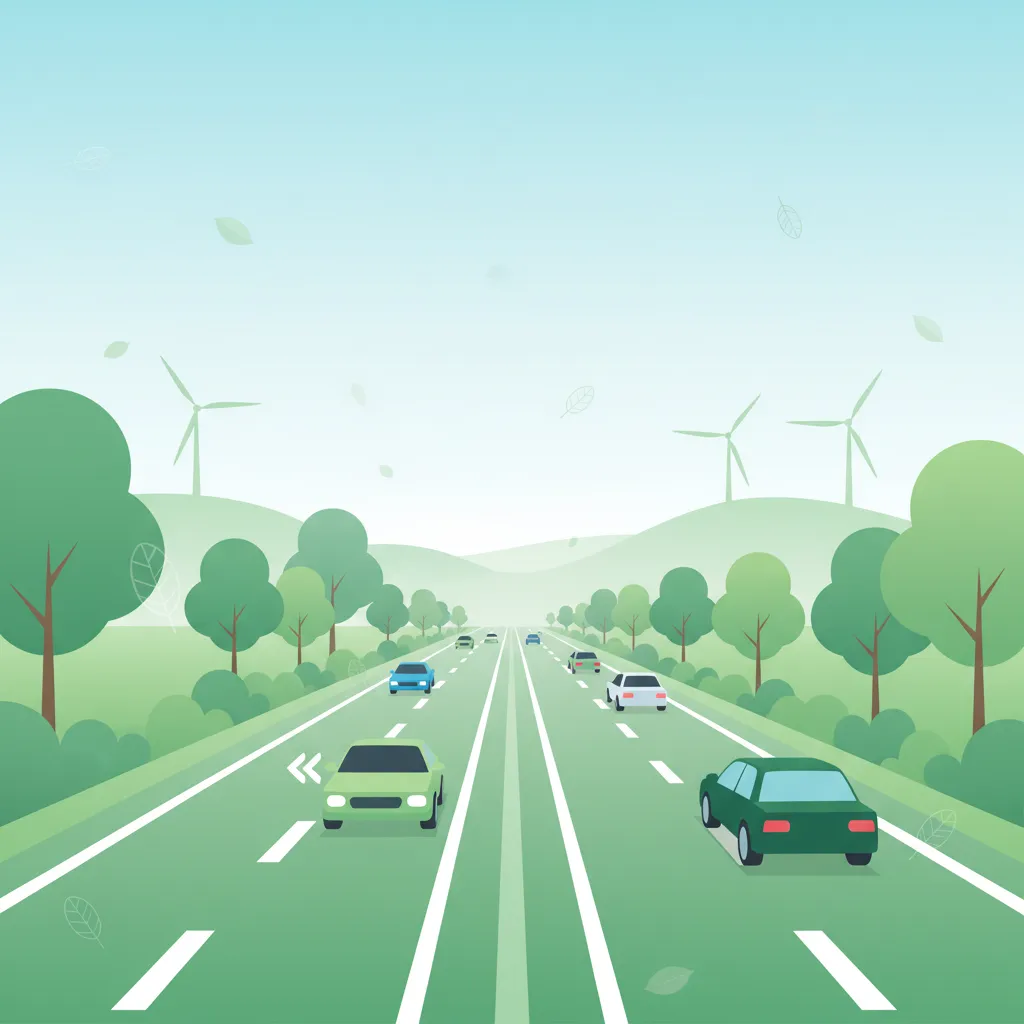
This lesson reinforces the fundamental rule of Dutch highway driving: use the rightmost lane available and use the lanes to the left only for overtaking. You will learn the complete, safe overtaking procedure: check mirrors, signal, perform a shoulder check for the blind spot, smoothly move over, accelerate past the vehicle, and then return to the right lane when safe.
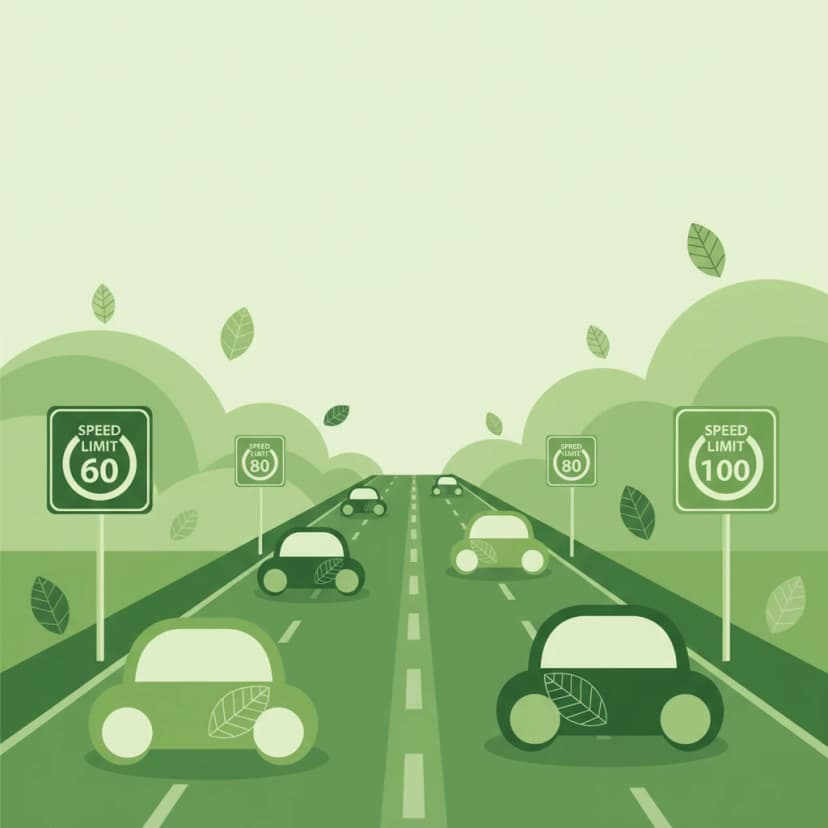
This lesson focuses on the specific speed regulations for major highways in the Netherlands. You will learn to identify an 'autosnelweg' (motorway, G1 sign), where the speed limit is 100 km/h between 6:00 and 19:00 and often 130 km/h at other times, unless indicated otherwise. The lesson also covers the 'autoweg' (expressway, G3 sign), which typically has a speed limit of 100 km/h. Furthermore, you will study dynamic speed limits indicated on electronic signs, which can change due to traffic or weather conditions.
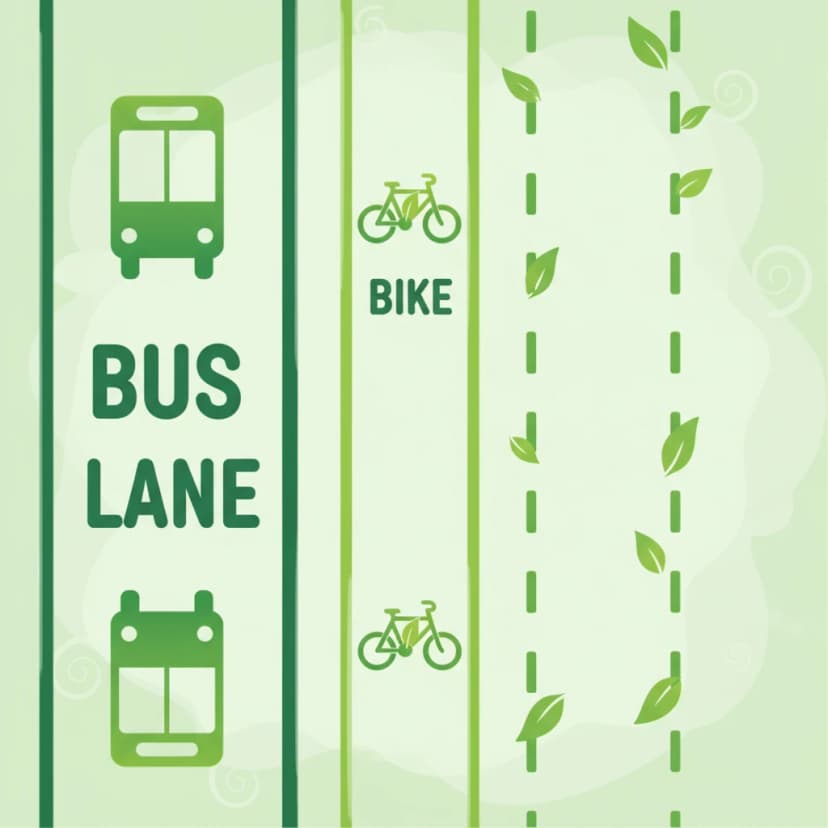
This lesson covers a variety of lanes and markings with specific rules. You will learn to recognize and respect bus lanes, which are reserved for public transport, and rush-hour lanes (spitsstrook), which are only open during busy periods as indicated by electronic signs. The curriculum also explains the meaning of different line types (solid, broken, double lines) that dictate whether lane changes or overtaking are permitted. Understanding these special lanes and markings is key to navigating Dutch infrastructure correctly.
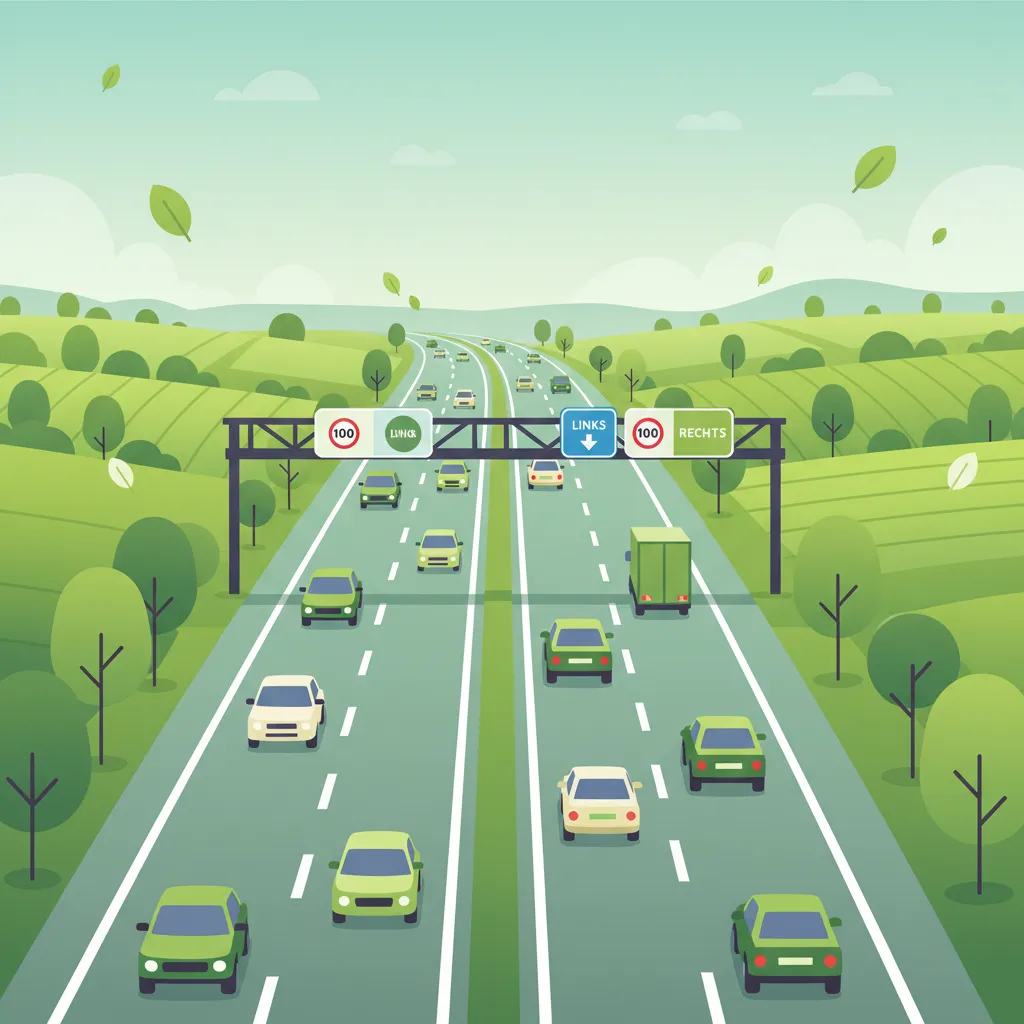
This lesson covers the specific articles of the Dutch Road Traffic Act that apply to motorways, with a primary focus on the strict rule of keeping to the rightmost available lane unless overtaking. It explains the legal and safety reasons for only passing on the left and discusses the correct positioning within a lane for maximum visibility and safety. The content also addresses the nuances of lane usage during heavy congestion, ensuring riders comply with the law and contribute to smooth traffic flow.
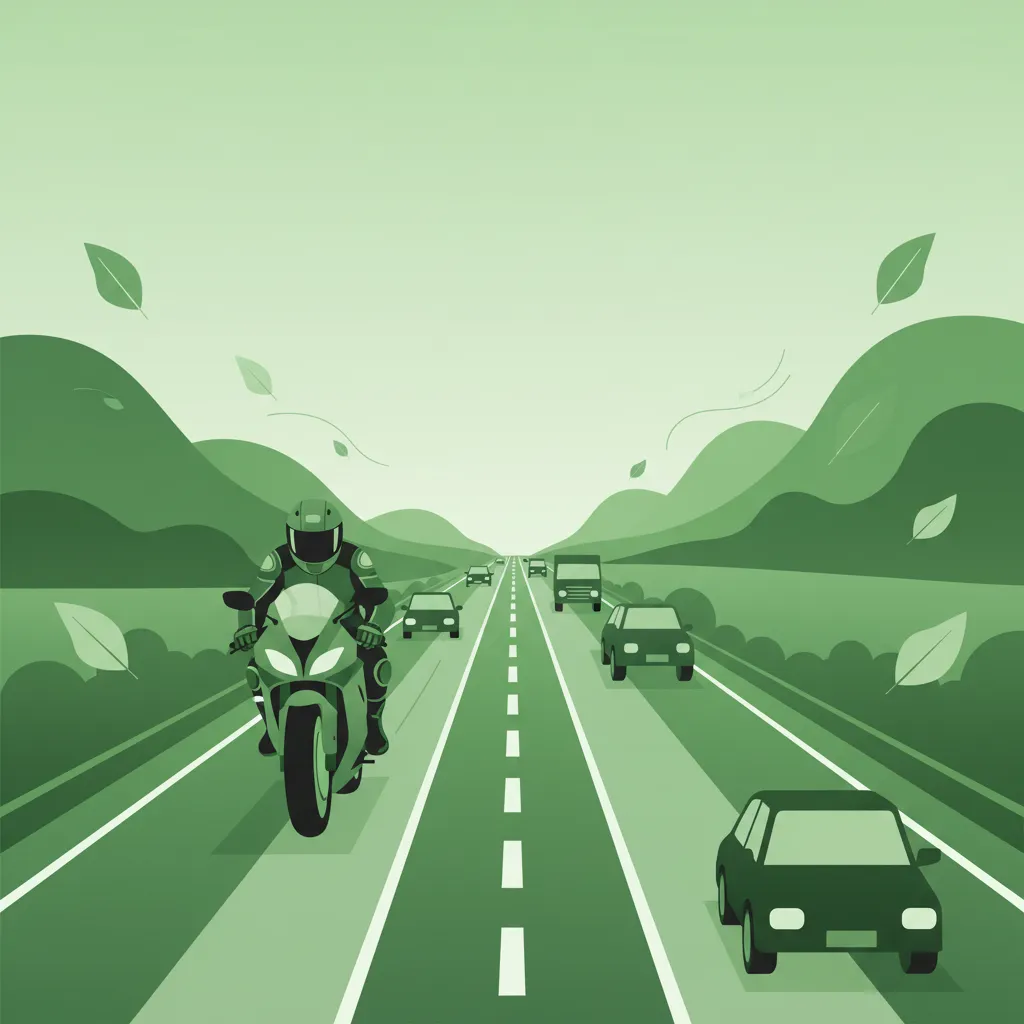
This lesson focuses on the unique demands of riding at sustained high speeds on motorways ('snelwegen'). It covers essential topics such as strict lane discipline, safe overtaking procedures, and maintaining a greater following distance to compensate for higher reaction and braking times. The content also addresses the physical and mental challenges, including managing wind blast, increased noise levels, and maintaining heightened situational awareness over long distances to combat fatigue.
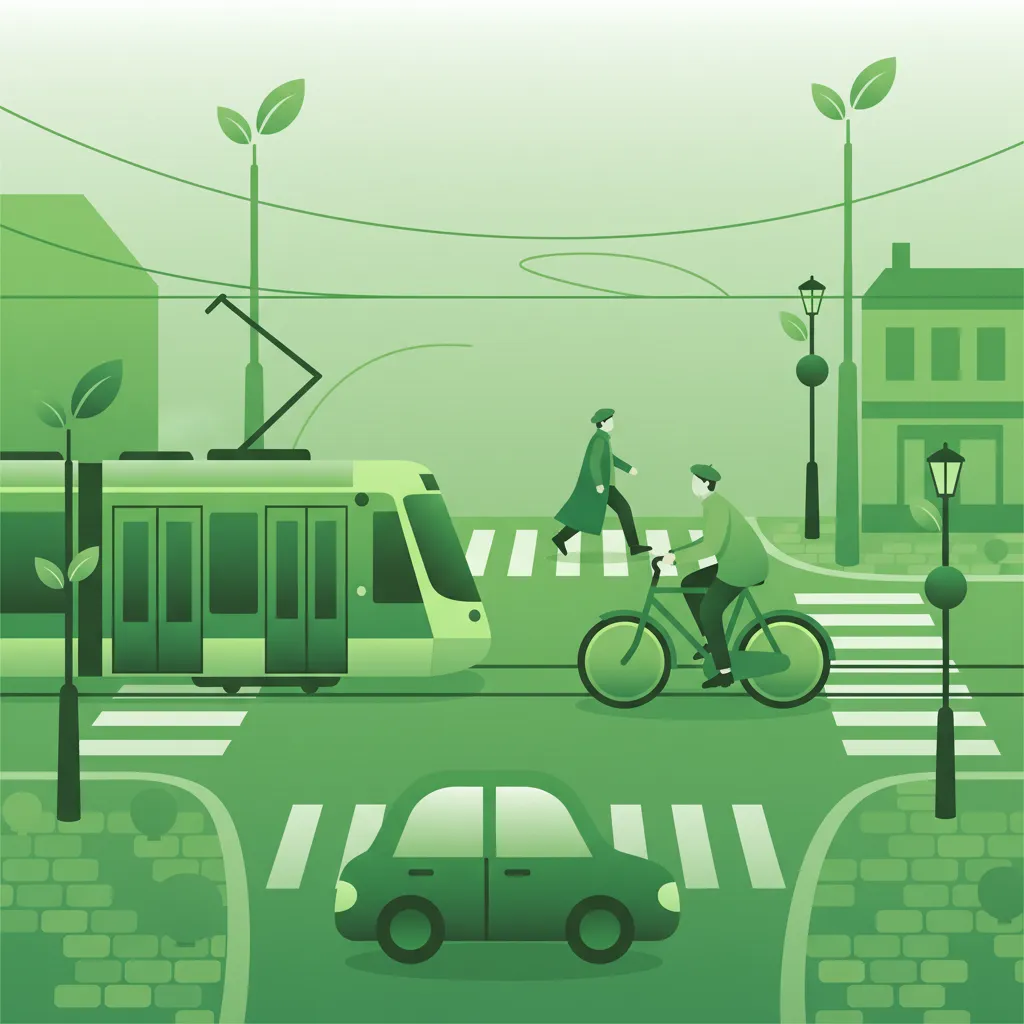
This lesson addresses special situations where standard priority rules are superseded. You will learn the absolute priority of emergency vehicles using sirens and flashing lights, and the correct procedure for giving them way safely. The content also explains the specific priority rules for trams, which often have right-of-way over other traffic, as well as for military columns and official funeral processions. Furthermore, the lesson reinforces the rules for yielding to pedestrians at designated zebra crossings.
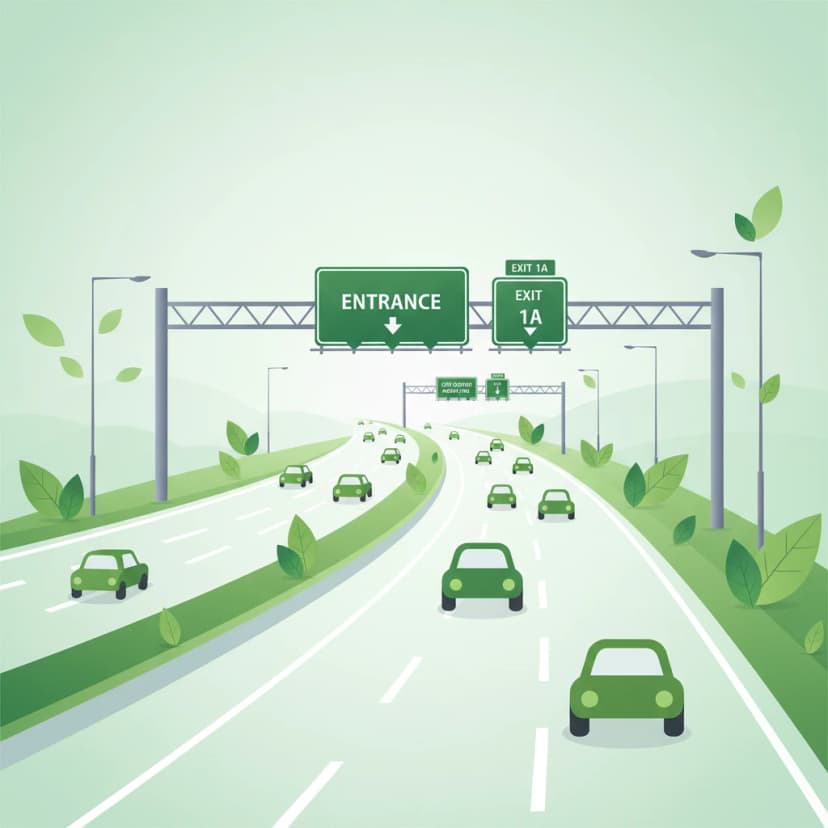
This lesson clarifies the features of an 'autoweg,' indicated by the G3 sign. Unlike motorways, autowegen can have intersections at the same level (crossroads and traffic lights) and generally lack a hard shoulder. You will learn to recognize different types of autowegen by their central road markings, which indicate the speed limit and whether overtaking is permitted. Understanding these distinctions is crucial for applying the correct speed and driving behavior on these high-speed roads.
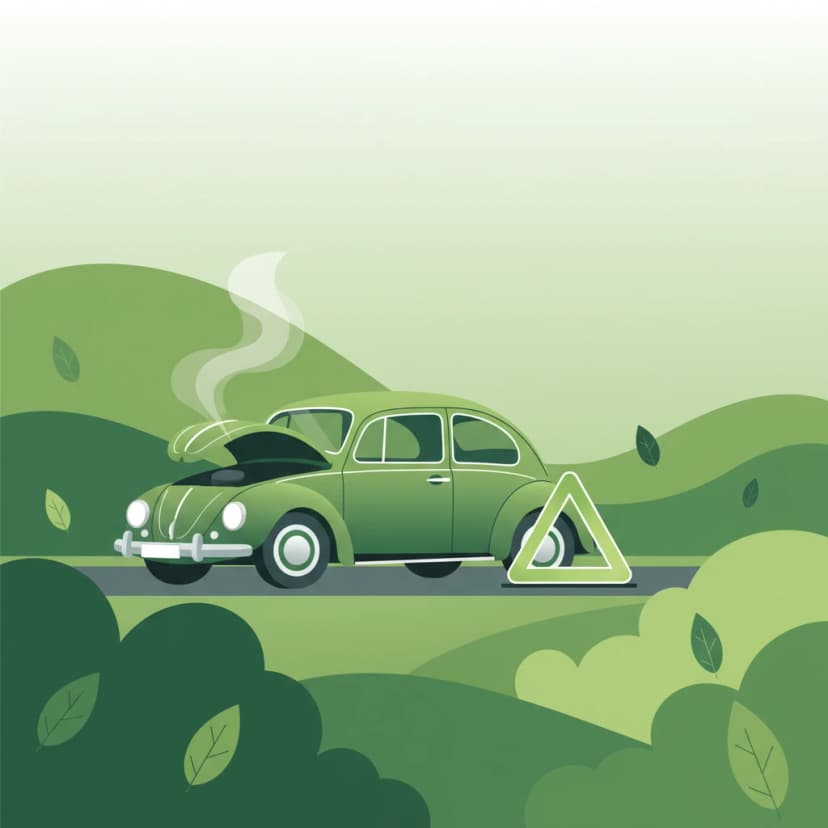
This lesson provides a clear action plan for when your car breaks down. You will learn to pull over to a safe location, preferably the hard shoulder on a motorway, and immediately activate your hazard warning lights. The curriculum explains the legal requirement to place a warning triangle a suitable distance behind the vehicle (if safe to do so) and the strong recommendation to wear a high-visibility jacket. Crucially, it instructs that all occupants should exit the vehicle on the safe side and wait behind the guardrail for assistance.
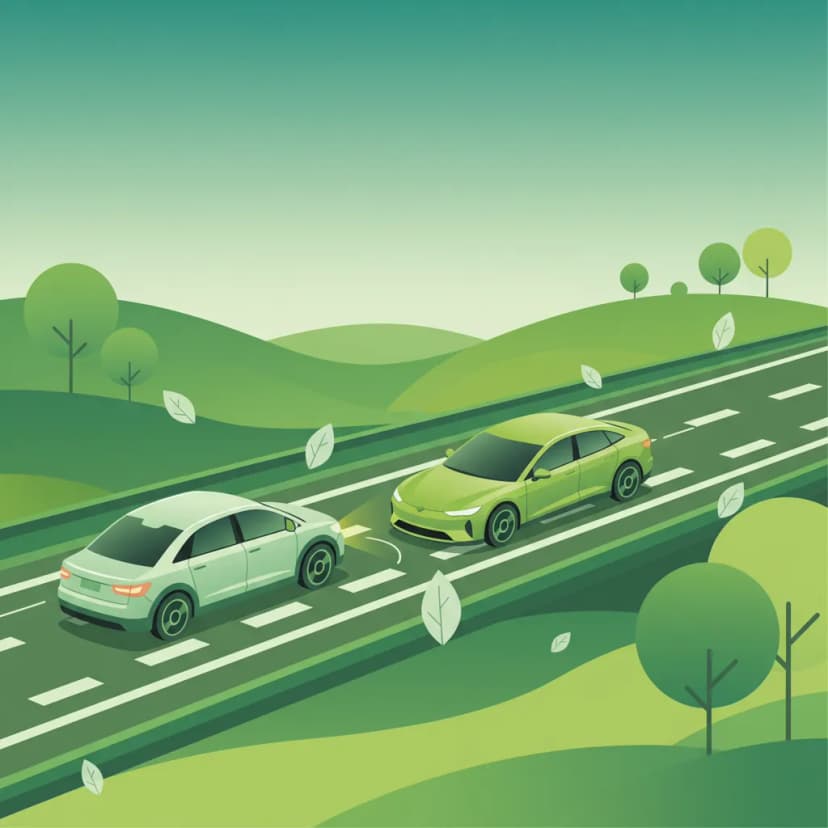
Safely merging and changing lanes requires a systematic approach known as 'mirror-signal-blind spot'. This lesson explains the correct procedure for entering a carriageway from an acceleration lane, ensuring you match the speed of the traffic flow and find a safe gap. It also covers the technique for changing lanes, emphasizing the critical importance of checking your blind spot with a shoulder check (dode hoek) before making any lateral movement to prevent collisions.

This lesson details the critical manoeuvres of entering and exiting a highway. You will learn to use the full length of the on-ramp to accelerate to the speed of the highway traffic before looking for a safe gap to merge into. The content also covers the process of exiting, including signaling early, moving into the deceleration lane, and adjusting your speed for the off-ramp curve.
Understand the specific context of Dutch motorways, including common driver errors, risks associated with high speeds, and how adverse weather or night driving impacts safety. Learn to mitigate dangers for your theory test.
This lesson focuses on the unique demands of riding at sustained high speeds on motorways ('snelwegen'). It covers essential topics such as strict lane discipline, safe overtaking procedures, and maintaining a greater following distance to compensate for higher reaction and braking times. The content also addresses the physical and mental challenges, including managing wind blast, increased noise levels, and maintaining heightened situational awareness over long distances to combat fatigue.
This lesson focuses on the specific speed regulations for major highways in the Netherlands. You will learn to identify an 'autosnelweg' (motorway, G1 sign), where the speed limit is 100 km/h between 6:00 and 19:00 and often 130 km/h at other times, unless indicated otherwise. The lesson also covers the 'autoweg' (expressway, G3 sign), which typically has a speed limit of 100 km/h. Furthermore, you will study dynamic speed limits indicated on electronic signs, which can change due to traffic or weather conditions.
This lesson reinforces the fundamental rule of Dutch highway driving: use the rightmost lane available and use the lanes to the left only for overtaking. You will learn the complete, safe overtaking procedure: check mirrors, signal, perform a shoulder check for the blind spot, smoothly move over, accelerate past the vehicle, and then return to the right lane when safe.
This lesson covers the specific articles of the Dutch Road Traffic Act that apply to motorways, with a primary focus on the strict rule of keeping to the rightmost available lane unless overtaking. It explains the legal and safety reasons for only passing on the left and discusses the correct positioning within a lane for maximum visibility and safety. The content also addresses the nuances of lane usage during heavy congestion, ensuring riders comply with the law and contribute to smooth traffic flow.

This lesson revisits the concept of following distance, emphasizing its heightened importance in the high-speed motorway environment. It explains how increased speeds dramatically lengthen both reaction and braking distances, making a minimum two-to-three-second gap absolutely critical for safety. The content also stresses the importance of maintaining a space cushion to the sides, creating potential escape routes in case of sudden incidents in adjacent lanes.
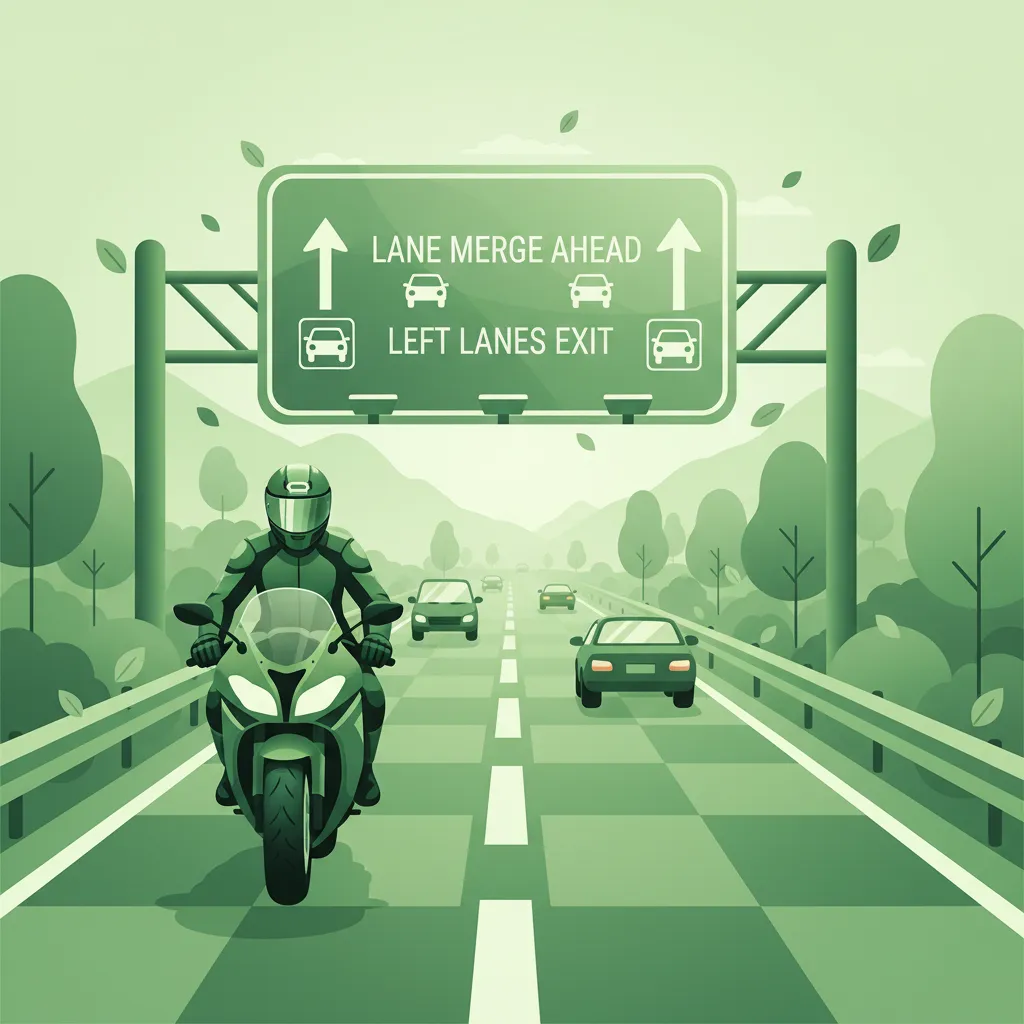
This lesson prepares you for the unique dangers of high-speed highway riding. You will learn to scan for and navigate road hazards like debris, potholes, and slippery steel expansion joints on bridges. The content also addresses the powerful air turbulence created by large trucks that can upset a motorcycle's stability and the mental challenge of maintaining focus on long, monotonous stretches of road.
This lesson clarifies the features of an 'autoweg,' indicated by the G3 sign. Unlike motorways, autowegen can have intersections at the same level (crossroads and traffic lights) and generally lack a hard shoulder. You will learn to recognize different types of autowegen by their central road markings, which indicate the speed limit and whether overtaking is permitted. Understanding these distinctions is crucial for applying the correct speed and driving behavior on these high-speed roads.
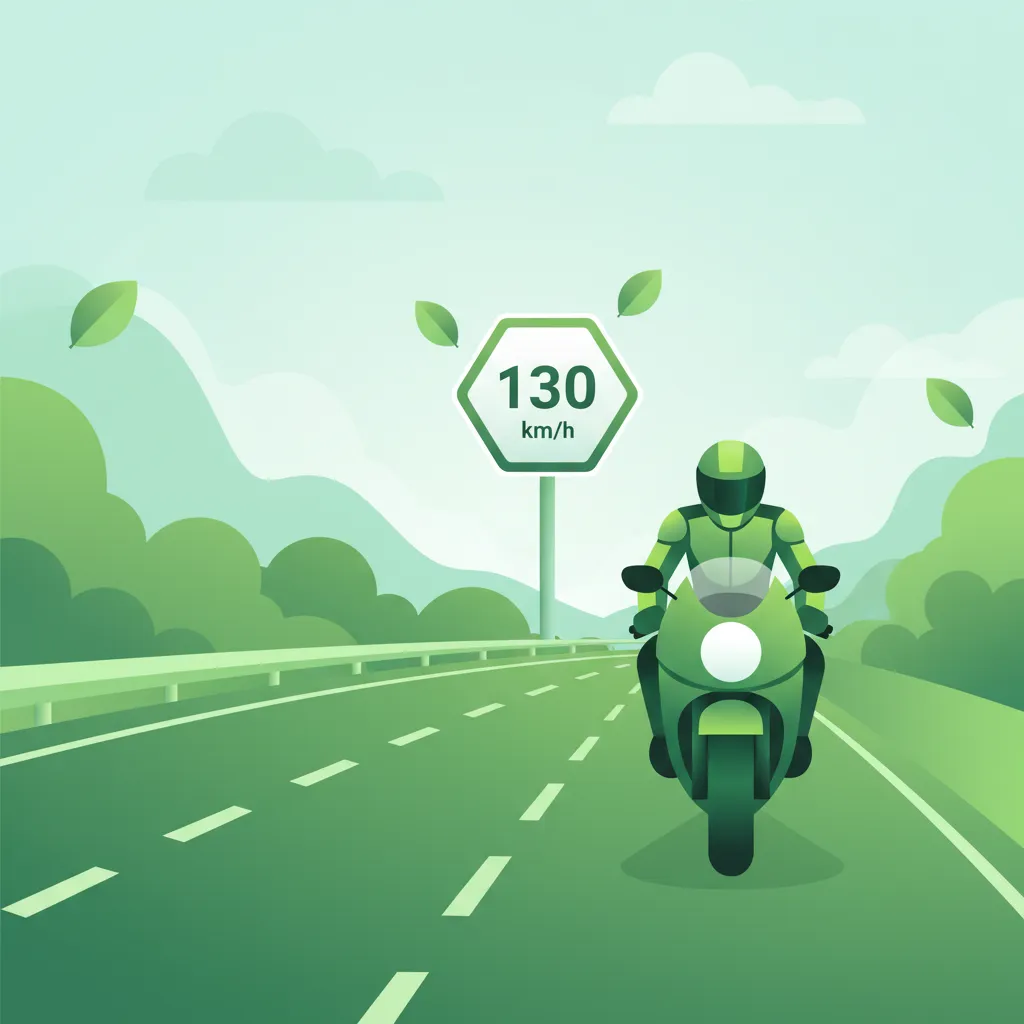
This lesson focuses on the specific skills required for managing speed on high-speed highways (autosnelwegen). You will learn the correct technique for accelerating on the on-ramp to smoothly merge with traffic flow. The content covers how to choose an appropriate cruising speed, maintain a safe following distance, and manage the aerodynamic effects of wind and turbulence from larger vehicles at high speeds.
This lesson transitions hazard perception skills to the high-speed environment of motorways and tunnels. It covers specific risks such as vehicles merging at different speeds, sudden braking and congestion ahead, road debris, and the aerodynamic effects of crosswinds and large trucks. The curriculum also addresses the challenges of riding in tunnels, including changes in light and surface conditions, and the importance of identifying emergency exits and procedures in case of an incident.

This lesson explains how to respond to variable speed limits shown on overhead electronic signs, which are used to manage traffic flow in real-time. You will learn why these limits are adjusted for factors like congestion, accidents, or bad weather, and the legal requirement to obey them. The content focuses on the importance of anticipatory riding, scanning far ahead for these signs to allow for smooth and safe speed adjustments.
Find clear answers to common questions learners have about Autosnelweg (Motorway) Rules. Learn how the lesson is structured, which driving theory objectives it supports, and how it fits into the overall learning path of units and curriculum progression in the Netherlands. These explanations help you understand key concepts, lesson flow, and exam focused study goals.
An autosnelweg (motorway) is typically a higher-standard road with more lanes, a higher speed limit (often 130 km/h, sometimes 120 or 100 km/h), and access only via specific on- and off-ramps. An autoweg (expressway) is a similar road but may have slightly lower standards, potentially with junctions at grade, and a general speed limit of 100 km/h. Both require adherence to specific rules regarding joining, lane discipline, and exiting.
The hard shoulder on a Dutch motorway is strictly for genuine emergencies. This includes vehicle breakdowns, sudden medical issues, or accidents. It is not for stopping to rest, make a phone call, or as an extra lane for traffic, even during peak hours, unless explicitly indicated by electronic signs (which is rare and temporary).
When merging, use the acceleration lane to match the speed of the traffic already on the motorway. Look far ahead to identify a safe gap, signal your intention to merge, and accelerate to match the flow. Once you are at speed and have a gap, steer smoothly into the right-hand lane. Avoid stopping in the acceleration lane unless absolutely necessary due to traffic congestion.
The most important rule is to keep to the right as much as possible ('houd rechts, tenzij inhalen'). This means you should use the rightmost lane for normal driving. Only use the middle or left lanes for overtaking slower vehicles. Once you have overtaken, you must move back to the right lane promptly.
Yes, you must use the deceleration lane (uitritstrook) provided for exiting. Signal your intention to exit well in advance. Enter the deceleration lane and reduce your speed gradually. Do not slow down abruptly on the main carriageway or brake hard while still in the lane you were travelling in.