
This lesson focuses on the crucial legal limits for alcohol consumption while driving in the Netherlands. We’ll break down the difference between the 0.5 promille limit for experienced drivers and the stricter 0.2 promille limit for novice drivers. Understanding these rules is vital for your Category B driving theory exam and for ensuring road safety.
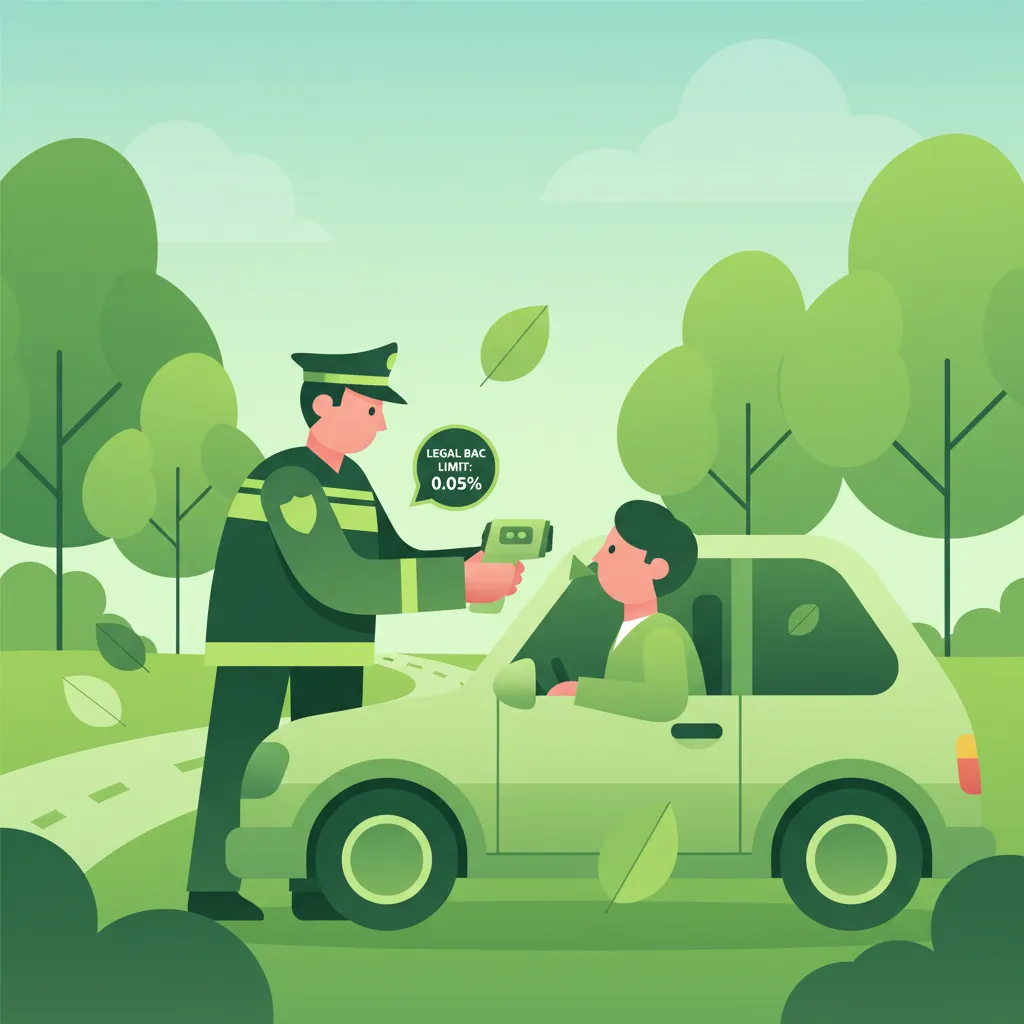
Driving a vehicle requires full concentration, quick reaction times, and sound judgment. Alcohol, even in small quantities, significantly impairs these critical abilities, posing a severe risk to road safety. To mitigate this danger, the Netherlands, like many other countries, enforces strict legal limits on Blood Alcohol Concentration (BAC) for drivers. Understanding these limits, how they are enforced, and the severe consequences of violating them is fundamental for anyone holding a driving license in the Netherlands. This lesson provides a comprehensive overview of Dutch BAC regulations, focusing on the differences for novice and experienced drivers, measurement methods, and the underlying safety rationale.
Before delving into the specific legal thresholds, it is essential to understand what Blood Alcohol Concentration (BAC) means and why it is a critical factor in driving safety.
BAC, or Blood Alcohol Concentration, refers to the amount of alcohol present in a person's blood. In the Netherlands, it is typically expressed in promille (‰). One promille signifies that there is one gram of alcohol per liter of blood (or one part of alcohol per thousand parts of blood).
This measurement directly indicates the level of intoxication. A higher promille value means more alcohol in the bloodstream and, consequently, greater impairment of cognitive and motor functions. It's a precise, scientific way to quantify how much alcohol has been absorbed into your body, rather than relying on subjective feelings.
Alcohol is a central nervous system depressant. Its effects are far-reaching and directly compromise all skills necessary for safe driving. These impairments include:
These combined effects drastically increase the likelihood of accidents. The legal BAC limits are set specifically to minimize these risks, reflecting empirical and legal standards designed to protect public safety.
The Netherlands employs a system of differentiated BAC limits, which means the acceptable amount of alcohol depends on a driver's experience level. This approach reflects a zero-tolerance stance for new license holders, recognizing their lack of experience on the road.
For drivers categorized as novice drivers, a strict BAC limit applies:
This limit is exceptionally low and effectively functions as a near zero-tolerance policy. For most individuals, consuming even a single alcoholic drink can easily push their BAC over this 0.2 promille threshold. The rationale is to minimize risk among drivers who have less experience navigating complex traffic situations and handling unforeseen events on the road. This strict regulation is a crucial part of Dutch traffic law designed to instill responsible driving habits from the outset.
Drivers who have held their license for a longer period fall under a slightly less stringent, but still strict, limit:
While this limit allows for a small margin compared to novice drivers, it does not mean that consuming alcohol before driving is advised. Even below 0.5 promille, alcohol can still impair driving ability. This limit acknowledges a greater accumulation of driving skill and responsibility over time, but still enforces a high standard of sobriety to ensure public safety. Driving with a BAC above 0.5 promille is a serious traffic offense.
The distinction between a novice and an experienced driver in the Netherlands is based on the duration a driver has held their driving license, as specified in § 4 of the RVV 1990 (Reglement Verkeersregels en Verkeerstekens).
It is a common misunderstanding to assume that age equals experience. The crucial factor is the time elapsed since the first issuance of the driving license, regardless of the driver's current age. For example, a 30-year-old who obtained their license only two years ago is still subject to the 0.2 promille limit.
Always know your license status. If you are unsure whether you are still considered a novice driver, check the issue date on your driving license. The five-year rule is critical for determining your applicable BAC limit.
Police in the Netherlands use specific methods and devices to measure a driver's BAC. The most common and primary method involves portable breathalyzer devices.
When police suspect a driver may be driving under the influence of alcohol, they will typically conduct a roadside breath test using a portable breathalyzer device. This procedure is generally as follows:
For breathalyzer results to be legally valid and admissible in court, strict standards regarding device maintenance and procedural correctness must be met, as outlined in § 3 of the RVV 1990.
While breathalyzers are generally reliable, it's important to understand that no system is infallible. Factors like recent mouthwash use, certain medical conditions, or even extreme environmental temperatures can potentially influence readings. However, strict protocols are in place to minimize such errors.
Driving with a BAC above the legal limit is a serious offense in the Netherlands, carrying significant legal consequences designed to deter impaired driving and protect public safety. The severity of the penalty depends on the level of BAC, whether it's a first offense, and the driver's license status (novice or experienced).
Violations of BAC limits can lead to a range of penalties:
In the context of BAC violations, Dutch law distinguishes between traffic offenses and traffic crimes:
The penalties for driving under the influence are severe and cumulative. Repeat offenses lead to harsher punishments, including longer license suspensions and greater financial penalties. Ignorance of the law is not an excuse.
Understanding how BAC is influenced and the potential for measurement variability is crucial for responsible driving.
Several personal factors determine how quickly alcohol is absorbed into the bloodstream and subsequently metabolized:
While breathalyzers are sophisticated instruments, certain factors can influence their accuracy:
It is important to note that these potential error sources do not mean breathalyzer tests are unreliable. Official tests conducted by the police follow strict protocols precisely to minimize these variables and ensure robust evidence.
Given the severe risks and legal consequences associated with impaired driving, the safest and most responsible approach is clear.
The most straightforward and effective strategy to avoid violating BAC limits and endangering yourself and others is simply not to drink any alcohol if you plan to drive.
If you're going out and anticipate consuming alcohol, always plan alternative transportation. Designate a sober driver, use public transport, call a taxi, or arrange for someone to pick you up. There is no safe amount of alcohol when it comes to driving.
Relying on "feeling sober" is a dangerous misconception. Alcohol impairs judgment, making it difficult for an individual to accurately assess their own level of impairment. Even below the legal limit, your driving abilities can be compromised. The only truly safe BAC for driving is 0.0 promille.
Many drivers mistakenly believe that if they feel fine, they are safe to drive. However, the physiological effects of alcohol begin long before a person "feels" drunk, and certainly before reaching the legal limit. Subtle impairments in judgment, reaction time, and coordination can occur after just one or two drinks, increasing crash risk significantly.
The legal limits are established minimums; they do not imply that driving with a BAC just below the limit is entirely safe. They are legal thresholds for criminal culpability, not a guideline for safe driving practice.
Understanding BAC limits is interconnected with several other crucial aspects of driving theory:
Lesson content overview
Explore all units and lessons included in this driving theory course.
Explore search topics learners often look for when studying Legal Blood Alcohol Concentration (BAC) Limits. These topics reflect common questions about road rules, driving situations, safety guidance, and lesson level theory preparation for learners in the Netherlands.
Browse additional driving theory lessons that cover connected traffic rules, road signs, and common driving situations related to this topic. Improve your understanding of how different rules interact across everyday traffic scenarios.
Explore the combined effects of alcohol, drugs, and medication on driving skills. Understand the risks and legal implications in Dutch traffic law for impaired driving beyond just alcohol.

This lesson explores the physiological and cognitive effects of alcohol on a driver. You will learn how alcohol acts as a depressant on the central nervous system, leading to a measurable decrease in reaction speed, blurred vision, and a loss of coordination. The curriculum explains how alcohol impairs judgment, often leading to increased risk-taking and a failure to perceive hazards. Understanding these dangerous effects reinforces the critical importance of separating drinking from driving completely.
This lesson extends the topic of impaired driving to include illegal drugs and certain medications. You will learn that the Netherlands has a zero-tolerance policy for driving under the influence of many illegal substances, enforced with saliva tests. The curriculum also highlights the importance of checking for warnings on prescription and over-the-counter medicines, often indicated by a yellow sticker, as many can cause drowsiness or impair concentration. The driver is always responsible for ensuring they are fit to drive.
This lesson covers the critical topic of impaired riding, detailing the legal blood alcohol limits for drivers in the Netherlands. It explains how alcohol, illegal drugs, and even some legal medications drastically impair judgment, coordination, and reaction time, making riding a motorcycle extremely dangerous. The severe legal penalties, including fines, license suspension, and imprisonment, are also clearly outlined.
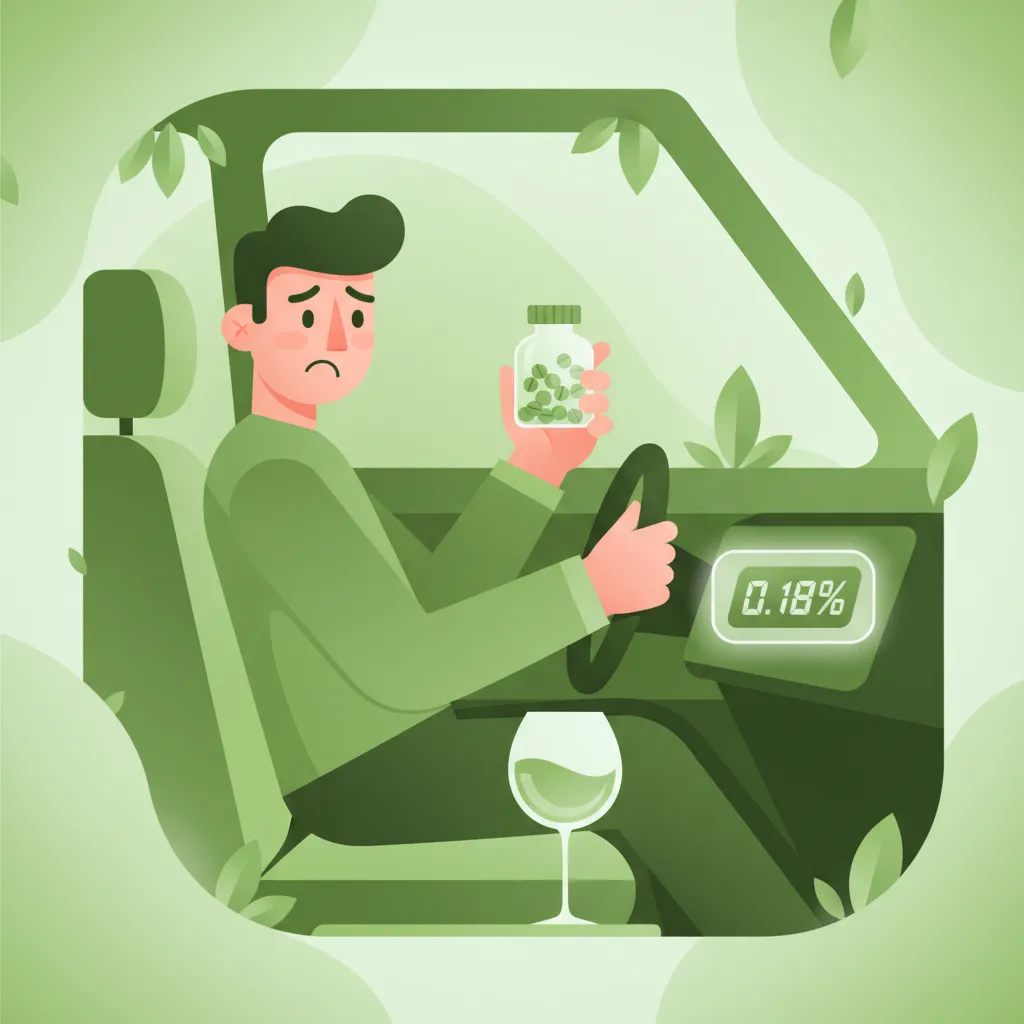
This lesson covers the critical topic of driving under the influence, explaining the legal blood alcohol concentration (BAC) limits for Category AM riders. It highlights the distinction between the lower limit for novice drivers and the standard limit for experienced drivers. The lesson also addresses the zero-tolerance policy for driving under the influence of drugs, the types of police tests conducted, and the severe legal penalties, including fines, license suspension, and mandatory courses, for any violations.
This lesson outlines the significant penalties for driving under the influence in the Netherlands. You will learn about the scale of fines, the potential for an immediate driving ban (rijverbod), and the circumstances under which a driver's license can be suspended or revoked. The curriculum also covers the mandatory and costly educational courses (like LEMA or EMG) that convicted drivers may be forced to attend to regain their driving privileges. A DUI conviction results in a criminal record, which can have long-lasting personal and professional consequences.
This lesson provides practical advice for driving in challenging weather. You will learn about the risk of aquaplaning in heavy rain and how to react, as well as how to manage the effects of strong crosswinds. The curriculum covers winter driving, explaining the danger of black ice, the benefits of winter tires, and techniques for avoiding and correcting a skid. A key focus is on adjusting driving style: increasing following distances, reducing speed, and making gentle steering and braking inputs.
This lesson emphasizes the critical importance of adapting your speed to prevailing conditions, which may require driving slower than the legal limit. You will learn how factors like rain, fog, snow, and darkness significantly increase braking distances and reduce visibility. The curriculum explains the dangers of aquaplaning on wet roads and black ice in winter. The core principle taught is that a safe driver always adjusts their speed to ensure they can stop within the distance they can see to be clear.
Learn about the police procedures for measuring Blood Alcohol Concentration (BAC) in the Netherlands, including breathalyzer tests, and understand the severe legal consequences and penalties for driving under the influence.
This lesson outlines the significant penalties for driving under the influence in the Netherlands. You will learn about the scale of fines, the potential for an immediate driving ban (rijverbod), and the circumstances under which a driver's license can be suspended or revoked. The curriculum also covers the mandatory and costly educational courses (like LEMA or EMG) that convicted drivers may be forced to attend to regain their driving privileges. A DUI conviction results in a criminal record, which can have long-lasting personal and professional consequences.
This lesson explores the physiological and cognitive effects of alcohol on a driver. You will learn how alcohol acts as a depressant on the central nervous system, leading to a measurable decrease in reaction speed, blurred vision, and a loss of coordination. The curriculum explains how alcohol impairs judgment, often leading to increased risk-taking and a failure to perceive hazards. Understanding these dangerous effects reinforces the critical importance of separating drinking from driving completely.
This lesson covers the critical topic of driving under the influence, explaining the legal blood alcohol concentration (BAC) limits for Category AM riders. It highlights the distinction between the lower limit for novice drivers and the standard limit for experienced drivers. The lesson also addresses the zero-tolerance policy for driving under the influence of drugs, the types of police tests conducted, and the severe legal penalties, including fines, license suspension, and mandatory courses, for any violations.
This lesson extends the topic of impaired driving to include illegal drugs and certain medications. You will learn that the Netherlands has a zero-tolerance policy for driving under the influence of many illegal substances, enforced with saliva tests. The curriculum also highlights the importance of checking for warnings on prescription and over-the-counter medicines, often indicated by a yellow sticker, as many can cause drowsiness or impair concentration. The driver is always responsible for ensuring they are fit to drive.
This lesson covers the critical topic of impaired riding, detailing the legal blood alcohol limits for drivers in the Netherlands. It explains how alcohol, illegal drugs, and even some legal medications drastically impair judgment, coordination, and reaction time, making riding a motorcycle extremely dangerous. The severe legal penalties, including fines, license suspension, and imprisonment, are also clearly outlined.
This lesson emphasizes the critical importance of adapting your speed to prevailing conditions, which may require driving slower than the legal limit. You will learn how factors like rain, fog, snow, and darkness significantly increase braking distances and reduce visibility. The curriculum explains the dangers of aquaplaning on wet roads and black ice in winter. The core principle taught is that a safe driver always adjusts their speed to ensure they can stop within the distance they can see to be clear.
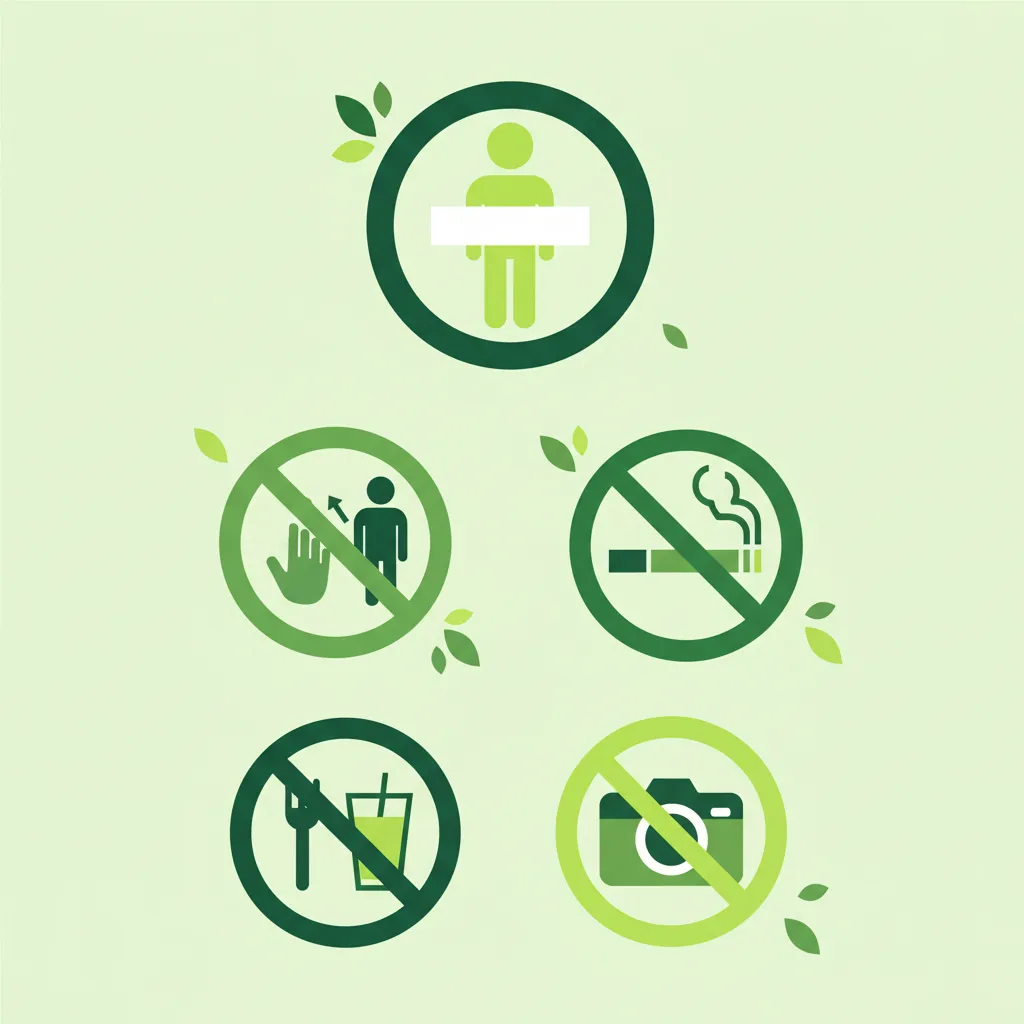
This lesson covers prohibition signs, which are used to forbid specific maneuvers or restrict access for certain vehicles. You will study the characteristics of these signs, typically circular with a red border, such as the C2 'No Entry for any vehicle' or the F1 'No Parking' sign. The content details the legal consequences of ignoring these prohibitions and explains how they contribute to traffic flow and safety in congested or sensitive areas. Recognizing these signs is fundamental to avoiding fines and dangerous situations on the road.
Find clear answers to common questions learners have about Legal Blood Alcohol Concentration (BAC) Limits. Learn how the lesson is structured, which driving theory objectives it supports, and how it fits into the overall learning path of units and curriculum progression in the Netherlands. These explanations help you understand key concepts, lesson flow, and exam focused study goals.
In the Netherlands, experienced drivers (holding a license for over 5 years) have a legal BAC limit of 0.5 promille. Novice drivers, and those in their first 5 years of driving, face a much stricter limit of 0.2 promille, which is effectively a zero-tolerance policy for alcohol.
As a novice driver in the Netherlands, the legal limit is 0.2 promille. This is a very low threshold, and even a small amount of alcohol can push you over this limit. The safest approach is to consume no alcohol at all if you plan to drive.
Alcohol impairs crucial driving skills such as reaction time, concentration, judgment, and coordination. It can lead to overconfidence and risk-taking behaviour, significantly increasing the chance of an accident. Even below the legal limit, alcohol can affect your driving.
Police typically use a breathalyzer device to measure your Blood Alcohol Concentration (BAC). If the initial test indicates alcohol presence, a second, more precise measurement may be taken. If you refuse a test or are suspected of being under the influence, further tests, such as a blood sample, may be required.
Exceeding the legal BAC limit can result in significant fines, suspension of your driving license, mandatory participation in rehabilitation programs, and even imprisonment, especially in cases of accidents or repeat offenses. For novice drivers, exceeding the limit can also impact their probationary status.