
Building on our understanding of alcohol's impact, this lesson tackles another critical aspect of impaired driving: the influence of drugs and certain medications. You'll discover the strict 'zero tolerance' policy in the Netherlands for many substances and why it's vital to know if your medication affects your driving ability. Mastering this topic is key to passing your theory test and ensuring road safety for everyone.
Driving a vehicle in the Netherlands requires a constant state of alertness, quick reaction times, and sound judgment. The use of illegal drugs, certain prescription medications, and even some over-the-counter remedies can severely impair these critical abilities, posing a significant risk to road safety. This lesson delves into the legal, physiological, and practical implications of driving under the influence of such substances, emphasizing the strict zero-tolerance policy enforced by Dutch law and your ultimate responsibility as a driver.
Impaired driving, whether due to drugs or medication, is a major contributing factor to traffic accidents, often leading to severe injuries or fatalities. The substances discussed in this lesson can alter your cognitive, perceptual, and motor skills in various ways. These impairments include:
These effects are often intensified by other factors such as fatigue, adverse weather conditions, or driving at night, further escalating the risk of an accident.
The Netherlands adopts a strict zero-tolerance approach to driving under the influence of substances that impair driving ability. This policy is designed to protect all road users by eliminating the risk that drivers might self-medicate or underestimate their level of impairment. The law does not differentiate based on whether a driver feels impaired; if a substance known to affect driving is present and could reasonably impair your ability, you are in violation.
Driving under the influence of illegal drugs is strictly forbidden under Dutch law. These substances, which include cannabis (marijuana), cocaine, amphetamines, ecstasy (MDMA), and hallucinogens (LSD), can profoundly impair a driver's judgment, perception, and reaction capabilities.
The presence of these substances in a driver's system at certain thresholds, detected through tests like saliva analysis, is sufficient for legal action, irrespective of subjective feelings of impairment.
Many prescription medications, though legally prescribed by a doctor, can have side effects that compromise your ability to drive safely. These include, but are not limited to:
It is your responsibility to read the medication leaflet (bijsluiter) and discuss potential driving implications with your prescribing physician or pharmacist. The law does not accommodate "tolerance" built up over time; you must assess your fitness to drive each time you get behind the wheel.
It is a common misconception that because a medication is available without a prescription, it is automatically safe for driving. This is incorrect. Many readily available over-the-counter remedies contain active ingredients that can cause drowsiness, impair concentration, or affect coordination.
Always check the packaging and leaflet of any OTC medication for warnings about driving. If a warning is present, your ability to drive may be affected, and you must act accordingly.
The combination of alcohol with any other psychoactive substance, be it illegal drugs, prescription medication, or OTC remedies, is strictly prohibited in the Netherlands. This is known as the additive effect law and means that even low levels of alcohol combined with any amount of impairing drug or medication can lead to severe impairment and is a legal violation.
This principle prevents drivers from assuming that "partial sobriety" or low doses are acceptable. The combined effect of multiple substances is often synergistic, meaning their total impact is greater than the sum of their individual effects. For instance, combining a sedative medication with even a small amount of alcohol can drastically amplify drowsiness and severely impair your ability to control a vehicle.
Dutch traffic law, particularly the Road Traffic Act (Wegenverkeerswet) and the Traffic Regulations and Traffic Signs (Reglement verkeersregels en verkeerstekens – RVV 1990), provides the legal basis for prosecuting impaired driving.
RVV §45.1 states that no driver may drive if it is reasonably conceivable that the intake of any substance impairs their ability to drive. This broad article covers illegal drugs, prescription medicines, and over-the-counter drugs that could reasonably affect your fitness. It places the burden of responsibility directly on the driver.
RVV §45.2 further specifies that drivers with a medical condition that could impair driving may be required to discontinue driving and obtain a medical certificate. This covers natural impairments not directly caused by substances, but the principle of ensuring fitness to drive is the same.
The rationale behind these rules is paramount: to protect all road users from the unpredictable and dangerous actions of impaired drivers.
To enforce the zero-tolerance policy, roadside police officers in the Netherlands are authorized to administer saliva tests to drivers suspected of drug impairment.
RVV §45.3 mandates that drivers must comply with such a test. Refusal to provide a saliva sample when requested by an authorized officer is itself a legal offense and can lead to immediate legal penalties, including automatic license points and potential detention.
The saliva test is a non-invasive, rapid field screening method used to detect the presence of psychoactive substances in a driver’s system. It targets a set of common illegal drugs, with specific detection limits (e.g., cannabis (THC) detection limits may be around 50 nanograms per milliliter (ng/ml)). If the roadside test indicates the presence of drugs above the legal threshold, further investigation, possibly including a blood test, may be initiated to confirm the findings for legal prosecution.
A crucial safety mechanism in the Netherlands is the yellow warning sticker (gele sticker) system. Many medications, both prescription and over-the-counter, that can cause drowsiness or impair concentration are legally required to carry this distinctive yellow sticker on their packaging.
The sticker typically displays a warning like "WAARSCHUWING: KAN RIJVAARDIGHEID BEÏNVLOEDEN" (Warning: May affect driving ability) or "DOOFZOMMING" (Drowsiness). This is an immediate, visual cue for drivers. Failing to notice or heed this warning constitutes a violation of your driver's responsibility. The purpose of this system is to provide clear and unambiguous information to consumers, ensuring they are aware of the potential risks before operating a vehicle.
Ultimately, the responsibility for ensuring you are fit to drive lies exclusively with you, the driver. This is a core principle of Dutch traffic law.
Even if you believe you are "fine" or have developed a "tolerance" to a substance, your subjective feeling of alertness might not accurately reflect your actual physiological impairment. The law does not make exceptions for self-perceived adequate fitness. Therefore, you must proactively assess your personal state before every journey.
Consider the following:
Your personal accountability outweighs systemic enforcement. Your decision to drive safely, or not at all when impaired, is your most powerful tool in preventing accidents.
Beyond substance use, certain ongoing medical conditions can naturally impair driving capacity. Conditions such as epilepsy, severe migraines, diabetes (if unstable), sleep apnea, or Parkinson’s disease can affect vision, motor control, concentration, or lead to sudden incapacitation.
If you have a medical condition that could reasonably impair your driving ability, RVV §45.2 implies a duty to report this to the appropriate authorities (Centraal Bureau Rijvaardigheidsbewijzen - CBR) and potentially undergo a medical assessment. You may be required to obtain a medical certificate (medische verklaring) from your physician, certifying your fitness to drive or outlining any necessary restrictions. Driving with an unassessed or untreated condition that poses a risk is a serious violation.
The duration and intensity of a drug's effects on your driving ability are influenced by its metabolism in the body. Drug metabolism is the process by which substances are absorbed, distributed, broken down, and excreted. Key factors include:
It is crucial to understand that impairment can still be present even if you no longer feel the drug's acute effects. Residual metabolites might still affect your cognitive and motor functions. Medication leaflets often provide guidelines on "do not drive while on medication" or "do not operate machinery" for a specific number of hours after intake. Adhere strictly to these guidelines.
Understanding the rules is the first step; applying them in real-world driving situations is critical.
The effects of impairment are significantly amplified in certain driving conditions:
To summarize the essential principles for safe driving in the Netherlands regarding drugs and medication:
By understanding and adhering to these principles, you contribute significantly to road safety for yourself and everyone else on the road in the Netherlands.
Lesson content overview
Explore all units and lessons included in this driving theory course.
Explore search topics learners often look for when studying Use of Drugs and Medication Affecting Driving. These topics reflect common questions about road rules, driving situations, safety guidance, and lesson level theory preparation for learners in the Netherlands.
Browse additional driving theory lessons that cover connected traffic rules, road signs, and common driving situations related to this topic. Improve your understanding of how different rules interact across everyday traffic scenarios.
Understand the dangerous additive effect of combining alcohol with prescription or over-the-counter medications. Learn Dutch driving theory on impaired driving and the legal implications of multi-substance impairment for road safety.

This lesson explores the physiological and cognitive effects of alcohol on a driver. You will learn how alcohol acts as a depressant on the central nervous system, leading to a measurable decrease in reaction speed, blurred vision, and a loss of coordination. The curriculum explains how alcohol impairs judgment, often leading to increased risk-taking and a failure to perceive hazards. Understanding these dangerous effects reinforces the critical importance of separating drinking from driving completely.
This lesson covers the critical topic of impaired riding, detailing the legal blood alcohol limits for drivers in the Netherlands. It explains how alcohol, illegal drugs, and even some legal medications drastically impair judgment, coordination, and reaction time, making riding a motorcycle extremely dangerous. The severe legal penalties, including fines, license suspension, and imprisonment, are also clearly outlined.
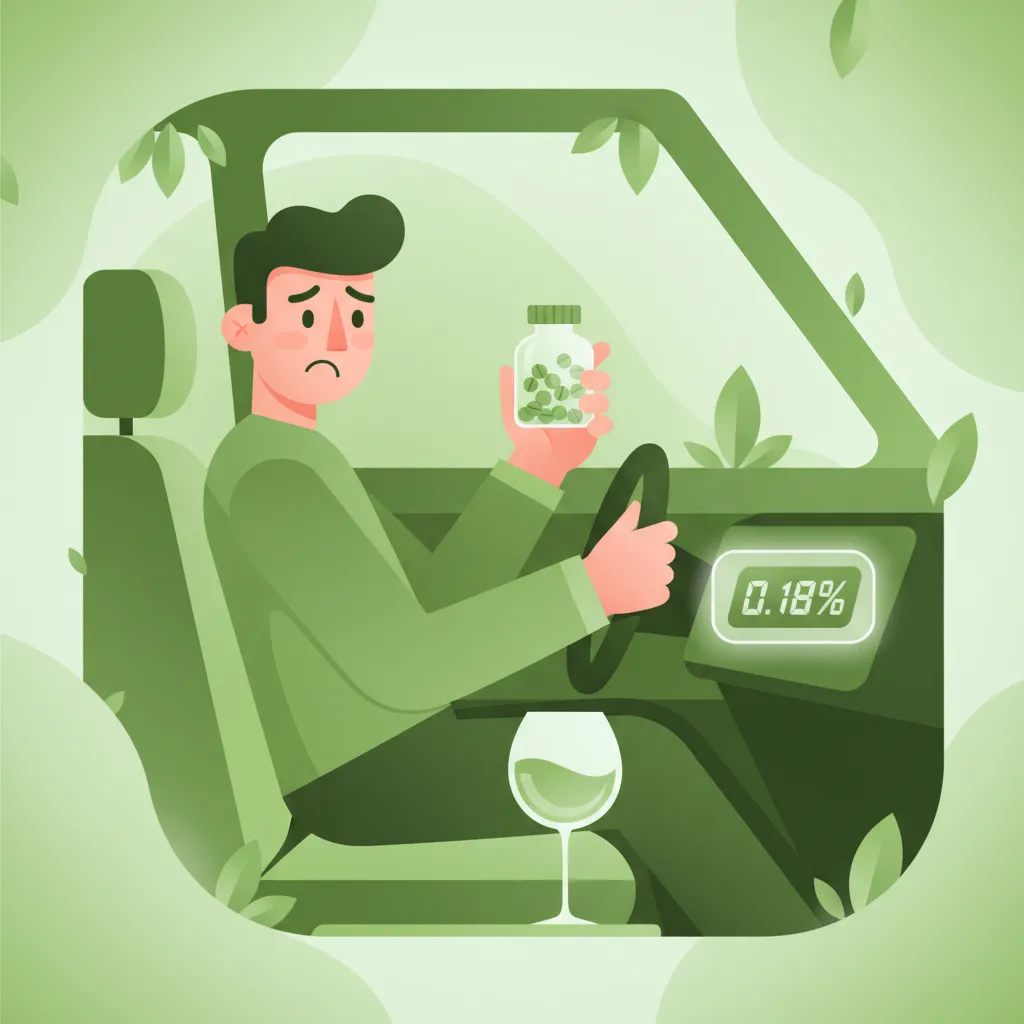
This lesson covers the critical topic of driving under the influence, explaining the legal blood alcohol concentration (BAC) limits for Category AM riders. It highlights the distinction between the lower limit for novice drivers and the standard limit for experienced drivers. The lesson also addresses the zero-tolerance policy for driving under the influence of drugs, the types of police tests conducted, and the severe legal penalties, including fines, license suspension, and mandatory courses, for any violations.
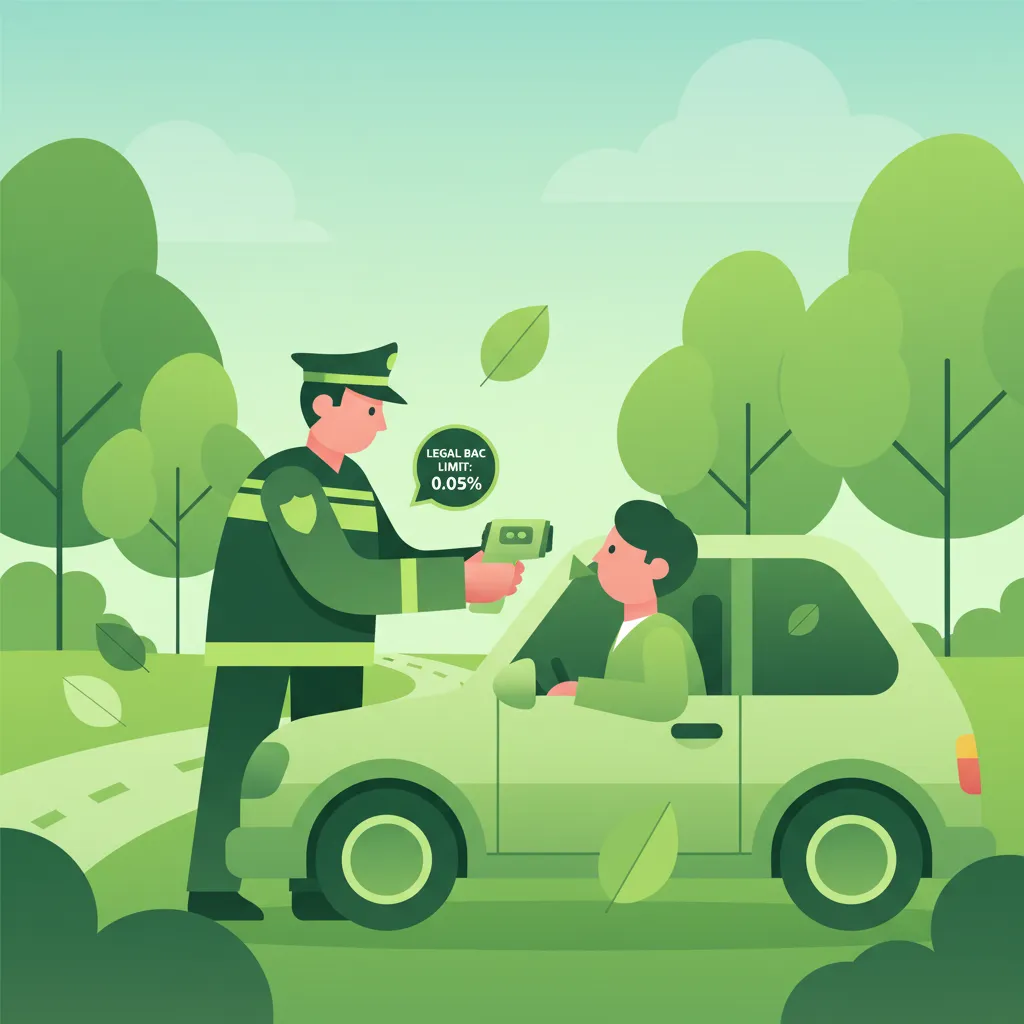
This lesson details the legal limits for alcohol consumption when driving. You will learn that for experienced drivers (who have held their license for more than five years), the BAC limit is 0.5 promille. For novice drivers, a stricter limit of 0.2 promille applies, which effectively means a zero-tolerance policy. The content explains how these levels are measured by police using breathalyzer tests and the factors that can influence a person's BAC, stressing that the only safe approach is not to drink and drive.
This lesson outlines the significant penalties for driving under the influence in the Netherlands. You will learn about the scale of fines, the potential for an immediate driving ban (rijverbod), and the circumstances under which a driver's license can be suspended or revoked. The curriculum also covers the mandatory and costly educational courses (like LEMA or EMG) that convicted drivers may be forced to attend to regain their driving privileges. A DUI conviction results in a criminal record, which can have long-lasting personal and professional consequences.
Learn about your legal responsibility to assess your fitness to drive in the Netherlands. Covers risks of drugs, medication, and the importance of medical certificates for certain conditions.
This lesson provides practical advice for driving in challenging weather. You will learn about the risk of aquaplaning in heavy rain and how to react, as well as how to manage the effects of strong crosswinds. The curriculum covers winter driving, explaining the danger of black ice, the benefits of winter tires, and techniques for avoiding and correcting a skid. A key focus is on adjusting driving style: increasing following distances, reducing speed, and making gentle steering and braking inputs.

This lesson focuses on the legal and moral responsibility to be extra vigilant around certain groups of vulnerable road users. You will learn that children can be impulsive and have poor traffic awareness, requiring drivers to be prepared to stop suddenly, especially near schools and playgrounds. The content also discusses the need for patience with elderly or disabled road users, who may move more slowly. You will learn to recognize signs of disability, like a white cane or a guide dog, and give these individuals extra space and time.
Fatigue and stress are major contributors to rider error and accidents. This lesson explains how physical tiredness and mental stress can slow your reaction time, impair your decision-making abilities, and lead to poor judgment on the road. You will learn to identify the early warning signs of fatigue and the importance of taking regular rest breaks on long journeys. The lesson also provides techniques for managing stress to ensure you are in a fit state to ride safely.
This lesson covers the critical topic of impaired riding, detailing the legal blood alcohol limits for drivers in the Netherlands. It explains how alcohol, illegal drugs, and even some legal medications drastically impair judgment, coordination, and reaction time, making riding a motorcycle extremely dangerous. The severe legal penalties, including fines, license suspension, and imprisonment, are also clearly outlined.

This lesson focuses on the use of specialized lights for specific situations. You will learn the strict conditions under which fog lights may be used: the rear fog light is only permitted when visibility from fog or snow is less than 50 meters, and not in rain. The lesson also explains the correct use of hazard warning lights, which are intended to warn other drivers of a stationary obstruction (like a breakdown or the tail end of a sudden traffic jam) or while being towed.
This lesson emphasizes the critical importance of adapting your speed to prevailing conditions, which may require driving slower than the legal limit. You will learn how factors like rain, fog, snow, and darkness significantly increase braking distances and reduce visibility. The curriculum explains the dangers of aquaplaning on wet roads and black ice in winter. The core principle taught is that a safe driver always adjusts their speed to ensure they can stop within the distance they can see to be clear.
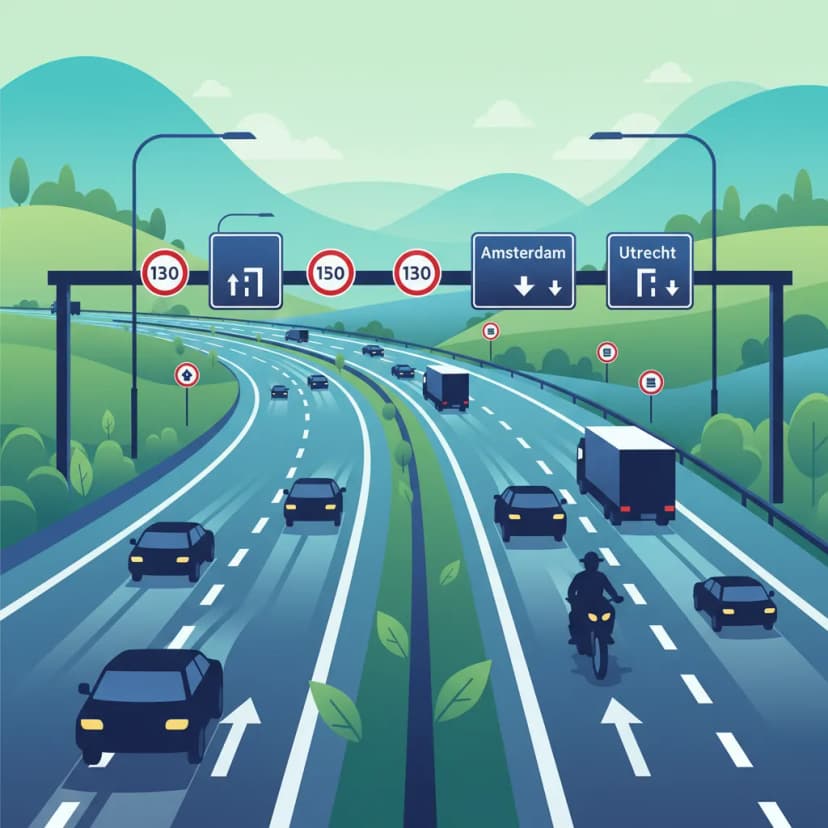
This lesson details the specific regulations for driving on Dutch motorways, identifiable by the G1 sign. You will learn the correct procedure for joining the flow of traffic using the acceleration lane and for leaving via the deceleration lane. The curriculum reinforces the 'keep right unless overtaking' rule for lane discipline. It also explains that stopping is strictly forbidden, and the hard shoulder (vluchtstrook) may only be used for genuine emergencies.
This lesson outlines the significant penalties for driving under the influence in the Netherlands. You will learn about the scale of fines, the potential for an immediate driving ban (rijverbod), and the circumstances under which a driver's license can be suspended or revoked. The curriculum also covers the mandatory and costly educational courses (like LEMA or EMG) that convicted drivers may be forced to attend to regain their driving privileges. A DUI conviction results in a criminal record, which can have long-lasting personal and professional consequences.
This lesson details the legal limits for alcohol consumption when driving. You will learn that for experienced drivers (who have held their license for more than five years), the BAC limit is 0.5 promille. For novice drivers, a stricter limit of 0.2 promille applies, which effectively means a zero-tolerance policy. The content explains how these levels are measured by police using breathalyzer tests and the factors that can influence a person's BAC, stressing that the only safe approach is not to drink and drive.
This lesson covers the critical topic of driving under the influence, explaining the legal blood alcohol concentration (BAC) limits for Category AM riders. It highlights the distinction between the lower limit for novice drivers and the standard limit for experienced drivers. The lesson also addresses the zero-tolerance policy for driving under the influence of drugs, the types of police tests conducted, and the severe legal penalties, including fines, license suspension, and mandatory courses, for any violations.
Find clear answers to common questions learners have about Use of Drugs and Medication Affecting Driving. Learn how the lesson is structured, which driving theory objectives it supports, and how it fits into the overall learning path of units and curriculum progression in the Netherlands. These explanations help you understand key concepts, lesson flow, and exam focused study goals.
In the Netherlands, 'zero tolerance' means that the legal limit for many illegal substances is extremely low, effectively zero. Police can use saliva tests to detect the presence of these drugs, and any detected amount can lead to severe penalties, including fines and license suspension, even if you don't feel impaired.
Many prescription and over-the-counter medications carry a warning label, often a yellow sticker, indicating potential effects on alertness and driving ability. Always read the patient information leaflet carefully. If you are unsure, consult your doctor or pharmacist about alternative medications or safe timings for driving.
While illegal drugs are subject to strict zero-tolerance limits, prescription and over-the-counter medications are also regulated. The key is whether the medication impairs your driving ability. The law holds you responsible for ensuring you are fit to drive, regardless of the drug's origin. If a medication is known to cause drowsiness or affect concentration, you should not drive.
It depends on the specific medication, the dosage, and your individual reaction. If your doctor or pharmacist has advised you that the medication may impair your driving, you must not drive. If they deem it safe for you to drive with the prescribed medication, ensure you are aware of its effects and drive extra cautiously. Always prioritize safety and follow professional medical advice.
Yes, the Dutch police are equipped with saliva test kits to check for the presence of certain illegal drugs. Refusing a test can also lead to penalties. These tests are part of the enforcement strategy to ensure road safety and deter impaired driving.