
This lesson focuses on your responsibility to protect vulnerable road users like children, the elderly, and individuals with disabilities. Understanding their specific needs and potential unpredictability is crucial for safe driving in the Netherlands. It builds upon general right-of-way principles and prepares you for specific scenarios tested in the CBR theory exam.
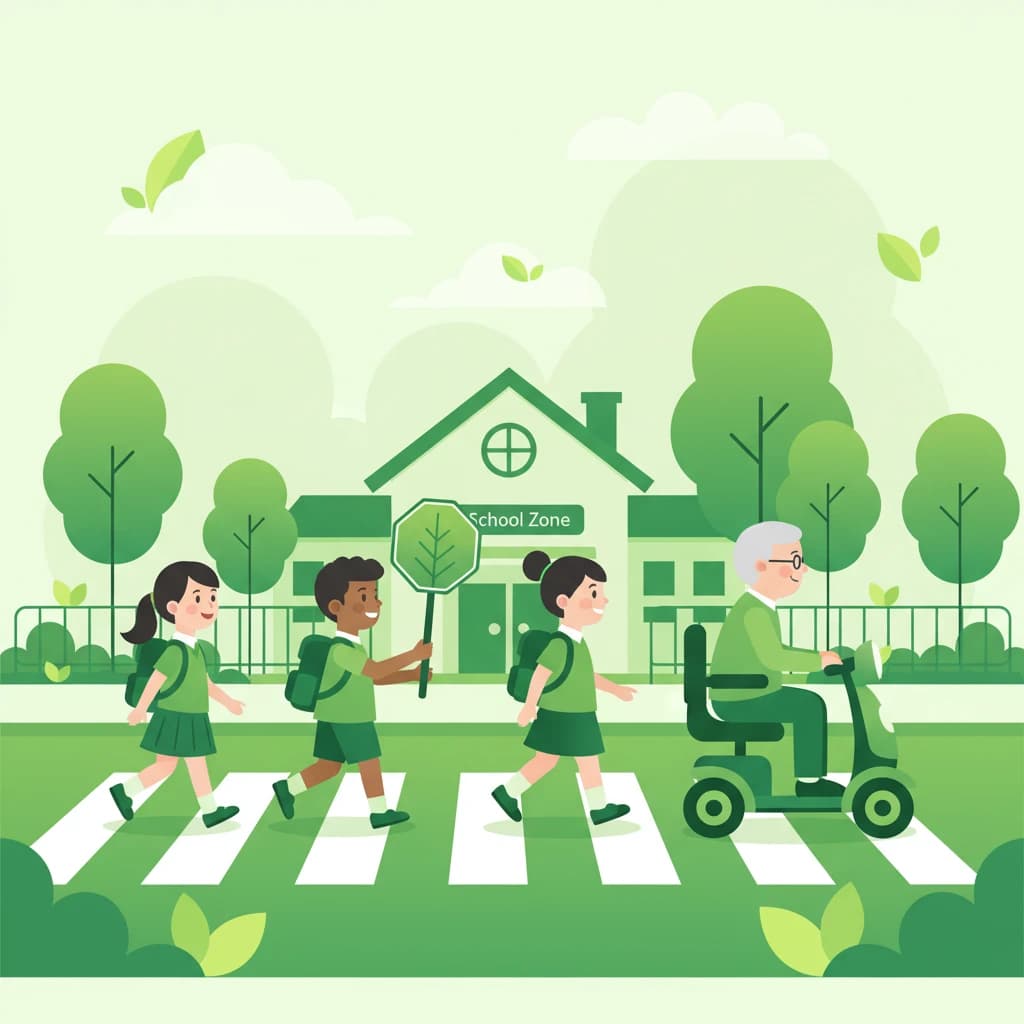
As a driver in the Netherlands, you hold a significant responsibility not only to follow traffic laws but also to act with heightened vigilance and empathy, especially around vulnerable road users. This lesson delves into the critical importance of understanding and adapting your driving behaviour when encountering children, elderly pedestrians, and individuals with disabilities. These groups often have reduced mobility, slower reaction times, or unpredictable movements, making them particularly susceptible to accidents. Mastering these interactions is fundamental to achieving a Dutch driving license and ensures safer roads for everyone.
The Dutch traffic legislation, primarily the Reglement verkeersregels en verkeerstekens 1990 (RVV 1990), explicitly mandates specific duties for drivers to protect these vulnerable groups. This legal framework, coupled with moral responsibility, requires drivers to anticipate potential hazards, adjust speed, maintain safe distances, and consistently yield priority. By internalizing these principles, you contribute to a smoother traffic flow and significantly reduce the risk of collisions involving those who need extra protection.
Vulnerable road users, by definition, are those who are not protected by an outer shell like a vehicle. They include pedestrians, cyclists, and moped riders, but this lesson focuses specifically on children, the elderly, and disabled individuals, who face unique challenges on the road. Their vulnerability stems from various factors, including physical limitations, cognitive differences, and predictable behavioural patterns that drivers must learn to recognize and accommodate.
Children, especially those under 12, are among the most unpredictable road users. Their behaviour is often driven by impulsiveness, curiosity, and a developing understanding of traffic rules. They may not fully grasp concepts like speed, distance, or the consequences of stepping into traffic.
Associated Rules and Driver Behaviour: Drivers must always anticipate the unexpected when children are present. This means:
Elderly pedestrians, typically those aged 60 and above, often experience a decline in physical and cognitive abilities that can affect their road safety. While they usually possess a deeper understanding of traffic rules, their execution of these rules may be slower.
Associated Rules and Driver Behaviour: Patience and extra space are paramount when interacting with elderly pedestrians:
Individuals with disabilities, whether mobility, visual, or hearing impairments, require particular consideration and respect on the road. The Dutch traffic law grants specific protections and priorities to certain disabled road users, which drivers must recognize and honour.
Associated Rules and Driver Behaviour:
The Dutch road network employs specific signage to alert drivers to areas where vulnerable road users are likely to be present, mandating adjusted driving behaviour. Recognizing and understanding these signs is crucial for safety and compliance.
The E2 sign (school zone warning) typically depicts children running. It serves as an explicit warning that you are entering an area where children are likely to be present, usually near a primary school or playground. This sign is a prompt to immediately reduce your speed and increase your awareness.
The E5 sign indicates a mandatory speed limit of 30 km/h. This limit is commonly applied in residential areas, especially within 200 meters of school premises or playgrounds, or in erf (home zone) areas. Adhering to this limit dramatically reduces stopping distances and increases reaction time, which is vital when children might act unpredictably.
The B3 sign, the familiar octagonal red 'STOP' sign, always requires a complete stop before the stop line. While a general priority rule, its presence in areas frequented by vulnerable users is especially critical, ensuring drivers stop and scan for all traffic, including pedestrians.
The B6 sign prohibits overtaking. This sign is particularly relevant in pedestrian-heavy zones or near crosswalks, where overtaking could obscure vulnerable users or lead to unexpected collisions if a pedestrian suddenly steps into the road.
The E18 sign marks a school bus stop. While the blueprint describes this sign as indicating a school bus stop, the most common legal requirement in the Netherlands for drivers encountering a school bus is related to its hazard lights. If a school bus has its hazard warning lights activated while children are boarding or alighting, you must slow down and pass with extreme caution, ready to stop. In some specific situations or road designs, other traffic might be required to stop until the bus departs, but the activation of hazard lights is the key trigger for increased caution.
Always be prepared for the unexpected when you see these signs. Your primary goal is to protect vulnerable road users by adjusting your speed and attention.
Dutch traffic law (RVV 1990) places a strong emphasis on the protection of vulnerable road users. Non-compliance with these regulations can lead to severe penalties, including fines, penalty points, and potential legal liability in the event of an accident.
| Rule | Applicability | Legal Status | Rationale |
|---|---|---|---|
| Stop at School Crosswalks | Where a B3 stop sign or other specific school crosswalk signage (e.g., E2 with specific instructions) is present. | Mandatory | Ensures drivers stop and verify no children are crossing before proceeding. |
| Yield to Disabled Pedestrians | Any footpath or on-road crossing where a white cane or guide dog is observed. | Mandatory | Protects individuals with visual impairments, who have limited situational awareness. |
| Maximum Speed in School Zones (30 km/h) | Within approximately 200 meters of school premises or playgrounds where an E5 sign is posted. | Mandatory | Reduces collision risk and stopping distance, allowing more time to react to children. |
| Overtaking Restrictions (B6 sign) | Inside areas with pedestrian activity, particularly near crossings or playgrounds. | Mandatory | Prevents collisions by ensuring clear visibility and preventing drivers from rushing. |
| Right-of-Way at Crosswalks | Pedestrians (including elderly and children) already on a crosswalk or clearly indicating their intention to cross. | Mandatory | Ensures safe passage for pedestrians, who are less protected than vehicle occupants. |
| School Bus Stop Caution | When a school bus has activated its hazard warning lights for boarding/alighting. | Mandatory | Requires extreme caution and reduced speed to ensure the safety of children entering or exiting the bus. |
Beyond mandatory rules, good driving practice includes recommended behaviours that enhance safety:
Many accidents involving vulnerable road users occur due to driver error, often stemming from a lack of anticipation, impatience, or failure to recognize specific cues. Being aware of these common mistakes is the first step to avoiding them.
| Situation | Why it's Wrong | Correct Behaviour | Consequence |
|---|---|---|---|
| Inadequate Speed in School Zones | High speed significantly reduces reaction time; children can move suddenly. | Always slow to 30 km/h or less; maintain extreme caution. | Fines, penalty points, severe injury risk, legal liability. |
| Failing to Recognize a White Cane or Guide Dog | These are clear signals of priority and visual impairment; ignoring them creates a dangerous blind spot. | Actively look for these indicators; immediately yield and stop. | High accident risk, severe legal liability, potential criminal charges. |
| Overtaking within a Pedestrian Zone (B6) | Pedestrians may step onto the road unpredictably, obscured by your vehicle. | Never overtake in designated pedestrian zones; maintain your lane and slow down. | Collision risk, traffic violation, fines. |
| Parking in a Disabled Parking/Access Zone | Blocks access for individuals with mobility issues. | Only park in designated, legal spaces; never obstruct disabled access. | Illegal parking fine, towing, major inconvenience to disabled users. |
| Cutting a Turn with a School Bus Waiting | School bus may be loading/unloading children who are not looking for turning vehicles. | Wait until the bus has departed or all children are safely clear and the bus's hazard lights are off. | Accident risk involving children, severe legal ramifications. |
| Driving at Night without Proper Headlights | Reduced visibility for both driver and vulnerable users, especially children and the elderly. | Use dipped (low) headlights at night and in low-light conditions. | Reduced reaction time, increased accident risk, legal fault. |
| Tail-gating an Elderly Pedestrian Crossing | Creates pressure, reduces their confidence, and eliminates a safety buffer. | Maintain ample buffer space (at least 1.5m); slow down or stop if necessary. | Accident risk, potential fines for tail-gating. |
| Ignoring Pedestrian Priorities at Uncontrolled Intersections | Pedestrians might be on the crosswalk or about to enter it, expecting drivers to yield. | Always yield to pedestrians at uncontrolled crosswalks or when they are clearly about to cross. | Collision risk, legal liability. |
Driving conditions are rarely static. Factors like weather, time of day, and road characteristics demand dynamic adjustments to your driving behaviour, especially when vulnerable road users are present.
| Variable | Variation | Adjusted Behaviour | Reason |
|---|---|---|---|
| Weather Conditions | Heavy rain, fog, snow, strong winds | Maintain a much larger following distance; reduce speed significantly, even below posted limits (e.g., <25 km/h in school zones). | Reduced visibility, longer braking distances, and more unpredictable movements from vulnerable users. |
| Light Conditions | Nighttime or low light, dusk/dawn | Use dipped headlights; increase vigilance for pedestrians who may be less visible. | Poor visibility increases driver reaction time and makes pedestrians harder to spot. |
| Road Type | Urban, residential street | Slow to 30 km/h or lower; continuously scan for children and pedestrians; expect frequent crossings. | Higher pedestrian density, lower speed limits, and more opportunities for unexpected movements. |
| Vehicle State | Carrying a heavy load, towing a trailer | Reduce speed further; increase braking distance significantly. | Increased inertia and longer braking distances for heavier vehicles. |
| Proximity to a Playground | Within 200 meters | Observe E2 and E5 signs; keep speed ≤30 km/h; be highly alert for children running into the road. | High likelihood of children being present and engaging in play, leading to unpredictable movements. |
| Dedicated Disabled Parking/Access Areas | Presence of a marked disabled zone | Avoid crossing into or blocking these zones unless explicitly allowed (e.g., to load/unload a disabled passenger). | These areas are specifically for disabled users and must remain clear for their access. |
Every decision you make behind the wheel has direct consequences, particularly when vulnerable road users are nearby. Understanding the cause-and-effect relationships reinforces the importance of responsible driving.
Remember, failure to comply with Dutch traffic rules protecting vulnerable road users can lead to serious legal consequences, including substantial fines, points on your license, and even criminal liability in cases of serious injury or fatality.
Interacting safely with children, elderly, and disabled road users is a cornerstone of responsible driving in the Netherlands. It demands more than just knowing the rules; it requires empathy, anticipation, and a constant commitment to safety. By understanding the unique vulnerabilities of these groups, recognizing key Dutch road signs, adhering to specific legal obligations, and proactively adjusting your driving behaviour to various conditions, you play a vital role in creating safer roads for everyone. Always remember that your actions have a direct impact on the lives and safety of the most vulnerable members of our community.
Lesson content overview
Explore all units and lessons included in this driving theory course.
Explore search topics learners often look for when studying Children, Elderly, and Disabled Road Users. These topics reflect common questions about road rules, driving situations, safety guidance, and lesson level theory preparation for learners in the Netherlands.
Browse additional driving theory lessons that cover connected traffic rules, road signs, and common driving situations related to this topic. Improve your understanding of how different rules interact across everyday traffic scenarios.
Understand the specific legal and behavioural rules for interacting with vulnerable road users in the Netherlands. Learn how to anticipate unpredictable movements and provide necessary accommodations for children, the elderly, and individuals with disabilities to ensure their safety on the road.
This lesson addresses special situations where standard priority rules are superseded. You will learn the absolute priority of emergency vehicles using sirens and flashing lights, and the correct procedure for giving them way safely. The content also explains the specific priority rules for trams, which often have right-of-way over other traffic, as well as for military columns and official funeral processions. Furthermore, the lesson reinforces the rules for yielding to pedestrians at designated zebra crossings.
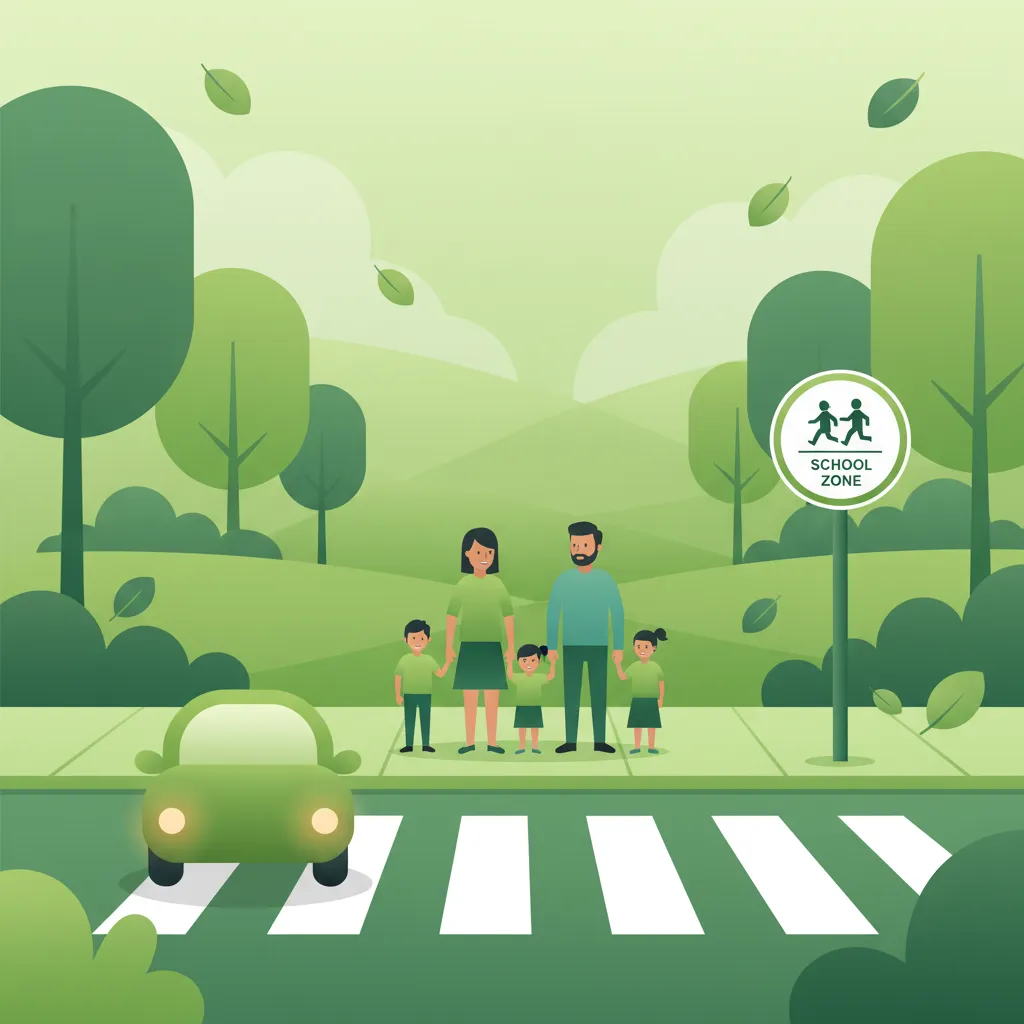
This lesson focuses on the legal requirements and safe practices for riding near pedestrian crossings ('zebrapaden') and designated school zones. It details the absolute obligation to yield to pedestrians on or about to use a crossing and the need for significantly reduced speeds and heightened vigilance in areas with children. The content underscores the importance of anticipation and being prepared for unpredictable movements from vulnerable road users to prevent serious incidents.
This lesson covers the specific articles of the Dutch Road Traffic Act that apply to motorways, with a primary focus on the strict rule of keeping to the rightmost available lane unless overtaking. It explains the legal and safety reasons for only passing on the left and discusses the correct positioning within a lane for maximum visibility and safety. The content also addresses the nuances of lane usage during heavy congestion, ensuring riders comply with the law and contribute to smooth traffic flow.
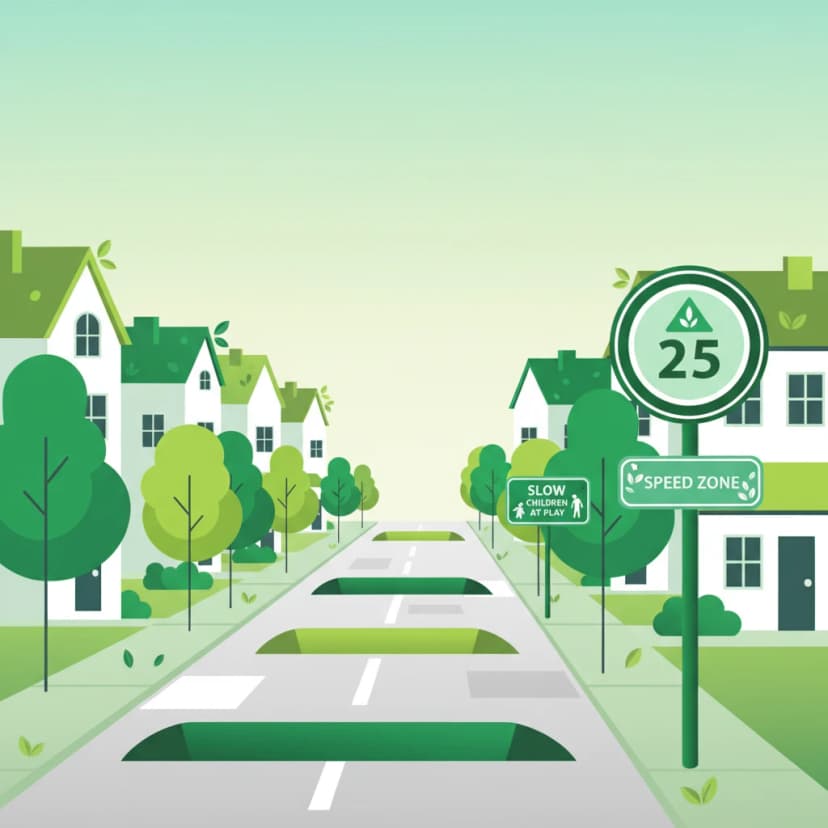
This lesson explains speed limits in specially designated zones designed to protect vulnerable road users. You will learn the rules of a 'woonerf' (home zone), where the speed limit is walking pace (max 15 km/h) and pedestrians can use the full width of the road. The content also covers 30 km/h zones, common in residential areas and around schools, which are often enforced through road design like speed bumps. Understanding the purpose and rules of these zones is key to driving responsibly in urban environments.
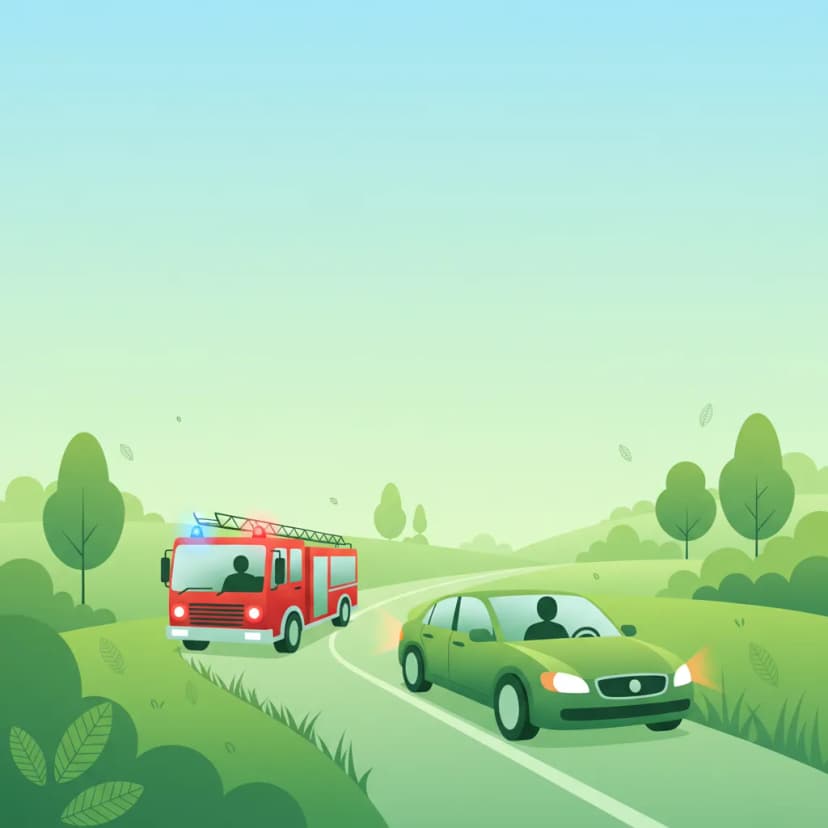
This lesson details the legal obligation and safe procedures for yielding to emergency vehicles ('noodvoertuigen' or 'voorrangsvoertuigen') that are using audible and visual warnings. It provides clear guidance on how to safely create space, whether by pulling over, adjusting speed, or clearing an intersection, without causing a secondary hazard. The content emphasizes maintaining composure and making predictable maneuvers to allow emergency services to pass quickly and safely.
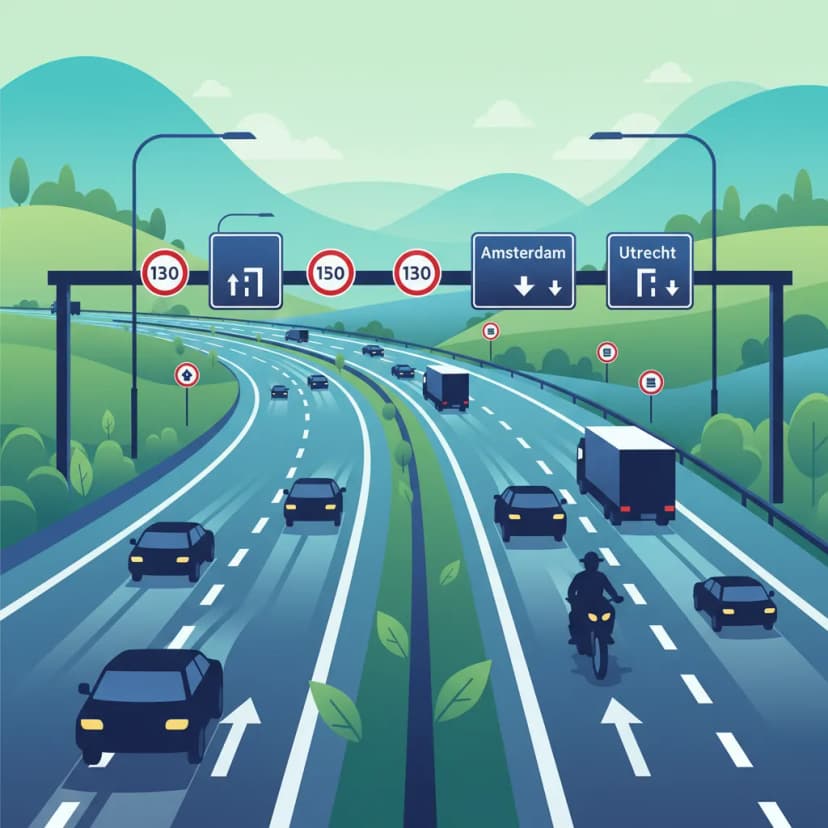
This lesson details the specific regulations for driving on Dutch motorways, identifiable by the G1 sign. You will learn the correct procedure for joining the flow of traffic using the acceleration lane and for leaving via the deceleration lane. The curriculum reinforces the 'keep right unless overtaking' rule for lane discipline. It also explains that stopping is strictly forbidden, and the hard shoulder (vluchtstrook) may only be used for genuine emergencies.
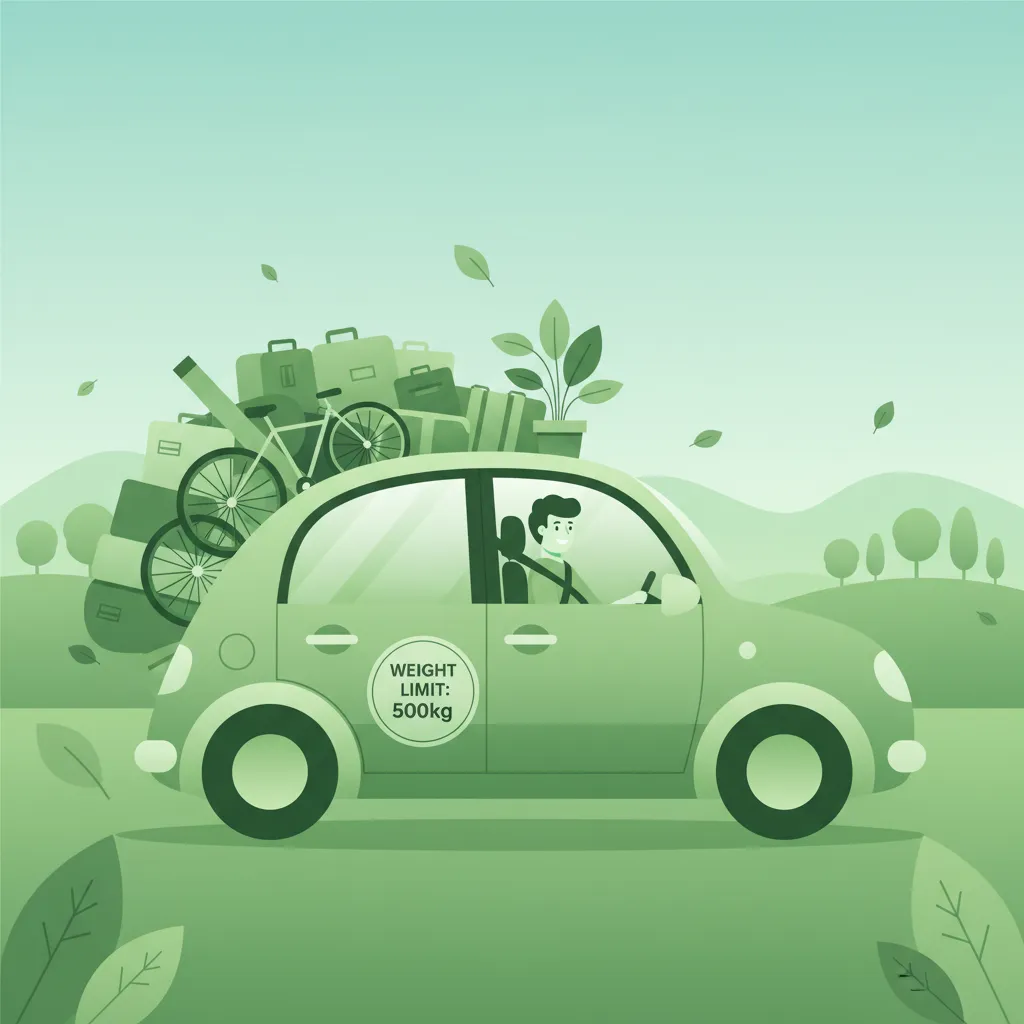
This lesson details the Dutch regulations for carrying passengers on a motorcycle, including the minimum age for the passenger and the mandatory use of approved helmets. It explains the rider's legal responsibility for the passenger's safety and how to properly secure loads to avoid affecting the motorcycle's stability and balance. Understanding these rules is crucial for ensuring safety and legality when riding with a pillion or luggage.
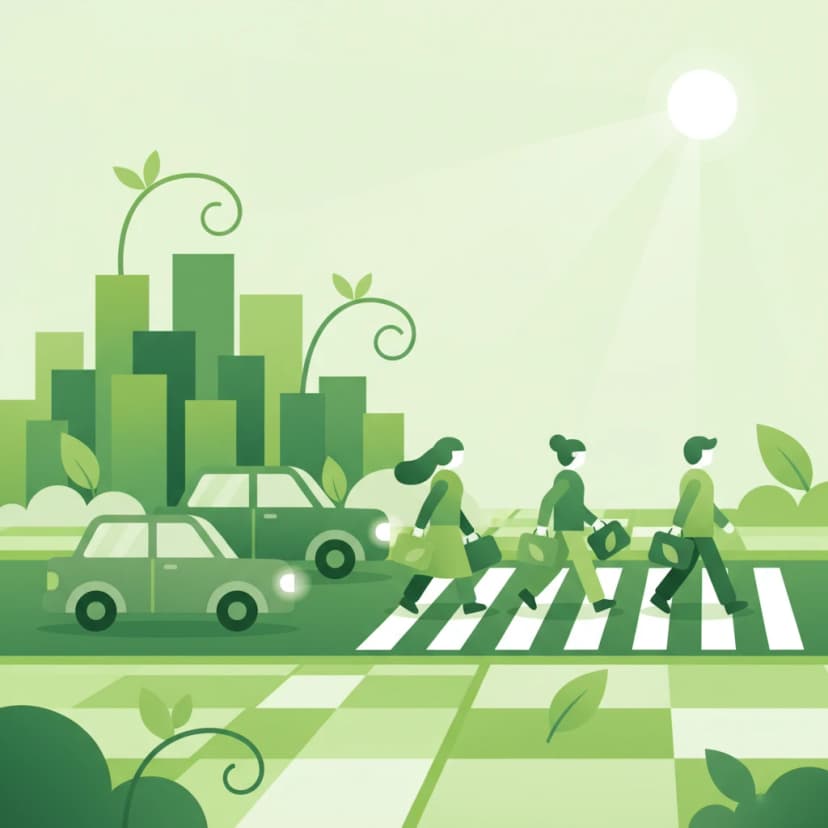
This lesson focuses on the rules governing interactions with pedestrians. You will learn the absolute requirement to stop for pedestrians who are on or clearly intending to cross at a designated zebra crossing. The curriculum also covers how to share the road in a 'woonerf' (home zone) where pedestrians have priority. It emphasizes being particularly cautious around children, the elderly, and disabled pedestrians, who may require more time or behave unpredictably.

This lesson outlines the precise age requirements for obtaining and holding a Category AM driving license in the Netherlands. It details the minimum age for operating various AM vehicles and explains the validity period of the license and the renewal process. Furthermore, the content clarifies how an AM license relates to other categories like B (car) or A (motorcycle), and what age-related restrictions may apply to novice riders. This knowledge is crucial for ensuring full legal compliance from the start of your riding journey.
This lesson is critical for driving in the Netherlands, a country with more bicycles than people. You will learn about the different types of cycle paths and how priority rules apply, especially at junctions. The content stresses the importance of checking the blind spot for cyclists before turning right ('dode hoek'). It also covers the rules for different types of mopeds (snorfiets and bromfiets) and the importance of giving all two-wheeled road users ample space when overtaking.
Explore common and challenging traffic situations involving children, the elderly, and disabled individuals. This lesson breaks down how to apply Dutch traffic regulations and defensive driving techniques to safely navigate intersections, crossings, and school zones where these users are present.
This lesson is critical for driving in the Netherlands, a country with more bicycles than people. You will learn about the different types of cycle paths and how priority rules apply, especially at junctions. The content stresses the importance of checking the blind spot for cyclists before turning right ('dode hoek'). It also covers the rules for different types of mopeds (snorfiets and bromfiets) and the importance of giving all two-wheeled road users ample space when overtaking.
This lesson covers the specific articles of the Dutch Road Traffic Act that apply to motorways, with a primary focus on the strict rule of keeping to the rightmost available lane unless overtaking. It explains the legal and safety reasons for only passing on the left and discusses the correct positioning within a lane for maximum visibility and safety. The content also addresses the nuances of lane usage during heavy congestion, ensuring riders comply with the law and contribute to smooth traffic flow.
This lesson focuses on the legal requirements and safe practices for riding near pedestrian crossings ('zebrapaden') and designated school zones. It details the absolute obligation to yield to pedestrians on or about to use a crossing and the need for significantly reduced speeds and heightened vigilance in areas with children. The content underscores the importance of anticipation and being prepared for unpredictable movements from vulnerable road users to prevent serious incidents.
This lesson covers strategies for safely navigating around vehicles at both ends of the size spectrum. It details the large blind spots ('no-zones') around trucks and buses and advises on where to position a motorcycle to remain visible. Equally, it emphasizes the duty of care towards vulnerable road users, teaching riders to anticipate the movements of pedestrians and cyclists and to always provide them with ample space when passing.
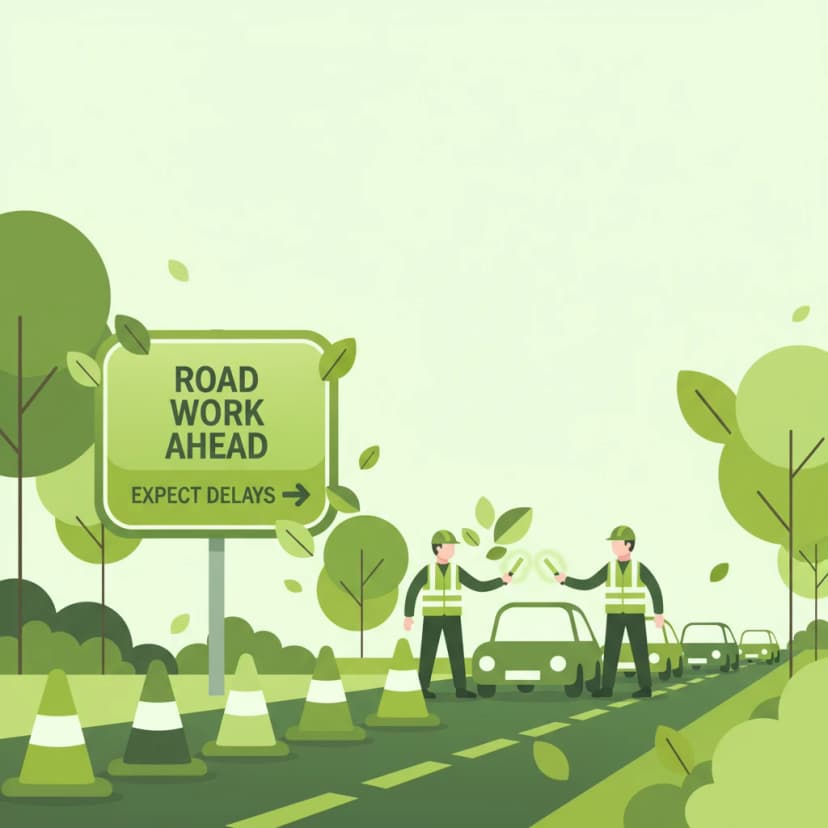
This lesson prepares you for encountering road works, a common feature on any road network. You will learn that signs and markings related to road works are often yellow and that they temporarily override permanent white markings and signs. The curriculum stresses the importance of adhering to temporary speed limits, being alert for workers and machinery, and navigating narrowed lanes. It also covers how to follow diversion routes ('omleiding') and obey instructions given by traffic controllers.
This lesson focuses on the rules governing interactions with pedestrians. You will learn the absolute requirement to stop for pedestrians who are on or clearly intending to cross at a designated zebra crossing. The curriculum also covers how to share the road in a 'woonerf' (home zone) where pedestrians have priority. It emphasizes being particularly cautious around children, the elderly, and disabled pedestrians, who may require more time or behave unpredictably.
This lesson covers the procedures and safety considerations for driving in reverse and turning around. You will learn that reversing should only be done over short distances and when it does not endanger or obstruct other road users. The curriculum details techniques for turning in the road and identifies situations and locations where U-turns are prohibited. The importance of all-around observation, checking blind spots, and yielding to all other traffic is a central theme.
This lesson details the specific regulations for driving on Dutch motorways, identifiable by the G1 sign. You will learn the correct procedure for joining the flow of traffic using the acceleration lane and for leaving via the deceleration lane. The curriculum reinforces the 'keep right unless overtaking' rule for lane discipline. It also explains that stopping is strictly forbidden, and the hard shoulder (vluchtstrook) may only be used for genuine emergencies.
This lesson addresses special situations where standard priority rules are superseded. You will learn the absolute priority of emergency vehicles using sirens and flashing lights, and the correct procedure for giving them way safely. The content also explains the specific priority rules for trams, which often have right-of-way over other traffic, as well as for military columns and official funeral processions. Furthermore, the lesson reinforces the rules for yielding to pedestrians at designated zebra crossings.
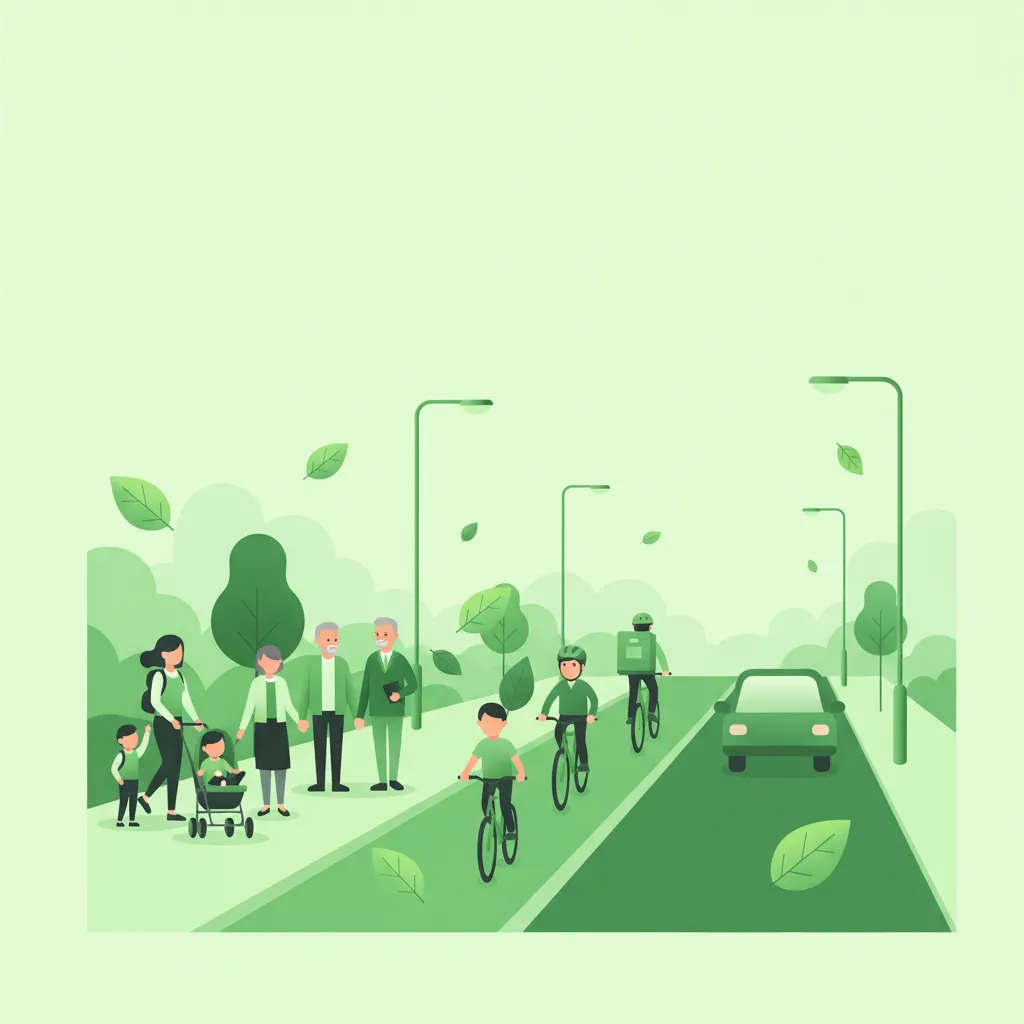
As a motorized road user, you have a special responsibility towards more vulnerable participants. This lesson focuses on the rules giving priority to pedestrians at marked zebra crossings and the importance of anticipating the movements of cyclists, children, and the elderly. You will learn about maintaining a safe lateral distance when overtaking cyclists and how to navigate shared spaces with heightened awareness, a key component of social and safe driving behavior.
Find clear answers to common questions learners have about Children, Elderly, and Disabled Road Users. Learn how the lesson is structured, which driving theory objectives it supports, and how it fits into the overall learning path of units and curriculum progression in the Netherlands. These explanations help you understand key concepts, lesson flow, and exam focused study goals.
Children can be impulsive, easily distracted, and may not have fully developed spatial awareness or an understanding of traffic risks. They might suddenly run into the road without looking, especially when playing or chasing a ball. Drivers must anticipate this unpredictability, particularly near schools, playgrounds, and residential areas, and be prepared to brake suddenly.
Elderly individuals may move more slowly than other pedestrians, take longer to cross roads, and might have reduced hearing or vision. It’s essential to be patient, give them ample time and space, and avoid honking or revving your engine, which could startle them. Always ensure they have safely cleared the roadway before proceeding.
Look for visual cues such as a white cane, which indicates a visually impaired person. Guide dogs also signify that a person may have a visual impairment. Individuals using wheelchairs, crutches, or walking frames also require extra space and consideration. These signs mean you should give them extra room and time to navigate traffic safely.
Yes, even if there isn't a specific speed limit sign, drivers should always significantly reduce speed and be extra vigilant near schools and playgrounds. Be prepared for children to enter the road unexpectedly. Often, temporary speed limits (e.g., 30 km/h) are in place during school drop-off and pick-up times, and these must be strictly adhered to.
CBR exam questions often present scenarios where you must demonstrate your understanding of how to interact with vulnerable road users. You'll be tested on anticipating their behaviour, choosing the correct speed, and knowing when to yield or stop to ensure their safety. Correctly answering these questions shows you can apply defensive driving principles.