
This lesson teaches you the art of strategic lane positioning for A1 motorcycles, going beyond simply staying centered. You'll learn how choosing the right spot in your lane significantly enhances your visibility and safety in Dutch traffic. This foundational skill is crucial for effective road sharing and is vital for your CBR A1 theory exam.

Riding a motorcycle offers unparalleled freedom, but it also demands a heightened awareness of road safety. One of the most critical aspects of safe motorcycling, especially for those pursuing their Dutch A1 Motorcycle Theory qualification, is mastering correct lane positioning. This goes beyond simply staying within the lines; it involves a strategic, dynamic approach to maximize your visibility, maintain stability, and create a protective space cushion around your vehicle. This lesson will delve into the core principles, legal requirements, and practical applications of optimal lane positioning for motorcyclists in mixed traffic under Dutch traffic law.
The narrow profile of a motorcycle makes it inherently less visible than a car or truck. Consequently, motorcyclists must actively manage their presence on the road to ensure other road users see them. Strategic lane positioning is a proactive safety measure that directly addresses common risks faced by motorcyclists, such as being overlooked in blind spots or encountering hazardous road surfaces.
Many drivers, especially those in cars, often focus their attention primarily on other cars. A motorcycle can easily be missed, particularly if it occupies a position that falls within a vehicle's blind spots or does not stand out prominently in their mirrors. By intentionally positioning your motorcycle in what is known as the mirror-visibility zone, you dramatically increase the likelihood of being seen. This early detection by other drivers is crucial, allowing them more time to react to your presence and reducing the risk of collisions.
Road surfaces are not uniformly safe across the entire width of a lane. The centre line strip, often found in the middle of a lane, is particularly notorious. This area frequently accumulates oil, rubber, and other debris, becoming exceptionally slick when wet. Riding directly on this strip can significantly reduce your tyre grip, increasing the risk of skidding or losing control, especially during braking or cornering. Strategic lane positioning involves actively avoiding these hazardous areas, choosing cleaner, grippier parts of the lane.
A space cushion is a buffer zone that provides you with precious time and space to react to unexpected events. This cushion isn't just about the distance to the vehicle in front; it also includes lateral (side-to-side) distance from adjacent vehicles and obstacles. By positioning your motorcycle strategically, you create this vital buffer, giving you more room to maneuver, stop, or swerve if necessary. This extra margin can be the difference between a near miss and a serious accident.
The combined benefits of increased visibility, safer road surfaces, and a robust space cushion directly contribute to improved rider reaction time. When you are clearly seen, have stable traction, and possess ample room, your ability to perceive a hazard, decide on a course of action, and execute that action safely is greatly enhanced. This proactive approach to lane positioning helps reduce the mental workload on the rider, leading to more confident and safer riding habits over time.
Effective lane positioning is a dynamic skill, requiring constant observation, anticipation, and adjustment. It’s built upon several core principles that, when understood and applied, form the foundation of safe motorcycle riding.
The mirror-visibility zone is the lateral region within a lane where your motorcycle is clearly seen in the rear-view and side-view mirrors of surrounding vehicles. It's often misunderstood that riding in the dead-centre of a lane is the safest. In reality, this position can make you invisible to drivers who primarily scan for traffic in their mirror zones, especially if your motorcycle is directly behind a vehicle's body, obscuring it from view.
When following another vehicle, the goal is to position your motorcycle so that it is within the field of view of either their left or right side mirror, or even their rear-view mirror if you are further back. This ensures that the driver ahead has you in their line of sight, reducing the chance of them making a sudden lane change or turn without noticing you. Constantly assessing where you are in relation to other drivers' mirrors is a fundamental aspect of proactive safety.
Wheel-track positioning involves intentionally placing your motorcycle's wheels directly behind (or adjacent to) the left or right wheel track of a leading vehicle. This technique provides several advantages:
The choice between the left or right wheel track depends on the specific situation: traffic flow, road width, and the need for greater visibility or a cleaner surface. For instance, in right-hand traffic, positioning in the left wheel track often maximizes visibility to oncoming traffic and vehicles preparing to turn left. Conversely, the right wheel track might be preferred if the right side of the lane offers better surface conditions or provides a better view for merging traffic.
A space cushion is a critical safety buffer, encompassing both lateral (side-to-side) and longitudinal (front-to-back) distances around your motorcycle.
Continuously adjusting your space cushion based on your speed, traffic density, and road conditions is essential for giving yourself sufficient time to perceive, decide, and act in emergency situations. Dutch traffic law, specifically RVV 1990 Art. 11, mandates maintaining a safe following distance.
Motorcycles have a relatively small tyre contact patch, meaning even minor changes in road surface can significantly impact grip and stability. Therefore, surface-condition awareness is paramount. You must continuously assess the road for:
By identifying these variations, you can adapt your lane position accordingly, shifting to a drier, cleaner, or more stable portion of the lane. This might involve moving to the wheel track of a leading vehicle or closer to the lane edge if that offers a better surface.
Safe riding is rarely static. Dynamic re-positioning refers to the continuous, subtle adjustments of your lateral and longitudinal lane position in response to changing traffic dynamics, potential hazards, and environmental factors. This isn't about abrupt lane changes, but rather micro-adjustments that maintain your optimal safety envelope throughout your journey.
Examples include:
This continuous scanning and adjustment is a hallmark of an experienced and safe motorcyclist, integrating seamlessly with throttle, steering, and brake inputs.
The Dutch traffic regulations, primarily outlined in the Reglement Verkeersregels en Verkeerstekens 1990 (RVV 1990), provide the legal framework for all road users, including motorcyclists. While they do not explicitly detail "wheel-track positioning," they embed principles that strongly support the strategies discussed.
RVV 1990 Article 20 states that a vehicle must position itself so that it does not obstruct the view of other road users and ensures it can be seen. This article directly underpins the concept of the mirror-visibility zone. For motorcyclists, this means actively choosing a lane position that makes you clearly visible in the mirrors of surrounding cars and trucks, rather than being hidden in their blind spots.
RVV 1990 Article 11 mandates that drivers maintain a distance that allows safe stopping, considering their speed and vehicle length. For motorcycles, this translates to maintaining a substantial longitudinal space cushion (time headway). While general guidelines suggest a 1-second gap, many riding experts, especially at higher speeds, recommend a minimum of 1.5 seconds due to motorcycles' potentially higher braking deceleration and the need for greater reaction time.
RVV 1990 § 3.3 requires drivers to adjust their speed and vehicle control according to road conditions, particularly when the surface is wet or slippery. This rule directly supports the principle of surface-condition awareness. If the centre line of a lane is wet or covered in oil, a motorcyclist is legally obliged to adjust their riding, including their lane position, to maintain safety. This means moving to a part of the lane offering better grip.
RVV 1990 Article 17 stipulates that any lane change must be performed safely, with adequate signaling, and without endangering other road users. While dynamic re-positioning involves subtle shifts within a lane, any significant lateral movement that might be interpreted as a lane change requires signaling and careful observation. This ensures that your movements are predictable to other drivers.
RVV 1990 Article 57 specifically addresses motorcycles, allowing them to ride within the lane but emphasizing that they must not obstruct other traffic and must remain visible. This article grants motorcyclists the flexibility to choose their position within the lane for safety reasons, provided they adhere to the overarching principles of visibility and non-obstruction. It reinforces the idea that optimal positioning might not always be the dead-centre.
Even experienced riders can sometimes fall into habits that compromise their lane positioning. Understanding these common errors is the first step toward correcting them and fostering safer riding practices.
One of the most frequent and dangerous mistakes is riding consistently in a vehicle's blind spot. This typically means staying directly alongside a car's rear quarter panel, where you are invisible in both its rear-view and side-view mirrors.
Some riders maintain too little lateral distance from other vehicles, particularly large ones like trucks or buses. This also applies to parked cars, roadside obstacles, and even lane markings.
Failing to acknowledge and avoid the potentially slippery centre strip of a lane, especially in adverse weather, is a critical error.
Making sudden or unsignaled lateral shifts within a lane, even if not a full lane change, can be startling and dangerous for other road users.
Trucks have significantly larger blind spots, often referred to as "no zones," extending far around the vehicle. Riding too close behind, or directly alongside a truck's cab for an extended period, puts you squarely in these zones.
"Tailgating" – following too closely behind the vehicle ahead – is dangerous for any vehicle but exceptionally perilous for motorcycles due to their smaller profile and different braking characteristics.
Optimal lane positioning is never fixed; it constantly adapts to the specific driving environment. Factors like weather, road type, your motorcycle's condition, and the presence of vulnerable road users all demand different strategic choices.
Adverse weather significantly impacts traction and visibility, necessitating more conservative and deliberate lane positioning.
The characteristics of the road you're on dictate optimal positioning.
Your motorcycle's condition can also influence your lane positioning.
Motorcyclists are vulnerable users themselves, making awareness of pedestrians and cyclists particularly important.
Let's look at how these principles are applied in practical driving situations.
Setting: A narrow, two-lane city street with light rain, 40 km/h traffic. Actors: You on a motorcycle, a passenger car ahead, and a bus preparing to turn right at the next intersection. Decision Point: Choose your lane position behind the car. Correct Behavior: You assess the wet conditions and immediately recognize the centre line strip is likely slick. You move your motorcycle to the right wheel-track of the car ahead, away from the wet centre. You maintain at least a 0.5-metre lateral cushion from the car's right side and ensure a 1-second time headway (approximately 11 metres at 40 km/h) to allow for increased braking distance on the wet surface. This position also keeps you visible in the car's right-side mirror. Incorrect Behavior: You stay dead-centre on the wet lane marking. The rain makes this strip treacherous, and you are likely hidden from the car's mirrors, leaving you vulnerable if the car brakes suddenly or if the bus turning ahead doesn't anticipate your presence.
Setting: A three-lane motorway, dry conditions, 100 km/h, moderate traffic. Actors: You on a motorcycle, a heavy truck ahead in your lane, and a fast-moving car in the left lane. Decision Point: Position before overtaking the truck. Correct Behavior: You stay in the central portion of your lane, maintaining a generous 1.5-second time headway (approximately 42 metres at 100 km/h) from the heavy truck. You also ensure you're positioned slightly to the left within your lane (the truck's left wheel-track) so you are clearly visible in the truck's left-side mirror. As you prepare to overtake, you signal your intention, check your mirrors and blind spots for the fast-moving car in the left lane, and smoothly move into the left lane, maintaining a safe gap from both the truck and the car. Incorrect Behavior: You ride too close to the truck's right wheel-track, entering its right-side blind spot and making it harder for the driver to see you. You also maintain too short a following distance, limiting your time to react if the truck unexpectedly changes speed.
Setting: A residential street, low speed (25 km/h), heavy fog, intermittent street lighting. Actors: You on a motorcycle, a parked car on the right, and a cyclist approaching from the opposite direction. Decision Point: Maintain visibility while approaching the cyclist and parked car. Correct Behavior: You significantly reduce your speed to match the low visibility. You position your motorcycle slightly left of centre in your lane. This maximizes your visibility to the approaching cyclist and ensures you are within the mirror-visibility zone of any other unseen vehicles. You maintain at least a 0.5-metre lateral gap from the parked car to your right to avoid a suddenly opened door or pedestrian, and your speed allows for ample reaction time. Incorrect Behavior: You ride too close to the curb or parked car, making you less visible to the oncoming cyclist and potentially hidden behind the parked car for other drivers. The reduced lateral space also leaves no room to maneuver if a pedestrian steps out.
Setting: An open highway, dry, 90 km/h, gusty cross-wind from the right. Actors: You on a motorcycle, two cars ahead. Decision Point: Counteract wind drift while staying visible. Correct Behavior: You anticipate the potential for wind drift. To maintain your lane position and space cushion, you subtly shift your motorcycle slightly to the left within your lane, compensating for the wind force pushing you from the right. You continue to maintain your wheel-track alignment with the cars ahead and ensure you remain within their mirror-visibility zones and a safe longitudinal space cushion. Incorrect Behavior: You do not adjust your position. The gusty cross-wind pushes your motorcycle towards the right edge of the lane, significantly reducing your lateral cushion and potentially pushing you into the blind spot of the following car. This also destabilizes your ride and increases your mental workload.
The principles of correct lane positioning are not arbitrary; they are rooted in human perception, vehicle dynamics, and statistical safety data.
Mastering correct lane positioning is fundamental to safe motorcycling, particularly within the context of the Dutch A1 Motorcycle Theory curriculum. It’s a proactive strategy that enhances your safety and the safety of others on the road.
By diligently applying these principles, you will significantly reduce your risk on the road, ride with greater confidence, and contribute to safer traffic flow for everyone.
Lesson content overview
Explore all units and lessons included in this driving theory course.
Explore search topics learners often look for when studying Correct Lane Position for Motorcycles in Traffic. These topics reflect common questions about road rules, driving situations, safety guidance, and lesson level theory preparation for learners in the Netherlands.
Browse additional driving theory lessons that cover connected traffic rules, road signs, and common driving situations related to this topic. Improve your understanding of how different rules interact across everyday traffic scenarios.
Explore advanced strategies for motorcycle lane positioning in Dutch traffic. Learn how to effectively use mirror-visibility zones and avoid blind spots to maximize your presence and safety on the road, crucial for your A1 license theory.

This lesson explains that where you ride in your lane is a critical safety choice. You will learn to avoid lingering in the blind spots ('dode hoek') of cars and trucks, and how to position yourself to be clearly visible in their mirrors. The content teaches you to constantly adjust your lane position to create a space cushion and ensure you always have a planned escape path in case of an emergency.

This lesson covers the critical safety practice of maintaining 360-degree awareness through the effective use of mirrors and blind-spot checks. It details a systematic approach to scanning mirrors and performing a physical head check (shoulder check) before any change in position or direction. Understanding the limitations of mirrors and identifying the motorcycle's blind spots are key learning outcomes for preventing collisions with other vehicles.

This lesson provides critical instruction on managing blind spots ('dode hoek') to prevent collisions, particularly during lane changes. It covers the correct setup and use of mirrors, but stresses their limitations and the absolute necessity of the 'lifesaver' shoulder check before any lateral movement. Furthermore, it teaches riders how to be aware of the large blind spots around cars and especially trucks, and how to position themselves on the road to remain visible to other drivers at all times.

Safely merging and changing lanes requires a systematic approach known as 'mirror-signal-blind spot'. This lesson explains the correct procedure for entering a carriageway from an acceleration lane, ensuring you match the speed of the traffic flow and find a safe gap. It also covers the technique for changing lanes, emphasizing the critical importance of checking your blind spot with a shoulder check (dode hoek) before making any lateral movement to prevent collisions.
This lesson covers strategies for safely navigating around vehicles at both ends of the size spectrum. It details the large blind spots ('no-zones') around trucks and buses and advises on where to position a motorcycle to remain visible. Equally, it emphasizes the duty of care towards vulnerable road users, teaching riders to anticipate the movements of pedestrians and cyclists and to always provide them with ample space when passing.
This lesson focuses on the meaning of different road markings and their implications for motorcycle lane discipline. You will learn the legal distinction between solid and broken lines regarding overtaking, how to interpret directional arrows for lane choice, and the rules for using special lanes. The content emphasizes maintaining a safe and strategic position within the lane to maximize visibility and create a safety buffer from other vehicles.

This lesson provides a step-by-step guide to executing a safe and legal overtaking maneuver. It covers the entire process: assessing the situation for a sufficient gap in oncoming traffic, performing necessary mirror and shoulder checks, signaling intent, and accelerating decisively. The lesson also highlights situations where overtaking is prohibited by law, such as before pedestrian crossings or where there are solid white lines.
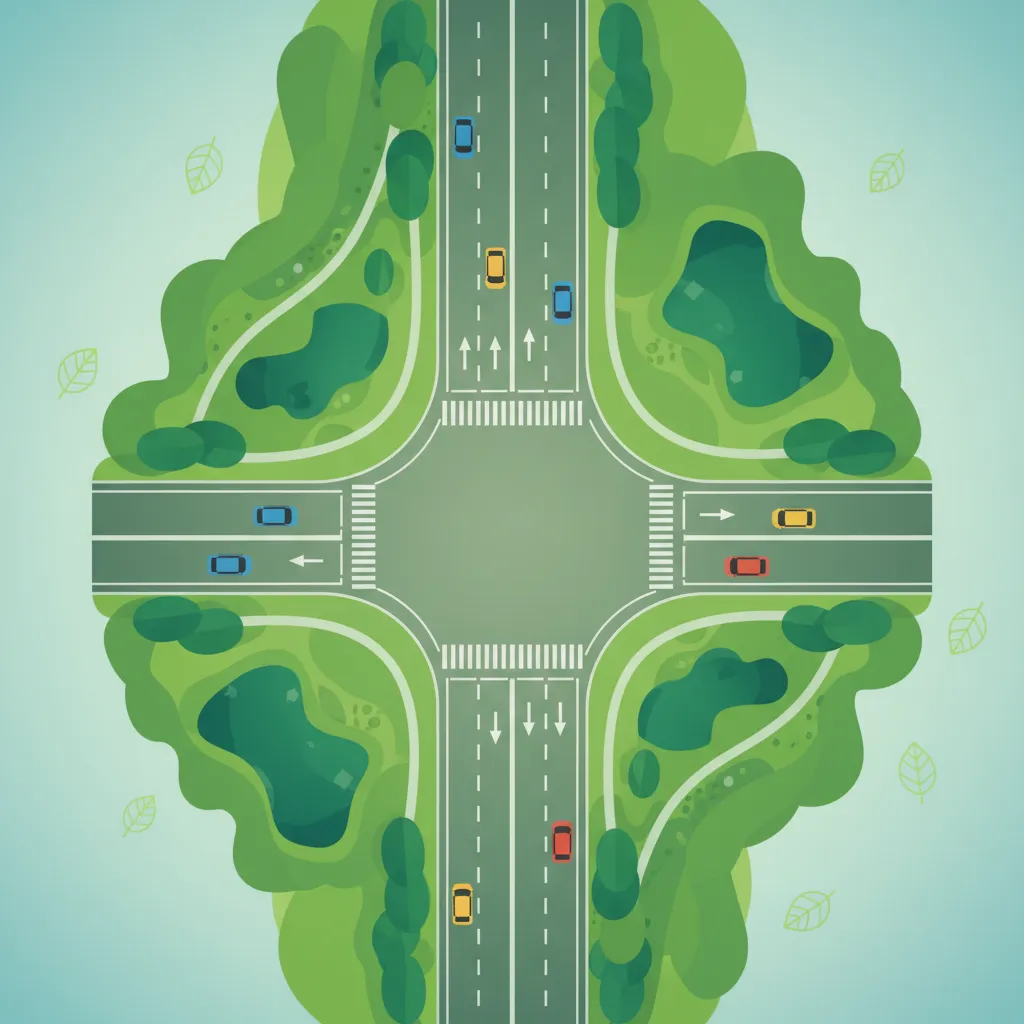
This lesson provides a detailed explanation of the various markings painted on the road surface, which are as legally binding as physical signs. It clarifies the rules associated with solid and broken white lines, including restrictions on crossing them, and the function of arrows, chevrons, and text painted in lanes. A thorough understanding of these markings is fundamental for correct lane discipline, positioning, and safe maneuvering on a motorcycle.

This lesson reinforces the fundamental rule of Dutch highway driving: use the rightmost lane available and use the lanes to the left only for overtaking. You will learn the complete, safe overtaking procedure: check mirrors, signal, perform a shoulder check for the blind spot, smoothly move over, accelerate past the vehicle, and then return to the right lane when safe.
This lesson details the interpretation of Dutch warning signs, which alert riders to potential dangers and changing road conditions. You will study signs indicating sharp curves, road narrowing (BORD 30), and temporary hazards like road works (BORD 36), learning to adjust speed and road position proactively. The content emphasizes how the A2 motorcycle's characteristics require earlier hazard recognition and response compared to other vehicles for maintaining control.
Understand how to position your motorcycle within a lane to avoid hazardous road surfaces like oil strips and debris. This lesson focuses on maintaining stability and grip, essential knowledge for Dutch traffic rules and CBR theory.
This lesson explains that where you ride in your lane is a critical safety choice. You will learn to avoid lingering in the blind spots ('dode hoek') of cars and trucks, and how to position yourself to be clearly visible in their mirrors. The content teaches you to constantly adjust your lane position to create a space cushion and ensure you always have a planned escape path in case of an emergency.
This lesson provides critical instruction on managing blind spots ('dode hoek') to prevent collisions, particularly during lane changes. It covers the correct setup and use of mirrors, but stresses their limitations and the absolute necessity of the 'lifesaver' shoulder check before any lateral movement. Furthermore, it teaches riders how to be aware of the large blind spots around cars and especially trucks, and how to position themselves on the road to remain visible to other drivers at all times.
This lesson focuses on the meaning of different road markings and their implications for motorcycle lane discipline. You will learn the legal distinction between solid and broken lines regarding overtaking, how to interpret directional arrows for lane choice, and the rules for using special lanes. The content emphasizes maintaining a safe and strategic position within the lane to maximize visibility and create a safety buffer from other vehicles.
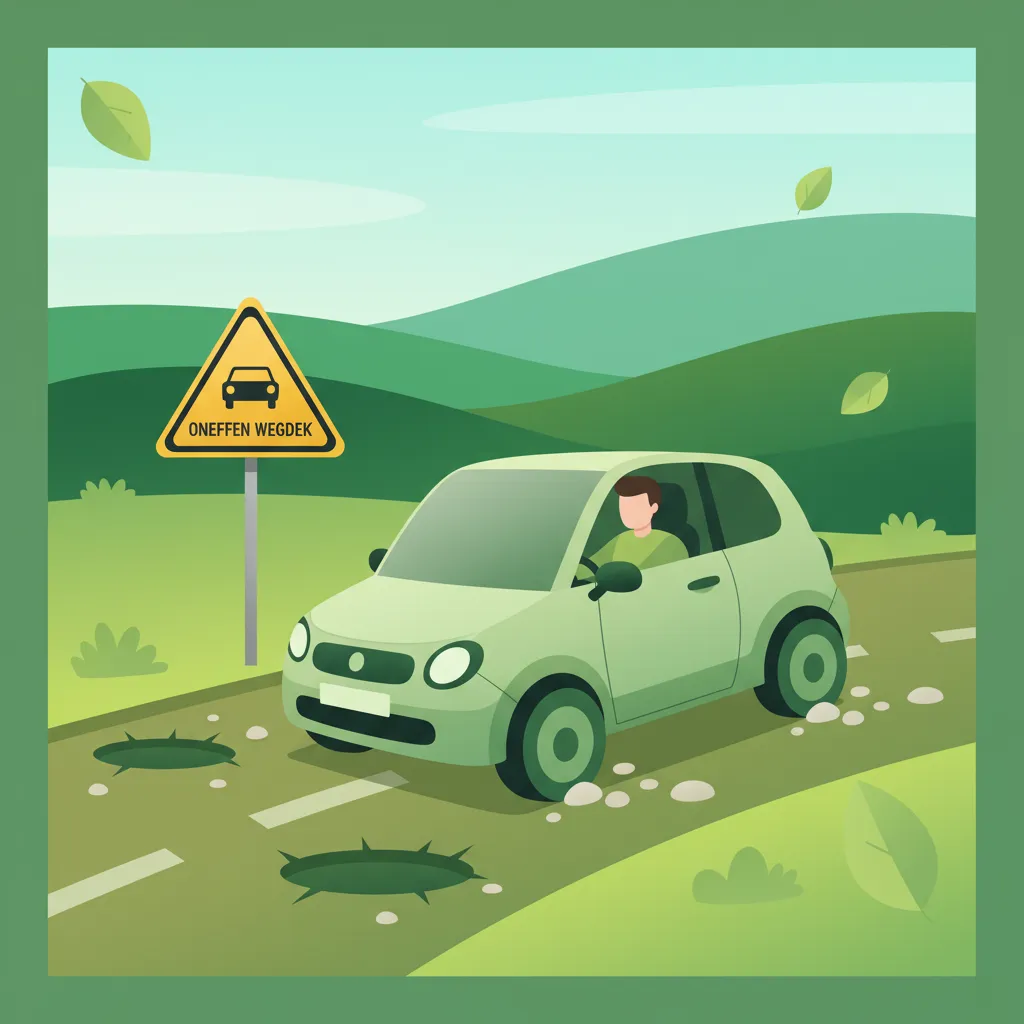
This lesson prepares you to deal with sudden changes in road surface that can cause a loss of traction. You will learn to scan for these hazards and, if they cannot be avoided, how to ride over them safely. The key technique is to keep the motorcycle upright and maintain smooth, steady control inputs—no abrupt braking, accelerating, or steering—to minimize the risk of a skid.

This lesson introduces the Dutch concept of 'voorspellend rijgedrag,' or anticipatory riding, a proactive approach to safety. It teaches motorcyclists how to look beyond the immediate vehicle in front and scan for clues that predict the actions of other road users, such as turn signals, wheel direction, and driver head movement. By anticipating potential conflicts before they happen, riders can position themselves to avoid danger and ensure a smoother, safer journey through complex traffic.

This lesson provides a detailed framework for how motorcyclists must safely and legally interact with diverse road users, including cars, trucks, cyclists, and pedestrians. It covers the required communication signals, anticipatory behaviors, and specific positioning techniques necessary to coexist in complex traffic environments like urban centers and shared spaces. Emphasis is placed on legal expectations and practical methods that actively reduce collision risk and promote smooth traffic flow.
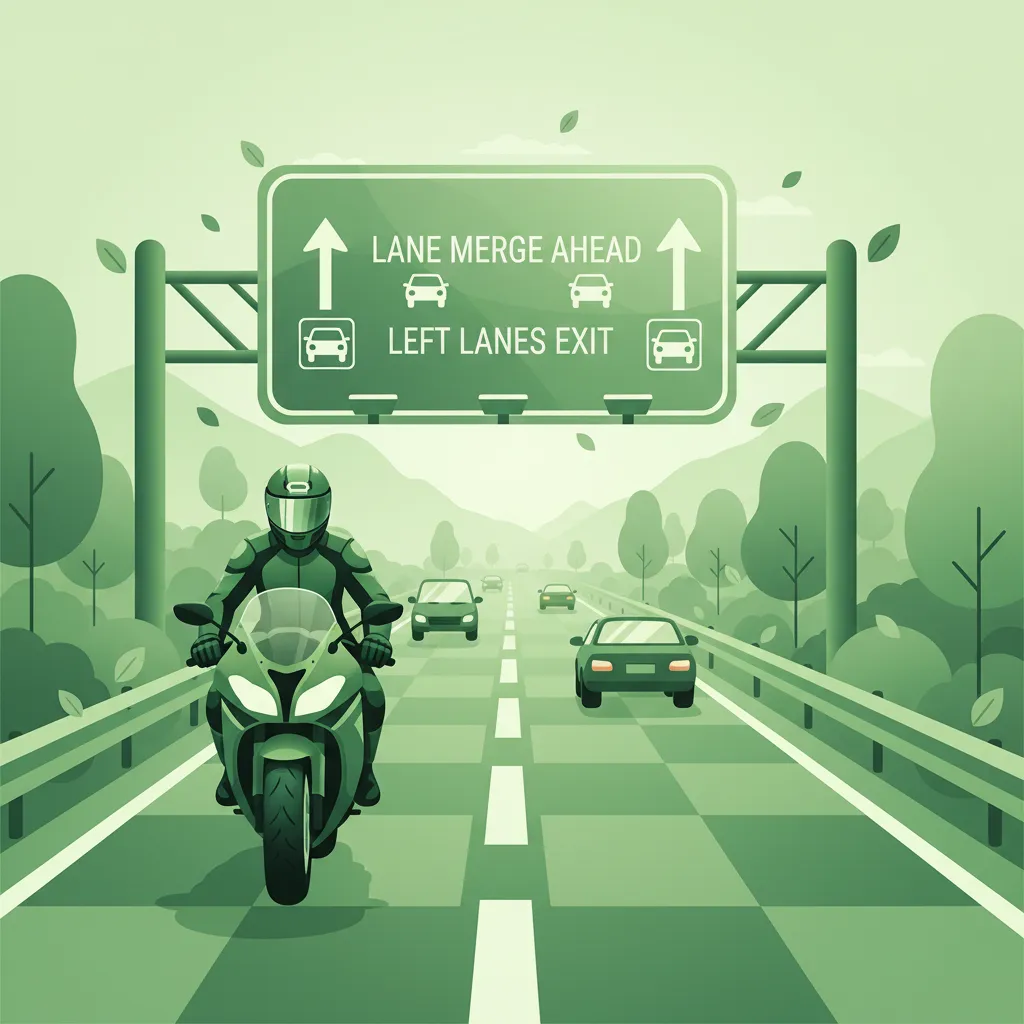
This lesson prepares you for the unique dangers of high-speed highway riding. You will learn to scan for and navigate road hazards like debris, potholes, and slippery steel expansion joints on bridges. The content also addresses the powerful air turbulence created by large trucks that can upset a motorcycle's stability and the mental challenge of maintaining focus on long, monotonous stretches of road.
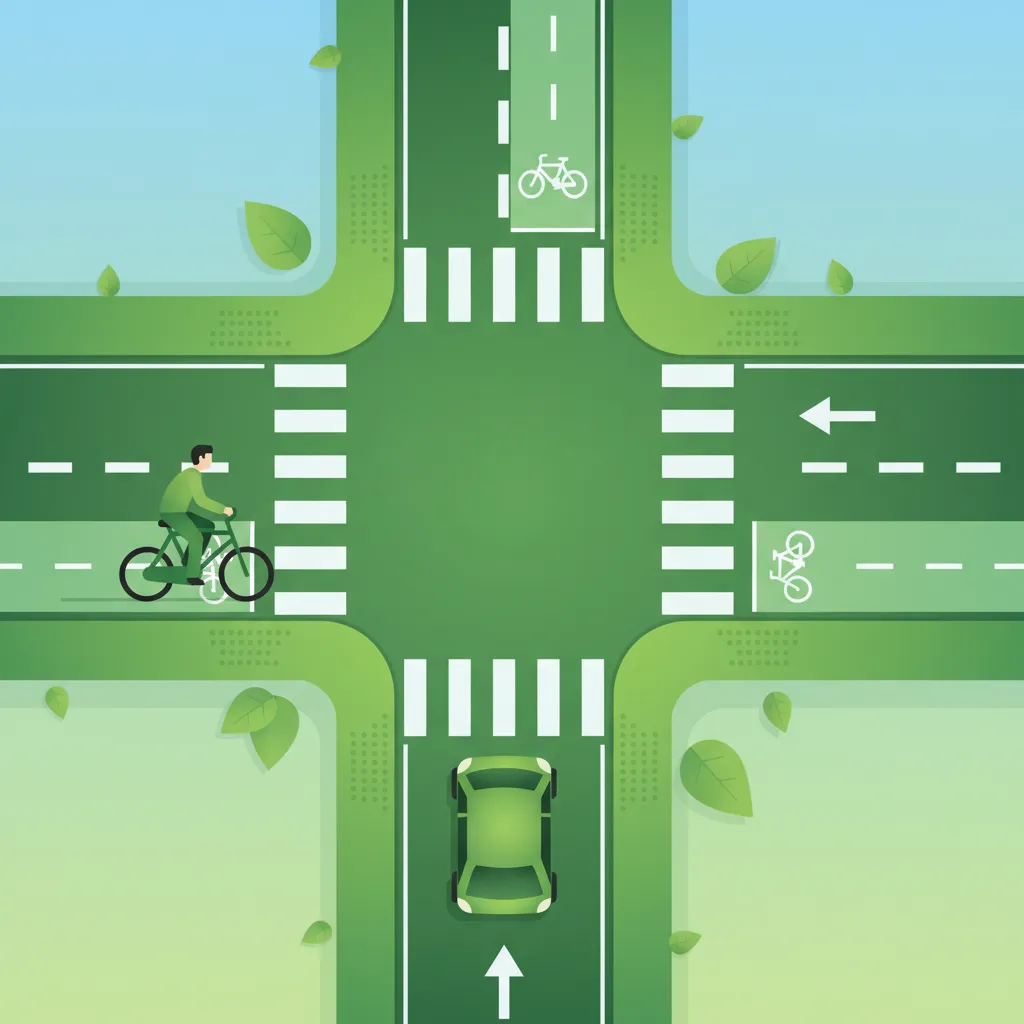
This lesson explores the legal meaning of various road surface markings, including solid and broken lane delimiters, directional arrows, and special-purpose lane indicators. It describes how markings dictate permitted maneuvers, such as overtaking and lane changes, and alert riders to upcoming hazards or changes in road layout. The content also examines the relationship between markings and road design in the Netherlands, emphasizing how a motorcyclist must interpret these visual cues for safe positioning.

This lesson addresses the specific challenge of cornering when road grip is compromised. It teaches riders how to identify potential low-traction surfaces like wet manhole covers, painted lines, gravel, or oil patches. The content focuses on techniques to mitigate risk, such as reducing speed, minimizing lean angle, and applying all control inputs—braking, steering, and throttle—with exceptional smoothness to avoid overwhelming the available grip.

This lesson covers the specific articles of the Dutch Road Traffic Act that apply to motorways, with a primary focus on the strict rule of keeping to the rightmost available lane unless overtaking. It explains the legal and safety reasons for only passing on the left and discusses the correct positioning within a lane for maximum visibility and safety. The content also addresses the nuances of lane usage during heavy congestion, ensuring riders comply with the law and contribute to smooth traffic flow.
Find clear answers to common questions learners have about Correct Lane Position for Motorcycles in Traffic. Learn how the lesson is structured, which driving theory objectives it supports, and how it fits into the overall learning path of units and curriculum progression in the Netherlands. These explanations help you understand key concepts, lesson flow, and exam focused study goals.
Riding in the exact center often puts you over oil slicks, debris, or raised road markings, which can reduce grip. More importantly, it can place you directly in a car's blind spot or out of their rear-view mirror's main field of vision. Strategic positioning in the wheel tracks improves your visibility and access to escape routes.
Your choice depends on the situation. Generally, aim for the position that gives you the best view ahead, makes you most visible to other drivers, and offers an escape route. For example, when approaching an intersection, positioning to the left might give you a better view of oncoming traffic, while to the right might be safer if you anticipate a right turn.
Yes, absolutely. Strategic lane positioning is crucial for cornering. You typically want to approach a corner from the outside of your lane, move towards the apex (the innermost point) of the curve, and then exit towards the outside again. This creates a wider, smoother arc and improves your sightline through the bend. This is covered in more detail in the 'Cornering, Leaning and Stability' unit.
Yes, as an A1 motorcyclist, you are entitled to use the full width of your lane. While cars often stick to a specific 'lane position,' motorcyclists have the flexibility and responsibility to move within their lane to enhance safety, visibility, and prepare for maneuvers. This is a key aspect of proactive riding and is tested in the CBR theory exam.
Correct lane positioning is a fundamental tool for hazard perception. By consciously choosing your lane position, you can actively improve your line of sight around vehicles, over crests, and through turns. This allows you more time to identify and react to potential dangers, such as merging traffic, pedestrians, or road debris, significantly increasing your safety.