
Welcome to the Category A motorcycle license unit! This lesson focuses on the essential steps you need to follow to obtain your unrestricted motorcycle license in the Netherlands. We'll guide you through the licensing process and the structure of the CBR theory and practical exams, ensuring you know exactly what to expect.
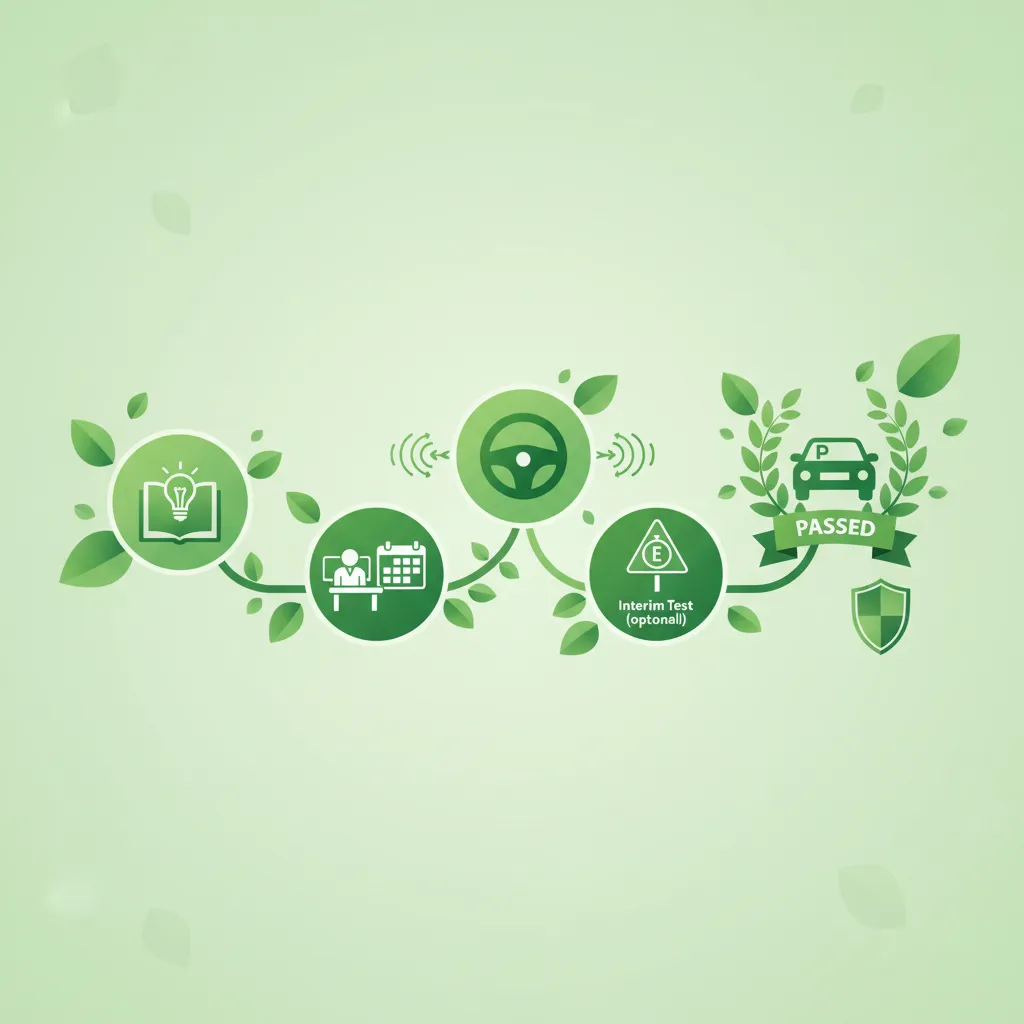
Embarking on the journey to obtain a motorcycle license in the Netherlands requires a clear understanding of the Centraal Bureau Rijvaardigheidsbewijzen (CBR) process. This comprehensive lesson details every stage of the Dutch motorcycle licensing pathway for Category A, which encompasses A1, A2, and unrestricted A licenses. We will cover the initial application, mandatory documentation, scheduling procedures, the specific composition of the CBR theory exam (including knowledge questions and hazard perception), practical exam components, re-examination policies, time limits for completion, and the legal validity of your issued motorcycle driver's license.
Mastering the intricacies of the licensing process is crucial for several reasons. It ensures legal compliance, helps you avoid administrative pitfalls, and allows you to dedicate your focus to effective preparation rather than procedural hurdles. A thorough grasp of the exam structure is an indispensable foundation for crafting an efficient study plan and ultimately meeting the legal criteria required to safely and legally ride a motorcycle on Dutch public roads.
The Dutch motorcycle licensing system operates on a progressive structure, aligning with European Union directives. This means that riders often begin with lower-powered categories and can upgrade to more powerful motorcycles as they gain age and experience. Understanding these categories is fundamental before starting your application.
This license allows you to ride light motorcycles with a maximum engine capacity of 125 cc, a maximum power output of 11 kW, and a power-to-weight ratio not exceeding 0.1 kW/kg. The minimum age for Category A1 is 17 years for supervised riding and 18 years for independent riding.
This license is for motorcycles with a maximum power output of 35 kW and a power-to-weight ratio not exceeding 0.2 kW/kg. Importantly, the motorcycle must not be derived from a vehicle with more than double its engine power. The minimum age for Category A2 is 18 years. You must hold an A1 license for at least two years before upgrading to A2, or you can take direct access if you are 20 years old.
The unrestricted Category A license permits you to ride any motorcycle, regardless of power or weight. This is the highest motorcycle license category. The minimum age for direct access to Category A is 24 years. If you are upgrading from an A2 license, you must have held your A2 license for at least two years and be at least 22 years old.
This progressive system is designed to enable gradual skill acquisition and exposure to risk, ensuring that riders develop competence responsibly.
The process of obtaining your Dutch motorcycle license officially begins with submitting an application to the CBR (Centraal Bureau Rijvaardigheidsbewijzen), the central authority responsible for driver's license examinations in the Netherlands. This formal procedure involves registration, payment of fees, and the submission of essential documentation.
It is a common misunderstanding that holding a standard car driver's license (Category B) automatically grants you rights to ride a motorcycle. This is incorrect; a separate, dedicated motorcycle license is always required. Each motorcycle category (A1, A2, A) necessitates its own specific application and examination process, or a formal upgrade after meeting age and experience requirements.
Presenting the correct and valid documentation is a critical step in the motorcycle licensing process. Failure to provide any of the required items can lead to delays in your application, or even its rejection. Ensure all documents are current and meet the specified standards.
Always double-check the expiry dates of your identification documents well in advance of your exam dates.
The essential documents you must present to the CBR are:
A common mistake is submitting an expired ID or a photo that does not meet the strict biometric requirements, leading to processing delays. Always verify the current standards with the CBR or your driving school.
The CBR theory exam for Category A motorcycles is a comprehensive assessment designed to evaluate your theoretical knowledge of traffic rules, road signs, and your ability to perceive and react to hazards. It is a computer-based examination comprising two distinct components that must both be passed in a single sitting: the Multiple-Choice Test (MCT) and the Hazard Perception Test (HPT).
The MCT consists of 60 questions covering a wide range of topics essential for safe motorcycling. These include Dutch traffic legislation (RVV 1990), road signs and signals, priority rules, safe following distances, environmental considerations, and motorcycle-specific safety aspects.
No calculators, reference materials, or electronic devices are permitted during the theory exam. The test environment is strictly monitored.
The HPT is a critical component that assesses your ability to identify developing hazards on the road. This section uses video clips to simulate real-world driving situations, requiring you to demonstrate dynamic risk assessment skills.
Both the MCT and HPT must be passed in the same examination session. If you fail either component, you fail the entire theory exam and must retake both parts. The HPT cannot be retaken independently.
The practical examination is the final hurdle to obtaining your Dutch motorcycle license. Conducted by a CBR examiner, this on-site assessment rigorously evaluates your motorcycle control, your ability to interact safely with traffic, and your adherence to all applicable traffic rules. It is typically divided into two distinct phases: the Vehicle Control Test (AVB) and the Traffic Participation Test (AVD).
The AVB (Voertuigbeheersing) test focuses on your motorcycle handling skills in a controlled environment, usually a closed circuit or a designated area at the CBR test centre. This phase assesses your ability to control the motorcycle at various speeds and in different situations.
Following a successful AVB, you proceed to the AVD (Verkeersdeelneming) test, which assesses your ability to apply your riding skills safely and confidently in real traffic conditions.
It is a common misunderstanding that a pass in the circuit manoeuvres automatically guarantees a pass on the road. These are independently evaluated components, and proficiency in both is essential.
The CBR understands that passing examinations can be challenging, and they have established clear re-examination policies for both theory and practical tests. These policies define the number of attempts allowed, mandatory waiting periods between attempts, and the conditions for retaking exams.
Attempting to schedule a retake before the mandatory waiting period has elapsed will result in the CBR system rejecting your booking. Always adhere to these specified intervals.
Each retake attempt incurs new examination fees. The re-examination policy aims to strike a balance between providing opportunities for candidates to demonstrate competence and ensuring public safety by preventing repeated, unprepared attempts.
Understanding the time limits and validity periods associated with your motorcycle license is crucial for a smooth licensing process and for maintaining your legal right to ride. These deadlines ensure that skills and knowledge remain current.
Do not assume your license is automatically renewed. You are responsible for initiating the renewal process before your license expires to avoid riding illegally.
The successful completion of both the theory and practical examinations culminates in the issuance of your Dutch Category A motorcycle license. This marks the formal granting of your legal right to operate a motorcycle on public roads.
The issuance of your license signifies that you have met the legal requirements and demonstrated the necessary knowledge, hazard awareness, and practical skills to safely participate in traffic as a motorcyclist.
The entire motorcycle licensing process is governed by a comprehensive set of Dutch traffic laws and CBR regulations. Adherence to these rules is not merely bureaucratic; it underpins road safety and ensures fairness and consistency in the assessment process.
| Rule | Applicability | Rationale | Correct Example | Incorrect Example |
|---|---|---|---|---|
| Minimum age of 18 years for unrestricted Category A | All applicants for unrestricted A | Aligns physiological maturity with high-risk vehicle operation. | A 19-year-old applies for Category A directly. | A 16-year-old attempts to obtain Category A. |
| Mandatory valid ID & passport-photo | All license applications | Enables identity verification and prevents fraud. | Peter presents a current Dutch ID and compliant photo. | Peter presents an expired passport. |
| Theory exam pass: ≥ 75% MCT & ≥ 50% HPT | All candidates | Guarantees sufficient knowledge and hazard awareness. | Anke scores 48/60 MCT and 70 pts HPT, passes theory. | Bram scores 44/60 MCT but passes HPT, fails overall. |
| Theory result validity: 2 years for practical test | After passing theory | Prevents indefinite postponement of practical assessment. | Luca passes theory in March 2024, schedules practical before March 2026. | Sophie passes theory in Jan 2023, tries to schedule practical in June 2025 (expired). |
| Max three attempts per exam component | Theory and practical exams | Balances opportunity for remediation with public safety. | Mark fails theory twice, passes on the third attempt. | Eva fails theory four times, application withdrawn. |
| Mandatory safety gear during practical exam | Practical examination | Reduces injury risk during on-road testing. | Luca wears approved helmet, gloves, boots, high-vis vest. | Sophie wears only a helmet, fails for non-compliance. |
| Licence renewal every 10 years (or if medically unfit) | All license holders | Ensures ongoing competence and health suitability. | Maria renews her license at year 10. | Tom does not renew, rides with expired license (illegal). |
| Carrying licence while riding | All times when operating a motorcycle | Enables immediate verification by police. | Jan has his license in his jacket pocket. | Eva rides without license, gets fined. |
| Mandatory 2-week wait after failed theory | After any theory failure | Allows candidates to study further before retaking. | Mark waits 3 weeks before re-booking his theory. | Eva attempts re-booking 3 days later (system blocks). |
| Mandatory 1-month wait after failed practical | After any practical failure | Provides time for skill improvement before retaking. | Sophie waits 5 weeks before re-attempting practical. | Tom attempts re-booking after 2 weeks (rejected). |
Navigating the licensing process can be complex, and certain common mistakes or violations can lead to significant setbacks. Awareness of these pitfalls can help you avoid delays, additional costs, and even legal repercussions.
| Situation | Why It’s Wrong | Correct Behaviour | Consequence |
|---|---|---|---|
| Attempting to schedule a practical exam after the 2-year theory validity has expired. | The theory result is no longer valid. | Reschedule practical exam within the 2-year window or retake theory. | Practical exam cannot be booked; theory exam must be retaken. |
| Using a motorcycle for the practical exam that does not meet category specifications (e.g., too powerful for A1). | Vehicle does not comply with the specific license category requirements. | Use a CBR-approved test motorcycle that matches the exam category. | Exam invalidated; must repeat exam on the correct motorcycle. |
| Submitting a passport photo with reflections on glasses or an outdated image. | Photo does not meet strict biometric standards for identification. | Submit a clear, reflection-free, and recent photo (without glasses if they reflect). | Application delayed; photo rejected. |
| Failing only the Hazard Perception Test (HPT) and attempting to retake just that component. | HPT cannot be retaken independently; it's part of the full theory exam. | Register for a complete theory re-exam (both MCT and HPT). | Separate HPT retake denied; full theory failure recorded. |
| Attending the practical exam without mandatory safety gear (e.g., missing gloves or boots). | Violates safety-gear requirements and endangers the candidate. | Wear full approved safety gear (helmet, gloves, boots, high-visibility vest). | Immediate disqualification from the practical test. |
| Booking a theory retake before the mandatory 2-week waiting period has passed. | Violates CBR regulations on waiting periods. | Wait at least 14 days after failing before booking a new slot. | Booking denied by the system; potential additional fees for rescheduling. |
| Riding a motorcycle after obtaining the license, but forgetting to carry the physical license. | Legal requirement to present license on demand to law enforcement. | Always keep your valid license in a readily accessible location. | Police fine; potential additional penalties if unlicensed driving is assumed. |
| Exceeding the maximum allowed three attempts for a theory or practical exam component. | Exceeds CBR limits for repeated attempts; application withdrawal. | Submit a new license application after any specified cooling period. | Current license application withdrawn; restart the entire process, incurring new fees. |
| Attempting to ride a motorcycle on a foreign (non-EU) license without proper conversion in the Netherlands. | Non-EU licenses may not be recognized for Category A without conversion. | Apply for conversion to a Dutch license if eligible, or obtain a new Dutch license. | Illegal riding; possible fines, insurance invalidation, and legal issues. |
| Not requesting postponement of a practical test due to severely adverse weather conditions (e.g., heavy fog, black ice). | Prioritizes adhering to schedule over safety, despite rules allowing postponement. | Contact the CBR or your driving school to request postponement through official channels. | Increased safety risk during the test; potential for an unfair failure. |
The practical application of your motorcycle license and the skills learned extend beyond the ideal conditions of a test. Various environmental and situational factors can significantly impact riding safety and technique. Understanding these conditional variations is essential for defensive and responsible riding.
The structured and rigorous nature of the Dutch motorcycle licensing process is not arbitrary; it is built upon fundamental principles of safety, legal consistency, and progressive competence. Each stage is meticulously designed to verify that a rider possesses the necessary knowledge, risk awareness, and practical skills required to operate a motorcycle safely and legally on Dutch roads.
The underlying logic is primarily driven by safety. By requiring comprehensive theoretical and practical assessments, the CBR aims to prevent unqualified riders from endangering themselves and other road users. This systematic approach ensures that only individuals who can demonstrate a sufficient level of competence are granted the privilege to ride.
Legal consistency is another cornerstone. The Dutch licensing framework aligns with both national traffic regulations (such as the RVV 1990) and broader European Union directives (e.g., EU Directive 2006/126/EC on driving licenses). This harmonization ensures that licenses issued in the Netherlands are recognized across the EU, reflecting a consistent standard of rider competence.
The concept of progressive competence is particularly evident in the staged license structure (A1 → A2 → A) and the progression from theory to hazard perception to practical exams. This mirrors the cognitive development of risk perception and the gradual acquisition of complex motor skills, allowing riders to build experience on less powerful machines before advancing to unrestricted motorcycles.
Ultimately, correctly navigating the licensing pathway has a direct cause-and-effect relationship with your ability to ride legally and safely:
This process ensures that when you finally receive your Dutch motorcycle license, you are not only legally entitled to ride but also possess the verified skills and knowledge to do so responsibly.
Lesson content overview
Explore all units and lessons included in this driving theory course.
Explore search topics learners often look for when studying Licensing Process and Examination Structure. These topics reflect common questions about road rules, driving situations, safety guidance, and lesson level theory preparation for learners in the Netherlands.
Browse additional driving theory lessons that cover connected traffic rules, road signs, and common driving situations related to this topic. Improve your understanding of how different rules interact across everyday traffic scenarios.
Clarify the time limits for your Dutch motorcycle license, including theory exam validity, practical exam deadlines, and the validity of the issued Category A license. Learn about renewal requirements and critical dates to avoid issues.
Holding a license and owning a vehicle comes with continuous legal responsibilities. This lesson reminds you of the importance of renewing your driving license before it expires and ensuring your vehicle's insurance policy remains active. It also covers your duty to inform the relevant authorities (like the RDW) of any changes, such as a change of address. Fulfilling these administrative obligations is essential to remaining a legal and responsible road user in the Netherlands.

This lesson outlines the precise age requirements for obtaining and holding a Category AM driving license in the Netherlands. It details the minimum age for operating various AM vehicles and explains the validity period of the license and the renewal process. Furthermore, the content clarifies how an AM license relates to other categories like B (car) or A (motorcycle), and what age-related restrictions may apply to novice riders. This knowledge is crucial for ensuring full legal compliance from the start of your riding journey.
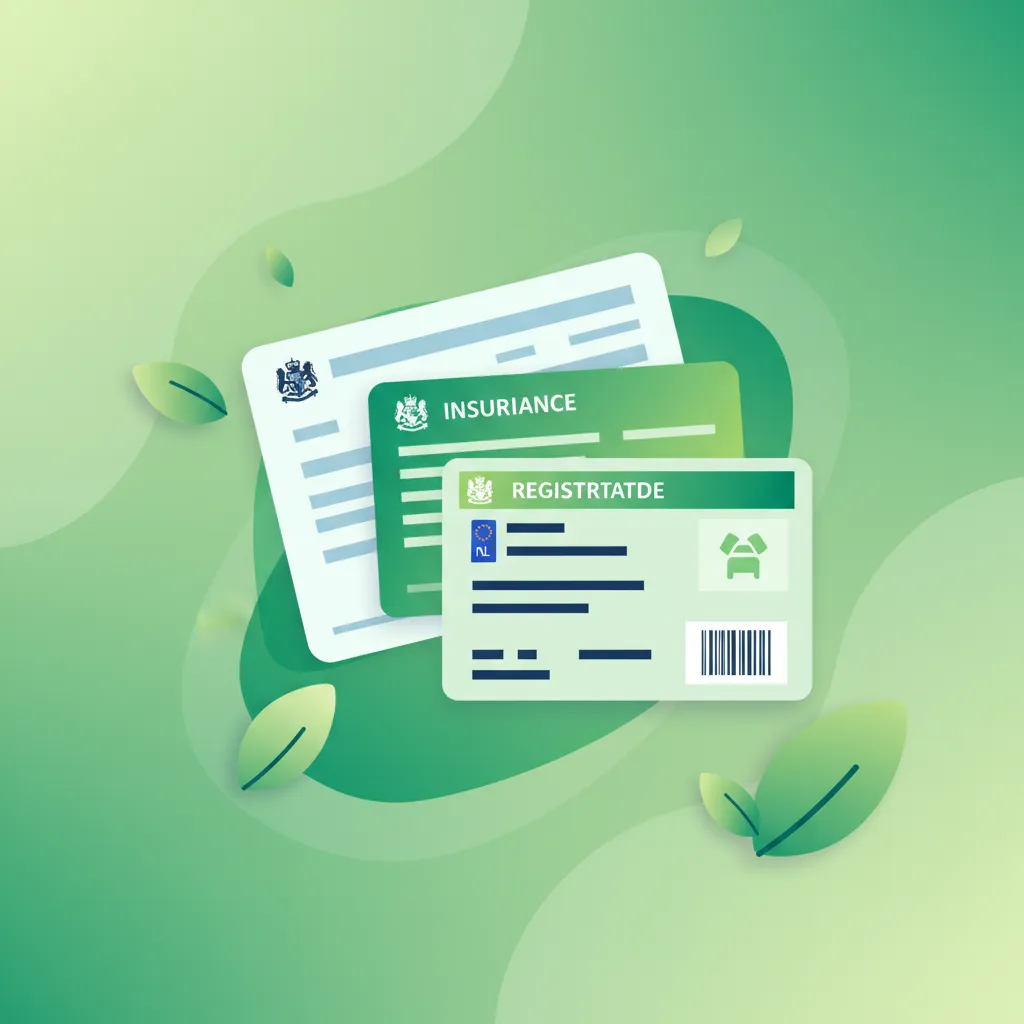
This lesson provides a definitive list of the documents a motorcyclist must carry at all times when riding in the Netherlands. It specifies the requirement for a valid driving license ('rijbewijs') for the correct category, the vehicle registration card ('kentekenbewijs'), and proof of valid third-party liability insurance ('verzekeringsbewijs'). The content clarifies that failure to produce these documents during a police check can result in significant fines and legal complications.
This lesson explains the precise legal definition of a Category A1 motorcycle, including the maximum 125cc displacement and 11 kW power output. It outlines the entire CBR licensing pathway, from meeting the minimum age requirement to passing both the theory and practical exams. Key administrative obligations such as vehicle registration (kenteken), mandatory insurance, and roadworthiness inspections (APK) are also detailed, ensuring a full understanding of legal compliance.
This lesson prepares riders for the possibility of a routine police check ('verkeerscontrole'). It explains what officers typically inspect, which includes the required documentation, the roadworthiness of the motorcycle (e.g., tire tread depth, exhaust legality), and the rider's sobriety. The curriculum provides guidance on how to interact calmly and cooperatively with law enforcement, ensuring the stop proceeds smoothly and efficiently while being aware of one's basic rights.
This lesson covers the mandatory lighting and signaling equipment for A2 motorcycles under Dutch law, ensuring you remain visible and communicate your intentions correctly. You will learn the rules for using headlights, taillights, turn signals, and brake lights in various conditions, including daytime and adverse weather. The content also addresses the importance of maintaining this equipment and using hand signals as a valid secondary method of communication in traffic.
This lesson serves as a critical reinforcement of the legal requirement to carry specific documents ('verkeersdocumenten') while riding. It explicitly lists the mandatory items—driving license, vehicle registration, and proof of insurance—and explains the legal consequences of failing to produce them on demand during a police stop. The content stresses that having these documents readily accessible is a basic and non-negotiable aspect of legal motorcycling in the Netherlands.
Understand typical errors and violations that can cause delays or failure in the Dutch CBR motorcycle licensing process. Learn how to avoid pitfalls related to documentation, exam scheduling, and procedural requirements for Category A licenses.
This lesson provides a definitive list of the documents a motorcyclist must carry at all times when riding in the Netherlands. It specifies the requirement for a valid driving license ('rijbewijs') for the correct category, the vehicle registration card ('kentekenbewijs'), and proof of valid third-party liability insurance ('verzekeringsbewijs'). The content clarifies that failure to produce these documents during a police check can result in significant fines and legal complications.
This lesson provides critical instruction on managing blind spots ('dode hoek') to prevent collisions, particularly during lane changes. It covers the correct setup and use of mirrors, but stresses their limitations and the absolute necessity of the 'lifesaver' shoulder check before any lateral movement. Furthermore, it teaches riders how to be aware of the large blind spots around cars and especially trucks, and how to position themselves on the road to remain visible to other drivers at all times.
This lesson prepares riders for the possibility of a routine police check ('verkeerscontrole'). It explains what officers typically inspect, which includes the required documentation, the roadworthiness of the motorcycle (e.g., tire tread depth, exhaust legality), and the rider's sobriety. The curriculum provides guidance on how to interact calmly and cooperatively with law enforcement, ensuring the stop proceeds smoothly and efficiently while being aware of one's basic rights.
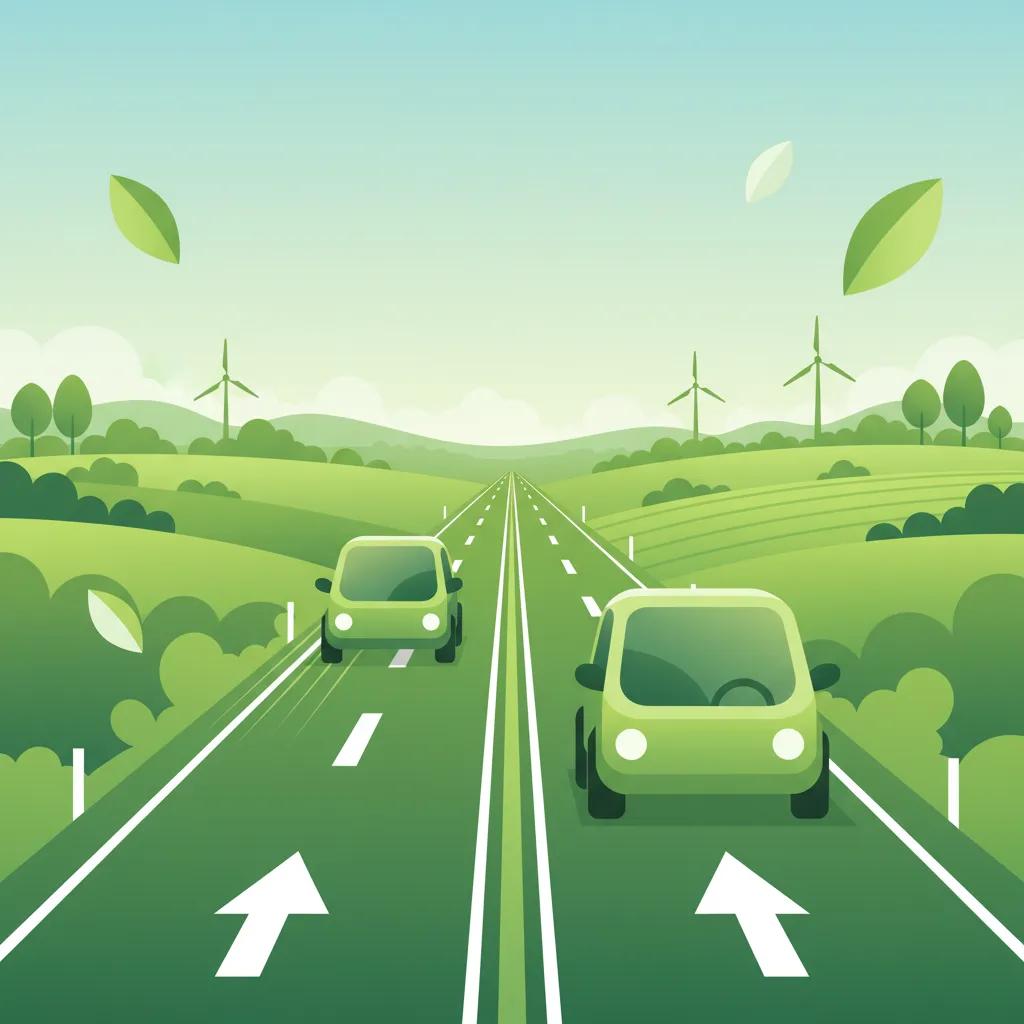
Understand the meaning of various road markings and how they dictate your position on the road. This lesson covers the rules associated with solid and broken white lines, bicycle lane symbols, suggestion strips, and arrows painted on the road surface. Proper lane discipline, including when overtaking is permitted and how to position yourself correctly within a lane or on a cycle path, is a fundamental skill for safe and predictable riding that is tested by the CBR.
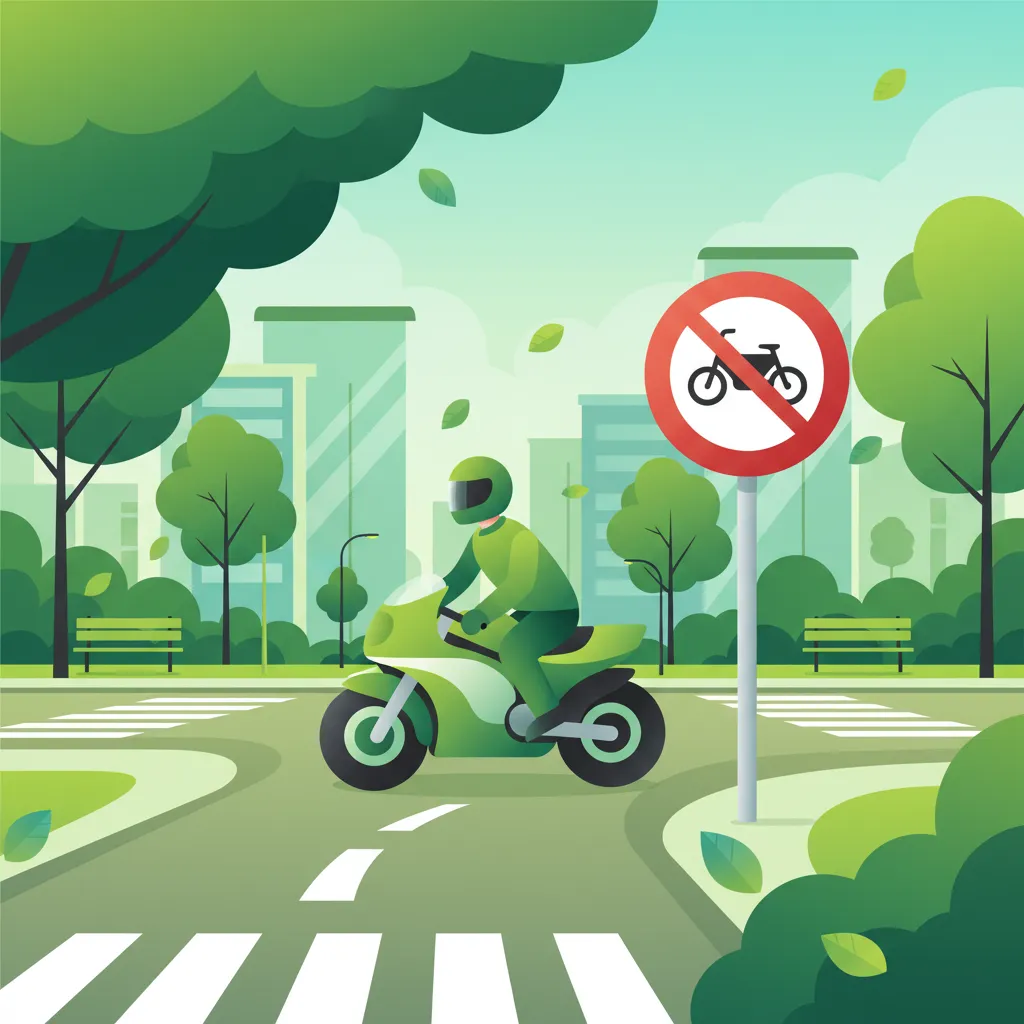
This lesson focuses on Dutch regulatory signs that enforce mandatory rules and restrictions, particularly those impacting A2 motorcyclists. You will learn to recognize and obey prohibition signs, such as those indicating a motorcycle ban (BORD 40), speed limits, and overtaking restrictions (BORD 21). The content explains the legal consequences of non-compliance and how to apply these rules in practical riding scenarios to ensure full adherence to Dutch traffic law.
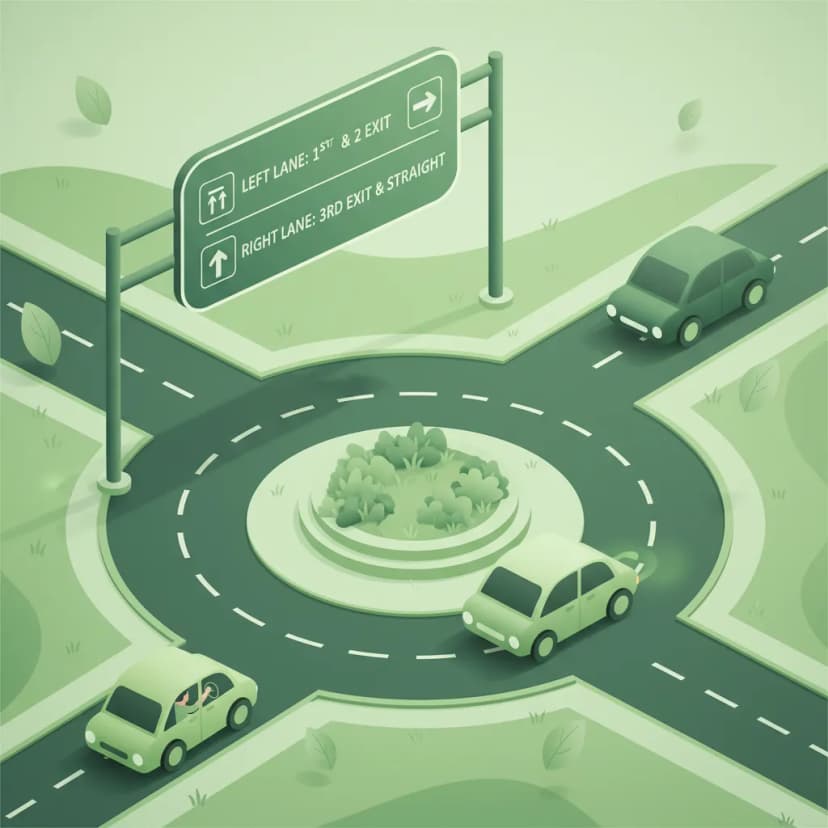
This lesson provides a detailed guide to navigating Dutch roundabouts ('rotondes'), including single-lane, multi-lane, and 'turbo' designs. It clarifies the specific priority rules that apply when entering the roundabout and the critical importance of correct signaling when changing lanes or exiting. Special attention is given to the vulnerable position of motorcyclists and the need to be aware of other vehicles' blind spots and the priority rules concerning cyclists on or near the roundabout.
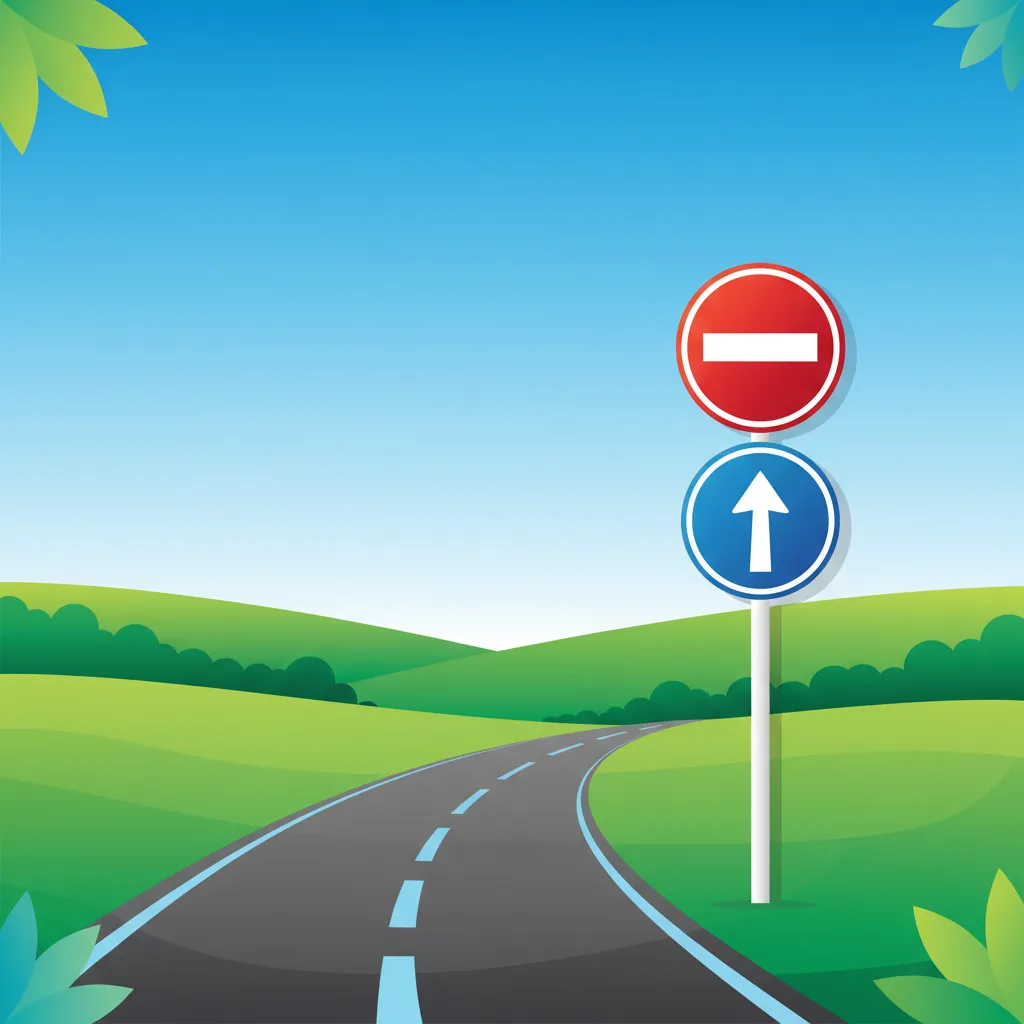
This lesson offers an in-depth study of Dutch regulatory signs, which impose mandatory actions or prohibitions on road users, with a specific focus on their impact on motorcyclists. It explains the visual language of prohibition symbols ('verbodsborden') and obligation symbols ('verplichtingsborden'), the contexts in which they appear, and the strict statutory consequences of non-compliance. Real-world examples are used to illustrate how these signs directly influence route planning, overtaking decisions, and speed management.
This lesson focuses on the meaning of different road markings and their implications for motorcycle lane discipline. You will learn the legal distinction between solid and broken lines regarding overtaking, how to interpret directional arrows for lane choice, and the rules for using special lanes. The content emphasizes maintaining a safe and strategic position within the lane to maximize visibility and create a safety buffer from other vehicles.

This lesson clarifies the specific Dutch regulations concerning stopping and parking for motorcycles, including designated parking bays and rules for parking on pavements. It also covers the mandatory procedures for safely navigating tunnels, such as required lighting, lane discipline, and actions to take during a breakdown or emergency. By understanding these rules, riders can avoid fines and navigate these specific traffic situations with confidence.
This lesson covers the universal Dutch road rules with a specific focus on their application to light motorcycles. It details the various speed limits for different road types, from urban areas to motorways, and explains the correct procedures for overtaking and lane positioning. The legal aspects of lane filtering in congestion are also examined, alongside mandatory equipment use like daytime running lights, to ensure riders can integrate safely and legally into traffic flow.
Find clear answers to common questions learners have about Licensing Process and Examination Structure. Learn how the lesson is structured, which driving theory objectives it supports, and how it fits into the overall learning path of units and curriculum progression in the Netherlands. These explanations help you understand key concepts, lesson flow, and exam focused study goals.
The CBR theory exam for Category A motorcycles consists of three parts: knowledge of traffic rules, hazard perception, and understanding of traffic situations. You must pass all sections to successfully complete the theory test.
It's advisable to schedule your exams as early as possible, especially the theory test, as availability can be limited. The practical exam can typically be scheduled once you have passed the theory test and have completed a certain amount of riding instruction.
The result of your CBR theory exam is valid for 1.5 years (18 months). You must complete your practical exam within this timeframe, otherwise, you will need to retake the theory test.
No, you must pass the CBR theory examination for Category A before you are allowed to take the practical examination. The theory knowledge is a prerequisite for demonstrating your riding skills in real traffic.
If you fail one or more parts of the theory exam, you will need to reschedule and retake the failed sections. The validity period of the passed sections remains, but you must pass all components to obtain your theory certificate.