
In the Netherlands, riding a motorcycle legally requires you to carry specific documents at all times. This lesson reinforces the essential 'verkeersdocumenten' you must present if stopped by the police. Understanding and preparing these documents is a fundamental aspect of responsible motorcycling and crucial for your Category A theory exam.
Operating a motorcycle in the Netherlands is an exhilarating experience, but it comes with significant legal responsibilities. A fundamental aspect of legal motorcycling is the obligation to carry specific traffic documents, known collectively as verkeersdocumenten, whenever you are on public roads. This lesson, part of your Dutch Motorcycle Theory – Category A Comprehensive Preparation, will comprehensively detail these mandatory documents, explain the legal requirements for their presentation during a police stop, and outline the consequences of non-compliance. Understanding and adhering to these rules is not merely about avoiding penalties; it is crucial for ensuring public safety, maintaining legal traceability, and contributing to efficient traffic enforcement across the country.
Verkeersdocumenten: Your Legal ObligationThe term verkeersdocumenten refers to the essential papers that legally permit you and your motorcycle to be on the road. These documents serve as proof of your competence to ride, the legality of your vehicle, and your financial responsibility towards other road users. Their immediate availability upon request by a police officer is a non-negotiable legal prerequisite for riding any Category A motorcycle in the Netherlands.
The requirement to carry and present specific documents is deeply rooted in Dutch traffic law. It ensures that only qualified individuals operate properly registered and insured vehicles. This system promotes road safety by allowing authorities to quickly verify that every rider meets minimum legal standards. It also facilitates efficient police enforcement, as officers can swiftly confirm compliance without extensive investigations, keeping traffic flow smooth.
Several core principles underpin the requirement for verkeersdocumenten:
There are three primary documents that every motorcyclist in the Netherlands must carry and be able to present upon request: the driving licence, the vehicle registration certificate, and proof of liability insurance.
Rijbewijs) for Category A MotorcyclesYour rijbewijs is the official certificate issued by the CBR (Centraal Bureau Rijvaardigheidsbewijzen) that grants you legal permission to operate a motorcycle. For Category A motorcycles, there are typically three subcategories:
Rijbewijs A1: Permits riding motorcycles up to 125 cc and 11 kW.Rijbewijs A2: Allows riding motorcycles with a maximum power of 35 kW.Rijbewijs A: The unrestricted licence, enabling you to operate motorcycles of any power or weight.You must physically carry your original, valid rijbewijs at all times when riding. While digital copies on smartphones are becoming more common for various documents, the law generally requires the original physical card or an officially approved electronic version displayed on a CBR-approved device. The licence includes your photo, personal data, and the specific motorcycle categories you are permitted to ride.
Common Misunderstanding: Relying solely on a digital image or photocopy of your driving licence is not sufficient. You are legally required to present the original physical document or an officially recognized electronic version.
Kentekenbewijs)The kentekenbewijs is the official document that links your motorcycle to its unique registration number (kenteken), technical specifications, and owner. In the Netherlands, this is primarily the “Kentekenbewijs – Deel I” (the registration card).
Rijksdienst voor het Wegverkeer), the Dutch vehicle authority. While important for ownership transfers, it does not need to be carried by the rider.The kentekenbewijs must be kept inside the motorcycle, easily accessible without you having to dismount. The purpose of this document is to prove that your vehicle is legitimately registered and meets the required standards for road use.
The Dutch national vehicle authority responsible for vehicle registration, licensing, and roadworthiness.
Verzekeringsbewijs)In the Netherlands, it is mandatory for every motor vehicle to have at least a basic third-party liability insurance (WA-verzekering). The verzekeringsbewijs is the document that confirms your motorcycle carries this minimum statutory insurance.
Proof of insurance can take a few forms:
e-policy): This is increasingly common and accepted. It must be displayed on a mobile device and clearly show the vehicle registration number, the insurer's name, and the validity period. The RDW has specific criteria for accepting electronic proof.Always ensure your electronic insurance proof is readily viewable on your device, even in varying light conditions. A backup paper copy can be useful.
The verzekeringsbewijs must be presented alongside your kentekenbewijs. The insurer's reference number and the vehicle's registration number on the proof must precisely match your motorcycle.
Politiecontrole): Procedure and Your RightsA politiecontrole, or police roadside check, is a standard procedure in the Netherlands. It can be a random check aimed at general compliance or a targeted check prompted by an observed violation or incident. Knowing how to react calmly and efficiently is key.
The authority for Dutch police officers to request your documents is established by law. Article 13 of the Police Powers Act (Politiewet) provides the legal basis for officers to conduct roadside controls and demand the presentation of traffic documents. This means that a police officer has the right to ask for your rijbewijs, kentekenbewijs, and verzekeringsbewijs at any time you are operating your motorcycle on a public road.
When a police officer signals you to stop, typically with flashing lights, hand gestures, or a stop sign, it is your legal obligation to comply safely and promptly.
rijbewijs, kentekenbewijs, and verzekeringsbewijs.Refusing to hand over your documents or obstructing police duties is a separate offence under Dutch law and can lead to additional penalties. Even if you believe the stop is unjustified, it is imperative to comply with the document request first.
Failing to present the required documents upon request, or presenting invalid documents, constitutes an administrative offence in the Netherlands, leading to significant penalties. These consequences are designed to deter non-compliance and protect public safety.
Here are some common mistakes riders make regarding their verkeersdocumenten and the correct behaviour to ensure compliance:
| Violation | Why It Is Wrong | Correct Behaviour |
|---|---|---|
| Carrying only a photocopy of the driving licence. | Photocopies are not legally accepted as proof. | Carry the original laminated licence or an approved electronic version. |
| Insurance proof is a mere receipt, not an official card. | Receipts lack crucial insurer details and proof of current coverage. | Display the official insurance card or an RDW-approved electronic proof. |
Registration card (kentekenbewijs) left at home. | The number plate alone does not replace the official certificate of legitimate registration. | Always keep the kentekenbewijs (Part I) inside the vehicle for immediate access. |
| Refusing to hand over documents, citing privacy. | Obstruction of police duties is an offence; documents are required by law. | Hand over requested documents promptly and calmly. |
| Electronic insurance proof on an unreadable device. | The officer must be able to verify validity; illegibility prevents this. | Use a device with adequate brightness and contrast, or have a paper backup ready. |
| Presenting an expired licence. | Driving with an expired licence is illegal, regardless of renewal status. | Ensure your licence is valid before riding; renew it well in advance of its expiry date. |
| Showing insurance proof for a different vehicle. | Insurance must be specific to the motorcycle you are operating. | Provide proof that specifically matches the motorcycle's registration number. |
| Using a foreign licence without official translation. | Non-Dutch licences may require an International Driving Permit (IDP) or Dutch translation. | Carry an IDP or official translation along with your foreign licence. |
| Registration card is damaged or illegible. | Illegibility prevents verification; documents must be readable. | Obtain a replacement kentekenbewijs from the RDW immediately if it becomes damaged. |
The Wet administratiefrechtelijke handhaving (WAH) outlines the penalties for administrative offences, including those related to verkeersdocumenten.
Non-compliance also has broader implications, potentially affecting your insurance premiums and overall legal standing as a rider.
While the core document requirements remain constant, certain circumstances or rider profiles introduce specific nuances to consider.
If you are an international rider operating a motorcycle in the Netherlands, special rules apply:
kentekenbewijs. Always ensure you have all relevant certificates for both your primary vehicle and any towed equipment.verkeersdocumenten.Proactive measures can help you avoid penalties and ensure a smooth experience during any police stop.
Rijbewijs: Keep your original physical driving licence with you at all times when riding.Kentekenbewijs (Part I) Securely: Place the vehicle registration card inside your motorcycle, ideally in a waterproof and easily accessible compartment (e.g., glove box, tank bag, under the seat).WA-verzekering and Carry Proof: Ensure your liability insurance is always active and carry either the official paper insurance card or a fully compliant electronic proof on a charged device.rijbewijs and insurance policy. Renew them well in advance to avoid any lapse in validity.The requirements for verkeersdocumenten are enshrined in several key Dutch laws and regulations:
RVV 1990 (Reglement Verkeersregels en Verkeerstekens 1990): The Road Traffic Regulations and Traffic Signs Act of 1990. This act contains the core provisions regarding document presentation:
kentekenbewijs.rijbewijs.Politiewet (Police Powers Act): Article 13 provides police officers with the authority to request traffic documents during roadside controls.Wet administratiefrechtelijke handhaving (WAH): The Act on Administrative Enforcement of Traffic Offences, which specifies the fines and other penalties for non-compliance.Familiarity with these legal frameworks reinforces the mandatory nature of document carriage and presentation.
Understanding the correct terminology is vital for any rider in the Netherlands, especially when interacting with authorities.
Lesson content overview
Explore all units and lessons included in this driving theory course.
Explore search topics learners often look for when studying Documentation Required During Stops (verkeersdocumenten). These topics reflect common questions about road rules, driving situations, safety guidance, and lesson level theory preparation for learners in the Netherlands.
Browse additional driving theory lessons that cover connected traffic rules, road signs, and common driving situations related to this topic. Improve your understanding of how different rules interact across everyday traffic scenarios.
Understand the specific Dutch laws and articles (RVV 1990, Politiewet) that mandate carrying your driving licence, vehicle registration, and insurance proof. Learn the legal rationale behind police document requests and the framework for penalties.
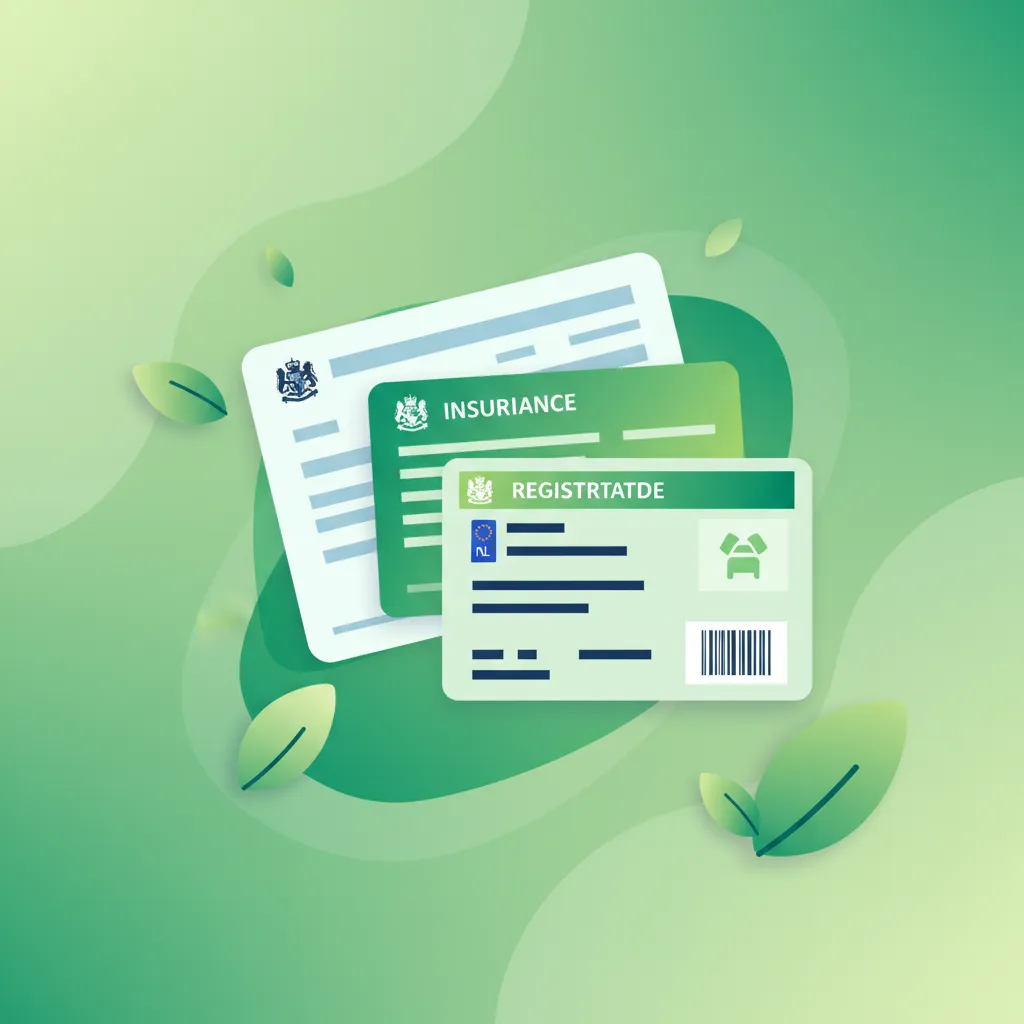
This lesson provides a definitive list of the documents a motorcyclist must carry at all times when riding in the Netherlands. It specifies the requirement for a valid driving license ('rijbewijs') for the correct category, the vehicle registration card ('kentekenbewijs'), and proof of valid third-party liability insurance ('verzekeringsbewijs'). The content clarifies that failure to produce these documents during a police check can result in significant fines and legal complications.

This lesson provides a detailed overview of the structure of Dutch traffic legislation, focusing on the Road Traffic Act (Wegenverkeerswet 1994) and its relationship with CBR regulations. It explains the hierarchy from national statutes to local ordinances and how these rules govern rider behavior in various traffic situations. Furthermore, the lesson clarifies the mechanisms for enforcement, the types of sanctions for non-compliance, and the legislative goal of ensuring road safety for all participants.
This lesson covers the mandatory lighting and signaling equipment for A2 motorcycles under Dutch law, ensuring you remain visible and communicate your intentions correctly. You will learn the rules for using headlights, taillights, turn signals, and brake lights in various conditions, including daytime and adverse weather. The content also addresses the importance of maintaining this equipment and using hand signals as a valid secondary method of communication in traffic.
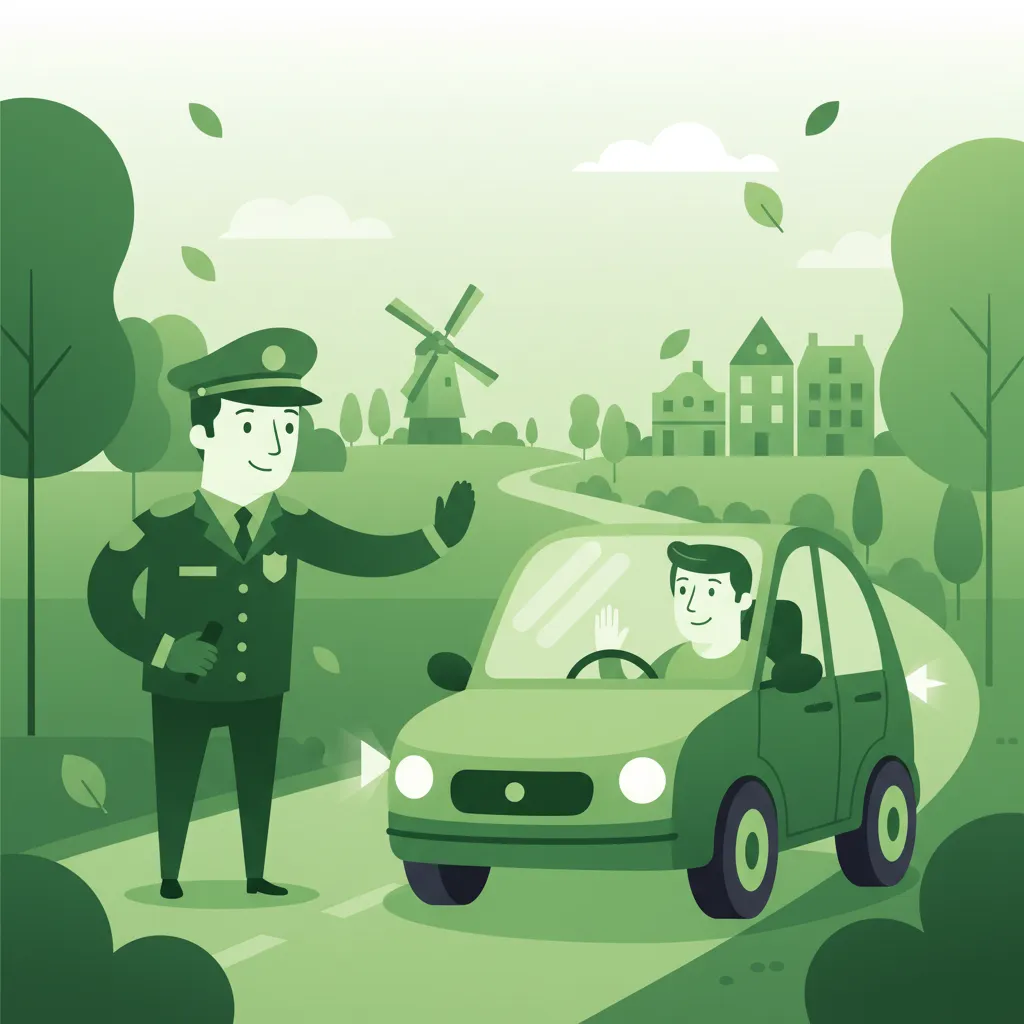
This lesson prepares riders for the possibility of a routine police check ('verkeerscontrole'). It explains what officers typically inspect, which includes the required documentation, the roadworthiness of the motorcycle (e.g., tire tread depth, exhaust legality), and the rider's sobriety. The curriculum provides guidance on how to interact calmly and cooperatively with law enforcement, ensuring the stop proceeds smoothly and efficiently while being aware of one's basic rights.
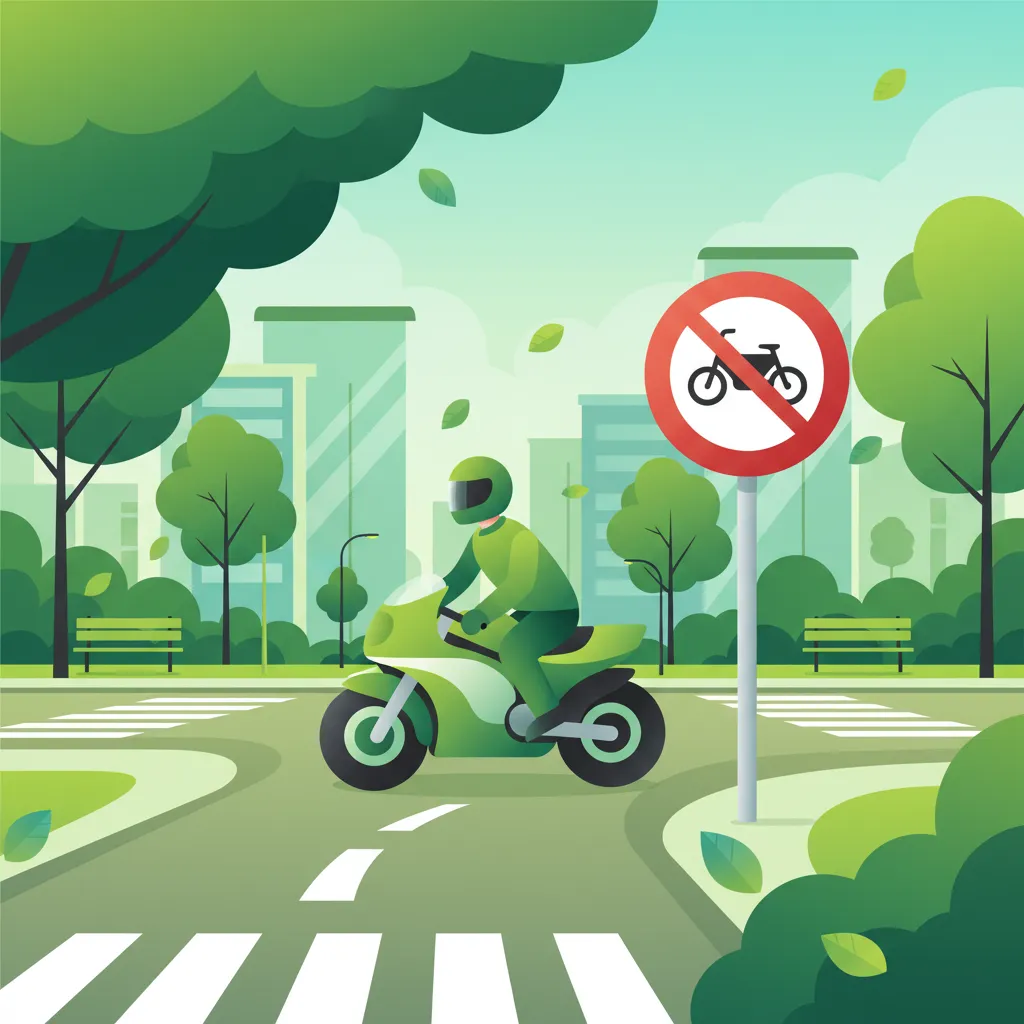
This lesson focuses on Dutch regulatory signs that enforce mandatory rules and restrictions, particularly those impacting A2 motorcyclists. You will learn to recognize and obey prohibition signs, such as those indicating a motorcycle ban (BORD 40), speed limits, and overtaking restrictions (BORD 21). The content explains the legal consequences of non-compliance and how to apply these rules in practical riding scenarios to ensure full adherence to Dutch traffic law.
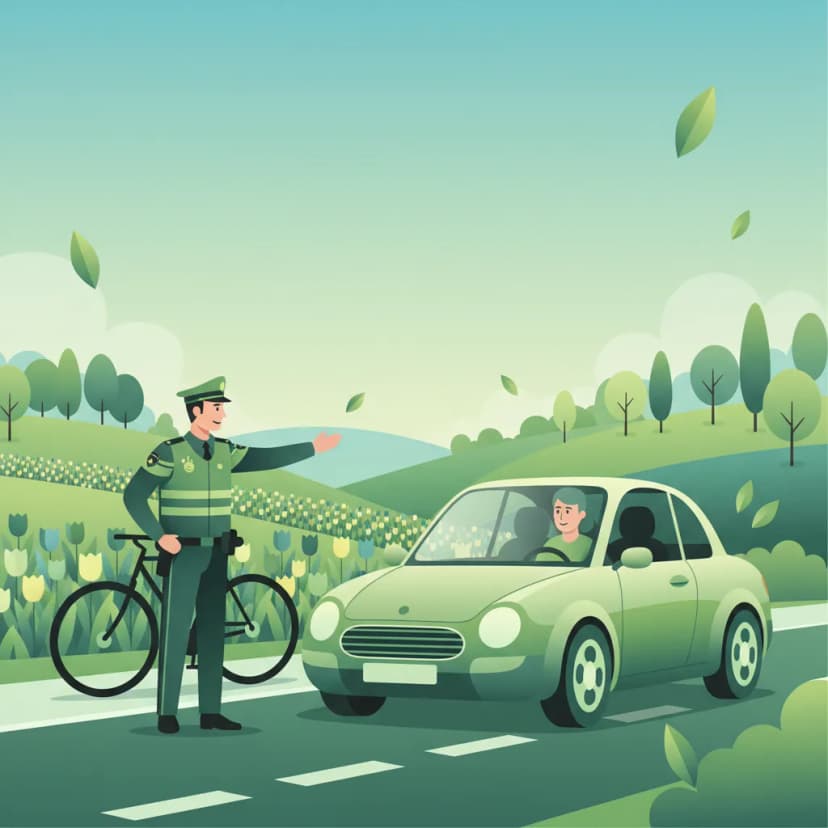
This lesson details the procedures of a typical traffic stop ('verkeerscontrole') from a rider's perspective. It outlines the authority of police officers to check documents, inspect the vehicle, and administer sobriety tests, while also explaining the basic rights of the rider during such an interaction. The goal is to demystify the process and encourage a calm, cooperative, and respectful demeanor, which facilitates a more positive and efficient roadside encounter for both parties.
This lesson covers the universal Dutch road rules with a specific focus on their application to light motorcycles. It details the various speed limits for different road types, from urban areas to motorways, and explains the correct procedures for overtaking and lane positioning. The legal aspects of lane filtering in congestion are also examined, alongside mandatory equipment use like daytime running lights, to ensure riders can integrate safely and legally into traffic flow.
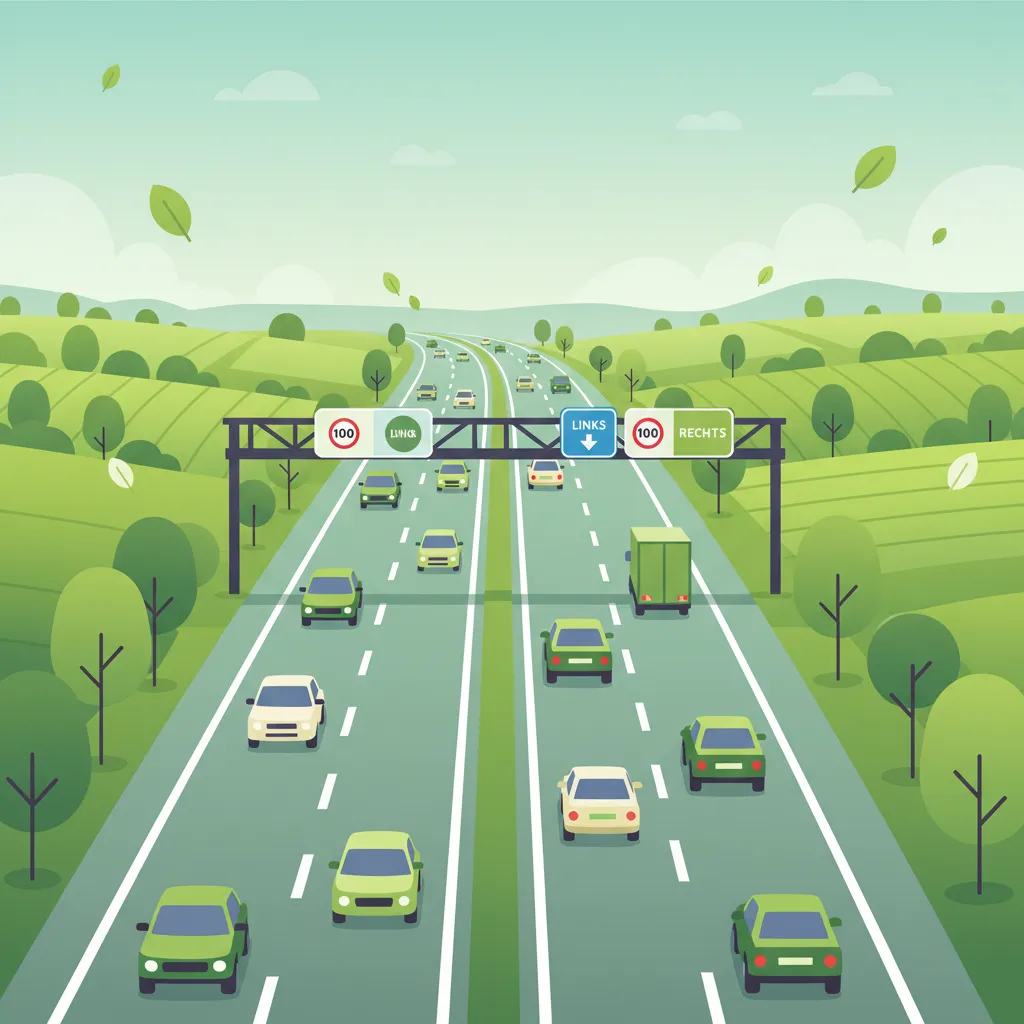
This lesson covers the specific articles of the Dutch Road Traffic Act that apply to motorways, with a primary focus on the strict rule of keeping to the rightmost available lane unless overtaking. It explains the legal and safety reasons for only passing on the left and discusses the correct positioning within a lane for maximum visibility and safety. The content also addresses the nuances of lane usage during heavy congestion, ensuring riders comply with the law and contribute to smooth traffic flow.
This lesson examines the function and interpretation of variable message signs (VMS) and other digital displays that provide real-time traffic information on Dutch roads. It explains how these systems communicate dynamic speed limits, congestion alerts, lane closures, and diversion routes, and how motorcyclists must legally comply with these instructions. Understanding these 'matrixborden' is critical for adapting to changing road conditions and ensuring safety on motorways and in tunnels.
This lesson explains the precise legal definition of a Category A1 motorcycle, including the maximum 125cc displacement and 11 kW power output. It outlines the entire CBR licensing pathway, from meeting the minimum age requirement to passing both the theory and practical exams. Key administrative obligations such as vehicle registration (kenteken), mandatory insurance, and roadworthiness inspections (APK) are also detailed, ensuring a full understanding of legal compliance.
Learn about the specific requirements for international riders concerning driving licences, including the need for International Driving Permits or translations for non-EU/EEA licences. Understand insurance proof for cross-border riding.
This lesson provides a definitive list of the documents a motorcyclist must carry at all times when riding in the Netherlands. It specifies the requirement for a valid driving license ('rijbewijs') for the correct category, the vehicle registration card ('kentekenbewijs'), and proof of valid third-party liability insurance ('verzekeringsbewijs'). The content clarifies that failure to produce these documents during a police check can result in significant fines and legal complications.

This lesson addresses the crucial topic of insurance validity for international motorcycle travel. It explains the purpose of the International Motor Insurance Card (Green Card) and clarifies in which countries it is mandatory versus recommended. The content guides riders on how to check their existing policy for territorial limits and what steps to take to ensure they have the necessary third-party liability coverage required to ride legally and be protected financially when traveling outside the Netherlands.
This lesson provides essential information for riders planning to travel outside the Netherlands into other European countries. It highlights that while many rules are harmonized, significant local variations exist regarding speed limits, motorway tolls or vignettes, and mandatory equipment (e.g., carrying a first-aid kit or visibility vest). The curriculum advises riders to research the specific regulations for each country on their itinerary to ensure a safe and legally compliant international journey.
This lesson covers the mandatory lighting and signaling equipment for A2 motorcycles under Dutch law, ensuring you remain visible and communicate your intentions correctly. You will learn the rules for using headlights, taillights, turn signals, and brake lights in various conditions, including daytime and adverse weather. The content also addresses the importance of maintaining this equipment and using hand signals as a valid secondary method of communication in traffic.
This lesson explains the legal framework for the mandatory periodic technical inspection (APK) as it applies to motorcycles in the Netherlands, although noting its specific applicability rules. It outlines the key safety and environmental components that are scrutinized during the inspection, such as brakes, tires, lighting, and exhaust emissions. Understanding these criteria helps riders maintain their vehicle in a constant state of roadworthiness and prepare for the formal inspection when required.
This lesson covers the universal Dutch road rules with a specific focus on their application to light motorcycles. It details the various speed limits for different road types, from urban areas to motorways, and explains the correct procedures for overtaking and lane positioning. The legal aspects of lane filtering in congestion are also examined, alongside mandatory equipment use like daytime running lights, to ensure riders can integrate safely and legally into traffic flow.
This lesson prepares riders for the possibility of a routine police check ('verkeerscontrole'). It explains what officers typically inspect, which includes the required documentation, the roadworthiness of the motorcycle (e.g., tire tread depth, exhaust legality), and the rider's sobriety. The curriculum provides guidance on how to interact calmly and cooperatively with law enforcement, ensuring the stop proceeds smoothly and efficiently while being aware of one's basic rights.
This lesson provides essential guidance on recognizing and interpreting traffic signs that may differ from Dutch standards but are commonly encountered when riding across borders within the European Union. It highlights key differences based on the Vienna Convention on Road Signs and Signals, helping riders understand variations in regulatory, warning, and informational signs. This knowledge is crucial for maintaining legal compliance and safety when navigating foreign road systems, ensuring a confident international riding experience.
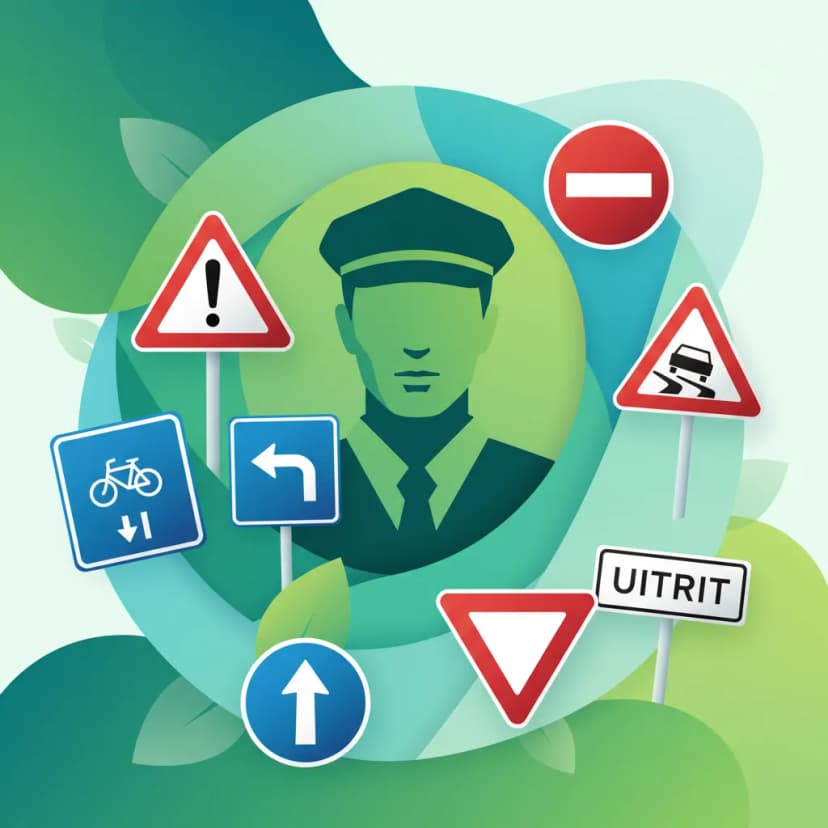
This lesson builds on the understanding of international signage by focusing on the practical recognition of common foreign road signs ('buitenlandse borden'). While many symbols are standardized under the Vienna Convention, this lesson points out subtle but important differences in design and meaning. It helps riders develop the skill of quickly interpreting unfamiliar signage, ensuring they can understand and comply with local traffic regulations when riding abroad.
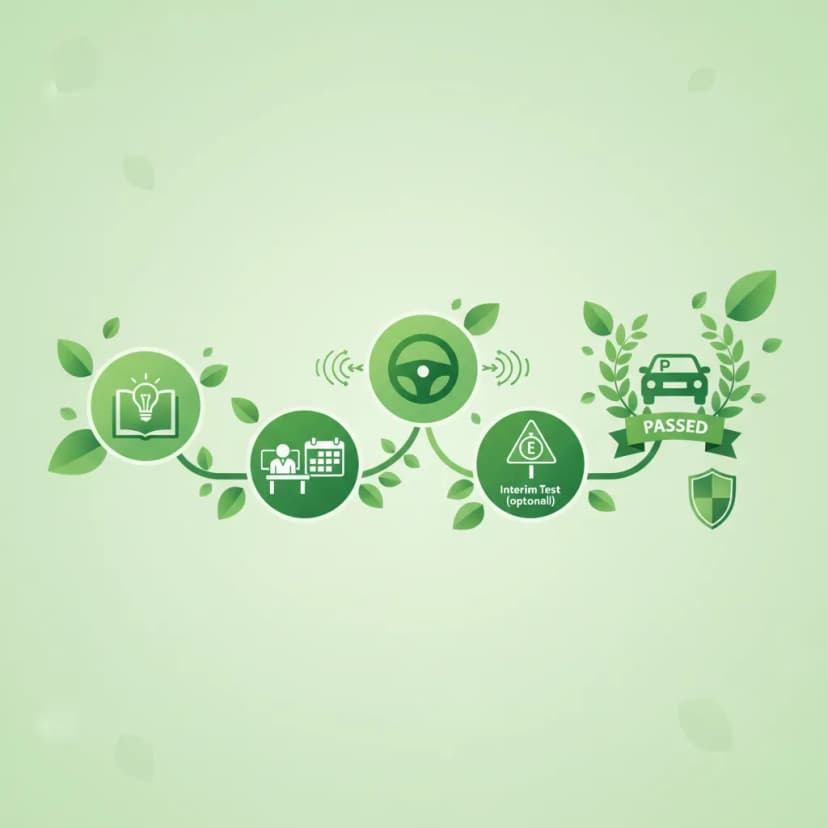
This lesson outlines every stage of the motorcycle licensing pathway, from the initial application to the successful completion of the CBR theory and practical examinations. It explains the mandatory documentation, exam scheduling procedures, and the specific composition of the theory test, including hazard perception and knowledge questions. The content also covers important procedural details such as re-examination policies, time limits for completion, and the legal validity of the final issued driver's license.
Find clear answers to common questions learners have about Documentation Required During Stops (verkeersdocumenten). Learn how the lesson is structured, which driving theory objectives it supports, and how it fits into the overall learning path of units and curriculum progression in the Netherlands. These explanations help you understand key concepts, lesson flow, and exam focused study goals.
You must always carry your valid Dutch Category A driving license, the vehicle's registration certificate (kentekenbewijs), and proof of valid third-party liability insurance (verzekeringsbewijs). These are the non-negotiable verkeersdocumenten required by Dutch law.
Failing to produce these mandatory documents on demand can lead to fines and further investigation. The police may issue a penalty or require you to present the documents at a police station within a specified timeframe. It's a serious offense that undermines your legal right to ride.
Yes, generally, original documents or legally accepted digital equivalents where permitted should be carried. While specific regulations on digital formats can evolve, it is always safest to have the physical kentekenbewijs and verzekeringsbewijs readily accessible.
International riders must adhere to Dutch regulations when riding in the Netherlands. This means carrying your valid foreign driving license, the vehicle's registration documents, and proof of European liability insurance (e.g., the Green Card if required for your country of origin).
It's crucial to keep your documents secure and easily accessible. Many riders use a waterproof pouch or a dedicated compartment on the motorcycle. Avoid storing them in a wallet that you might leave behind, or in a location that is difficult to reach quickly during a stop.