
As a Category A motorcycle rider in the Netherlands, you'll encounter road signs from various European countries. This lesson in Unit 2, 'Road Signs and Signals for Motorcyclists', focuses on interpreting international signage that adheres to the Vienna Convention but may differ from Dutch standards. Understanding these variations is crucial for safe navigation and legal compliance when riding outside the Netherlands.

Navigating the roads of the Netherlands and beyond as a motorcyclist requires a sharp understanding of traffic signs. While the Netherlands adheres to a standardised system, cross-border riding within the European Union means encountering a wider array of signage. This lesson, part of your Dutch Motorcycle Theory – Category A Comprehensive Preparation, provides essential guidance on recognising and interpreting these international signs, ensuring legal compliance and safety during your travels.
Understanding how to interpret foreign road signs is crucial. Misinterpreting a sign can lead to traffic violations, costly fines, and, most importantly, dangerous situations. This comprehensive guide will equip you with the knowledge to confidently navigate diverse road systems, building on your existing familiarity with Dutch road signs and markings.
The bedrock of international road sign harmonisation across Europe is the Vienna Convention on Road Signs and Signals (VCRSS), an international treaty established in 1968. This convention sets out standardised shapes, colours, and symbols for traffic signs, signals, and road markings, creating a common visual language for road users in signatory countries.
The primary goal of the VCRSS is to reduce cognitive load and reaction time for drivers and riders crossing borders. By ensuring a uniform appearance and meaning for essential signs, it significantly enhances safety and legal certainty. For motorcyclists, this means that a blue circular mandatory turn sign in Spain will convey the same instruction as one in the Netherlands.
The Vienna Convention classifies signs into several categories, each with distinct visual characteristics:
Regulatory Signs: These signs impose obligations or prohibitions. They typically feature a circular shape.
Warning Signs: These signs alert road users to potential hazards ahead. They are predominantly triangular.
Information Signs: These signs provide guidance or useful information. Their shapes and colours vary more widely.
The practical meaning of the VCRSS is straightforward: any sign encountered in a signatory EU country that visually adheres to the VCRSS rules can be interpreted with the same meaning as its Dutch equivalent. This standardisation is crucial for maintaining legal compliance and safety as you traverse different national road networks.
When riding a motorcycle in the Netherlands, you are legally bound to obey all traffic signs, including those that are VCRSS-compliant, even if they originated from another country. Dutch traffic law, specifically the Reglement Verkeersregels en Verkeerstekens 1990 (RVV 1990), ensures this consistent enforcement.
Regulatory signs dictate what you must or must not do. While the core meaning remains consistent across VCRSS countries, there can be subtle national variations in presentation. For motorcyclists, understanding these is vital to avoid infractions.
For example, a red circular sign with a black number indicating a speed limit in Germany has the same legal force as its Dutch counterpart. Similarly, a French "no entry" sign, which might feature a solid red circle with a white horizontal bar, conveys the exact same prohibition as the red-bordered Dutch "ingang verboden" sign.
Dutch law, such as RVV 1990 § 41, applies to speed limits regardless of the sign's origin, provided it complies with VCRSS. This means that a foreign prohibitory sign (e.g., a "no overtaking" sign) must be obeyed with the same diligence as a local Dutch sign.
Warning signs alert you to upcoming dangers, prompting you to adjust your speed or increase your vigilance. The core triangular shape with a red border and black pictogram is universal, but the specific pictograms can vary subtly between countries while remaining VCRSS-compliant.
For instance, a "wild animal crossing" sign might show a stylised deer in the Netherlands, whereas another EU country might use a more generic animal silhouette. Regardless of the artistic rendition, the underlying message to be cautious of animals on the road remains the same. It is essential for motorcyclists to focus on the hazard being conveyed rather than minor stylistic differences.
It's important to distinguish between VCRSS-compliant signs and non-VCRSS signs. A triangular sign with a black silhouette of a kangaroo, for example, would not be legally binding in the Netherlands, as it doesn't conform to the VCRSS. However, a triangular sign showing a deer, even if it has a slightly different art style from a Dutch one, is binding if it comes from a VCRSS signatory country.
Information signs guide you along your route, indicating directions, distances, and points of interest. These signs also follow VCRSS guidelines but show more national variation in colour schemes and specific symbol usage.
For example, motorways in the Netherlands are typically indicated by green signs, while in other countries they might be blue. Similarly, tourist information signs often have a brown background across Europe. Motorcyclists should follow these routes as indicated and always respect any distance-based restrictions. Be mindful that signs like "Truck limit 7t" do not apply to motorcycles.
Supplementary plates, also known as annex plates, are rectangular panels placed beneath or above a main traffic sign. They provide additional conditions or constraints that modify the main sign’s meaning. These plates are crucial for precise interpretation.
They can specify:
RVV 1990 § 1-c dictates that supplementary plates must be interpreted in conjunction with the main sign. Ignoring them can lead to misinterpretation and potential violations. For instance, a "No parking" sign with a time plate means parking is prohibited only during the specified hours. Parking outside these hours would be lawful.
While the VCRSS provides a common framework, national variants refer to subtle differences in sign appearance between countries that are still VCRSS-compliant. These might include variations in colour tone, border thickness, or arrow design.
Key variants to be aware of include:
Riders must learn to identify a sign's meaning based on its fundamental shape and core colour palette, rather than being distracted by minor stylistic differences. Dutch traffic law does not differentiate enforcement based on these colour shades; the underlying VCRSS definition determines the legal effect.
Variable Message Signs (VMS), also known as digital displays, are electronic boards that provide real-time information to road users. These signs are increasingly common on highways and major urban routes across Europe.
Key features of VMS include:
Motorcyclists must treat messages displayed on VMS as legally binding for the duration they are shown, even if they contradict static signs. The Dutch Road Traffic Act (Wegenverkeerswet 1994) § 20-c specifically mandates compliance with dynamic speed limits. Ignoring a VMS displaying "Speed limit 60 km/h" during fog, for example, is a violation.
Sometimes, sign interpretation can become ambiguous due to unique circumstances, such as overlapping jurisdictions or unusual installations.
Typical edge-case scenarios include:
In situations where uncertainty exists, motorcyclists should always default to the most restrictive interpretation. This principle, enshrined in RVV 1990 § 8, ensures safety by prioritising the rule that imposes the greatest limitation or caution. For instance, if a temporary construction sign shows a lower speed limit than a permanent sign, the lower (more restrictive) limit must be obeyed.
Adhering to international road signs in the Netherlands is not just good practice; it's a legal obligation with clear implications for your safety and legal standing.
Here are the key rules governing international sign interpretation for motorcyclists in the Netherlands:
Ignoring or misinterpreting international signs can lead to serious consequences:
The way you interpret and react to traffic signs can and should vary based on environmental and situational factors.
Adverse weather conditions like rain, fog, or snow significantly impact sign visibility and your motorcycle's braking capabilities.
The type of road you are on influences the context of sign interpretation.
The ability to correctly interpret international signage is a cornerstone of safe and legal motorcycle riding, especially when crossing borders within the EU.
Proactive Approach to Safety: Always assume the most restrictive interpretation when in doubt, especially in unfamiliar territory or at border crossings. This defensive approach significantly reduces risk.
To confidently navigate international signage, keep this checklist in mind:
By mastering these principles, you'll be well-prepared to safely and legally enjoy your motorcycle adventures across the Netherlands and beyond.
Lesson content overview
Explore all units and lessons included in this driving theory course.
Explore search topics learners often look for when studying Interpretation of International Signage in the NL. These topics reflect common questions about road rules, driving situations, safety guidance, and lesson level theory preparation for learners in the Netherlands.
Browse additional driving theory lessons that cover connected traffic rules, road signs, and common driving situations related to this topic. Improve your understanding of how different rules interact across everyday traffic scenarios.
Learn how to handle traffic signs that deviate from the standard Vienna Convention. This lesson clarifies how to interpret national variants and less common international signage for safe and legal riding in the Netherlands and abroad.
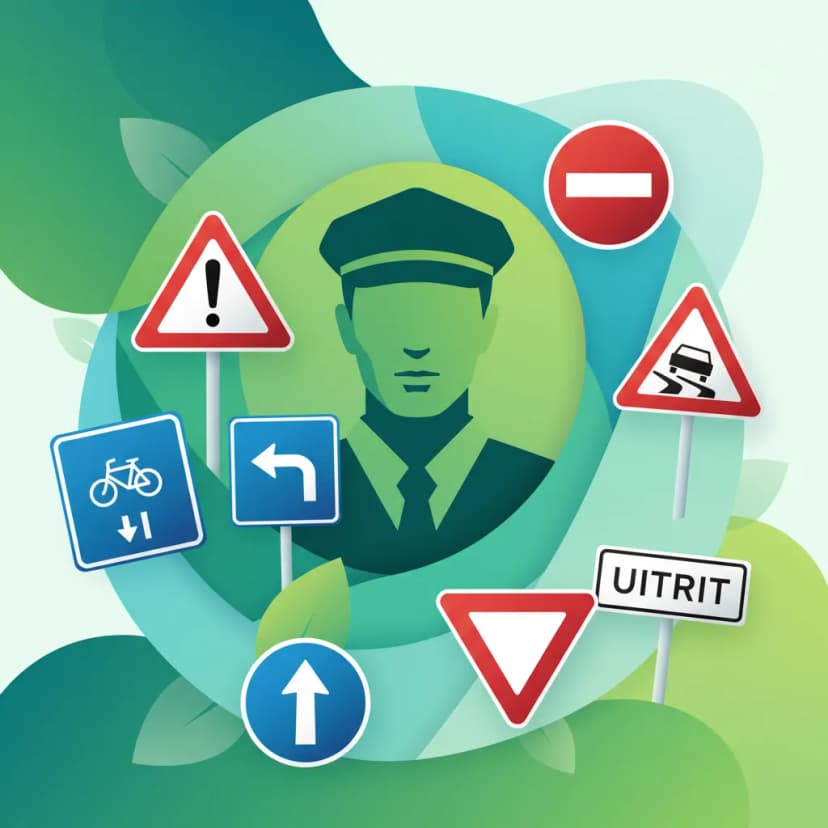
This lesson builds on the understanding of international signage by focusing on the practical recognition of common foreign road signs ('buitenlandse borden'). While many symbols are standardized under the Vienna Convention, this lesson points out subtle but important differences in design and meaning. It helps riders develop the skill of quickly interpreting unfamiliar signage, ensuring they can understand and comply with local traffic regulations when riding abroad.

This lesson offers an in-depth study of Dutch regulatory signs, which impose mandatory actions or prohibitions on road users, with a specific focus on their impact on motorcyclists. It explains the visual language of prohibition symbols ('verbodsborden') and obligation symbols ('verplichtingsborden'), the contexts in which they appear, and the strict statutory consequences of non-compliance. Real-world examples are used to illustrate how these signs directly influence route planning, overtaking decisions, and speed management.

This lesson focuses on Dutch regulatory signs that enforce mandatory rules and restrictions, particularly those impacting A2 motorcyclists. You will learn to recognize and obey prohibition signs, such as those indicating a motorcycle ban (BORD 40), speed limits, and overtaking restrictions (BORD 21). The content explains the legal consequences of non-compliance and how to apply these rules in practical riding scenarios to ensure full adherence to Dutch traffic law.

This lesson explores the legal meaning of various road surface markings, including solid and broken lane delimiters, directional arrows, and special-purpose lane indicators. It describes how markings dictate permitted maneuvers, such as overtaking and lane changes, and alert riders to upcoming hazards or changes in road layout. The content also examines the relationship between markings and road design in the Netherlands, emphasizing how a motorcyclist must interpret these visual cues for safe positioning.
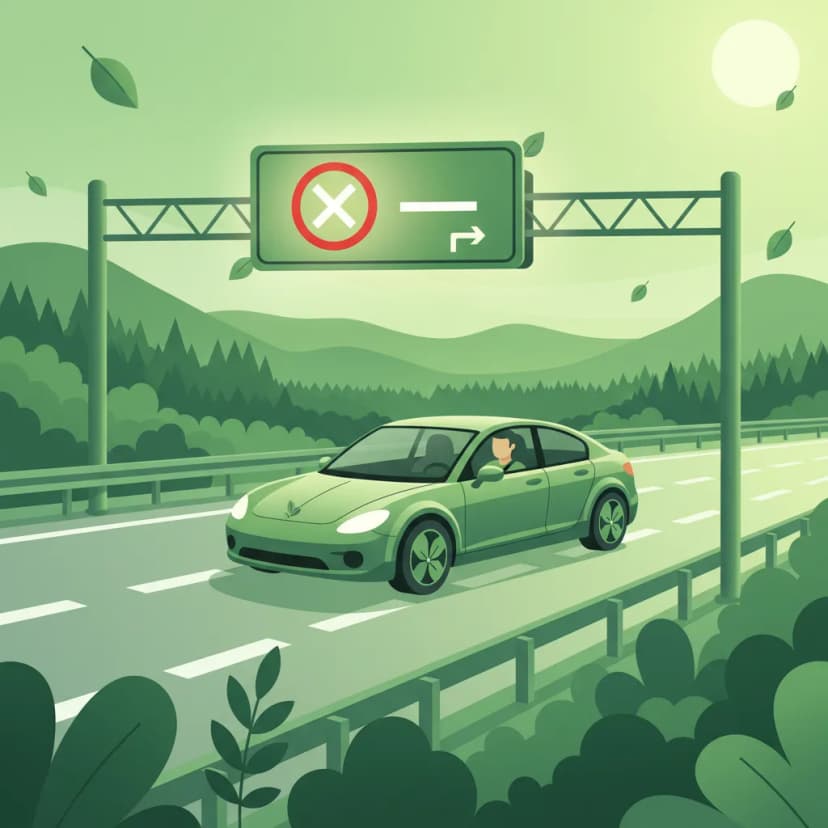
This lesson examines the function and interpretation of variable message signs (VMS) and other digital displays that provide real-time traffic information on Dutch roads. It explains how these systems communicate dynamic speed limits, congestion alerts, lane closures, and diversion routes, and how motorcyclists must legally comply with these instructions. Understanding these 'matrixborden' is critical for adapting to changing road conditions and ensuring safety on motorways and in tunnels.

This lesson focuses on informational signs that guide motorcyclists in navigation, route planning, and locating essential services while on the road. It examines the standardized symbols and color-coding for directions ('richtingsborden'), destinations, distances, and amenities, explaining how these signs support efficient and safe travel. Learners will understand how to use this information for strategic route selection, especially on long journeys or in unfamiliar areas, ensuring a smooth and predictable trip.
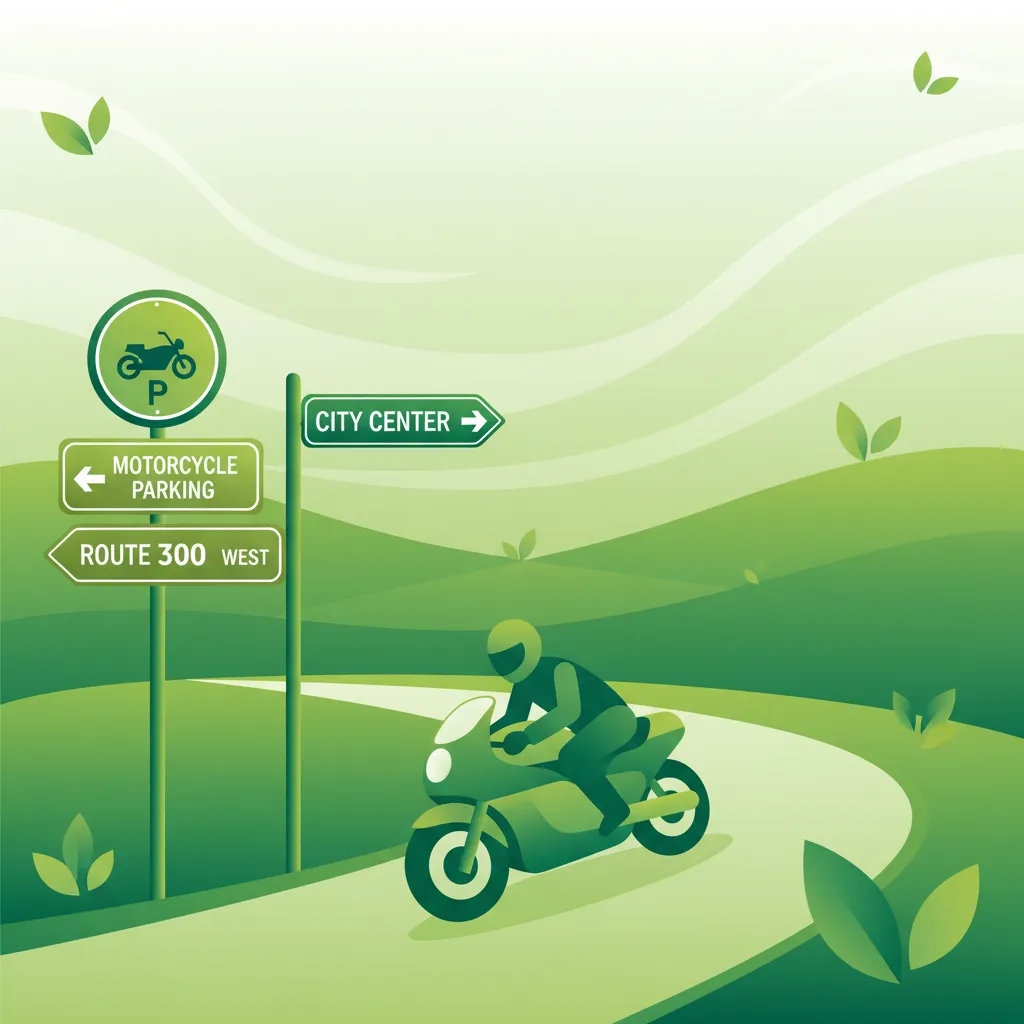
This lesson explains how to interpret directional and informational signs to navigate the Dutch road network effectively. You will learn to read route signs on highways, understand lane guidance arrows for complex intersections, and identify panels indicating services like fuel stations or rest areas. The content focuses on how motorcyclists can use this information for safe and efficient route planning, including adapting to real-time information from electronic signs.
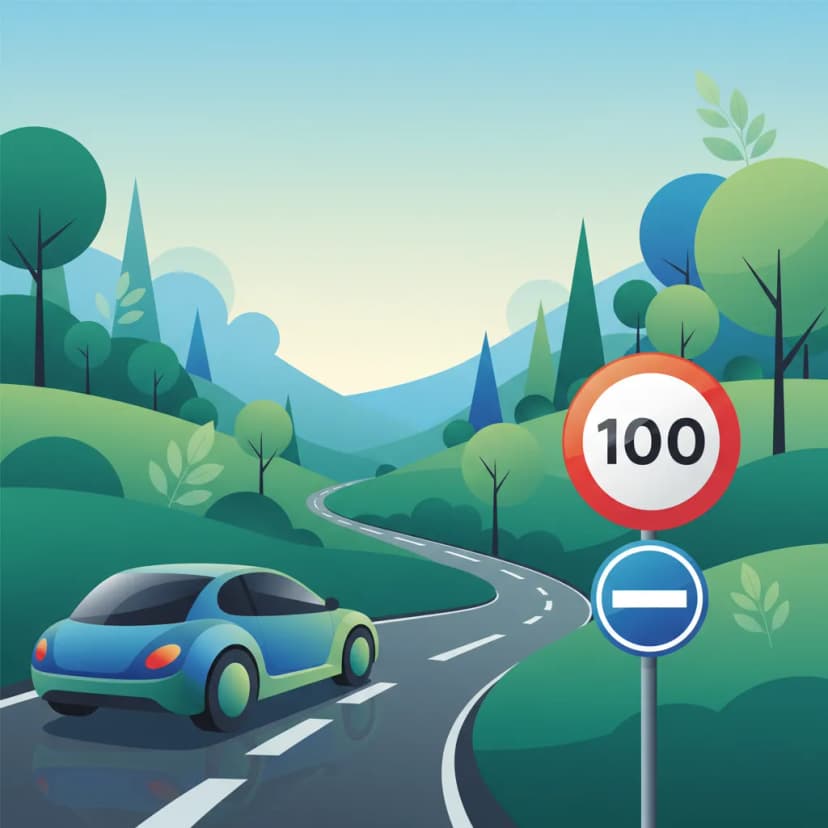
This lesson provides a detailed overview of fixed speed limits on the Dutch road network and the signs that indicate them. You will learn to identify signs for maximum speed (BORD 50) and understand the default limits that apply within built-up areas, on rural roads, and on motorways. The content emphasizes the importance of constant awareness and legal compliance to avoid penalties and ensure road safety for yourself and others.
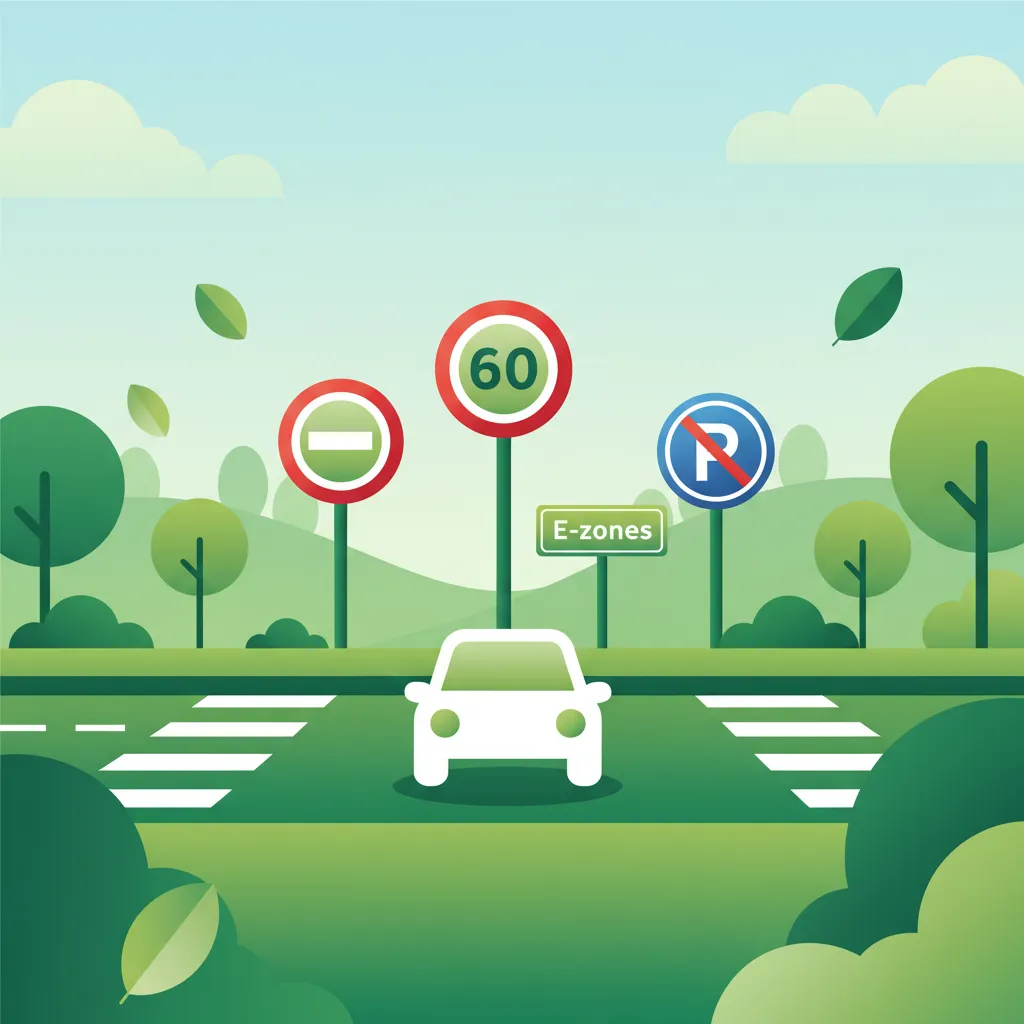
This lesson focuses on C-code regulatory signs, which impose legal obligations and prohibitions on road users. Learners will study signs that establish speed limits, forbid entry, mandate specific directions, and restrict overtaking or parking. Understanding these signs is non-negotiable for legal compliance and safety, as they form the basis of traffic regulation and are a major component of the CBR theory exam for motorcyclists.

This lesson provides a detailed explanation of the various markings painted on the road surface, which are as legally binding as physical signs. It clarifies the rules associated with solid and broken white lines, including restrictions on crossing them, and the function of arrows, chevrons, and text painted in lanes. A thorough understanding of these markings is fundamental for correct lane discipline, positioning, and safe maneuvering on a motorcycle.
Apply your knowledge of international road signs to realistic driving situations encountered in Europe. This lesson uses practical examples to solidify your understanding of navigating foreign traffic rules and signage confidently.
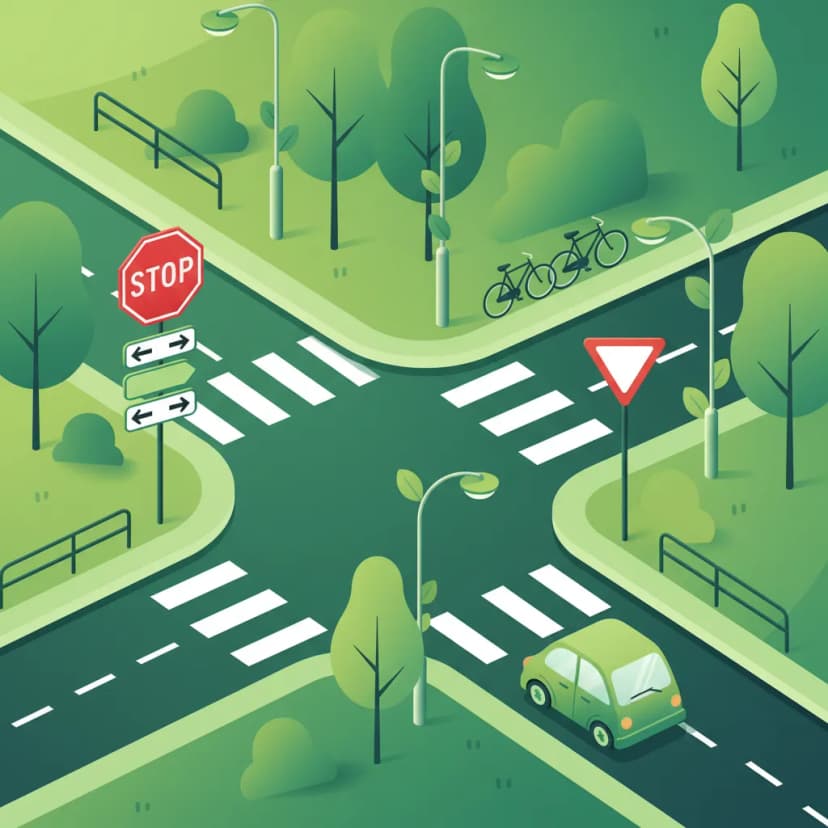
This lesson focuses on regulatory signs, which impose legal obligations on drivers and are essential for maintaining traffic order. You will learn to identify and act upon fundamental signs such as the octagonal B6 Stop sign, the diamond-shaped B1 Priority Road sign, and various compulsory direction arrows. The content explains the legal implications of these signs, detailing when a driver must stop completely, when they have priority, or the required path they must follow. Understanding these commands is crucial for safe and lawful driving at intersections and on designated routes.

This lesson introduces warning signs, which are designed to alert drivers to potential dangers or changes in road layout ahead. You will learn to interpret the triangular-shaped signs that indicate hazards such as sharp curves, slippery road surfaces (J27), or upcoming road works (J8). The curriculum explains how these signs help in anticipating risks and adjusting driving behavior accordingly, such as reducing speed or increasing alertness. A thorough understanding of warning signs is vital for proactive and defensive driving in various environments.
This lesson builds on the understanding of international signage by focusing on the practical recognition of common foreign road signs ('buitenlandse borden'). While many symbols are standardized under the Vienna Convention, this lesson points out subtle but important differences in design and meaning. It helps riders develop the skill of quickly interpreting unfamiliar signage, ensuring they can understand and comply with local traffic regulations when riding abroad.
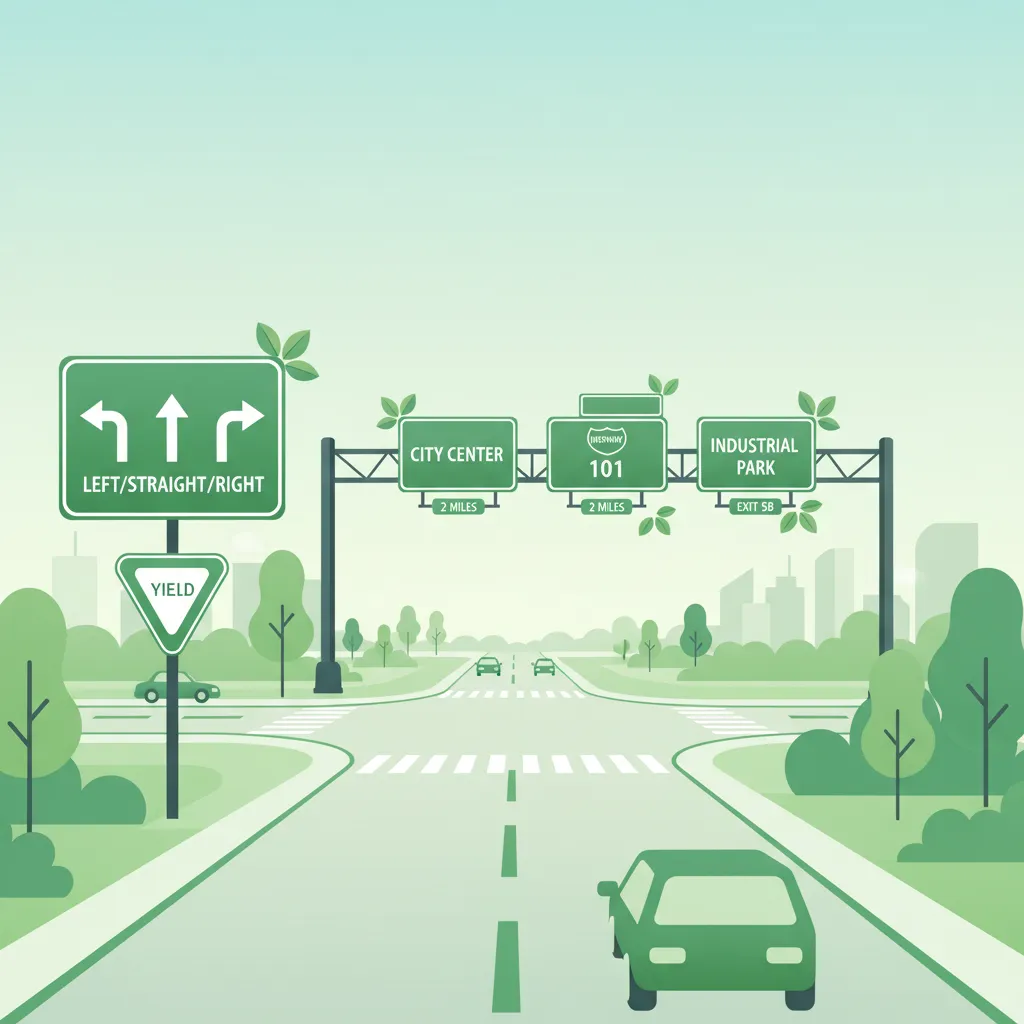
This lesson focuses on the array of signs used to manage traffic at intersections and along multi-lane roads. You will learn to interpret overhead gantry signs, lane designation signs, and markings that guide drivers into the correct lane for their intended direction. The curriculum covers signs indicating priority at upcoming junctions, such as the B3 and B4 signs, which clarify right-of-way rules in complex scenarios. Proper interpretation of these signs is essential for smooth lane changes, efficient navigation, and preventing conflicts at junctions.
This lesson offers an in-depth study of Dutch regulatory signs, which impose mandatory actions or prohibitions on road users, with a specific focus on their impact on motorcyclists. It explains the visual language of prohibition symbols ('verbodsborden') and obligation symbols ('verplichtingsborden'), the contexts in which they appear, and the strict statutory consequences of non-compliance. Real-world examples are used to illustrate how these signs directly influence route planning, overtaking decisions, and speed management.
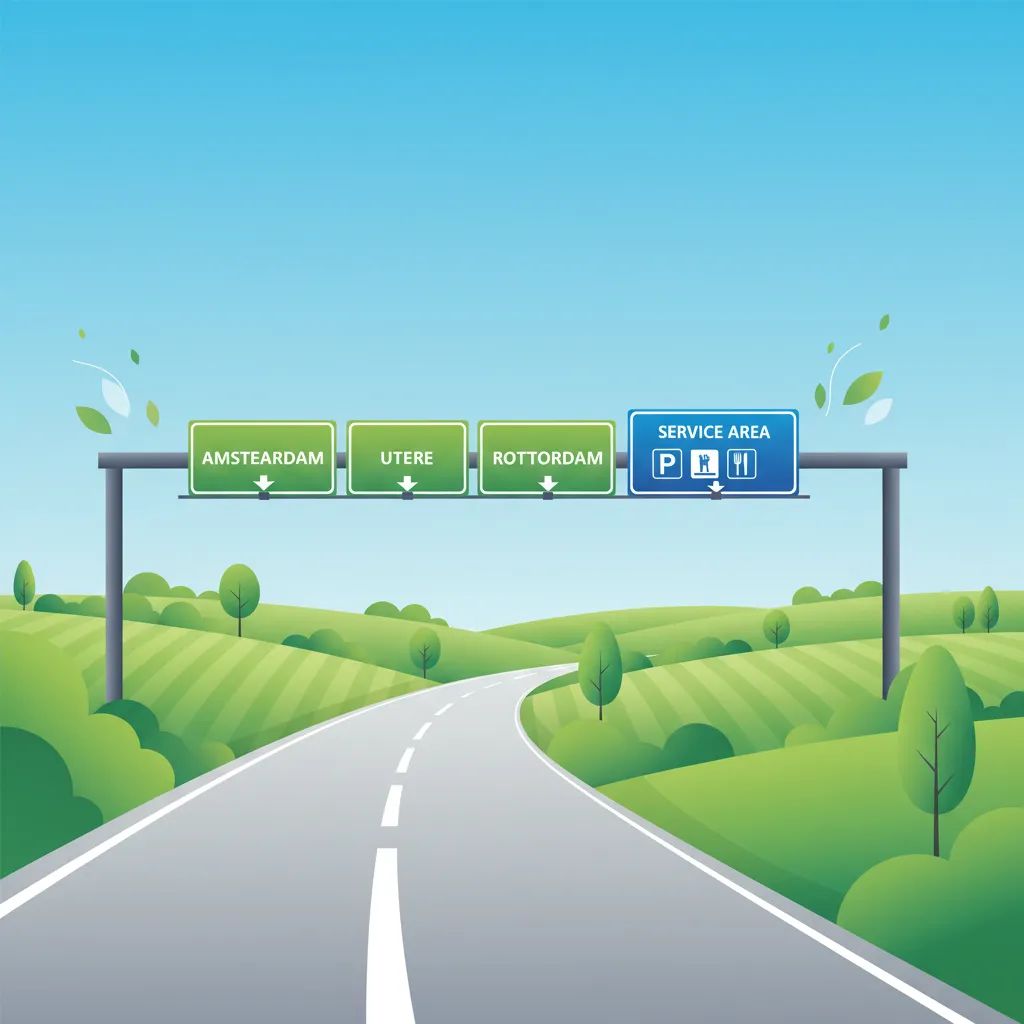
This lesson explains how to interpret informational signs that provide guidance and navigational aid. You will learn to read directional signs indicating cities and locations, understand route numbering on major roads, and recognize signs for services like fuel stations or parking areas. It also covers the signs that mark the beginning and end of a built-up area ('bebouwde kom'), which have important implications for speed limits and traffic rules.
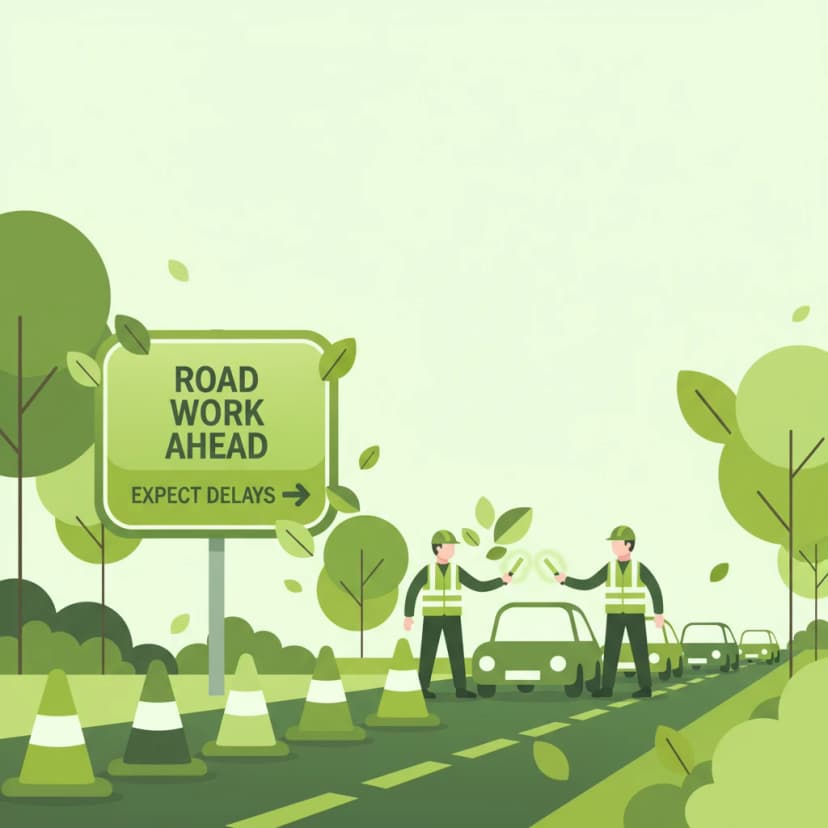
This lesson prepares you for encountering road works, a common feature on any road network. You will learn that signs and markings related to road works are often yellow and that they temporarily override permanent white markings and signs. The curriculum stresses the importance of adhering to temporary speed limits, being alert for workers and machinery, and navigating narrowed lanes. It also covers how to follow diversion routes ('omleiding') and obey instructions given by traffic controllers.

This lesson covers the full range of lights and signals required on a vehicle for visibility and communication. You will learn about the mandatory requirements for headlights, taillights, brake lights, indicators, and reflectors. The curriculum emphasizes the driver's legal responsibility to ensure all lights are clean and functional before every journey. The correct use and function of the horn as an audible warning device in case of imminent danger are also explained.
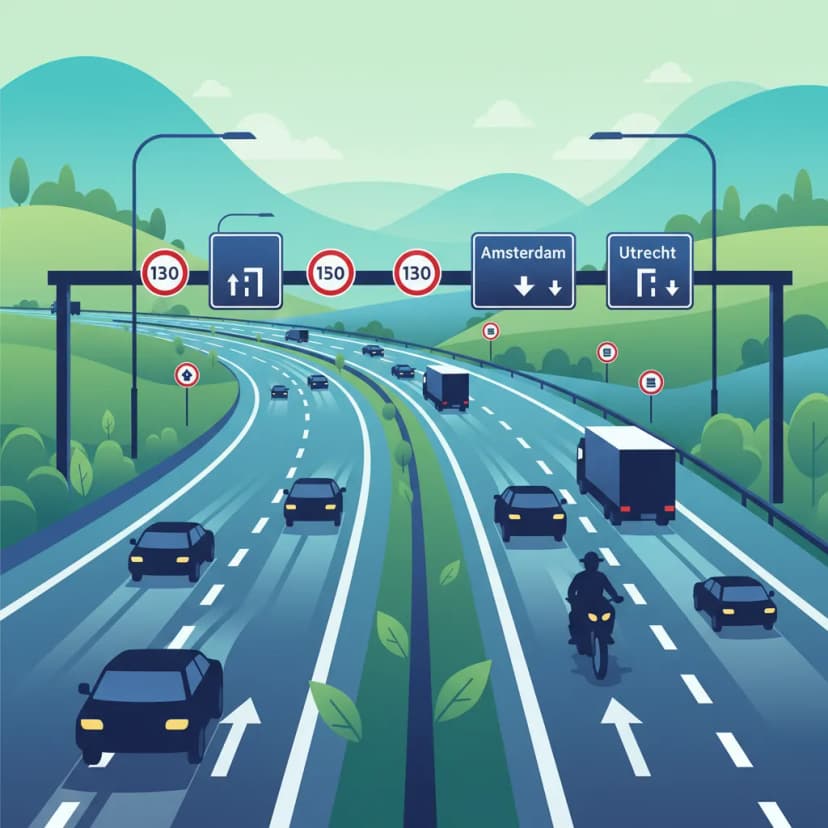
This lesson details the specific regulations for driving on Dutch motorways, identifiable by the G1 sign. You will learn the correct procedure for joining the flow of traffic using the acceleration lane and for leaving via the deceleration lane. The curriculum reinforces the 'keep right unless overtaking' rule for lane discipline. It also explains that stopping is strictly forbidden, and the hard shoulder (vluchtstrook) may only be used for genuine emergencies.
This lesson focuses on Dutch regulatory signs that enforce mandatory rules and restrictions, particularly those impacting A2 motorcyclists. You will learn to recognize and obey prohibition signs, such as those indicating a motorcycle ban (BORD 40), speed limits, and overtaking restrictions (BORD 21). The content explains the legal consequences of non-compliance and how to apply these rules in practical riding scenarios to ensure full adherence to Dutch traffic law.
Find clear answers to common questions learners have about Interpretation of International Signage in the NL. Learn how the lesson is structured, which driving theory objectives it supports, and how it fits into the overall learning path of units and curriculum progression in the Netherlands. These explanations help you understand key concepts, lesson flow, and exam focused study goals.
While many international signs follow the Vienna Convention, the primary difference often lies in specific design variations, colour schemes, or supplementary text/symbols used in different countries. The Netherlands often uses specific Dutch phrasing on informational signs. This lesson highlights these common discrepancies to ensure you're not caught off guard during the CBR Category A theory exam or while riding abroad.
Yes, questions about international road signs are included in the Dutch CBR theory exam, especially for Category A, to ensure riders are prepared for cross-border travel. You need to demonstrate an understanding that while basic meanings are similar, there can be regional variations that affect interpretation and required actions.
The Vienna Convention provides a framework for international road sign standardization. Dutch road signs largely comply with this convention, ensuring a degree of uniformity. However, countries can implement variations or additions. This lesson clarifies which signs are standard and where potential deviations might occur for Dutch riders.
If you encounter an unfamiliar sign while riding abroad, always err on the side of caution. Reduce your speed, assess the traffic situation, and try to understand its context based on its shape and colour, which often provides clues (e.g., red triangle for warning, blue circle for mandatory). This lesson will equip you with the general principles to make an educated guess and stay safe until you can confirm the meaning.
This lesson primarily focuses on common international signage encountered within the European Union, which largely adheres to the Vienna Convention. While it provides a strong foundation, signs in countries far outside the EU may have more significant differences. However, the core principles of understanding sign shapes and colours remain universally applicable.