
This lesson focuses on the Mandatory Periodic Technical Inspection (APK) for motorcycles in the Netherlands. While not all motorcycles require an annual APK, understanding its requirements is crucial for ensuring your bike is always roadworthy and compliant with Dutch traffic law. We'll cover what the APK entails, which components are checked, and why maintaining your motorcycle’s condition is vital for safety and passing your theory exam.

The Mandatory Technical Inspection, known in the Netherlands as the Algemene Periodieke Keuring (APK), is a crucial safety and environmental check for all motor vehicles, including motorcycles. This comprehensive inspection ensures that vehicles on public roads meet minimum safety and environmental standards, protecting riders, other road users, and the environment. For anyone preparing for the Dutch CBR Category A motorcycle theory exam, understanding the APK is fundamental to legal and safe motorcycle ownership and operation.
The APK serves as a statutory checkpoint, verifying your motorcycle's roadworthiness at regular intervals. It is not merely a formality but a vital component of road safety and environmental protection legislation. Adhering to APK obligations is a legal requirement, and failure to comply can lead to significant penalties.
The APK is a legally mandated periodic technical inspection designed to ensure that a motorcycle remains in a safe and environmentally sound condition throughout its service life. The primary purpose is to identify and rectify defects that could compromise safety or increase environmental pollution before they become critical issues. This proactive approach significantly reduces the risk of accidents caused by mechanical failures.
Motorcycles, by their nature, are more exposed than cars, making their mechanical integrity even more critical. Deteriorated brakes, worn tires, or faulty lighting can have immediate and severe consequences for a motorcyclist. The APK provides an objective, third-party assessment, compelling owners to maintain their vehicles to a minimum standard, thereby enhancing overall road safety for everyone.
The requirement for the APK is rooted in Dutch traffic legislation, primarily the Wegverkeerswet 1994 (Road Traffic Act 1994) and subsequent regulations like the Reglement Verkeersregels en Verkeerstekens 1990 (RVV 1990). The Rijksdienst voor het Wegverkeer (RDW), the Dutch vehicle authority, oversees the implementation and enforcement of APK requirements. They establish the precise standards and procedures for inspections, which authorized garages must follow.
This legal framework ensures uniform enforcement across the country, providing a clear and enforceable baseline for all road users. It also simplifies interactions with law enforcement and insurance providers, as a valid APK certificate serves as official proof of basic compliance and roadworthiness.
Understanding the specific schedule for your motorcycle's APK is crucial to avoid driving illegally. The inspection cycle depends mainly on the motorcycle's age and, in some cases, its power or engine capacity.
For most new motorcycles, the initial APK is due four years after its first registration date in the Netherlands. This rule generally applies to motorcycles with an engine capacity greater than 125 cc or a power output exceeding 11 kW. For example, if you bought a new 600 cc sport bike registered on January 1, 2022, its first APK must be completed by January 1, 2026.
There is a notable exception for lighter motorcycles. If your motorcycle has an engine capacity of 125 cc or less and a power output of 11 kW or less, its first APK is typically due five years after its first registration. This longer interval acknowledges the generally lower wear and tear associated with smaller, less powerful bikes. A 125 cc commuter bike registered on March 1, 2023, for instance, would require its first APK by March 1, 2028.
After the initial inspection, the schedule for subsequent APKs becomes more straightforward for most motorcycles. Generally, all motorcycles that have passed their first APK must undergo inspection every two years. This biennial cycle continues until the vehicle reaches a certain age, after which the interval might shorten. It is imperative to remember this 2-year cycle, as overlooking it is a common reason for fines.
Some older motorcycles, particularly those exceeding 10 years of age, may be subject to an annual APK requirement. This can be subject to official updates from the RDW, so it is always wise to consult the latest regulations or your motorcycle's registration details as it ages.
The easiest way to determine your motorcycle's exact APK due date is to check the RDW website using your license plate number. This online tool provides the official expiry date of your current APK. It is the owner's responsibility to ensure the inspection is carried out before this date. Driving with an expired APK, even by a single day, is illegal and will result in significant penalties.
Always aim to schedule your APK a few weeks before the expiry date. This gives you ample time to address any potential issues identified during the inspection without risking illegal road use.
The APK is a thorough examination covering various critical components to ensure the motorcycle's safe operation and environmental compliance. These checks are designed to identify common failure points and ensure the vehicle meets the strict standards set by the RDW.
The braking system is perhaps the most critical safety component on any vehicle, and motorcycles are no exception. The APK meticulously inspects both the front and rear braking mechanisms.
Tires are the motorcycle's only contact with the road, making their condition paramount for grip, handling, and stability. The APK carefully assesses all aspects of your tires.
Proper functioning lights and indicators are vital for your visibility to other road users and for communicating your intentions.
Even a single non-functioning bulb can lead to an APK fail. Regularly check all your lights and indicators.
Modern motorcycles are subject to strict environmental regulations concerning both exhaust emissions and noise.
These components are fundamental to the motorcycle's stability, handling, and rider control.
Beyond the major systems, inspectors also perform a general safety check of various other components:
Having your motorcycle technically fit for the road is one thing; being able to prove it legally is another. The APK also involves checking your documentation.
When undergoing an APK inspection, and crucially, when stopped by law enforcement, you must be able to present several key official documents:
Failing to present valid documentation, or driving with expired documents, carries serious consequences under Dutch law.
Always carry your valid registration, insurance proof, and APK certificate (or confirmation of valid APK) when riding on public roads. These documents are your legal proof of compliance.
While the APK is mandatory for most motorcycles, there are specific situations where exemptions or modified requirements apply.
Motorcycles classified as historic vehicles, meaning they are 30 years or older from their first registration date, may be eligible for a simplified inspection regime. These vehicles often have lower usage rates and are considered part of cultural heritage. For historic motorcycles, a full, standard APK is typically not required; instead, they may undergo a more basic "historical vehicle inspection" focusing on essential safety aspects, or in some cases, be fully exempt depending on age and specific regulations. It is crucial for owners of historic bikes to check the exact RDW requirements for their specific vehicle.
Motorcycles used exclusively for off-road competition (e.g., trials bikes, motocross bikes) and not registered for public road use are exempt from the standard APK requirements. Since these vehicles operate in controlled environments, they are not subject to the same public road safety regulations. However, if such a motorcycle is ever brought onto a public road, even for a short distance, it must either meet full APK requirements or be transported on a trailer. Using an off-road only bike on public roads without proper registration and a valid APK is illegal.
In certain rare instances, other specific exemptions may apply, such as for motorcycles participating in specific approved events or those with a valid EU "MOT" equivalent recognized under bilateral agreements. These are highly specific cases, and riders should always verify their status directly with the RDW. The general rule remains: if it's on a public road in the Netherlands, it needs a valid APK unless explicitly and officially exempted.
Understanding common reasons for APK failure can help you prepare your motorcycle and avoid unexpected issues. Many failures stem from simple oversight or lack of maintenance.
The immediate impact of your motorcycle's condition can be amplified or mitigated by external factors, making consistent roadworthiness even more critical.
Any modifications made to your motorcycle can affect its APK compliance. While customisation is popular, it must adhere to legal standards.
Always verify that any aftermarket parts are type-approved for road use and that their installation does not violate Dutch regulations. It is advisable to consult with an authorized inspection station before making significant modifications.
While the APK provides a periodic safety net, it is crucial to remember that it is a minimum standard check. A motorcycle's condition can deteriorate between inspections. Regular, proactive maintenance by the rider is the best way to ensure continuous roadworthiness and extend the life of your machine.
Performing routine checks on your brakes, tires, lights, and fluid levels helps catch problems early, often preventing them from becoming expensive repairs or dangerous defects that would fail an APK. This commitment to ongoing maintenance not only ensures you pass your APK but, more importantly, keeps you safe on the road.
This lesson on the Mandatory Technical Inspection (APK) for Motorcycles is a vital part of your preparation for the Dutch CBR Category A motorcycle theory exam. To deepen your understanding and ensure comprehensive readiness, explore related topics and practice scenarios.
Lesson content overview
Explore all units and lessons included in this driving theory course.
Explore search topics learners often look for when studying Mandatory Technical Inspection (APK) for Motorcycles. These topics reflect common questions about road rules, driving situations, safety guidance, and lesson level theory preparation for learners in the Netherlands.
Browse additional driving theory lessons that cover connected traffic rules, road signs, and common driving situations related to this topic. Improve your understanding of how different rules interact across everyday traffic scenarios.
Explore specific exemptions and special rules for motorcycle APK inspections in the Netherlands. Learn about requirements for historic vehicles, competition bikes, and when off-road motorcycles might need road compliance.

This lesson outlines the rider's responsibility for ensuring their motorcycle's engine and exhaust system comply with Dutch legal standards. It covers basic but vital pre-ride checks, such as verifying engine oil and coolant levels. A significant focus is placed on exhaust compliance, explaining the regulations regarding noise levels ('geluidseisen') and the rules surrounding aftermarket exhaust systems, including the requirement for approved markings and the use of 'dB-killers'.
This lesson provides a definitive list of the documents a motorcyclist must carry at all times when riding in the Netherlands. It specifies the requirement for a valid driving license ('rijbewijs') for the correct category, the vehicle registration card ('kentekenbewijs'), and proof of valid third-party liability insurance ('verzekeringsbewijs'). The content clarifies that failure to produce these documents during a police check can result in significant fines and legal complications.
This lesson covers the universal Dutch road rules with a specific focus on their application to light motorcycles. It details the various speed limits for different road types, from urban areas to motorways, and explains the correct procedures for overtaking and lane positioning. The legal aspects of lane filtering in congestion are also examined, alongside mandatory equipment use like daytime running lights, to ensure riders can integrate safely and legally into traffic flow.

This lesson prepares riders for the possibility of a routine police check ('verkeerscontrole'). It explains what officers typically inspect, which includes the required documentation, the roadworthiness of the motorcycle (e.g., tire tread depth, exhaust legality), and the rider's sobriety. The curriculum provides guidance on how to interact calmly and cooperatively with law enforcement, ensuring the stop proceeds smoothly and efficiently while being aware of one's basic rights.
This lesson covers the mandatory lighting and signaling equipment for A2 motorcycles under Dutch law, ensuring you remain visible and communicate your intentions correctly. You will learn the rules for using headlights, taillights, turn signals, and brake lights in various conditions, including daytime and adverse weather. The content also addresses the importance of maintaining this equipment and using hand signals as a valid secondary method of communication in traffic.

This lesson provides a detailed overview of the structure of Dutch traffic legislation, focusing on the Road Traffic Act (Wegenverkeerswet 1994) and its relationship with CBR regulations. It explains the hierarchy from national statutes to local ordinances and how these rules govern rider behavior in various traffic situations. Furthermore, the lesson clarifies the mechanisms for enforcement, the types of sanctions for non-compliance, and the legislative goal of ensuring road safety for all participants.
This lesson provides essential information for riders planning to travel outside the Netherlands into other European countries. It highlights that while many rules are harmonized, significant local variations exist regarding speed limits, motorway tolls or vignettes, and mandatory equipment (e.g., carrying a first-aid kit or visibility vest). The curriculum advises riders to research the specific regulations for each country on their itinerary to ensure a safe and legally compliant international journey.

This lesson serves as a critical reinforcement of the legal requirement to carry specific documents ('verkeersdocumenten') while riding. It explicitly lists the mandatory items—driving license, vehicle registration, and proof of insurance—and explains the legal consequences of failing to produce them on demand during a police stop. The content stresses that having these documents readily accessible is a basic and non-negotiable aspect of legal motorcycling in the Netherlands.
This lesson details the precise technical and legal definitions distinguishing Category A motorcycles from other vehicle classes in the Netherlands. It explores key parameters such as engine capacity, minimum power output, and power-to-weight ratios, clarifying how these factors dictate licensing requirements for unrestricted bikes. Learners will also gain insight into the European harmonisation of motorcycle categories and its implications for vehicle registration and cross-border travel.

This lesson clarifies the specific Dutch regulations concerning stopping and parking for motorcycles, including designated parking bays and rules for parking on pavements. It also covers the mandatory procedures for safely navigating tunnels, such as required lighting, lane discipline, and actions to take during a breakdown or emergency. By understanding these rules, riders can avoid fines and navigate these specific traffic situations with confidence.
Discover the most frequent reasons motorcycles fail their APK inspection in the Netherlands. Learn practical tips and checks for brakes, tires, lights, and emissions to ensure your motorcycle passes smoothly.
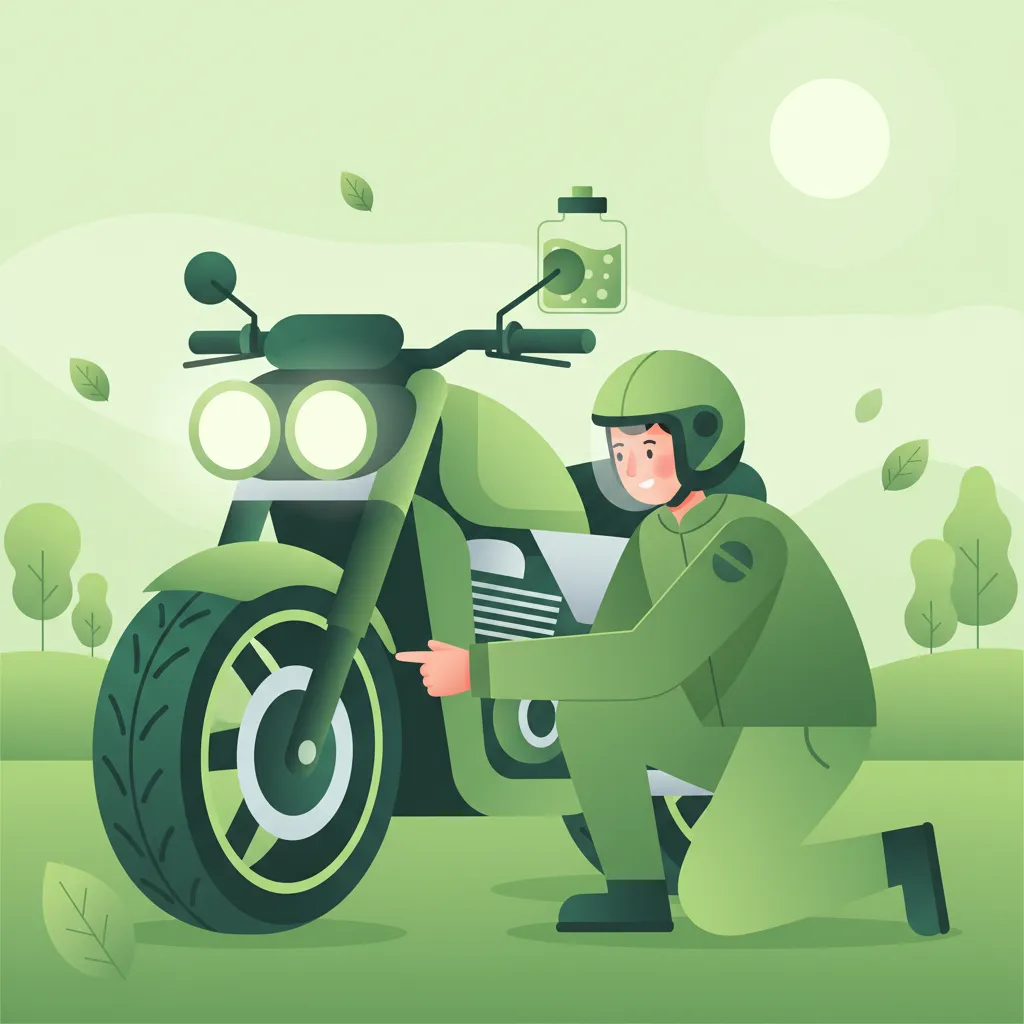
This lesson introduces a systematic pre-ride check, often remembered by the acronym T-CLOCS (Tires, Controls, Lights, Oil, Chassis, Stands). It provides a structured routine to ensure a motorcycle is safe to ride before every trip. Learners will understand how to quickly and efficiently inspect tire pressure and condition, verify all lights and controls are working, check fluid levels, and ensure the chassis and stand are secure.
This lesson prepares riders for the possibility of a routine police check ('verkeerscontrole'). It explains what officers typically inspect, which includes the required documentation, the roadworthiness of the motorcycle (e.g., tire tread depth, exhaust legality), and the rider's sobriety. The curriculum provides guidance on how to interact calmly and cooperatively with law enforcement, ensuring the stop proceeds smoothly and efficiently while being aware of one's basic rights.
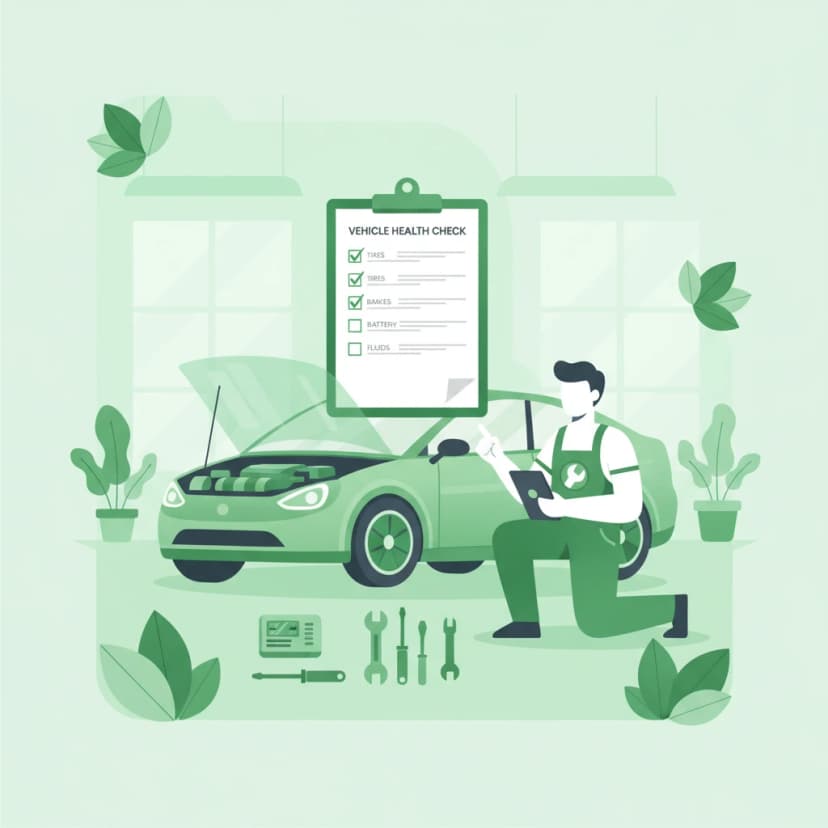
This lesson explains the purpose and frequency of the APK (Algemene Periodieke Keuring), the mandatory periodic safety and emissions inspection for vehicles in the Netherlands. You will understand what aspects of the car are checked, including brakes, steering, lights, and tires. The curriculum also details the essential documents you must have with you when driving, including the vehicle registration certificate (kentekenbewijs) and proof of insurance. Failure to comply with these requirements can result in significant fines.

This lesson details the systematic procedure for checking the functionality of all lights and indicators before a ride. This simple but critical safety check includes verifying the operation of the high and low beam headlight, the taillight, the brake light (using both front and rear brake activators), and all four turn signals. Ensuring all lights are working is a legal requirement and fundamental for visibility and communicating intentions to other road users.
Your vehicle's lights and horn are your primary tools for seeing, being seen, and communicating warnings. This lesson guides you through a simple but vital check of all electrical components before you ride. You will learn how to verify the function of your headlight (high and low beam), taillight, brake light (using both front and rear brake levers), and turn signals. It also covers checking the horn's operation and ensuring all mandatory reflectors are clean and intact.
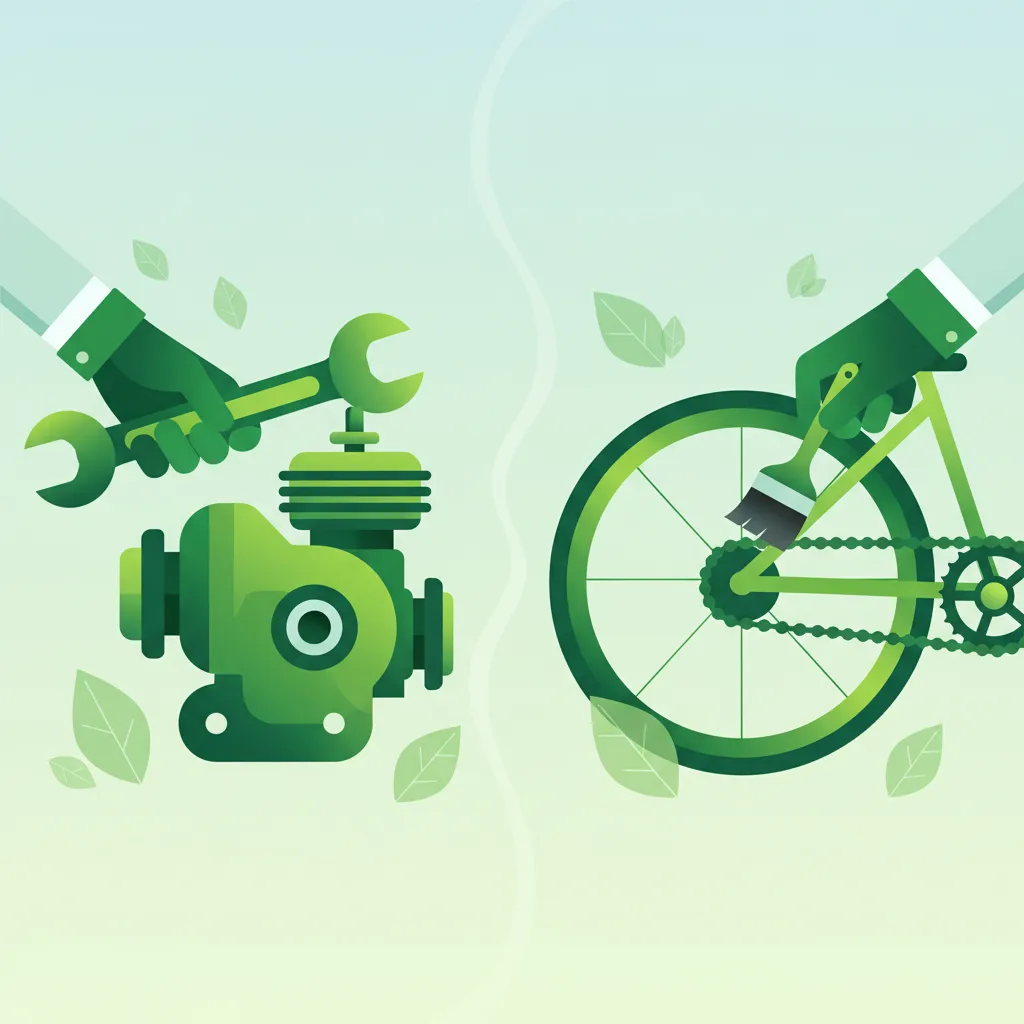
This lesson provides an overview of the most important routine maintenance tasks a rider should be aware of. It covers the why and how of regularly checking and lubricating the drive chain to prevent premature wear. Additionally, it explains how to check the engine oil level and recognize the signs that brake pads or fluid need attention, empowering riders to keep their motorcycles in a safe and reliable condition between professional services.
This lesson provides a definitive list of the documents a motorcyclist must carry at all times when riding in the Netherlands. It specifies the requirement for a valid driving license ('rijbewijs') for the correct category, the vehicle registration card ('kentekenbewijs'), and proof of valid third-party liability insurance ('verzekeringsbewijs'). The content clarifies that failure to produce these documents during a police check can result in significant fines and legal complications.

This lesson explains the phenomenon of brake fade, a temporary loss of braking performance caused by overheating, and how to avoid it. It also details the essential maintenance and pre-ride inspection points for a motorcycle's braking system. Learners will understand how to check brake fluid levels, inspect brake pads for wear, and assess the overall condition of brake lines and levers to ensure the system is always in safe, working order.
This lesson clarifies the specific Dutch regulations concerning stopping and parking for motorcycles, including designated parking bays and rules for parking on pavements. It also covers the mandatory procedures for safely navigating tunnels, such as required lighting, lane discipline, and actions to take during a breakdown or emergency. By understanding these rules, riders can avoid fines and navigate these specific traffic situations with confidence.

This lesson details the critical role that tires play in motorcycle safety, as they are the only connection to the road. It explains the importance of selecting the right type of tire for the season and expected riding conditions. The content provides a guide on how to perform regular pre-ride checks, including inspecting for correct inflation pressure, checking tread depth, and looking for any signs of damage or wear.
Find clear answers to common questions learners have about Mandatory Technical Inspection (APK) for Motorcycles. Learn how the lesson is structured, which driving theory objectives it supports, and how it fits into the overall learning path of units and curriculum progression in the Netherlands. These explanations help you understand key concepts, lesson flow, and exam focused study goals.
For motorcycles, the APK is generally mandatory for vehicles older than 8 years, with specific rules applying to mopeds and electric motorcycles. Lighter motorcycles (up to 350cc) and those used for specific purposes might have different regulations. It's crucial to check the latest RDW (Netherlands Vehicle Authority) guidelines for your specific motorcycle's registration details.
Common failure points include worn or improperly inflated tires, malfunctioning brakes (e.g., insufficient pad material or fluid leaks), faulty lighting (headlights, indicators, brake lights), excessive exhaust noise or emissions, and structural issues like loose handlebars or damaged suspension. Ensuring these are in good condition before an inspection significantly increases your chances of passing.
While you don't always need to carry the physical APK certificate if your vehicle is up-to-date, it's advisable. Police may request proof of a valid inspection. Importantly, you must always carry your motorcycle's registration certificate (kentekenbewijs) and proof of insurance.
The APK ensures that critical safety components of your motorcycle meet minimum legal standards. By adhering to APK requirements, you are actively contributing to your own safety and the safety of other road users by ensuring your vehicle is reliable and predictable in operation.
Yes, you can and should perform basic pre-ride checks yourself regularly, such as checking tire pressure and tread depth, brake function, and lights. While these checks don't replace the formal APK, they are vital for ongoing road safety and can help you identify potential issues before they become serious problems or lead to an APK failure.