
This lesson dives into the vital role of motorcycle tires, your only contact with the road. You'll learn about selecting the right tires for different seasons and conditions, alongside mastering crucial pre-ride checks like inflation pressure, tread depth, and damage inspection. This knowledge is essential for understanding Unit 7's focus on environmental factors and ensuring safe A1 motorcycle riding in the Netherlands.

Tires are often overlooked, yet they are the single most critical safety component on any motorcycle, serving as the only connection between your vehicle and the road surface. For riders preparing for the Dutch A1 Motorcycle Theory exam, understanding how to select, maintain, and manage your tires is not just a recommendation; it is fundamental to safe riding and legal compliance on the diverse roads of the Netherlands. This comprehensive lesson will delve into seasonal tire considerations, proper inflation, legal requirements, and essential pre-ride checks to ensure optimal performance and safety in all conditions.
Motorcycle tires are engineered to perform under specific conditions, influencing everything from braking distance and cornering stability to overall rider comfort and fuel efficiency. The interaction between the tire's rubber compound, its tread pattern, and the inflation pressure with varying ambient temperatures, road surfaces, and vehicle loads determines the available grip. Grip, or the coefficient of friction (μ), is paramount, as a reduction in grip directly increases braking distances and the risk of losing control.
In the Netherlands, with its varying weather, from mild summers to potentially icy winters, selecting the appropriate tire type and meticulously managing its pressure are crucial safety actions. Incorrect tire choice or inadequate pressure management can dramatically reduce the tire's ability to maintain traction, channel water effectively, or withstand operational stresses, leading to dangerous situations. Adhering to manufacturer specifications and legal guidelines ensures that your motorcycle remains predictable and safe, protecting not only you but also other road users.
Motorcycle tires are not one-size-fits-all; they are specifically designed with different rubber compounds and tread patterns to perform optimally across various temperature ranges and weather conditions. Matching your tires to the expected season and riding environment is a key aspect of proactive safety management for Dutch A1 motorcyclists.
Summer tires, also known as warm-weather tires, are engineered for optimal performance in temperatures generally above 7 °C. Their rubber compound is softer, allowing it to become more pliable and "sticky" as it heats up, providing superior grip on both dry and warm wet roads. The tread patterns on summer tires are typically less aggressive, designed to efficiently evacuate water and maintain a large contact patch with the road.
Using summer tires in colder conditions (below 7 °C) is not advisable. As temperatures drop, their rubber compound hardens significantly, losing its elasticity and consequently, much of its grip. This can lead to a dangerous reduction in traction, especially during braking or cornering, making the motorcycle feel unstable and increasing accident risk. While Dutch law does not explicitly prohibit the use of summer tires in winter, safety considerations strongly recommend against it, and insurance providers might take this into account in the event of an accident.
Winter tires are specifically developed to maintain performance in cold temperatures, typically below 7 °C, and can handle conditions including snow and ice. They feature a unique rubber compound that remains flexible and resilient even at very low temperatures, ensuring that the tire can still generate effective grip. The tread patterns on winter tires are much deeper and more aggressive than summer tires, often incorporating numerous small cuts or sipes. These sipes are designed to bite into snow and ice, as well as efficiently channel away slush and water, significantly reducing the risk of aquaplaning and improving traction.
While winter tires offer excellent performance in cold weather, their softer compound can wear out more quickly in warmer conditions. Furthermore, on warm, dry asphalt, their grip characteristics may not be as precise as dedicated summer tires due to their more flexible tread blocks. Therefore, it is generally recommended to switch back to summer tires once ambient temperatures consistently rise above 7 °C.
All-season or dual-season tires aim to offer a balanced performance across a wider range of temperatures and conditions, attempting to bridge the gap between summer and winter tires. They feature a compromise rubber compound and a moderate tread depth designed to provide acceptable grip in both warm and moderately cold conditions, as well as on light snow or wet surfaces.
For many riders in the Netherlands, all-season tires provide a practical solution, allowing year-round use without the need for seasonal tire changes. However, it is crucial to understand that all-season tires are a compromise. They will not offer the superior dry grip of dedicated summer tires in warm weather, nor the extreme cold-weather traction of specialized winter tires on heavy snow or ice. They are a good option for commuters or riders who face varied but not extreme seasonal conditions, but riders should always be mindful of their limitations, especially in severe winter weather.
Always consult your motorcycle manufacturer's recommendations and tire specifications when choosing new tires. The correct tire type for your bike and anticipated riding conditions is paramount for safety.
Correct tire inflation pressure is fundamental to motorcycle safety and performance. It affects the size and shape of the tire's contact patch with the road, influencing grip, handling, braking, and tire wear. Proper pressure also ensures the structural integrity of the tire, preventing overheating and potential failure.
Tire pressure is always measured and set when the tires are "cold." Cold pressure refers to the pressure in a tire when it has been stationary for at least three hours or has not been ridden for more than a few kilometers at low speed, allowing it to cool to ambient temperature. This is the baseline pressure specified by your motorcycle manufacturer, usually found in the owner's manual or on a sticker on the swingarm or frame.
As a tire rolls, it generates heat due to friction and flexing of the rubber. This heat causes the air inside the tire to expand, leading to an increase in pressure. This elevated pressure is known as hot pressure. Typically, hot pressure can be 0.2–0.3 bar higher than cold pressure after a significant ride. It is critical to never set your tire pressure based on hot readings, as this will lead to under-inflation once the tire cools down. Always use a calibrated pressure gauge and measure before riding.
The air inside your tires behaves according to the ideal gas law, meaning its pressure changes predictably with temperature fluctuations. As a rule of thumb, tire pressure changes by approximately 0.07 bar (or 1 psi) for every 10 °C change in ambient temperature.
This temperature-pressure relationship means that riders must be diligent in checking and adjusting their cold tire pressure, especially with significant seasonal shifts in weather. Failing to compensate for temperature changes can quickly lead to under- or over-inflation, compromising safety.
The manufacturer's recommended cold pressure is typically for a standard load (e.g., rider only). However, adjustments are necessary when carrying additional weight or riding in specific conditions:
Tire tread depth is crucial for safety, especially in wet conditions. The tread grooves are designed to channel water away from the contact patch, preventing aquaplaning (hydro-skidding) and maintaining grip.
For motorcycles in the Netherlands, the legal minimum tread depth is 1.6 mm across the central three-quarters of the tread width and around the entire circumference. Riding with tires below this minimum is illegal and extremely dangerous.
While 1.6 mm is the legal minimum, for optimal water evacuation and grip, especially in heavy rain, a tread depth of 3-4 mm is generally recommended. As tread depth approaches the legal minimum, the tire's ability to disperse water significantly diminishes, increasing the risk of aquaplaning at lower speeds.
Tread wear is often not uniform across the tire. Check multiple points across the tread width and around the circumference. Uneven wear can be an indicator of incorrect tire pressure, suspension issues, or riding style.
Even if a tire still has acceptable tread depth, its age must also be considered. Rubber compounds harden over time, regardless of wear, reducing the tire's flexibility and grip. Most tire manufacturers and safety experts recommend replacing motorcycle tires that are more than 5 years old, even if they appear to have sufficient tread.
Every motorcycle tire has specific markings on its sidewall that indicate its maximum permissible load and speed capabilities. These load index and speed rating codes are crucial for safety and legal compliance.
The load index of your motorcycle tires must meet or exceed the maximum weight that your motorcycle can carry, including its own curb weight, the rider, a passenger (if applicable), and any luggage. Using tires with an insufficient load index can lead to tire overheating, sidewall bulging, and catastrophic failure, especially at higher speeds or under heavy loads. For example, a load index of 66 indicates a maximum load of 300 kg.
The speed rating of your tires must meet or exceed the maximum permissible speed for your motorcycle. For A1 motorcycles in the Netherlands, the maximum speed is limited to 120 km/h. Therefore, your tires must be rated for at least 120 km/h. Common speed ratings include 'H' (up to 210 km/h) or 'V' (up to 240 km/h), which are well above the A1 limit and therefore acceptable.
It is illegal and extremely dangerous to operate a motorcycle with tires that do not comply with the load index and speed rating specified by the manufacturer for your vehicle. Always verify these specifications when purchasing or inspecting tires.
A systematic pre-ride inspection of your tires is one of the most important safety routines a motorcyclist can perform. Early detection of issues can prevent breakdowns, accidents, and fines. This routine should be performed before every ride, even short ones.
Never skip the sidewall inspection. Even if the tread looks fine, a sidewall bulge or significant cut can indicate internal damage that could lead to a sudden and catastrophic tire failure.
In the Netherlands, specific regulations govern motorcycle tire condition and suitability to ensure road safety. Compliance with these rules, primarily derived from the Reglement Verkeersregels en Verkeerstekens 1990 (RVV 1990) and CBR guidelines, is mandatory for all motorcyclists.
As previously discussed, Dutch law requires all road-going motorcycles to maintain a minimum tread depth of 1.6 mm across the central three-quarters of the tread width and around the entire circumference. Failure to meet this requirement is a serious offense and can result in significant fines and immediate removal of the motorcycle from service.
Motorcycle tires must always have a load index that is sufficient for the maximum permissible weight of the motorcycle (including rider, passenger, and luggage) and a speed rating that meets or exceeds the motorcycle's maximum permitted speed. For A1 category motorcycles, which have a maximum speed of 120 km/h, tires must be rated for at least this speed. Using inadequately rated tires is illegal and severely compromises safety.
While not always explicitly defined as a fineable offense under RVV 1990 for minor deviations, CBR technical guidelines strongly emphasize the mandatory use of manufacturer-specified cold tire pressure. Maintaining correct pressure is crucial for safety and performance, and significant deviations could be considered negligence in the event of an accident. The maximum pressure indicated on the tire sidewall should never be exceeded.
Beyond tread depth, load, and speed ratings, tires must be in generally good condition. This means no deep cuts, large bulges, significant cracks (especially on the sidewalls), or exposed cords. Although there isn't a strict legal age limit, tires that are more than 5 years old, even with good tread, are often considered unsafe due to rubber hardening. While not directly codified in law, continued use of visibly aged or damaged tires can lead to legal liability or affect insurance claims if an incident occurs. Periodic professional inspection (at least every 6 months) is highly recommended.
Let's explore some practical situations where proper tire selection and management are critical for Dutch A1 motorcyclists.
Imagine it's early autumn, and the temperature has suddenly dropped from 15 °C to 5 °C overnight. You have standard summer tires (tread depth 3.0 mm) on your A1 motorcycle, which you typically inflate to 2.2 bar cold. You need to commute.
Decision Point: How should you proceed?
Correct Action: First, check your cold tire pressure immediately. Due to the 10 °C temperature drop, your pressure will have fallen by approximately 0.07 bar. Adjust your tires back to the recommended 2.2 bar. While summer tires are suboptimal below 7 °C, at 5 °C and on a dry road, they might still offer acceptable (though reduced) grip for cautious riding. However, if conditions are wet or there's a risk of ice, changing to winter or all-season tires would be the safest option, or choosing an alternative mode of transport.
Incorrect Action: Continuing to ride without checking or adjusting pressure. This would result in under-inflated tires, further compromising the already reduced grip of summer tires in cold conditions and increasing wear.
You're planning a weekend trip on your A1 motorcycle, carrying a passenger (70 kg) and luggage (15 kg). Your motorcycle's manual specifies a cold tire pressure of 2.2 bar for a single rider. The ambient temperature is a warm 25 °C.
Decision Point: How should you adjust your tire pressure?
Correct Action: Calculate the additional load. Your passenger and luggage represent approximately 85 kg over the standard load. As a rule of thumb, increase pressure by 0.1 bar per 10 kg additional load. This means an increase of roughly 0.8-0.9 bar. So, you would inflate your tires to approximately 3.0-3.1 bar cold, ensuring the pressure does not exceed the maximum marked on the tire sidewall. This higher pressure prevents excessive sidewall flex and overheating under the heavy load.
Incorrect Action: Keeping the tire pressure at the single-rider specification of 2.2 bar. This would lead to severely under-inflated tires for the heavy load, causing excessive sidewall flex, dangerous heat build-up, premature tire wear, and a significant loss of stability and grip.
It's a frosty winter morning in an urban area, with temperatures around -2 °C and light snow accumulation in some areas, leaving icy patches. You are on an A1 motorcycle fitted with all-season tires with good tread (3.5 mm).
Decision Point: Is your current setup adequate?
Correct Action: While all-season tires are designed for year-round use, their performance on actual snow and ice is significantly inferior to dedicated winter tires. At -2 °C with icy patches, even good all-season tires will have very limited grip. It would be safest to avoid riding altogether, or if essential, proceed with extreme caution, significantly reducing speed, increasing following distances, and avoiding sudden maneuvers. Ideally, dedicated winter tires should be fitted for such conditions. Adjust tire pressure to compensate for the cold (increase by about 0.2 bar).
Incorrect Action: Assuming all-season tires are sufficient for all winter conditions and riding as usual. This drastically increases the risk of sliding, especially during braking or cornering on icy surfaces, leading to potential accidents.
Understanding and actively managing your motorcycle's tires is non-negotiable for safe and compliant riding on Dutch roads. From selecting the appropriate seasonal tires to meticulously checking tread depth and inflation pressure, every aspect plays a vital role in your safety and the longevity of your motorcycle. Remember that tires are your only contact with the road; ensuring they are in optimal condition and suitable for the prevailing circumstances is an ongoing responsibility for every motorcyclist. By adhering to these principles and Dutch regulations, you equip yourself with the confidence and control needed for a safe journey, whatever the weather or road conditions.
Lesson content overview
Explore all units and lessons included in this driving theory course.
Explore search topics learners often look for when studying Seasonal Tire Selection and Pressure Management. These topics reflect common questions about road rules, driving situations, safety guidance, and lesson level theory preparation for learners in the Netherlands.
Browse additional driving theory lessons that cover connected traffic rules, road signs, and common driving situations related to this topic. Improve your understanding of how different rules interact across everyday traffic scenarios.
Explore in-depth knowledge of motorcycle tire upkeep for Dutch conditions. Understand detailed checks, seasonal suitability, and the impact of wear and pressure on safety and grip beyond basic requirements.
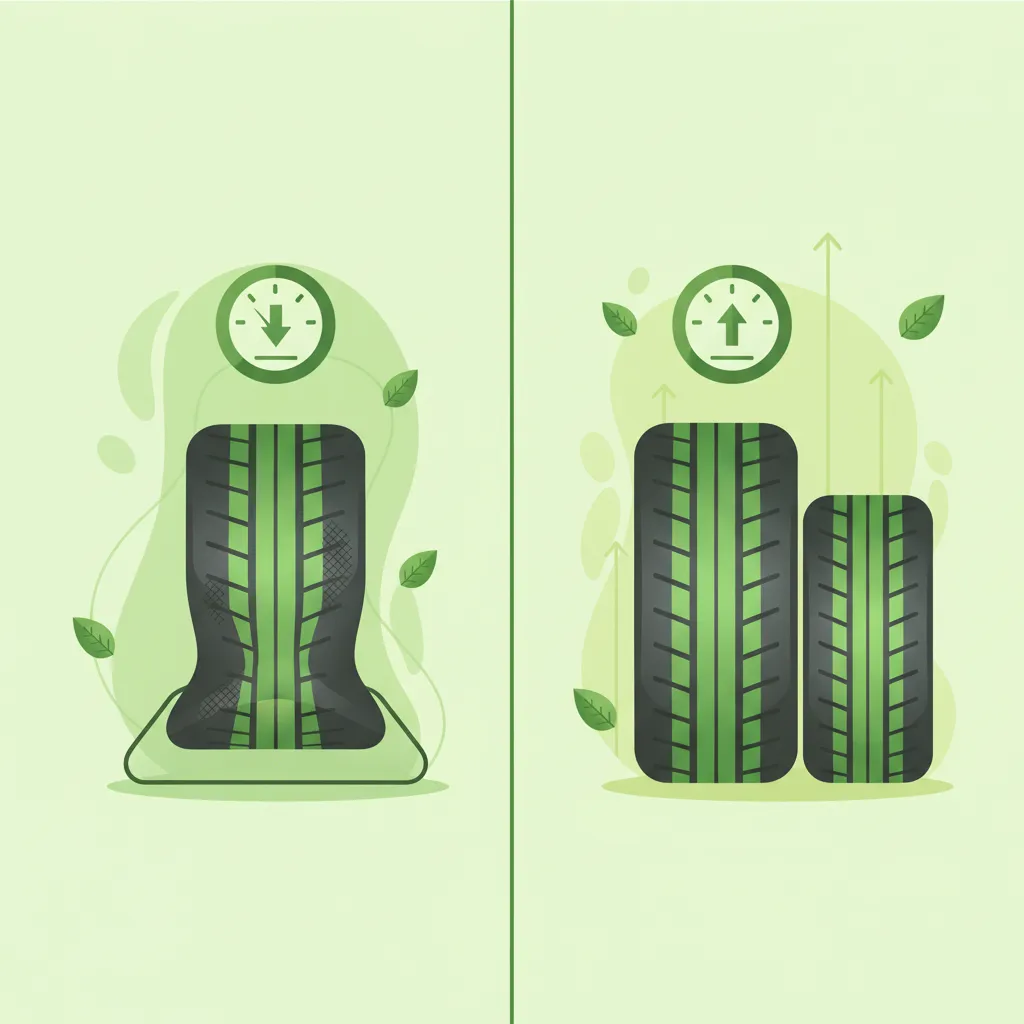
This lesson emphasizes that tires are the single most critical safety component on a motorcycle, being the only connection to the road. It provides detailed instructions on how to correctly check tire pressure ('bandenspanning') when the tires are cold and explains how to read tire wear indicators to assess remaining tread depth. The content also covers the legal minimum tread depth and the severe impact that incorrect pressure or excessive wear has on handling, braking, and overall safety.
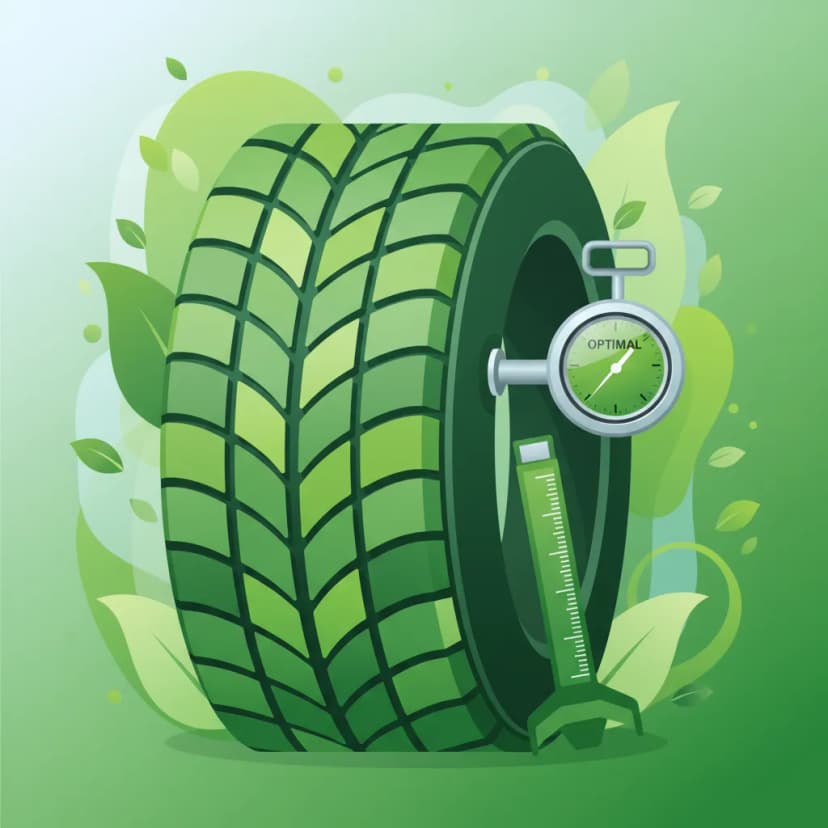
Your tires are your only connection to the road, making their condition critically important for safety. This lesson teaches you how to perform a thorough tire inspection. You will learn how to check tire pressures using a gauge and adjust them to the manufacturer's specification. It also covers how to check for sufficient tread depth above the legal minimum and how to inspect the tire surfaces for cuts, bulges, or embedded objects that could lead to failure.

This lesson introduces a systematic pre-ride check, often remembered by the acronym T-CLOCS (Tires, Controls, Lights, Oil, Chassis, Stands). It provides a structured routine to ensure a motorcycle is safe to ride before every trip. Learners will understand how to quickly and efficiently inspect tire pressure and condition, verify all lights and controls are working, check fluid levels, and ensure the chassis and stand are secure.

This lesson explains the legal framework for the mandatory periodic technical inspection (APK) as it applies to motorcycles in the Netherlands, although noting its specific applicability rules. It outlines the key safety and environmental components that are scrutinized during the inspection, such as brakes, tires, lighting, and exhaust emissions. Understanding these criteria helps riders maintain their vehicle in a constant state of roadworthiness and prepare for the formal inspection when required.
This lesson provides an overview of the most important routine maintenance tasks a rider should be aware of. It covers the why and how of regularly checking and lubricating the drive chain to prevent premature wear. Additionally, it explains how to check the engine oil level and recognize the signs that brake pads or fluid need attention, empowering riders to keep their motorcycles in a safe and reliable condition between professional services.

This lesson prepares you to deal with sudden changes in road surface that can cause a loss of traction. You will learn to scan for these hazards and, if they cannot be avoided, how to ride over them safely. The key technique is to keep the motorcycle upright and maintain smooth, steady control inputs—no abrupt braking, accelerating, or steering—to minimize the risk of a skid.

This lesson highlights the importance of adhering to the manufacturer's recommended maintenance schedule, which can be found in the owner's manual. It explains that regular servicing by qualified technicians is vital for long-term reliability and safety. The lesson also discusses the benefits of keeping a detailed service log, which not only helps track maintenance needs but also preserves the motorcycle's resale value.

Each season brings unique challenges for riders. This lesson discusses common seasonal hazards, such as wet autumn leaves that are as slippery as ice, the risk of black ice in winter, and increased agricultural traffic in the summer. It also highlights the importance of seasonal vehicle maintenance. For example, after winter, it is crucial to wash away corrosive road salt, and before winter, to check antifreeze and battery health, ensuring your vehicle is prepared for the conditions ahead.

This lesson explains the phenomenon of brake fade, a temporary loss of braking performance caused by overheating, and how to avoid it. It also details the essential maintenance and pre-ride inspection points for a motorcycle's braking system. Learners will understand how to check brake fluid levels, inspect brake pads for wear, and assess the overall condition of brake lines and levers to ensure the system is always in safe, working order.

This lesson details the interpretation of Dutch warning signs, which alert riders to potential dangers and changing road conditions. You will study signs indicating sharp curves, road narrowing (BORD 30), and temporary hazards like road works (BORD 36), learning to adjust speed and road position proactively. The content emphasizes how the A2 motorcycle's characteristics require earlier hazard recognition and response compared to other vehicles for maintaining control.
Understand the critical theory behind correct motorcycle tire pressure, load index, and speed ratings for Dutch roads. Learn how these factors affect handling, stability, and compliance with traffic laws.
This lesson emphasizes that tires are the single most critical safety component on a motorcycle, being the only connection to the road. It provides detailed instructions on how to correctly check tire pressure ('bandenspanning') when the tires are cold and explains how to read tire wear indicators to assess remaining tread depth. The content also covers the legal minimum tread depth and the severe impact that incorrect pressure or excessive wear has on handling, braking, and overall safety.

This lesson details the Dutch regulations for carrying passengers on a motorcycle, including the minimum age for the passenger and the mandatory use of approved helmets. It explains the rider's legal responsibility for the passenger's safety and how to properly secure loads to avoid affecting the motorcycle's stability and balance. Understanding these rules is crucial for ensuring safety and legality when riding with a pillion or luggage.

This lesson explains the physics of how weight distribution affects a motorcycle's stability. You will learn the golden rule of packing: keep the weight as low and as close to the motorcycle's center of gravity as possible. The content provides practical advice on loading panniers evenly, placing heavier items in a tank bag rather than a high top case, and respecting the manufacturer's maximum load capacity.

This lesson details the necessary mechanical adjustments before adding significant weight to your motorcycle. You will learn how to consult your owner's manual to set the correct tyre pressures and suspension preload for the added load, which is crucial for maintaining proper handling and stability. The content also emphasizes checking the security of any luggage and adjusting your headlight aim to avoid dazzling other drivers.

This lesson focuses on how you must adapt your riding style when the motorcycle is heavily loaded. You will learn that your braking distances will be significantly longer, requiring you to increase your following distance and begin braking earlier. The content also explains that acceleration will be slower, and cornering will require smoother, more deliberate inputs to avoid upsetting the motorcycle's altered balance.
Your tires are your only connection to the road, making their condition critically important for safety. This lesson teaches you how to perform a thorough tire inspection. You will learn how to check tire pressures using a gauge and adjust them to the manufacturer's specification. It also covers how to check for sufficient tread depth above the legal minimum and how to inspect the tire surfaces for cuts, bulges, or embedded objects that could lead to failure.

This lesson examines how adding weight, such as a pillion passenger or luggage, and changes in aerodynamics affect a motorcycle's performance and stability at speed. It explains the impact on acceleration, braking distances, and cornering ability due to a higher center of gravity and increased mass. Riders will learn how to adjust their speed and control inputs to safely manage the altered handling characteristics, especially when riding in windy conditions or at high motorway speeds.
This lesson prepares you for the unique dangers of high-speed highway riding. You will learn to scan for and navigate road hazards like debris, potholes, and slippery steel expansion joints on bridges. The content also addresses the powerful air turbulence created by large trucks that can upset a motorcycle's stability and the mental challenge of maintaining focus on long, monotonous stretches of road.
This lesson prepares you to deal with sudden changes in road surface that can cause a loss of traction. You will learn to scan for these hazards and, if they cannot be avoided, how to ride over them safely. The key technique is to keep the motorcycle upright and maintain smooth, steady control inputs—no abrupt braking, accelerating, or steering—to minimize the risk of a skid.

This lesson explains the precise legal definition of a Category A1 motorcycle, including the maximum 125cc displacement and 11 kW power output. It outlines the entire CBR licensing pathway, from meeting the minimum age requirement to passing both the theory and practical exams. Key administrative obligations such as vehicle registration (kenteken), mandatory insurance, and roadworthiness inspections (APK) are also detailed, ensuring a full understanding of legal compliance.
Find clear answers to common questions learners have about Seasonal Tire Selection and Pressure Management. Learn how the lesson is structured, which driving theory objectives it supports, and how it fits into the overall learning path of units and curriculum progression in the Netherlands. These explanations help you understand key concepts, lesson flow, and exam focused study goals.
Dutch weather varies greatly, impacting road grip. Winter tires offer better traction below 7°C, while summer tires perform optimally in warmer conditions. Choosing the right tire enhances safety and handling for your A1 motorcycle, preventing slips and improving braking efficiency. This is crucial for safe riding and often covered in the CBR exam.
It is recommended to check tire pressure at least once a week, and always before a long journey or when carrying a passenger. Correct pressure for your A1 motorcycle ensures optimal handling, fuel efficiency, and tire longevity, and is a key safety check for the CBR exam. Refer to your motorcycle's manual for specific pressure recommendations.
The legal minimum tread depth for motorcycles in the Netherlands, including A1, is 1.0 mm. However, for optimal safety, especially in wet conditions, it's advised to replace tires when the tread depth falls below 2.0 mm. CBR theory questions may test your knowledge of this legal requirement.
While you can use a standard car tire pressure gauge, it's often more accurate and easier to use a gauge specifically designed for motorcycles. Motorcycle tires require precise pressure, and a dedicated gauge can help ensure you meet the exact specifications for your A1 bike, which is important for safety and the CBR exam.