
This lesson explains why your motorcycle's tires are crucial for safety and exam success. You'll learn how to properly check tire pressure (bandenspanning) and assess wear, understanding their direct impact on handling and braking. This knowledge is vital for your Dutch CBR Category A theory exam and ensuring safe rides on Dutch roads.
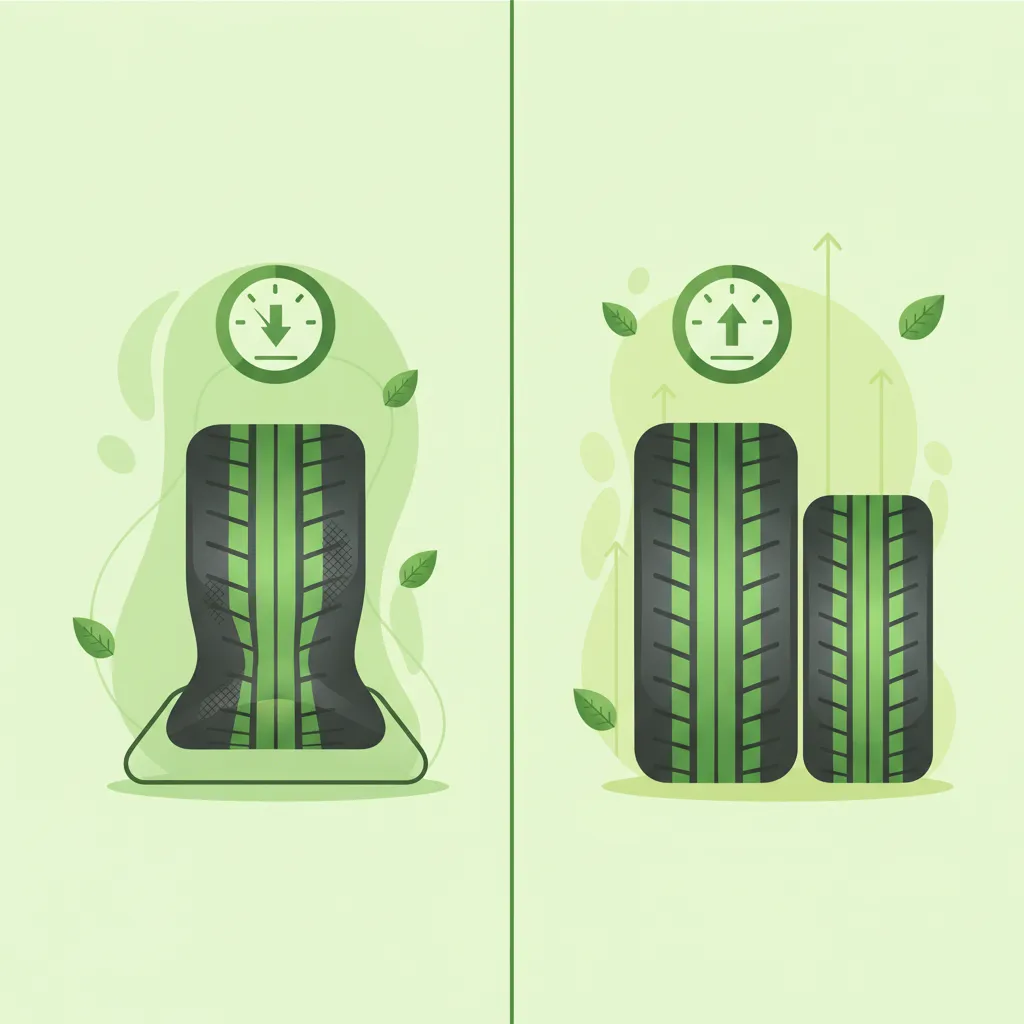
Tires are arguably the single most critical safety component on any motorcycle, serving as the only physical connection between your machine and the road. For riders undertaking Dutch Motorcycle Theory, a thorough understanding of tire pressure, wear, and proper selection is not just recommended, but essential for safety, optimal performance, and legal compliance. This comprehensive guide will delve into every aspect of motorcycle tires, equipping you with the knowledge to make informed decisions that ensure a safe and confident ride.
Every input you make as a rider – accelerating, braking, steering – is transmitted to the road solely through your tires. Their condition directly dictates your motorcycle's grip, stability, and responsiveness. Neglecting tire maintenance can severely compromise these fundamental aspects, turning a routine ride into a high-risk situation.
The tiny patches of rubber that meet the asphalt are responsible for all traction, absorbing road imperfections, and allowing you to lean into corners. Correct tire pressure ensures that this contact patch operates optimally, providing the necessary friction for acceleration, braking, and precise steering. Adequate tread depth, meanwhile, is crucial for evacuating water from beneath the tire, preventing the dangerous phenomenon of hydro-planing in wet conditions. Beyond performance, a well-maintained tire is less prone to sudden failure, such as a blow-out, which can have catastrophic consequences at speed.
Maintaining the correct tire pressure, or bandenspanning, is perhaps the easiest yet most overlooked aspect of motorcycle maintenance. It profoundly impacts handling, braking, fuel consumption, and tire longevity.
The manufacturer-specified tire pressure is always given as "cold inflation pressure." This is the pressure measured when your tires have not been driven for at least three hours, or have been ridden for less than 2 kilometres at speeds not exceeding 30 km/h. Measuring cold ensures a consistent baseline, as tire pressure naturally increases with heat generated during riding. Checking warm tires will give an artificially high reading, leading you to potentially reduce pressure below the correct cold setting, which can result in under-inflation once the tires cool down.
Regularly checking your tire pressure is a quick and simple safety habit that can save lives and money. It should ideally be done before every significant ride or at least once a week.
Tire pressure is directly affected by temperature. As a general rule, for every 10°C rise in tire temperature, the pressure increases by approximately 0.07 bar (or 1 psi). This relationship means that ambient temperature changes significantly influence your cold tire pressure. For example, if you set your tires to the correct cold pressure in summer (e.g., 25°C), and then the ambient temperature drops to 5°C in winter, your tires will be effectively under-inflated by about 0.14 bar (2 psi) if not adjusted. Therefore, it's crucial to re-check and adjust your cold tire pressure with significant seasonal temperature shifts.
The manufacturer's recommended cold tire pressure is typically for a solo rider without significant luggage. When carrying a passenger, heavy luggage, or both, the total weight on the tires increases substantially. To maintain the optimal contact patch and prevent excessive tire flex, you must increase the tire pressure. Your motorcycle's owner's manual will provide specific load-adjusted pressure recommendations, often expressed as an increment (e.g., +0.1 bar per 20 kg of additional load). Failing to adjust for heavy loads can lead to poor handling, increased tire temperature, premature wear, and even the risk of a blow-out.
Beyond pressure, the physical condition of your tires is paramount. This includes assessing tread depth, recognizing wear indicators, and understanding the often-overlooked factor of tire age.
Dutch law mandates a minimum tread depth for motorcycle tires. As per the relevant regulations, all motorcycles on public roads must have a tread depth of at least 1.0 millimetre across the entire surface of the tire, on both front and rear wheels. This minimum depth is crucial for maintaining sufficient grip, particularly in wet conditions where the tread pattern channels water away from the contact patch. Riding with tires below this legal limit is not only extremely dangerous due to reduced traction but also illegal, potentially leading to fines and a failed mandatory technical inspection (APK).
Modern motorcycle tires incorporate built-in tread wear indicators, often called "wear bars." These are small, raised rubber sections located within the main tread grooves, typically spaced around the tire's circumference. When the tire's tread wears down to the point where these wear bars become flush with the surrounding tread surface, it signifies that the tire has reached its legal minimum tread depth. At this point, the tire must be replaced immediately, regardless of whether you've measured the depth with a gauge. Wear bars provide a quick, visual cue for when a tire is at the end of its serviceable life.
Tread depth is not the only factor determining a tire's service life. Rubber degrades over time due to exposure to UV light, ozone, and general environmental factors, even if the motorcycle is stored and rarely ridden. This degradation, known as "dry rot" or "rubber hardening," reduces the rubber's elasticity and grip, making the tire less safe, particularly in wet or cold conditions. In the Netherlands, motorcycle tires older than six years from their date of manufacture must be replaced, irrespective of their visible tread depth. The manufacture date is encoded in the DOT (Department of Transportation) code on the tire sidewall, typically as a four-digit number indicating the week and year (e.g., "3119" means week 31 of 2019).
Inspecting your tires regularly should also involve looking for uneven wear. While normal wear typically occurs in the centre of the tire for highway riding or on the sides for aggressive cornering, certain patterns indicate underlying issues:
Uneven wear not only shortens tire life but can also negatively affect handling and stability. If you observe any unusual wear patterns, it's advisable to have your motorcycle inspected by a professional.
Selecting the appropriate tires for your motorcycle involves more than just matching the size. Factors such as speed rating, tire type, and regulatory compliance are crucial for safety and performance.
Every tire has a "speed rating," a letter code on its sidewall (e.g., 'H', 'V', 'W', 'Z') that indicates the maximum speed the tire is designed to safely sustain for a prolonged period. This rating accounts for heat buildup and structural integrity. Dutch law requires that the speed rating of your motorcycle's tires must be equal to or greater than the motorcycle's maximum speed. Using a tire with a lower speed rating than your bike's top speed is illegal and extremely dangerous, as it significantly increases the risk of tire overheating and catastrophic failure (such as tread separation) at high speeds.
Motorcycle tires are designed for specific riding conditions and styles. Choosing the correct "tire type" ensures optimal grip, handling, and durability for your intended use:
Using the wrong tire type for your typical riding environment can severely compromise safety, reduce performance, and may even violate insurance or inspection terms.
In the European Union, including the Netherlands, new tires sold for vehicles (including motorcycles, under certain conditions) must display an EU tire label. This label provides important information about the tire's performance characteristics:
While primarily aimed at informing consumers and promoting safer, more environmentally friendly tires, this label indirectly contributes to road safety by making wet grip a transparent and mandatory performance indicator. Always ensure the label is legible when purchasing new tires.
The link between tire condition and motorcycle dynamics is direct and undeniable. Understanding these cause-and-effect relationships is fundamental for safe riding.
Adhering to tire regulations is a legal requirement for all motorcyclists in the Netherlands, primarily enforced through the Algemene Periodieke Keuring (APK), the mandatory periodic technical inspection.
The Dutch Traffic Regulations and Traffic Signs (RVV 1990) contain several articles relevant to motorcycle tires, ensuring road safety and vehicle road-worthiness. Key aspects include:
These regulations are in place to protect all road users by ensuring vehicles maintain a basic standard of safety. Violations can lead to severe penalties, including fines and vehicle immobilisation.
Before submitting your motorcycle for its APK, it's crucial to perform a thorough pre-inspection of your tires. This preparation can prevent a failed inspection and save you time and money.
The APK inspector will meticulously check these points. Any deficiency will result in a failed inspection, requiring you to replace the faulty tire(s) and undergo a re-inspection.
To truly appreciate the importance of tire maintenance, it helps to understand some of the underlying physics.
The "contact patch" is the small area of the tire that is in contact with the road at any given moment. Its size and shape are dynamic, constantly changing with speed, lean angle, load, and tire pressure.
Grip itself is a function of the friction coefficient between the tire rubber and the road surface, multiplied by the normal force (weight) acting on the contact patch. Optimal tire condition maximizes this friction.
Hydro-planing occurs when a layer of water builds up between the tire tread and the road surface, causing the tire to lose contact with the road and essentially "float" on the water. This results in a complete loss of steering and braking control.
Maintaining adequate tread depth (especially above the 1.0 mm minimum) and correct cold inflation pressure is your primary defence against hydro-planing, ensuring your tires can effectively displace water and maintain crucial road contact.
Even experienced riders can fall victim to common tire maintenance oversights. Being aware of these pitfalls can enhance your safety.
Lesson content overview
Explore all units and lessons included in this driving theory course.
Explore search topics learners often look for when studying Tire Pressure, Wear, and Selection (bandenspanning). These topics reflect common questions about road rules, driving situations, safety guidance, and lesson level theory preparation for learners in the Netherlands.
Browse additional driving theory lessons that cover connected traffic rules, road signs, and common driving situations related to this topic. Improve your understanding of how different rules interact across everyday traffic scenarios.
Understand the specific Dutch traffic laws (RVV 1990) regarding motorcycle tire tread depth, age, and condition. Prepare your tires for the mandatory APK technical inspection and avoid common violations.
This lesson explains the legal framework for the mandatory periodic technical inspection (APK) as it applies to motorcycles in the Netherlands, although noting its specific applicability rules. It outlines the key safety and environmental components that are scrutinized during the inspection, such as brakes, tires, lighting, and exhaust emissions. Understanding these criteria helps riders maintain their vehicle in a constant state of roadworthiness and prepare for the formal inspection when required.
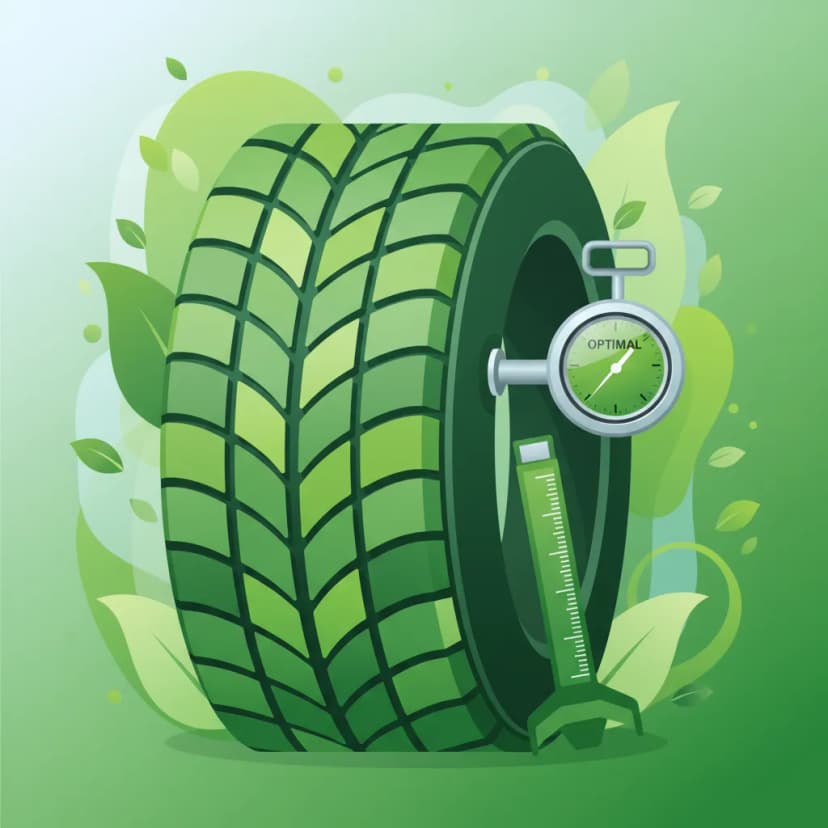
Your tires are your only connection to the road, making their condition critically important for safety. This lesson teaches you how to perform a thorough tire inspection. You will learn how to check tire pressures using a gauge and adjust them to the manufacturer's specification. It also covers how to check for sufficient tread depth above the legal minimum and how to inspect the tire surfaces for cuts, bulges, or embedded objects that could lead to failure.

This lesson details the critical role that tires play in motorcycle safety, as they are the only connection to the road. It explains the importance of selecting the right type of tire for the season and expected riding conditions. The content provides a guide on how to perform regular pre-ride checks, including inspecting for correct inflation pressure, checking tread depth, and looking for any signs of damage or wear.

This lesson explains the purpose and frequency of the APK (Algemene Periodieke Keuring), the mandatory periodic safety and emissions inspection for vehicles in the Netherlands. You will understand what aspects of the car are checked, including brakes, steering, lights, and tires. The curriculum also details the essential documents you must have with you when driving, including the vehicle registration certificate (kentekenbewijs) and proof of insurance. Failure to comply with these requirements can result in significant fines.

This lesson provides a definitive list of the documents a motorcyclist must carry at all times when riding in the Netherlands. It specifies the requirement for a valid driving license ('rijbewijs') for the correct category, the vehicle registration card ('kentekenbewijs'), and proof of valid third-party liability insurance ('verzekeringsbewijs'). The content clarifies that failure to produce these documents during a police check can result in significant fines and legal complications.

This lesson explains the precise legal definition of a Category A1 motorcycle, including the maximum 125cc displacement and 11 kW power output. It outlines the entire CBR licensing pathway, from meeting the minimum age requirement to passing both the theory and practical exams. Key administrative obligations such as vehicle registration (kenteken), mandatory insurance, and roadworthiness inspections (APK) are also detailed, ensuring a full understanding of legal compliance.
This lesson covers the mandatory lighting and signaling equipment for A2 motorcycles under Dutch law, ensuring you remain visible and communicate your intentions correctly. You will learn the rules for using headlights, taillights, turn signals, and brake lights in various conditions, including daytime and adverse weather. The content also addresses the importance of maintaining this equipment and using hand signals as a valid secondary method of communication in traffic.

This lesson clarifies the specific Dutch regulations concerning stopping and parking for motorcycles, including designated parking bays and rules for parking on pavements. It also covers the mandatory procedures for safely navigating tunnels, such as required lighting, lane discipline, and actions to take during a breakdown or emergency. By understanding these rules, riders can avoid fines and navigate these specific traffic situations with confidence.

This lesson outlines the rider's responsibility for ensuring their motorcycle's engine and exhaust system comply with Dutch legal standards. It covers basic but vital pre-ride checks, such as verifying engine oil and coolant levels. A significant focus is placed on exhaust compliance, explaining the regulations regarding noise levels ('geluidseisen') and the rules surrounding aftermarket exhaust systems, including the requirement for approved markings and the use of 'dB-killers'.
This lesson focuses on the three most critical safety systems of a car. You will learn the legal minimum tire tread depth (1.6 mm) and the importance of maintaining correct tire pressure for safety and fuel efficiency. The content covers the basics of the braking system, including how to check brake fluid and recognize warning signs of worn brakes. Additionally, the lesson explains the function of the steering system and the importance of ensuring it operates smoothly and without issue.
Learn how different types of tire wear and the age of your motorcycle tires affect grip, braking, and stability. Understand the risks of worn or old tires for safe riding.
Your tires are your only connection to the road, making their condition critically important for safety. This lesson teaches you how to perform a thorough tire inspection. You will learn how to check tire pressures using a gauge and adjust them to the manufacturer's specification. It also covers how to check for sufficient tread depth above the legal minimum and how to inspect the tire surfaces for cuts, bulges, or embedded objects that could lead to failure.
This lesson explores the often-overlooked factor of road surface temperature and its direct impact on tire grip and braking efficiency. It explains that cold tires on cold asphalt have significantly less grip, leading to longer stopping distances and a higher risk of skidding. The content discusses the importance of allowing tires to warm up through gentle riding and highlights the danger of isolated icy patches, even on otherwise clear winter days.
This lesson details the critical role that tires play in motorcycle safety, as they are the only connection to the road. It explains the importance of selecting the right type of tire for the season and expected riding conditions. The content provides a guide on how to perform regular pre-ride checks, including inspecting for correct inflation pressure, checking tread depth, and looking for any signs of damage or wear.

This lesson prepares you to deal with sudden changes in road surface that can cause a loss of traction. You will learn to scan for these hazards and, if they cannot be avoided, how to ride over them safely. The key technique is to keep the motorcycle upright and maintain smooth, steady control inputs—no abrupt braking, accelerating, or steering—to minimize the risk of a skid.
Find clear answers to common questions learners have about Tire Pressure, Wear, and Selection (bandenspanning). Learn how the lesson is structured, which driving theory objectives it supports, and how it fits into the overall learning path of units and curriculum progression in the Netherlands. These explanations help you understand key concepts, lesson flow, and exam focused study goals.
Tires heat up during riding, causing the air inside to expand and pressure to increase. Checking them cold ensures you get an accurate baseline measurement, preventing over- or under-inflation once they warm up on the road.
In the Netherlands, the legal minimum tread depth for motorcycle tires is 1 millimeter across the central three-quarters of the tire's width. While this is the legal minimum, it's generally safer to replace tires before they reach this limit.
You must always follow the manufacturer's recommendations for your specific motorcycle model. Mixing tire types not approved for your bike can severely compromise handling, stability, and safety, and might even be illegal.
It's recommended to check your motorcycle's tire pressure at least once a week, and always before any long journey or when carrying a passenger or heavy luggage. Regular checks help maintain optimal performance and safety.
Underinflated tires can lead to several dangers, including increased fuel consumption, faster tire wear, reduced grip, unstable handling, and a higher risk of tire overheating or a blowout, especially at higher speeds. This is a common topic in CBR A exam questions.