
This lesson delves into the crucial psychological aspects of motorcycle riding, focusing on cognitive load and situational awareness. Understanding how your mind processes information under stress is vital for safe Category A motorcycle operation. We'll explore how to manage mental resources effectively to stay focused and anticipate hazards on Dutch roads.

For every motorcyclist, especially those preparing for the Dutch Category A theory exam, understanding the psychological underpinnings of safe riding is paramount. The concepts of cognitive load and situational awareness explain how the human brain processes information in dynamic traffic environments. Mastering these principles is crucial for preventing accidents, enhancing reaction times, and ensuring that your mental processing is always a step ahead of your motorcycle's position on the road.
Cognitive load refers to the total amount of mental effort required to perceive, interpret, and act on information at any given moment. Riding a motorcycle is an inherently demanding task, requiring constant high-speed perception, rapid decision-making, and precise motor control. Your brain has a finite capacity for processing sensory input, executing mental tasks, and managing emotional states. When the demands placed on your mental resources exceed this capacity, your ability to ride safely is compromised.
This mental effort can be broken down into three distinct types of cognitive load:
Intrinsic load is the mental effort inherent to the primary riding task itself. This includes fundamental skills like maintaining balance, steering, throttle control, braking, and understanding basic traffic signs and road markings. This load reflects the essential complexity of motorcycle operation and cannot be eliminated. Instead, it must be managed through continuous training and skill development, allowing these core tasks to become more automatic.
Extraneous load is generated by non-essential factors that distract from the core riding task. These can be external, such as poorly adjusted mirrors, an unfamiliar GPS interface, or distracting devices like a smartphone. They can also be internal, such as mental preoccupation or worrying about a personal issue. Reducing extraneous load is critical because it frees up valuable mental capacity for safe riding. Removing distractions and ensuring comfortable, ergonomic bike setup are key strategies.
Germane load is the cognitive effort specifically devoted to learning, strategy formation, and building robust mental models of traffic situations. This type of load is beneficial because it promotes long-term skill acquisition and automation. For instance, deliberately rehearsing emergency braking procedures in a safe environment, or mentally visualizing complex intersection navigation, contributes positively to germane load. This controlled increase in mental effort accelerates expertise without overwhelming immediate riding capacity.
Situational awareness (SA) is a continuous process that forms the mental foundation for proactive decision-making while riding. It involves constantly observing your environment, comprehending the meaning of what you see and hear, and then projecting potential future events. High situational awareness allows you to anticipate hazards early, select appropriate speeds, and execute maneuvers smoothly and safely.
Situational awareness is often described in three levels:
Perception (Level 1 SA): Detecting Relevant Cues This is the most basic level, involving the active scanning and detection of relevant elements in the traffic environment. For a motorcyclist, this means spotting other vehicles, pedestrians, cyclists, road signs, traffic lights, road surface changes, and potential hazards. It's about seeing what's there.
Example: Spotting a pedestrian looking towards a crosswalk.
Comprehension (Level 2 SA): Interpreting Meaning Once cues are perceived, the next step is to understand their significance and meaning within the current context. This involves processing the observed information and making sense of it. What does that pedestrian's body language imply? Is that car about to signal a turn? What is the speed and trajectory of the approaching vehicle?
Example: Understanding that the pedestrian's gaze towards the crosswalk means they intend to cross the road.
Projection (Level 3 SA): Anticipating Future Status This is the highest level of situational awareness, where a rider uses their comprehension to predict how the situation will evolve in the near future. It involves forecasting potential actions of other road users and anticipating the consequences of those actions, allowing for proactive rather than reactive responses. This level is crucial for maintaining a safety margin and avoiding surprises.
Example: Anticipating that the pedestrian may step into the lane within the next 2-3 seconds, prompting you to prepare to brake or adjust your path.
Losing situational awareness at any of these levels significantly reduces a rider's ability to react appropriately and safely.
Several common human factors can overload cognitive capacity and diminish situational awareness, significantly increasing the risk of accidents.
Fatigue is a physiological and mental state characterized by reduced alertness, slower reaction times, and impaired decision-making. It can be caused by prolonged riding, inadequate sleep, or monotonous road conditions (e.g., long stretches of highway). Even seemingly minor fatigue can drastically reduce your ability to perceive and respond to hazards. While there's no explicit Dutch law prohibiting riding while fatigued, riding with "diminished attentiveness" falls under the general duty of care (RVV 1990 Art. 12.6).
Stress is a psychological response to perceived threats or pressure. Sources can include heavy traffic, time pressure, aggressive drivers, or adverse weather conditions. Under stress, your body releases hormones that can narrow your attention, leading to what's known as "tunnel vision," where you focus intensely on one element (e.g., the vehicle directly in front) and ignore peripheral hazards. It can also elevate heart rate and impair judgment, leading to impulsive or delayed actions.
A distraction is any stimulus that diverts your attention away from the primary riding task. Distractions are a major contributor to increased cognitive load and reduced situational awareness. They can be categorized into:
Dutch traffic law (RVV 1990 Art. 12.5) explicitly prohibits the use of handheld mobile devices while a vehicle is in motion. Furthermore, RVV 1990 Art. 12.8(c) prohibits the use of earphones or similar devices that impair hearing, ensuring you can hear horns, sirens, and environmental sounds critical for safety.
Your brain's working memory is a temporary storage and processing system that allows you to hold and manipulate a limited amount of information simultaneously. For most people, this capacity is roughly 4 ± 1 "chunks" of information. When this capacity is overloaded – for example, by trying to remember a complex route, monitor multiple traffic streams, and adjust gear shifts all at once – errors are highly likely. Information can be lost, and decision-making becomes impaired.
The good news is that many riding tasks can become automated through repeated practice. Automation is the process by which tasks are transferred from conscious, effortful control (using working memory) to procedural memory (subconscious control). For example, a rider who has mastered clutch control and gear shifting can perform these actions without conscious thought, freeing up working memory to focus on scanning for hazards, anticipating traffic flow, and maintaining situational awareness. This reduction in intrinsic load is a hallmark of an experienced and safer rider.
The Dutch traffic code (Reglement Verkeersregels en Verkeerstekens 1990, or RVV 1990) contains several articles that directly relate to managing cognitive load and maintaining situational awareness. These are not merely suggestions but mandatory legal requirements for all road users, including Category A motorcyclists.
| Regulation | Rule Statement | Applicability | Legal Status | Rationale | Correct Example | Incorrect Example |
|---|---|---|---|---|---|---|
| RVV 1990 Art. 12.5 | Handheld mobile electronic devices may not be used while the vehicle is in motion. | All road users, Category A motorcycles. | Mandatory | Prevents visual and cognitive distraction. | Rider uses a mounted GPS with voice directions only. | Rider reads a text message while riding. |
| RVV 1990 Art. 12.6 | The driver shall maintain a sufficient level of attention to control the vehicle safely. | Continuous; applies regardless of traffic density. | Mandatory | Ensures the driver can react to hazards; covers fatigue, stress, overload. | Rider takes a 10-minute break after 3 hours of riding. | Rider continues riding despite feeling drowsy. |
| RVV 1990 Art. 12.7 | The driver must keep a safe distance and maintain observation of the traffic situation. | All driving situations; especially high-speed traffic. | Mandatory | Provides time to perceive, comprehend, and act. | Rider maintains at least a two-second gap on a motorway. | Rider follows at a one-second gap and cannot brake in time. |
| RVV 1990 Art. 12.8(c) | Use of earphones or similar devices that impair hearing is prohibited. | All road users. | Mandatory | Guarantees ability to hear horns, sirens, and environmental sounds. | Rider rides without earbuds. | Rider wears noise-cancelling headphones while riding. |
| Wegcode § 2-20 | Drivers must not drive under the influence of substances that impair cognitive function (alcohol, drugs). | All road users. | Mandatory | Directly impacts cognitive load, reaction time, and judgment. | Rider has blood alcohol below the legal limit. | Rider rides after consuming a high-alcohol beverage. |
| Motorfietsrichtlijn § 5.3 | Motorcyclists must use mirrors and perform a "head-check" before lane changes. | All overtaking and lane change maneuvers. | Mandatory | Reinforces situational awareness of rearward traffic, covering blind spots. | Rider glances in the mirror, then performs a head-check. | Rider only checks the mirror and changes lane. |
Managing cognitive load and maintaining situational awareness is not a static task; it must adapt dynamically to changing riding conditions.
These scenarios illustrate how cognitive load and situational awareness play out in real-world riding situations.
Mastering the road on a Category A motorcycle in the Netherlands goes beyond mechanical skill; it requires a deep understanding and proactive management of your mental resources.
By consciously managing your cognitive load and continuously cultivating high situational awareness, you equip yourself with the most powerful safety tool available: a sharp, focused, and anticipatory mind that stays ahead of every twist and turn on the road.
Lesson content overview
Explore all units and lessons included in this driving theory course.
Explore search topics learners often look for when studying Cognitive Load and Situational Awareness. These topics reflect common questions about road rules, driving situations, safety guidance, and lesson level theory preparation for learners in the Netherlands.
Browse additional driving theory lessons that cover connected traffic rules, road signs, and common driving situations related to this topic. Improve your understanding of how different rules interact across everyday traffic scenarios.
Explore how cognitive load, fatigue, stress, and distractions impact situational awareness for Dutch motorcyclists. Learn essential rider psychology to improve focus and decision-making for safer riding.
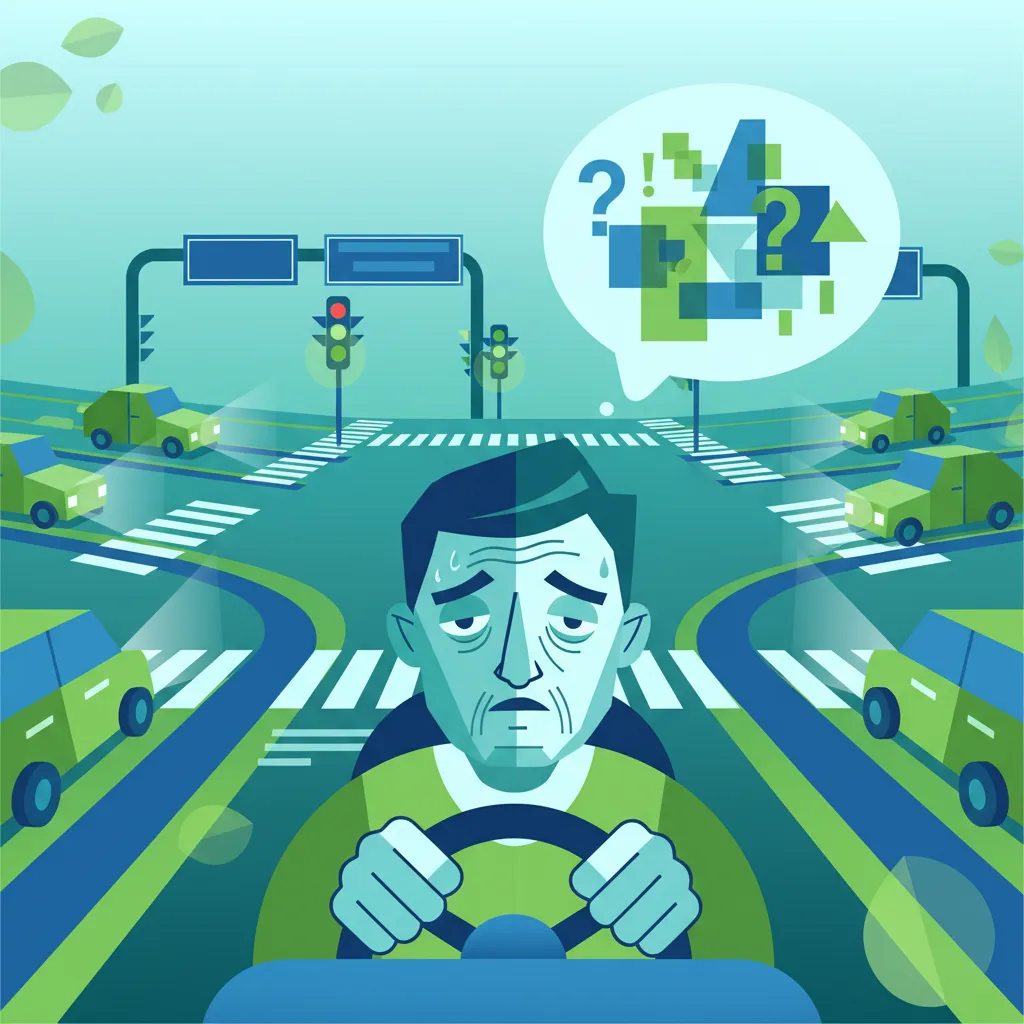
This lesson details the significant negative impact that both psychological stress and physical fatigue have on a rider's cognitive functions. It explains how these states can narrow attention, slow reaction times, and lead to irritable or irrational decision-making on the road. The content emphasizes the importance of self-assessment before every ride and having the discipline to postpone a journey when not mentally or physically fit to operate a motorcycle safely.

This lesson delves into the psychological aspects of motorcycling, exploring how factors like attitude, emotion, and fatigue can influence decision-making and risk-taking. It encourages self-awareness, helping riders recognize states like overconfidence or distraction that can lead to poor choices. The ultimate goal is to foster a mature, defensive mindset focused on risk mitigation and making safe, responsible decisions on every ride.
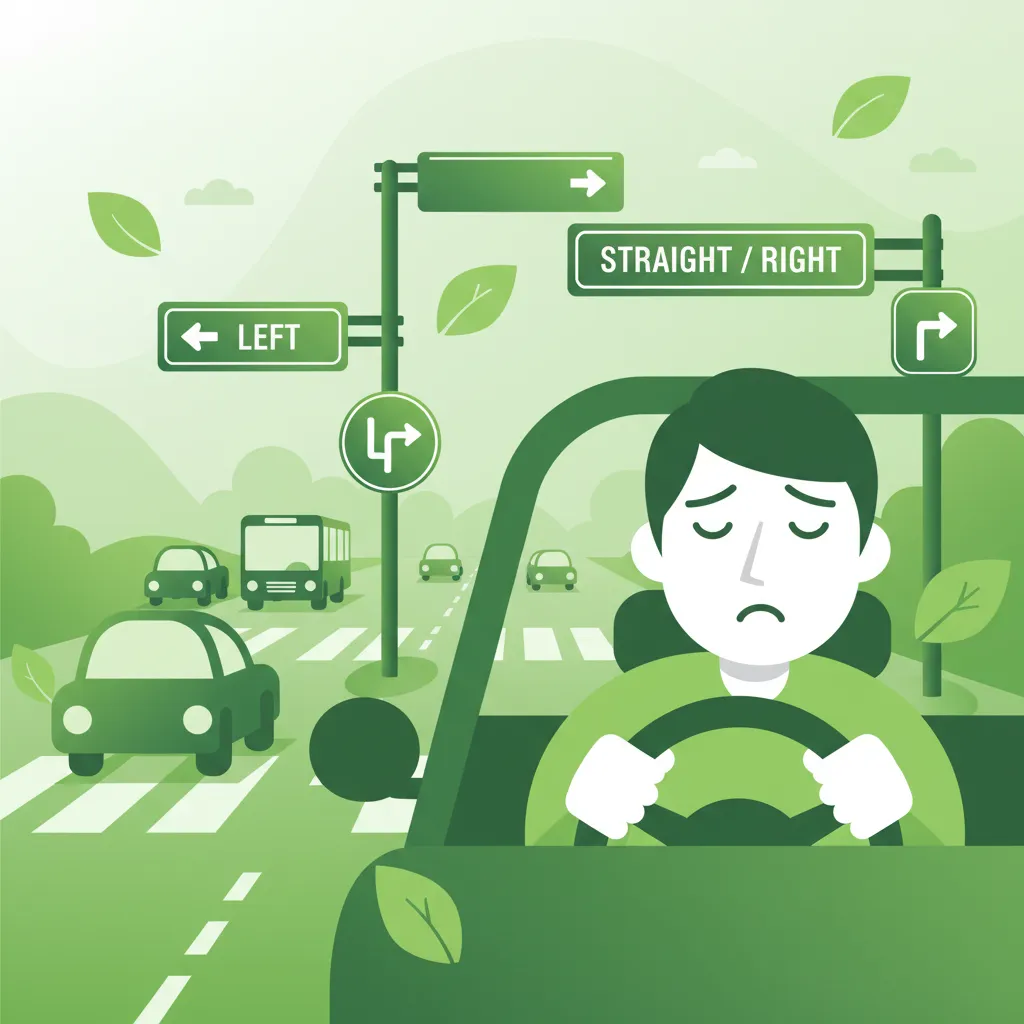
Fatigue and stress are major contributors to rider error and accidents. This lesson explains how physical tiredness and mental stress can slow your reaction time, impair your decision-making abilities, and lead to poor judgment on the road. You will learn to identify the early warning signs of fatigue and the importance of taking regular rest breaks on long journeys. The lesson also provides techniques for managing stress to ensure you are in a fit state to ride safely.

This lesson explores how subconscious mental shortcuts, or cognitive biases, can negatively impact a rider's risk perception ('risicoperceptie') and lead to poor decisions. It discusses common examples like 'optimism bias' (the belief that accidents happen to others) and overconfidence, explaining how these psychological traps can cause riders to underestimate risks. Developing an awareness of these biases is the first step toward consciously overriding them and making more rational, safer choices.

This lesson delves into the mental side of safe riding. You will explore how a rider's emotional state, attitude, and level of experience can influence their perception of risk. The content addresses the common pitfall of overconfidence, especially among newer riders, and the importance of resisting peer pressure to ride beyond your skill level, emphasizing a mature and responsible approach to risk management.

This lesson explains that fatigue is a major contributor to single-vehicle motorcycle accidents. You will learn to recognize its subtle symptoms, such as slow reaction times, poor judgment, and difficulty concentrating. The content provides essential strategies for prevention and management, including planning for regular rest stops, staying hydrated, and knowing when to stop riding for the day.

This lesson addresses the significant dangers of rider fatigue, which are amplified during night riding. It explains the physiological effects of tiredness on reaction time, decision-making, and vision. Strategies for managing fatigue are presented, including the importance of proper pre-ride rest, taking regular breaks, staying hydrated, and recognizing the early warning signs of drowsiness to know when it is essential to stop riding and rest.

This lesson focuses on training the brain to become a more effective hazard detection system. It introduces psychological techniques like 'commentary riding,' where the rider verbalizes all perceived hazards and their planned responses, which enhances focus and processing. The practice of constantly running 'what-if' scenarios helps to pre-plan reactions to potential events, reducing the time it takes to respond if a real hazard materializes, turning anticipation into a deeply ingrained habit.

This lesson introduces riders to formal risk assessment models, such as the 'Identify, Predict, Decide, Execute' (IPDE) framework, to structure their thinking in dynamic traffic situations. This provides a systematic mental checklist for constantly scanning the environment, identifying potential threats, predicting their likely outcomes, deciding on a safe course of action, and executing it smoothly. Using such a model helps to ensure that no critical information is missed, even under pressure.
Understand how to apply situational awareness and manage cognitive load in diverse Dutch traffic conditions. Learn adaptation strategies for urban areas, motorways, tunnels, and adverse weather.

This lesson compares the different skills and awareness levels required for riding in dense urban environments versus high-speed express environments. It discusses managing frequent hazards like intersections and vulnerable road users in the city, contrasted with the need for high-speed stability, smooth lane changes, and managing merging traffic on motorways. Understanding how to adapt riding style is key to navigating these distinct settings safely.

This lesson focuses on the unique and densely packed hazards found in urban traffic environments. It teaches riders to develop a systematic scanning pattern to identify potential risks from multiple sources simultaneously, such as pedestrians stepping off curbs, car doors opening unexpectedly, and buses pulling out. The content also emphasizes the importance of managing speed and always having an 'escape route' planned in case a hazard suddenly materializes in the complex city landscape.
This lesson introduces riders to formal risk assessment models, such as the 'Identify, Predict, Decide, Execute' (IPDE) framework, to structure their thinking in dynamic traffic situations. This provides a systematic mental checklist for constantly scanning the environment, identifying potential threats, predicting their likely outcomes, deciding on a safe course of action, and executing it smoothly. Using such a model helps to ensure that no critical information is missed, even under pressure.

This lesson transitions hazard perception skills to the high-speed environment of motorways and tunnels. It covers specific risks such as vehicles merging at different speeds, sudden braking and congestion ahead, road debris, and the aerodynamic effects of crosswinds and large trucks. The curriculum also addresses the challenges of riding in tunnels, including changes in light and surface conditions, and the importance of identifying emergency exits and procedures in case of an incident.

This lesson addresses the dual challenge of poor visibility: being able to see the road ahead and ensuring other road users can see you. It covers techniques for riding in fog and heavy rain, such as using appropriate lights and reducing speed to match sight distance. The lesson also discusses practical issues like helmet visor fogging and the importance of wearing high-visibility or reflective clothing to enhance conspicuity in low-light conditions.

This lesson provides a detailed guide to riding in wet and low-visibility conditions. You will learn to make all your control inputs—braking, accelerating, and steering—exceptionally smooth to avoid breaking traction on slippery surfaces. The content covers the dangers of painted lines and manhole covers when wet, and the importance of increasing your following distance dramatically to account for longer braking distances.
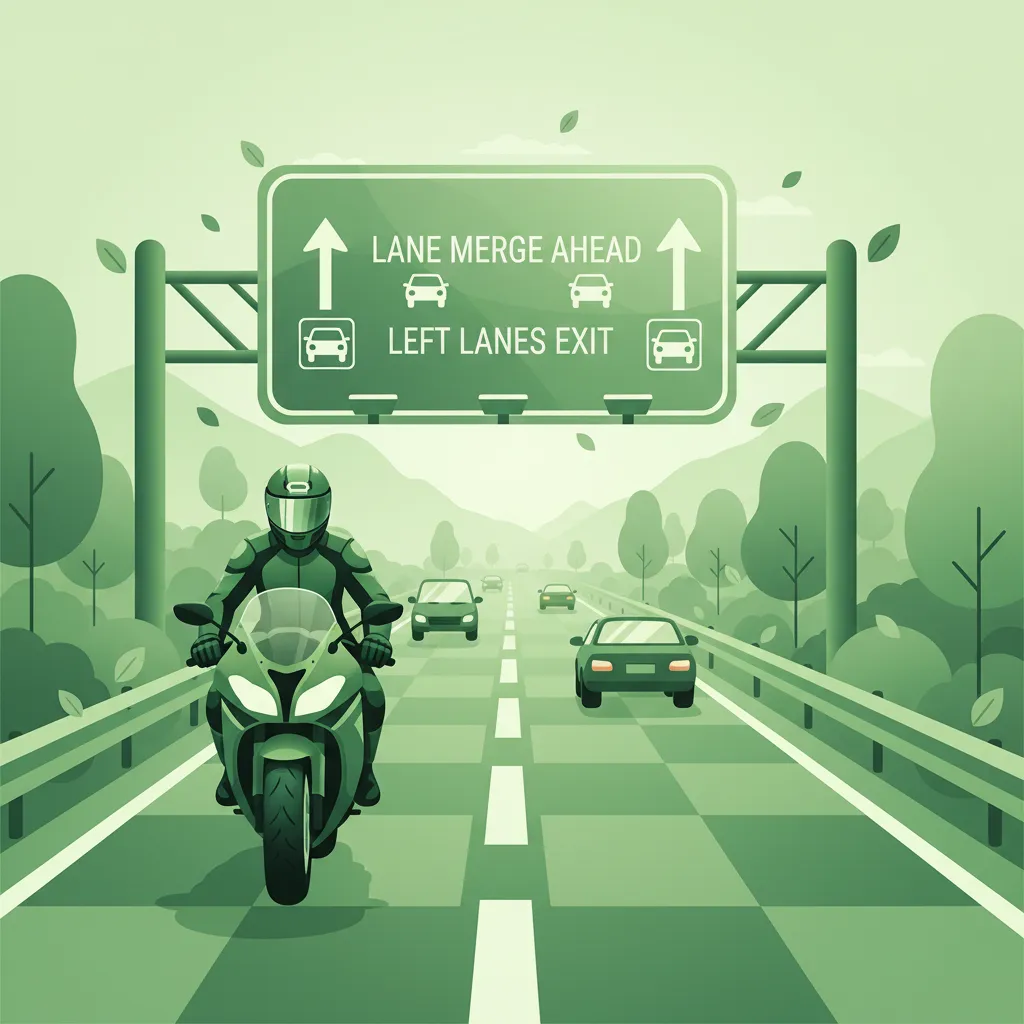
This lesson prepares you for the unique dangers of high-speed highway riding. You will learn to scan for and navigate road hazards like debris, potholes, and slippery steel expansion joints on bridges. The content also addresses the powerful air turbulence created by large trucks that can upset a motorcycle's stability and the mental challenge of maintaining focus on long, monotonous stretches of road.
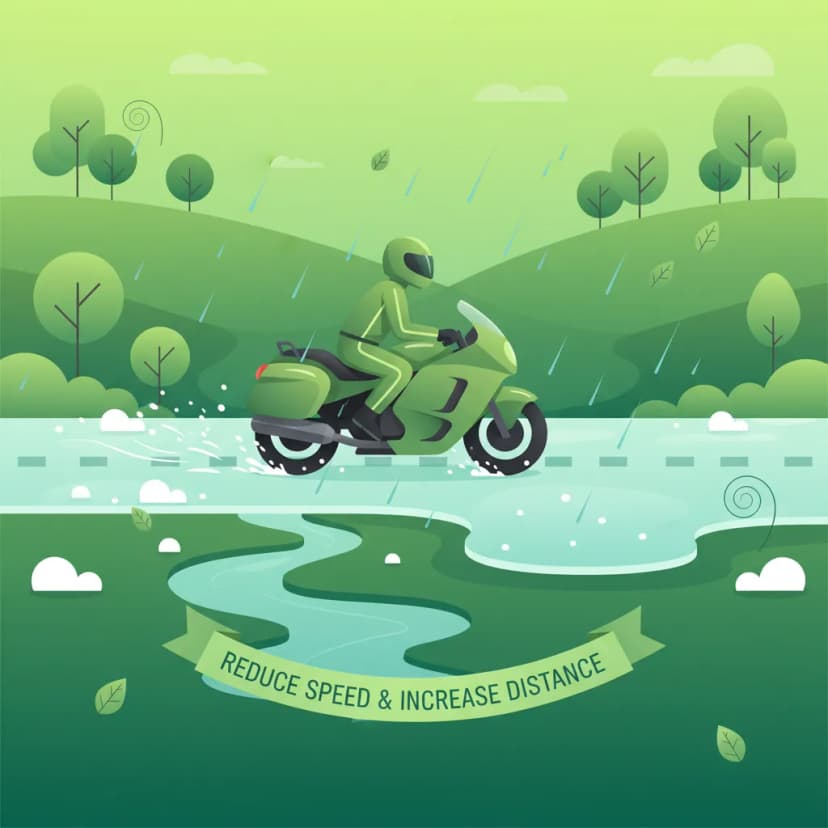
This lesson provides survival strategies for riding in the most challenging weather conditions, including heavy rain, snow, and potential ice. It emphasizes the importance of mental preparation, drastically reduced speeds, and hyper-smooth inputs for throttle, brakes, and steering. The content also covers identifying high-risk areas for 'black ice,' such as bridges and shaded spots, and the critical role of appropriate waterproof and insulated gear in preventing hypothermia and maintaining concentration.

This lesson provides critical instruction on managing blind spots ('dode hoek') to prevent collisions, particularly during lane changes. It covers the correct setup and use of mirrors, but stresses their limitations and the absolute necessity of the 'lifesaver' shoulder check before any lateral movement. Furthermore, it teaches riders how to be aware of the large blind spots around cars and especially trucks, and how to position themselves on the road to remain visible to other drivers at all times.
This lesson focuses on training the brain to become a more effective hazard detection system. It introduces psychological techniques like 'commentary riding,' where the rider verbalizes all perceived hazards and their planned responses, which enhances focus and processing. The practice of constantly running 'what-if' scenarios helps to pre-plan reactions to potential events, reducing the time it takes to respond if a real hazard materializes, turning anticipation into a deeply ingrained habit.
Find clear answers to common questions learners have about Cognitive Load and Situational Awareness. Learn how the lesson is structured, which driving theory objectives it supports, and how it fits into the overall learning path of units and curriculum progression in the Netherlands. These explanations help you understand key concepts, lesson flow, and exam focused study goals.
Cognitive load refers to the total amount of mental effort being used in your working memory at any given time. When riding a motorcycle, this includes processing traffic information, navigating, operating controls, and being aware of your surroundings. Too much information or too many demands can overload this capacity.
Fatigue significantly reduces your brain's ability to process information efficiently. This means tasks that would normally be manageable require more effort, increasing cognitive load. It also impairs concentration and slows reaction times, directly impacting situational awareness and decision-making.
Common distractions include mobile phone use (even hands-free), loud music, complex road signs, other vehicles' behaviour, passenger interactions, and even internal thoughts or worries. Each of these demands mental resources that could otherwise be used for monitoring the road environment.
To improve situational awareness, practice scanning your environment continuously, anticipate potential hazards from other road users, maintain a safe following distance, and minimize distractions. Being aware of your own mental state (fatigue, stress) is also key to maintaining focus.
Yes, understanding cognitive load and situational awareness is directly relevant to many CBR Category A theory exam questions. These questions often assess your knowledge of how rider behaviour, mental state, and perception influence safety. This lesson provides the foundational knowledge to tackle such questions effectively.