
This lesson tackles the crucial differences between navigating busy city streets and high-speed expressways on your A1 motorcycle. Understanding how to adapt your riding style, hazard perception, and speed to these distinct environments is vital for both your Dutch theory exam and safe riding in the Netherlands.
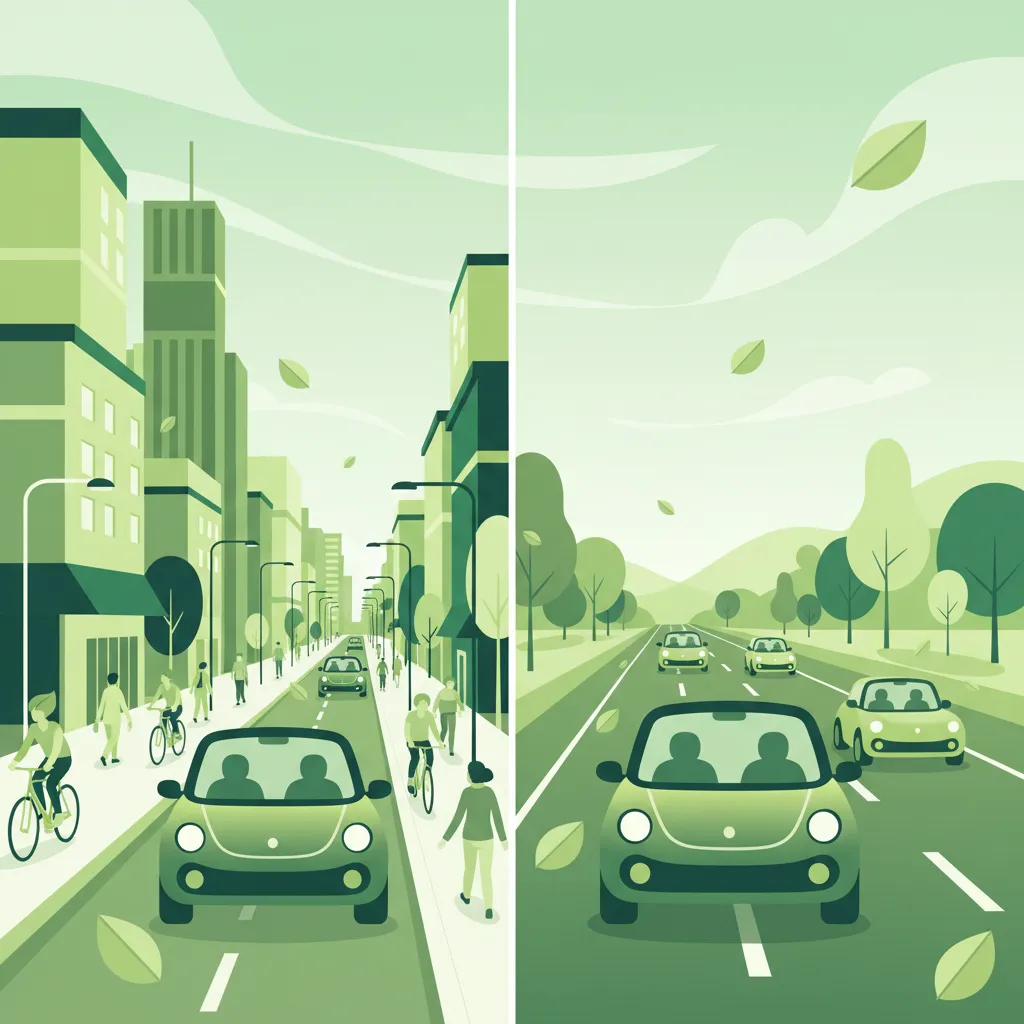
Riding a motorcycle in the Netherlands presents a diverse range of challenges, from the bustling city streets to the high-speed arteries of its motorways. Mastering the transition between these distinct environments is not merely a matter of changing speed; it demands a fundamental shift in perception, decision-making, and riding technique. This lesson, crucial for the Dutch A1 Motorcycle Theory – Complete Curriculum for CBR Licence Exam, will equip you with the knowledge to safely adapt your riding style, ensuring you are prepared for any road condition the Netherlands has to offer.
Understanding how to adjust your riding for different environments is essential for your safety, significantly reduces the risk of accidents, and is a key area frequently tested in the CBR motorcycle theory exam.
Urban and express environments impose profoundly different demands on a motorcyclist. Recognizing these contrasts is the first step toward becoming a versatile and safe rider. In essence, the city requires constant, low-speed vigilance and rapid responsiveness, while the motorway demands high-speed stability and predictive, smooth maneuvers over longer distances.
Urban environments, encompassing built-up areas like residential streets and primary urban arteries, are characterized by speed limits typically 50 km/h or lower. These areas are dense with intersections, traffic signals, parked vehicles, and a high concentration of vulnerable road users (VRUs) such as pedestrians and cyclists.
As a motorcyclist, you will frequently encounter stop-and-go traffic, requiring constant adjustments to your speed and gear. Short sight-lines are common due to buildings and parked cars, necessitating frequent head checks and proactive hazard perception. Navigating these settings requires excellent low-speed balance, quick acceleration and deceleration, and the ability to frequently adjust your lane position to bypass obstacles or safely approach intersections.
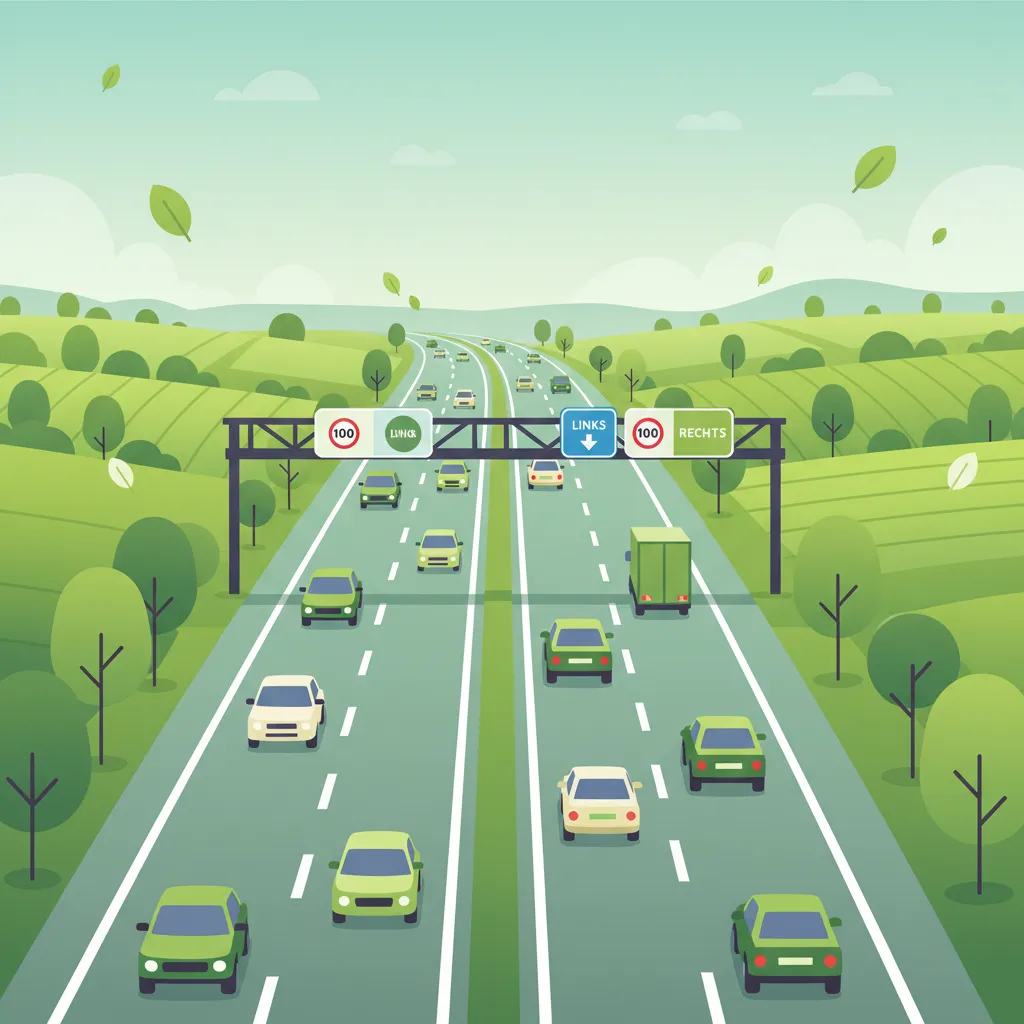
Expressways, known as snelwegen or motorways (A-roads) in the Netherlands, are controlled-access highways designed for efficient, high-speed travel, typically ranging from 80 km/h up to a maximum of 130 km/h. They feature separated opposing traffic lanes, limited entry and exit points, and no at-grade intersections, meaning traffic generally flows smoothly without cross-traffic conflicts.
On these roads, the primary focus shifts to maintaining stability at high speeds, executing smooth and predictable lane changes over extended distances, and managing merging traffic effectively. Collisions at these speeds involve significantly higher kinetic energy, making safe following distances and smooth control inputs paramount. Riders must anticipate traffic movements far ahead and react with ample time.
Adapting your motorcycle riding technique between urban and express environments is guided by several core principles, each rooted in safety, physics, and Dutch traffic law.
This principle dictates that you must adjust your riding speed, acceleration, and deceleration not only to the posted speed limits but also to the prevailing traffic flow and environmental conditions. The primary purpose is to manage kinetic energy—the energy of motion—which increases exponentially with speed. Higher kinetic energy translates to longer stopping distances and more severe collision outcomes. Therefore, your choice of speed directly impacts your reaction-time budget, the distance needed to stop, and your ability to choose the correct gear for optimal control.
The distance required to perceive, interpret, and react to potential hazards dramatically increases with speed. At higher speeds, the time available to respond shrinks considerably, demanding a longer visual scanning horizon. In urban settings, where hazards are close and numerous, your focus is on immediate threats, often within 30-50 meters. On expressways, however, you must monitor 150-200 meters ahead to allow sufficient time for decision-making and safe maneuvers.
Lane discipline refers to a ranked set of rules for using road lanes effectively. Firstly, always keep to the rightmost available lane unless you are overtaking. Secondly, maintain a stable lane center position to maximize your visibility and provide a buffer zone. Thirdly, avoid unnecessary lane changes. In urban areas, frequent lane changes might be unavoidable due to parked vehicles, turning traffic, or road obstacles. On expressways, however, lane changes should be smooth, clearly signaled, and limited to essential maneuvers like overtaking or preparing for an exit. This approach reduces conflict points and ensures predictable traffic flow.
Vulnerable road users, including pedestrians, cyclists, and other motorcyclists not currently riding, have less protection and may react unpredictably. Therefore, enhanced vigilance and yielding behavior towards them are critical. In urban areas, where VRU density is high, you will frequently need to yield and make eye contact to confirm intentions. On expressways, VRUs are rarely present on the main carriageway but must be actively considered at entry and exit ramps.
Stability management involves maintaining control of your motorcycle through appropriate body positioning, correct tire pressure, and smooth throttle and brake modulation. This is crucial for preventing loss of traction or wobbles, which can be particularly dangerous at high speeds. On expressways, the focus is on aerodynamic stability and maintaining a steady course. In urban traffic, the emphasis shifts to low-speed balance, quick changes in direction, and precise control for frequent stops and starts.
Every maneuver you make should be preceded by a quick risk assessment, weighing the probability of an incident against its potential consequences. This encourages proactive safety rather than reactive corrections. For example, it influences whether you decide to overtake immediately or wait for a clearer opportunity, when and how you change lanes, and even your choice of protective gear, all based on the specific environment and its inherent risks.
Successfully navigating both urban and express environments requires specific adaptations to your riding techniques.
In the city, hazards appear quickly and from multiple directions. Your hazard perception skills must be sharp and your scanning pattern wide, yet focused on immediate surroundings.
Urban Specific Hazards:
Your hazard detection horizon in urban areas should be around 30-50 meters, allowing for rapid reactions to these close-range threats.
On motorways, hazards are fewer but their consequences are amplified by speed. Your gaze should extend far down the road, anticipating flow changes and distant threats.
Express Specific Hazards:
On expressways, extend your hazard detection horizon to approximately 150-200 meters. While your human reaction time remains constant (around 1 second), the distance your motorcycle travels during that second increases dramatically with speed, making early detection vital.
The longitudinal gap between your motorcycle and the vehicle ahead is critical for safe riding. This following distance provides you with sufficient time to react to sudden changes and stop safely if necessary.
2-second rule at speeds up to 30 km/h (approximately 16 meters). At 50 km/h, this should increase to at least 3 seconds (around 42 meters). This buffer is crucial for reacting to frequent stops and unpredictable pedestrian or cyclist movements.3-second rule at 100 km/h (approximately 83 meters) and extend this to a 4-second rule at 130 km/h (around 147 meters). Remember that stopping distances are further influenced by factors such as road surface conditions (wet, icy), vehicle load, and tire condition.Lane changes and overtaking maneuvers require different approaches depending on the environment.
Your physical posture and body mechanics play a crucial role in control and stability.
The nature and frequency of VRU interactions differ significantly.
zebra crossings and cyclists sharing lanes or using bike paths. Mandatory yielding, making eye-contact, and maintaining a VRU buffer zone of at least 1 meter are critical for safety. Be prepared for sudden movements.Both environments present unique challenges related to weather and road conditions.
Adherence to Dutch traffic legislation (RVV 1990) is paramount.
links inhalen):
Riders, especially those new to the A1 motorcycle class, often make common mistakes that highlight the need for environmental adaptation.
links inhalen and creates an unexpected maneuver, significantly increasing collision risk. Always move to the left lane to overtake.Your riding adjustments must extend beyond the simple urban vs. express dichotomy to include various environmental and situational factors.
acceleration/deceleration lanes): Use the acceleration lane to match the speed of main-line traffic before merging. Use the deceleration lane to reduce speed after exiting the motorway. Always obey ramp-specific speed signs.Every decision you make on a motorcycle has a direct cause-and-effect relationship on your safety and the safety of others.
This lesson on environmental adjustments builds upon foundational knowledge and sets the stage for future learning:
Understanding this lesson relies heavily on previously covered topics and provides a practical context for subsequent ones.
This lesson also lays the groundwork for:
Let's consider how these principles apply in real-world situations.
Setting: You are riding your A1 motorcycle on a 30 km/h residential street on a clear day, approaching a marked intersection. A cyclist is approaching from your right on a designated bike lane, intending to cross your path.
Correct Behavior: Anticipate the cyclist. Reduce your speed well in advance, signal your intention to turn or proceed, and stop before the crossing line if the cyclist is at or entering the crossing. Make eye contact with the cyclist to confirm their intentions. Only proceed when the cyclist has cleared the crossing and it is safe to do so. This demonstrates Vulnerable Road-User Prioritisation and adherence to RVV 1990 Art. 23.
Incorrect Behavior: Maintaining your speed, assuming the cyclist will stop, or driving through the crossing without checking, resulting in a close call or collision.
Setting: It's a rainy evening, and you are entering the A27 motorway via an acceleration lane. Traffic on the main line is flowing at 110 km/h.
Correct Behavior: Accelerate smoothly in the acceleration lane to match the speed of the main-line traffic (approximately 110 km/h, adjusted for wet conditions). Signal your intention to merge for at least 3 seconds, thoroughly check your mirrors and blind spot for a safe gap. When a 3-second following distance gap appears, smoothly merge into the lane. Once safely merged, cancel your signal. This applies Speed-Appropriate Behavior, Lane Discipline Hierarchy, and Following Distance Adaptation.
Incorrect Behavior: Entering at a significantly lower speed (e.g., 80 km/h), forcing main-line traffic to brake abruptly, or cutting sharply into a small gap without adequate acceleration.
Setting: You are traveling at 130 km/h on the A1 motorway on a clear night. There is a slower car in the right lane, and no oncoming traffic is visible for a considerable distance.
Correct Behavior: Signal your intention to move left at least 3 seconds before the maneuver. Check your mirrors and perform a thorough shoulder check to ensure your blind spot is clear. Gradually move into the left lane, maintaining a safe lateral clearance of at least 1.5 meters from the slower car. After passing, signal right, and smoothly return to the rightmost lane when you can see the overtaken vehicle in your right mirror, ensuring a safe gap. This demonstrates correct Overtaking on the left and Lane Change and Overtaking Strategies.
Incorrect Behavior: Attempting to overtake on the right, switching lanes abruptly with minimal clearance, or failing to signal adequately.
Your safety as a motorcyclist in the Netherlands, particularly on an A1 license, relies heavily on your ability to recognize and adapt to different riding environments.
Spatial Awareness Gradient and Speed-Appropriate Behaviour are non-negotiable on expressways. The fact that kinetic energy quadruples when speed doubles from 50 km/h to 100 km/h dramatically justifies the stricter rules and larger safety margins needed at higher speeds.psychological load by employing systematic scanning patterns and avoiding distractions, allowing you to prioritize the most relevant hazards.By consistently applying the principles and techniques discussed, you will not only meet the requirements of the CBR exam but, more importantly, become a safer, more confident, and adaptable motorcycle rider on all Dutch roads.
Lesson content overview
Explore all units and lessons included in this driving theory course.
Explore search topics learners often look for when studying Adjustments in Urban vs. Express Environments. These topics reflect common questions about road rules, driving situations, safety guidance, and lesson level theory preparation for learners in the Netherlands.
Browse additional driving theory lessons that cover connected traffic rules, road signs, and common driving situations related to this topic. Improve your understanding of how different rules interact across everyday traffic scenarios.
Learn to adjust speed, positioning, and awareness for Dutch urban streets versus high-speed expressways. Understand distinct challenges, hazard perception, and safe maneuvers for the A1 motorcycle theory exam.
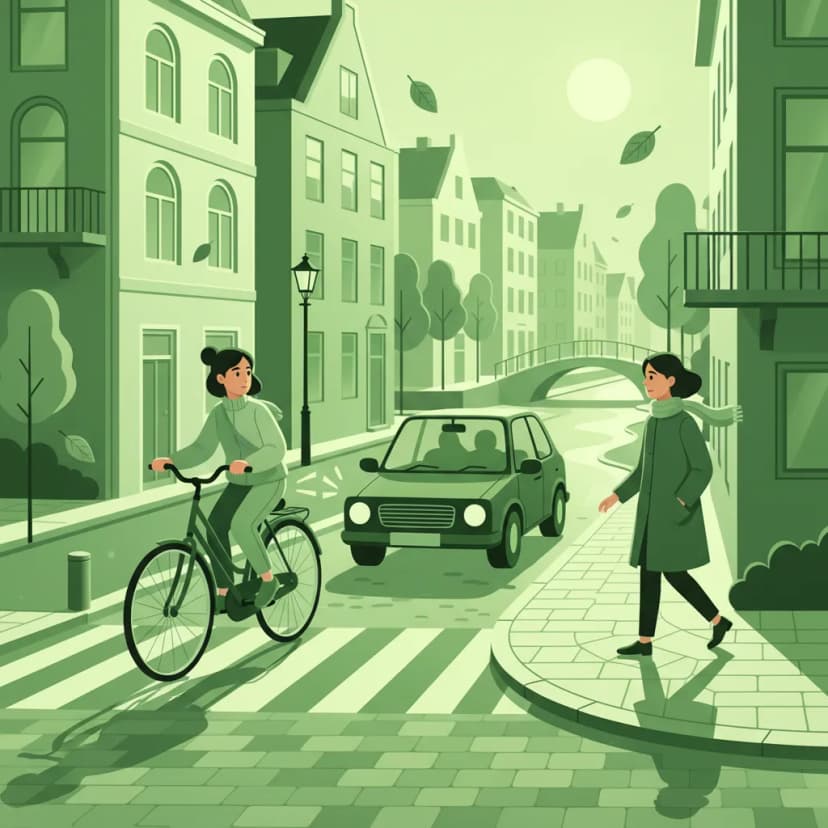
This lesson focuses on the unique and densely packed hazards found in urban traffic environments. It teaches riders to develop a systematic scanning pattern to identify potential risks from multiple sources simultaneously, such as pedestrians stepping off curbs, car doors opening unexpectedly, and buses pulling out. The content also emphasizes the importance of managing speed and always having an 'escape route' planned in case a hazard suddenly materializes in the complex city landscape.

This lesson focuses on hazard perception ('gevaarherkenning'), a critical section of the CBR exam. It explains how increasing speed reduces a rider's field of vision and shortens the time available to identify, process, and react to potential dangers. The content explores techniques for actively scanning the road ahead and anticipating the actions of other road users to make safe, proactive decisions rather than reactive ones.
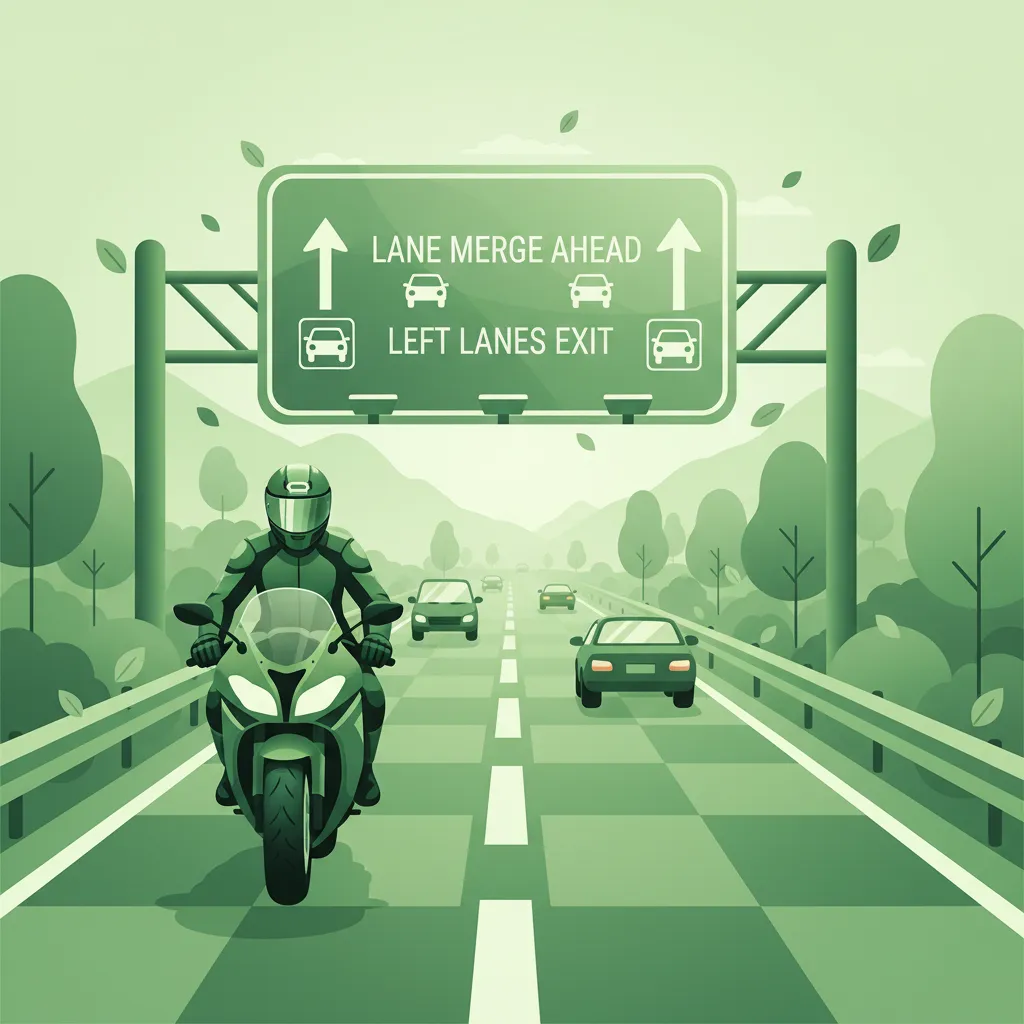
This lesson prepares you for the unique dangers of high-speed highway riding. You will learn to scan for and navigate road hazards like debris, potholes, and slippery steel expansion joints on bridges. The content also addresses the powerful air turbulence created by large trucks that can upset a motorcycle's stability and the mental challenge of maintaining focus on long, monotonous stretches of road.
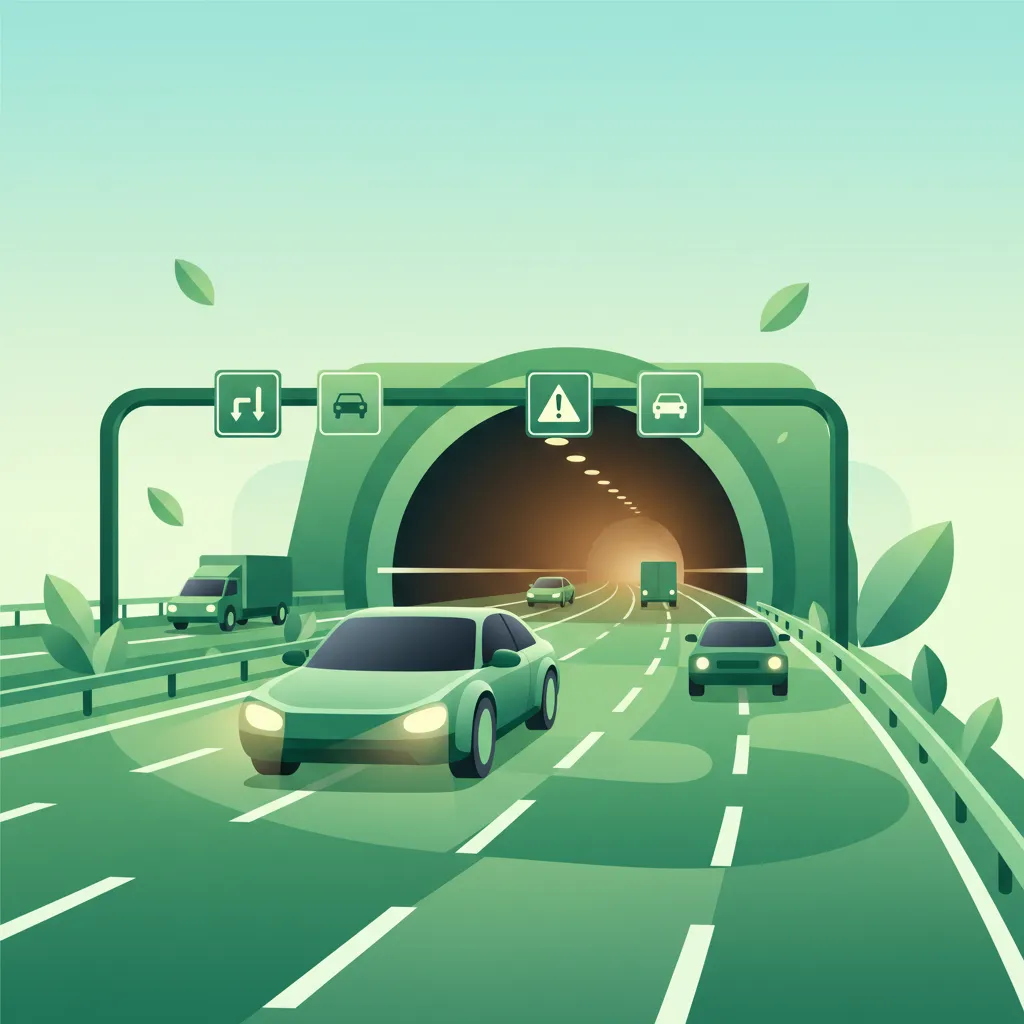
This lesson transitions hazard perception skills to the high-speed environment of motorways and tunnels. It covers specific risks such as vehicles merging at different speeds, sudden braking and congestion ahead, road debris, and the aerodynamic effects of crosswinds and large trucks. The curriculum also addresses the challenges of riding in tunnels, including changes in light and surface conditions, and the importance of identifying emergency exits and procedures in case of an incident.
This lesson teaches you to be a proactive rather than a reactive rider by developing superior hazard perception skills. You will learn to scan your environment constantly—near, far, and to the sides—and to identify potential risks, such as a car waiting to turn or a pedestrian looking to cross. The content focuses on asking 'what if?' to predict the actions of others and position yourself for safety in advance.
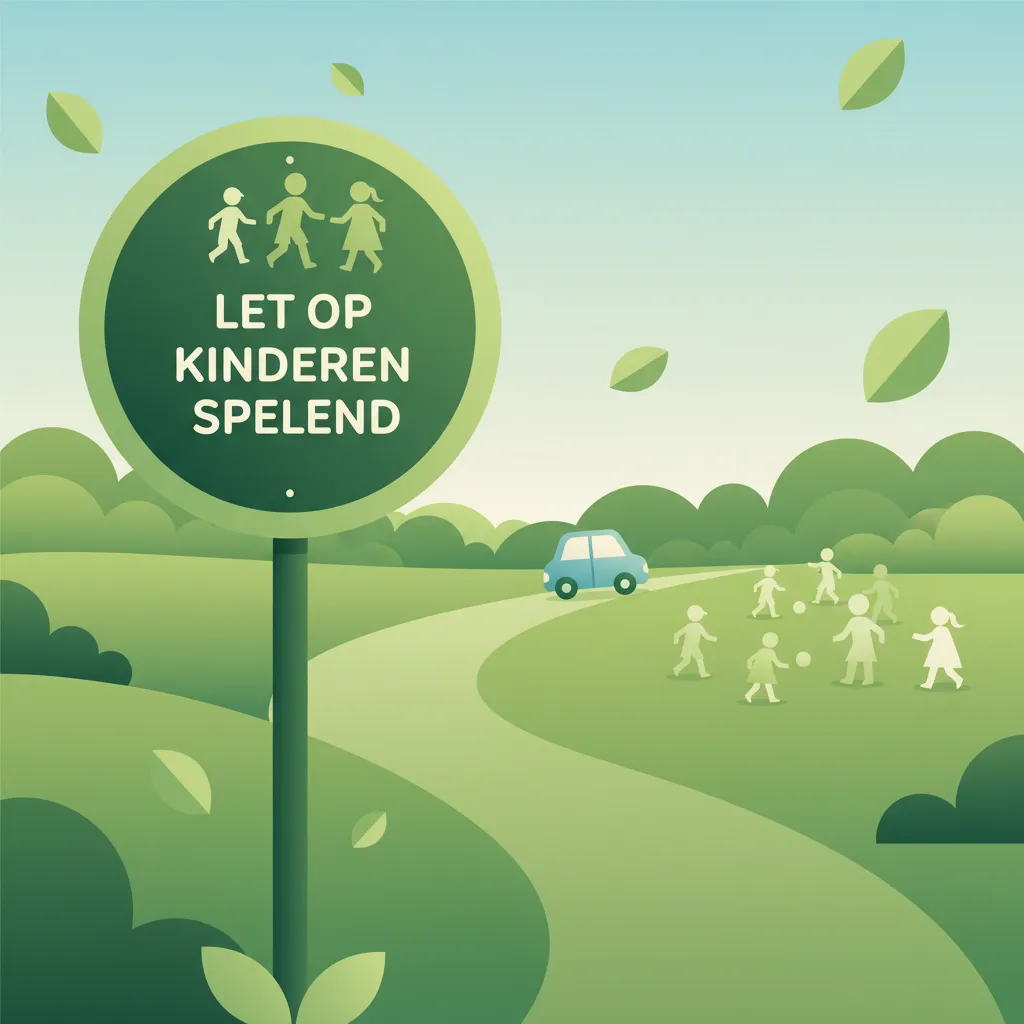
This lesson details the interpretation of Dutch warning signs, which alert riders to potential dangers and changing road conditions. You will study signs indicating sharp curves, road narrowing (BORD 30), and temporary hazards like road works (BORD 36), learning to adjust speed and road position proactively. The content emphasizes how the A2 motorcycle's characteristics require earlier hazard recognition and response compared to other vehicles for maintaining control.

This lesson introduces the Dutch concept of 'voorspellend rijgedrag,' or anticipatory riding, a proactive approach to safety. It teaches motorcyclists how to look beyond the immediate vehicle in front and scan for clues that predict the actions of other road users, such as turn signals, wheel direction, and driver head movement. By anticipating potential conflicts before they happen, riders can position themselves to avoid danger and ensure a smoother, safer journey through complex traffic.

This lesson provides a detailed guide to riding in wet and low-visibility conditions. You will learn to make all your control inputs—braking, accelerating, and steering—exceptionally smooth to avoid breaking traction on slippery surfaces. The content covers the dangers of painted lines and manhole covers when wet, and the importance of increasing your following distance dramatically to account for longer braking distances.

This lesson provides a detailed framework for how motorcyclists must safely and legally interact with diverse road users, including cars, trucks, cyclists, and pedestrians. It covers the required communication signals, anticipatory behaviors, and specific positioning techniques necessary to coexist in complex traffic environments like urban centers and shared spaces. Emphasis is placed on legal expectations and practical methods that actively reduce collision risk and promote smooth traffic flow.
This lesson focuses on the unique demands of riding at sustained high speeds on motorways ('snelwegen'). It covers essential topics such as strict lane discipline, safe overtaking procedures, and maintaining a greater following distance to compensate for higher reaction and braking times. The content also addresses the physical and mental challenges, including managing wind blast, increased noise levels, and maintaining heightened situational awareness over long distances to combat fatigue.
Explore key Dutch traffic legislation (RVV 1990) specific to motorcycles in urban and expressway environments. Covers headlight use, speed limits, overtaking on the left, and signaling for the A1 theory exam.

This lesson covers the universal Dutch road rules with a specific focus on their application to light motorcycles. It details the various speed limits for different road types, from urban areas to motorways, and explains the correct procedures for overtaking and lane positioning. The legal aspects of lane filtering in congestion are also examined, alongside mandatory equipment use like daytime running lights, to ensure riders can integrate safely and legally into traffic flow.
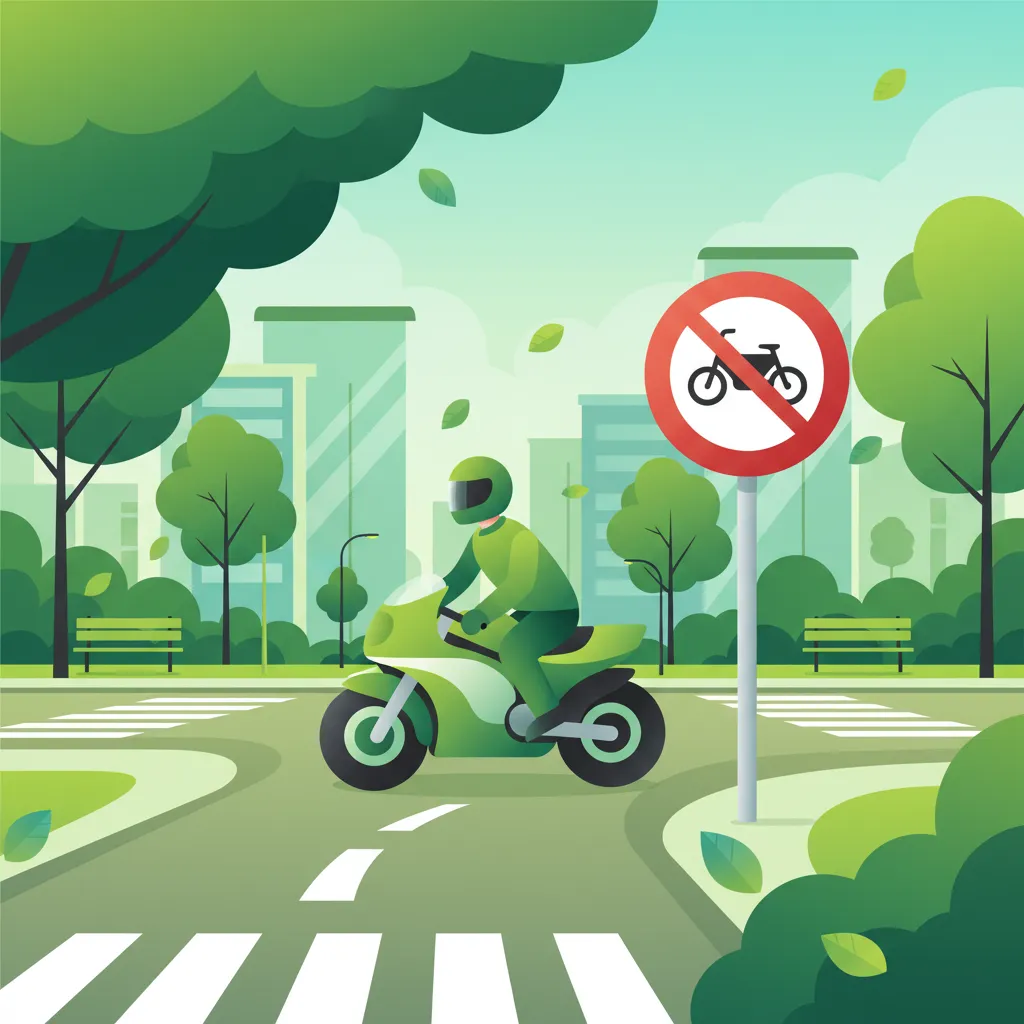
This lesson focuses on Dutch regulatory signs that enforce mandatory rules and restrictions, particularly those impacting A2 motorcyclists. You will learn to recognize and obey prohibition signs, such as those indicating a motorcycle ban (BORD 40), speed limits, and overtaking restrictions (BORD 21). The content explains the legal consequences of non-compliance and how to apply these rules in practical riding scenarios to ensure full adherence to Dutch traffic law.

This lesson provides a step-by-step guide to executing a safe and legal overtaking maneuver. It covers the entire process: assessing the situation for a sufficient gap in oncoming traffic, performing necessary mirror and shoulder checks, signaling intent, and accelerating decisively. The lesson also highlights situations where overtaking is prohibited by law, such as before pedestrian crossings or where there are solid white lines.
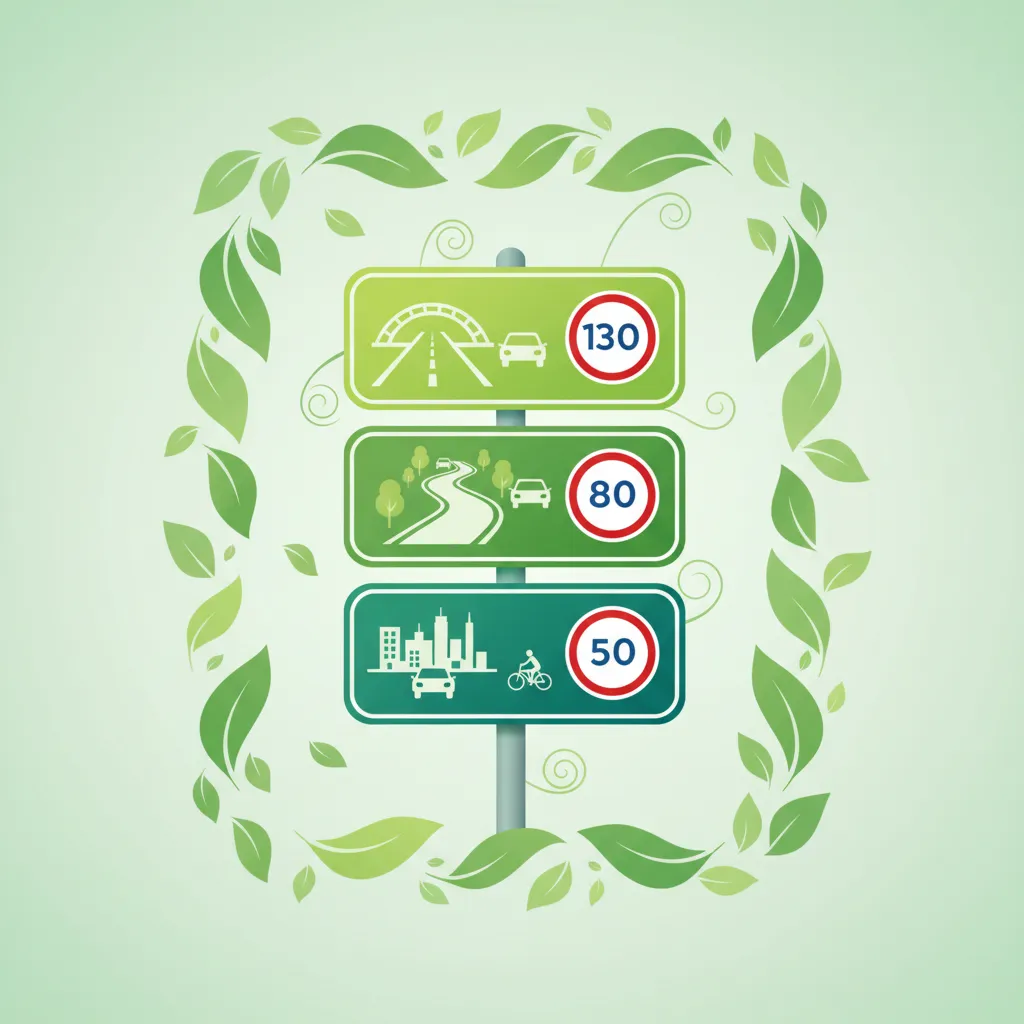
This lesson provides a definitive guide to the legal speed limits on different types of Dutch roads. It covers the rules for built-up areas (typically 50 km/h), rural roads (80 km/h), expressways ('autowegen'), and motorways ('snelwegen'), including time-dependent variations. Understanding these official limits is the first step in managing speed legally and appropriately for the road environment, a core topic on the CBR theory test.

This lesson provides a detailed overview of the structure of Dutch traffic legislation, focusing on the Road Traffic Act (Wegenverkeerswet 1994) and its relationship with CBR regulations. It explains the hierarchy from national statutes to local ordinances and how these rules govern rider behavior in various traffic situations. Furthermore, the lesson clarifies the mechanisms for enforcement, the types of sanctions for non-compliance, and the legislative goal of ensuring road safety for all participants.
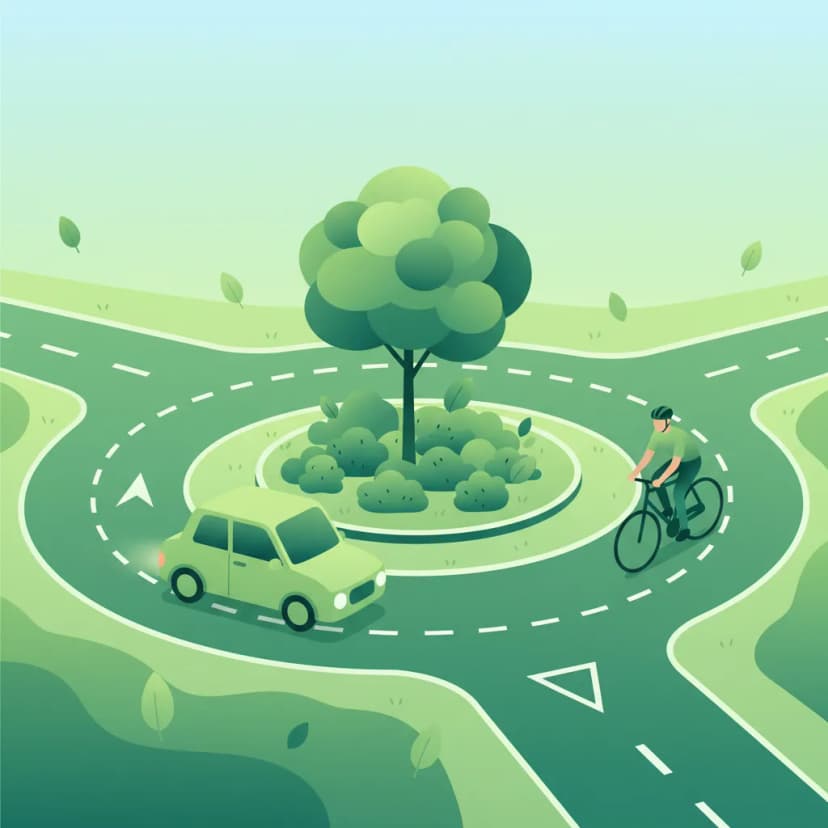
This lesson delves into the hierarchy of priority rules on Dutch roads, clarifying who has the right-of-way in various intersection scenarios. It explains the meaning of signs like 'voorrangsweg' and road markings such as shark's teeth ('haaientanden'). Special attention is given to the correct procedure for entering, navigating, and exiting roundabouts on a motorcycle, including proper signaling and lane choice to ensure safe and efficient passage.
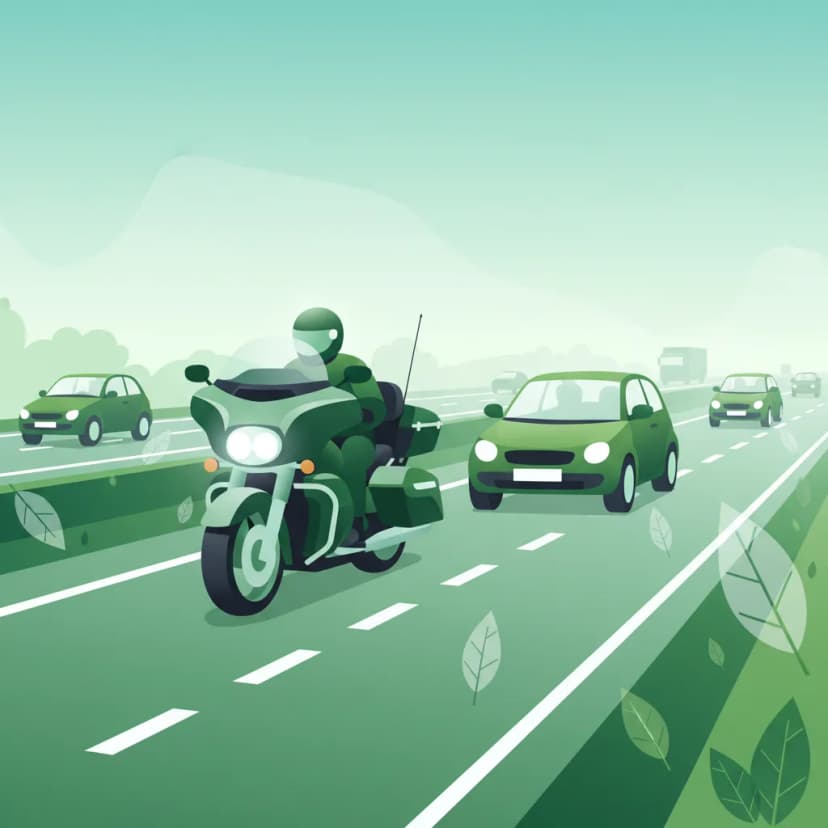
This lesson details the systematic process for safely overtaking on a multi-lane motorway, leveraging the acceleration capabilities of a Category A motorcycle. It covers the 'mirror, signal, maneuver' sequence, with a strong emphasis on the critical shoulder check to clear the blind spot before moving out. The content also discusses how to judge closing speeds, ensure adequate space before returning to the lane, and how to handle situations involving multiple lanes and slower-moving heavy vehicles.
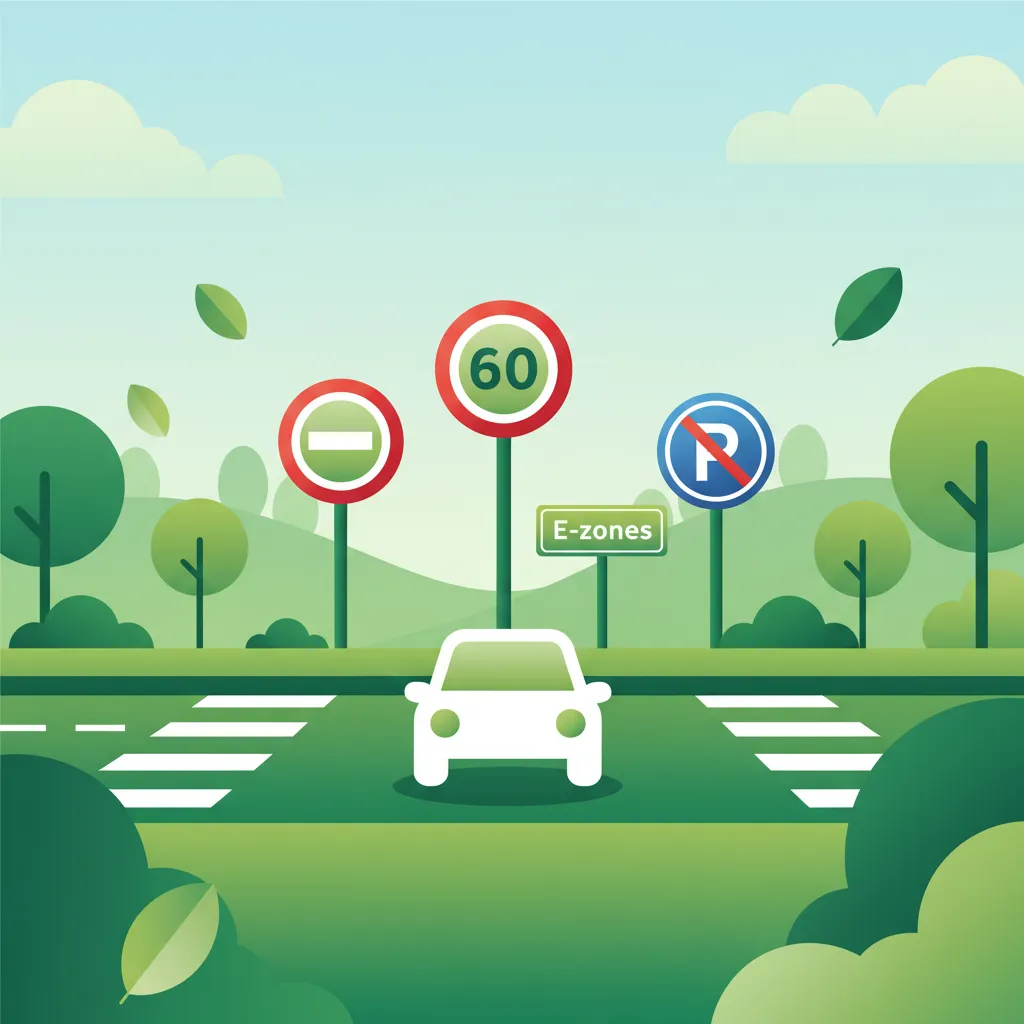
This lesson focuses on C-code regulatory signs, which impose legal obligations and prohibitions on road users. Learners will study signs that establish speed limits, forbid entry, mandate specific directions, and restrict overtaking or parking. Understanding these signs is non-negotiable for legal compliance and safety, as they form the basis of traffic regulation and are a major component of the CBR theory exam for motorcyclists.
This lesson covers the specific articles of the Dutch Road Traffic Act that apply to motorways, with a primary focus on the strict rule of keeping to the rightmost available lane unless overtaking. It explains the legal and safety reasons for only passing on the left and discusses the correct positioning within a lane for maximum visibility and safety. The content also addresses the nuances of lane usage during heavy congestion, ensuring riders comply with the law and contribute to smooth traffic flow.

This lesson clarifies the specific Dutch regulations concerning stopping and parking for motorcycles, including designated parking bays and rules for parking on pavements. It also covers the mandatory procedures for safely navigating tunnels, such as required lighting, lane discipline, and actions to take during a breakdown or emergency. By understanding these rules, riders can avoid fines and navigate these specific traffic situations with confidence.
Find clear answers to common questions learners have about Adjustments in Urban vs. Express Environments. Learn how the lesson is structured, which driving theory objectives it supports, and how it fits into the overall learning path of units and curriculum progression in the Netherlands. These explanations help you understand key concepts, lesson flow, and exam focused study goals.
In urban environments, hazards are often sudden and close-range, such as pedestrians stepping out, cyclists weaving, and complex intersections. On expressways, hazards might be more related to high speeds, vehicles merging unexpectedly, or maintaining stability during fast lane changes. The key is anticipating different types of risks and reacting appropriately.
On city streets, you need a shorter following distance to react to immediate hazards like braking traffic or pedestrians, but you must still maintain a safe buffer. On expressways, while speeds are higher, the general rule of the two-second rule (or more in adverse conditions) is crucial for managing the longer stopping distances involved.
In urban areas, positioning yourself to be seen by traffic at junctions and to anticipate potential hazards is key. On expressways, you'll typically use a lane position that allows for safe overtaking and maintains a buffer from both faster traffic and potential merging vehicles, always adhering to Dutch lane discipline.
The Dutch CBR exam tests your understanding of safe riding in various conditions. Questions often present scenarios in specific environments like cities or highways, requiring you to demonstrate knowledge of appropriate speed, hazard perception, and rule application for that context. Mastering these differences ensures you can answer these questions correctly.
Filtering through traffic is generally more common and sometimes necessary in congested urban areas. On expressways, while some riders may filter, it carries significantly higher risks due to speed differentials and is subject to strict interpretation of Dutch traffic laws regarding safe lane usage. Always prioritise safety and legal compliance.