
Urban environments are a complex tapestry of potential dangers for motorcyclists. This lesson focuses on developing your hazard perception skills specifically within city settings, equipping you to anticipate and avoid risks. Building on earlier concepts of observation and anticipation, we’ll delve into the unique challenges of busy streets, helping you prepare for your Category A motorcycle theory exam.

Urban environments present a complex and ever-changing landscape for motorcycle riders. Dense traffic, numerous vulnerable road users, and various infrastructure elements combine to create a high-risk setting that demands exceptional hazard perception skills. This lesson, part of the Dutch Motorcycle Theory – Category A Comprehensive Preparation course, focuses on equipping riders with the essential techniques and mindset to systematically identify, assess, and mitigate risks in city traffic, significantly enhancing safety and compliance with Dutch traffic laws.
Riding a motorcycle in a city requires constant vigilance. The confined spaces, frequent stops, and unpredictable movements of other road users mean that potential hazards can emerge rapidly and with little warning. Developing superior hazard identification skills is not merely a recommendation; it is a critical component of defensive riding and a legal obligation under Dutch traffic law.
Motorcycles, while agile, are also inherently less stable and offer less protection than cars. In a busy city, this vulnerability is amplified by factors such as:
These elements contribute to a higher collision risk, particularly for motorcycles. Precise and early hazard perception directly reduces the probability of a crash and minimizes legal liability should an incident occur.
The primary goal of this training is to enable riders to develop a repeatable and effective scanning pattern, allowing them to assess risks appropriate to their speed and always have a pre-planned "escape route." Specifically, you will learn to:
Dutch traffic law places a strong emphasis on preventive and responsible driving. Several articles within the Reglement verkeersregels en verkeerstekens (RVV 1990) underscore the importance of hazard identification and proactive behavior:
Understanding and applying these principles is crucial not only for your safety but also for fulfilling your legal responsibilities as a motorcycle rider in the Netherlands.
Effective hazard identification relies on a set of core principles that, when practiced consistently, become instinctive. These principles guide your visual attention, speed management, and decision-making in the dynamic urban environment.
Systematic scanning is a structured visual routine that ensures no critical area of your riding environment is overlooked. This method involves dedicating specific glance intervals to different zones around your motorcycle:
This cycle should be fluid and adjust to your speed and traffic density. In low-traffic conditions, you might use static scanning with fixed intervals. In dense, fast-changing urban traffic, dynamic scanning involves shorter, more frequent checks, particularly of peripheral zones, to react quickly to emerging threats. Neglecting any sector can lead to surprise hazards, emphasizing that "looking ahead only" is insufficient.
Speed-hazard matching means selecting a riding speed that allows you to react and brake effectively before reaching any identified hazard. This principle aligns your kinetic energy with your perceptual and physical limits.
This concept builds directly on your understanding of speed management and legal limits (Lesson 4), reinforcing that available stopping distance is paramount.
An escape route is a pre-identified, safe alternative path you can take if your primary riding line becomes compromised by a sudden hazard. This crucial principle provides an immediate, low-stress alternative to abrupt emergency braking or extreme leaning, which can destabilize a motorcycle.
Having an escape route planned reduces cognitive load during an emergency, allowing for a smoother, more controlled response.
Vulnerable Road Users (VRUs) such as pedestrians, cyclists, and other motorcyclists, are at higher risk of severe injury in a collision due to their lack of protection. Dutch law (RVV Article 3.1) and ethical riding demand that you afford them extra clearance and be prepared to yield, even if traffic signs don't explicitly grant them priority.
Always assume VRUs might not see you and act accordingly by maintaining a safe distance and anticipating their movements.
Dynamic hazard anticipation involves using subtle behavioral cues and contextual knowledge to predict imminent hazards before they fully materialize. This skill significantly expands your decision window.
By reading these cues, you can often prepare for a hazard while it is still a latent hazard, rather than waiting for it to become an immediate, dynamic threat.
Urban environments are rich with various types of hazards, each requiring a specific approach and level of anticipation. Classifying these hazards helps in prioritizing your response.
Understanding these categories is fundamental to effective hazard perception:
Treating all hazards equally is a common mistake; effective riders differentiate between these categories to prioritize their attention and response.
"Dooring" is the sudden opening of a vehicle door into the path of an approaching motorcyclist or cyclist. This is an extremely dangerous and common urban hazard, especially on streets with parallel-parked cars.
Dutch law (RVV Article 7.17) prohibits opening a vehicle door into the path of traffic in a way that endangers others. While this rule protects you, as a motorcyclist, you must still be prepared to avoid a collision if a door opens unexpectedly.
Buses present unique challenges due to their size, slow acceleration, and specific operational behaviors in urban areas.
In some areas, buses may have priority signaling (e.g., flashing lights). Treat these signals as a clear indication that the bus intends to move, and be prepared to yield, even if you technically have the right of way.
Pedestrians are among the most vulnerable road users and often exhibit unpredictable behavior, regardless of designated crossings.
City streets are prone to various surface anomalies that can compromise motorcycle stability.
Cognitive load refers to the mental effort required to process multiple streams of information simultaneously. In dense urban traffic, cognitive load can become very high, leading to decision fatigue and missed hazards.
Understanding the specific articles of the RVV 1990 is crucial for safe and legal urban motorcycle riding in the Netherlands. These regulations underpin many of the hazard identification principles discussed.
Awareness of common errors helps in developing a safer riding style. Many urban incidents stem from predictable mistakes in hazard perception and response.
The urban environment is rarely static. Effective hazard identification requires constant adaptation to changing conditions such as weather, light, traffic density, and road surface.
This lesson is a critical building block within your Dutch Motorcycle Theory – Category A Comprehensive Preparation course, integrating and expanding upon previously learned concepts while preparing you for more advanced techniques.
Lesson content overview
Explore all units and lessons included in this driving theory course.
Explore search topics learners often look for when studying Hazard Identification in Urban Traffic. These topics reflect common questions about road rules, driving situations, safety guidance, and lesson level theory preparation for learners in the Netherlands.
Browse additional driving theory lessons that cover connected traffic rules, road signs, and common driving situations related to this topic. Improve your understanding of how different rules interact across everyday traffic scenarios.
Understand the different types of hazards encountered in Dutch urban traffic, such as static, dynamic, and latent risks. Learn to identify and mitigate specific dangers like dooring and unpredictable pedestrian movements in city environments.
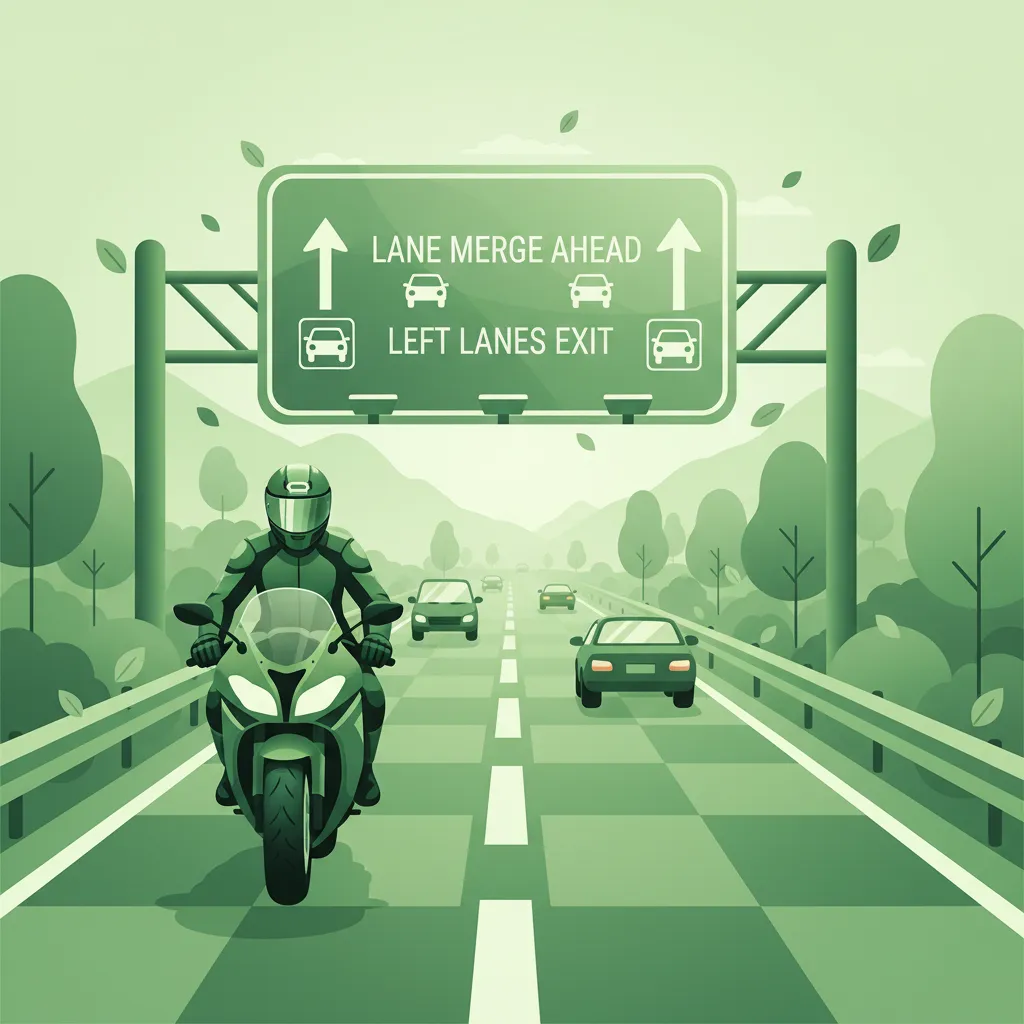
This lesson prepares you for the unique dangers of high-speed highway riding. You will learn to scan for and navigate road hazards like debris, potholes, and slippery steel expansion joints on bridges. The content also addresses the powerful air turbulence created by large trucks that can upset a motorcycle's stability and the mental challenge of maintaining focus on long, monotonous stretches of road.
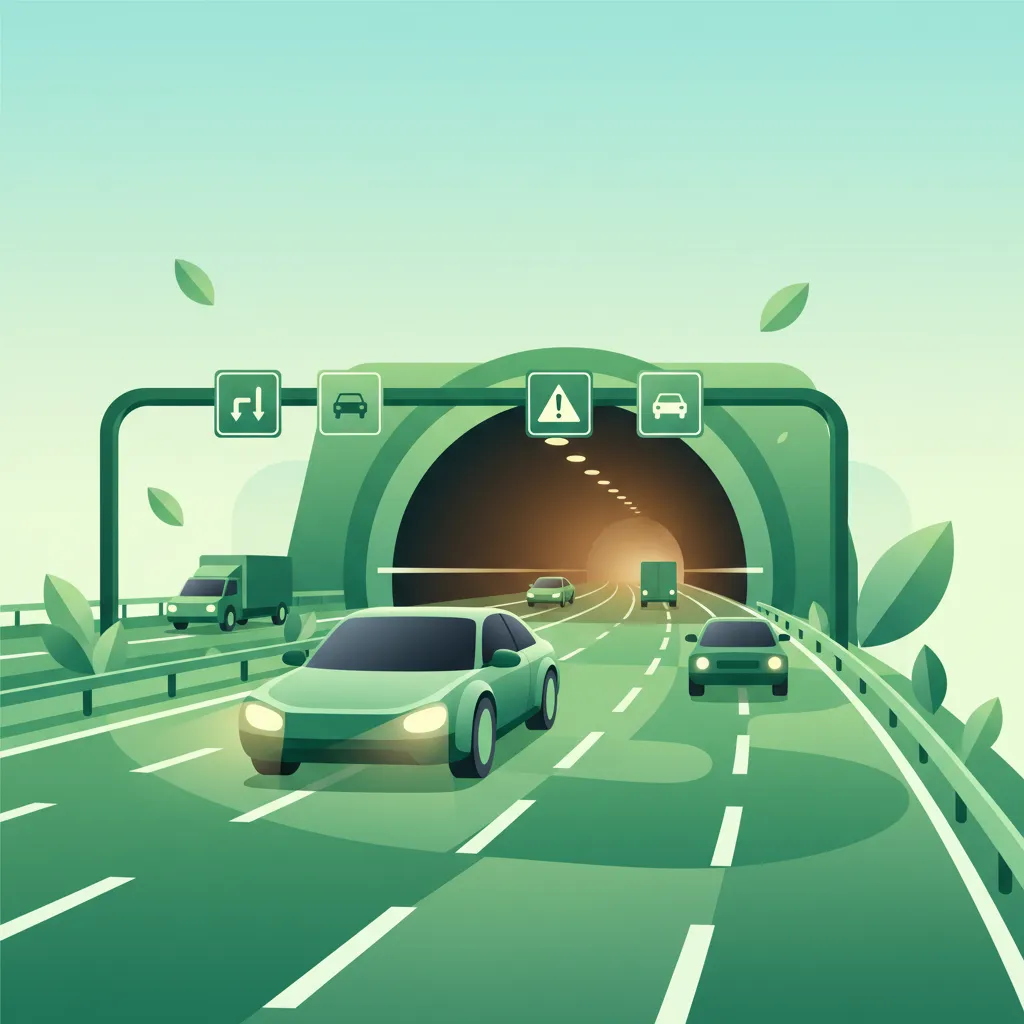
This lesson transitions hazard perception skills to the high-speed environment of motorways and tunnels. It covers specific risks such as vehicles merging at different speeds, sudden braking and congestion ahead, road debris, and the aerodynamic effects of crosswinds and large trucks. The curriculum also addresses the challenges of riding in tunnels, including changes in light and surface conditions, and the importance of identifying emergency exits and procedures in case of an incident.

This lesson provides a detailed framework for how motorcyclists must safely and legally interact with diverse road users, including cars, trucks, cyclists, and pedestrians. It covers the required communication signals, anticipatory behaviors, and specific positioning techniques necessary to coexist in complex traffic environments like urban centers and shared spaces. Emphasis is placed on legal expectations and practical methods that actively reduce collision risk and promote smooth traffic flow.
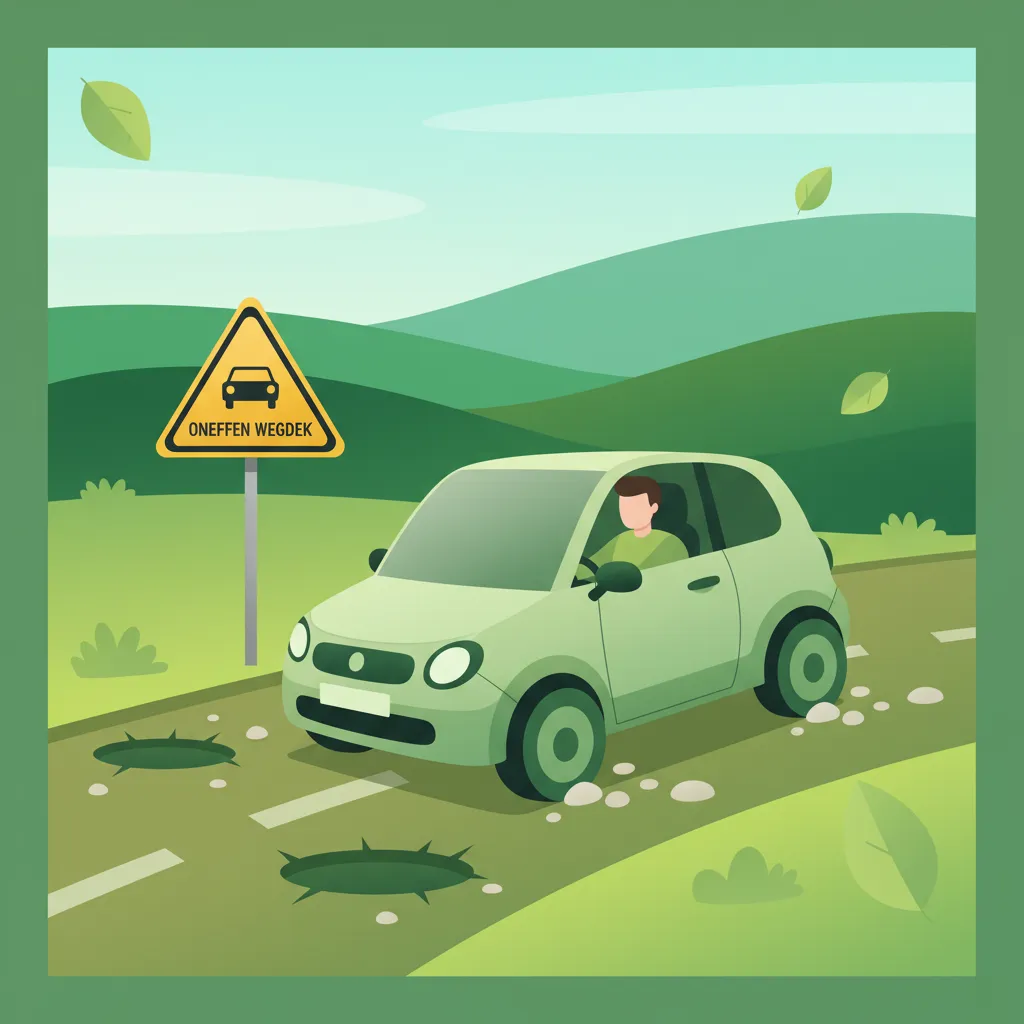
This lesson prepares you to deal with sudden changes in road surface that can cause a loss of traction. You will learn to scan for these hazards and, if they cannot be avoided, how to ride over them safely. The key technique is to keep the motorcycle upright and maintain smooth, steady control inputs—no abrupt braking, accelerating, or steering—to minimize the risk of a skid.

This lesson focuses on the unique demands of riding at sustained high speeds on motorways ('snelwegen'). It covers essential topics such as strict lane discipline, safe overtaking procedures, and maintaining a greater following distance to compensate for higher reaction and braking times. The content also addresses the physical and mental challenges, including managing wind blast, increased noise levels, and maintaining heightened situational awareness over long distances to combat fatigue.
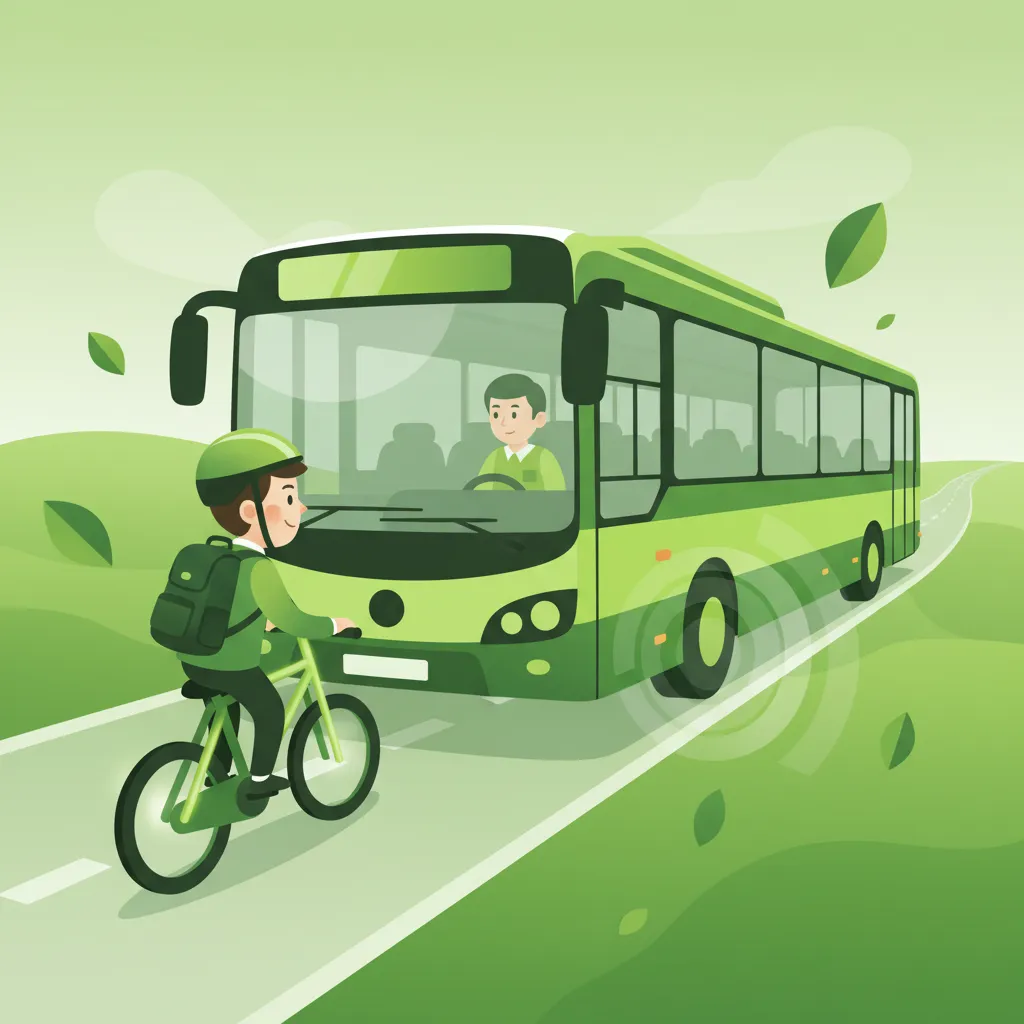
This lesson focuses on the specific hazards and techniques for safely sharing the road with heavy goods vehicles (HGVs) and buses. It provides a detailed explanation of their extensive blind spots ('dode hoek') and teaches riders where to position themselves to remain visible. The curriculum also covers how to manage the significant air turbulence created by these vehicles when overtaking and how to anticipate their wide turning circles at junctions and roundabouts.
This lesson focuses on the legal requirements and safe practices for riding near pedestrian crossings ('zebrapaden') and designated school zones. It details the absolute obligation to yield to pedestrians on or about to use a crossing and the need for significantly reduced speeds and heightened vigilance in areas with children. The content underscores the importance of anticipation and being prepared for unpredictable movements from vulnerable road users to prevent serious incidents.

This lesson provides a structured methodology for assessing the safety and legality of an overtaking maneuver, particularly on two-lane roads. It teaches riders how to accurately judge the speed and distance of oncoming traffic, calculate the time and space needed to complete the pass safely, and check for hidden hazards. This systematic risk assessment process helps eliminate guesswork and ensures that every decision to overtake is a well-informed and safe one.

This lesson provides critical instruction on managing blind spots ('dode hoek') to prevent collisions, particularly during lane changes. It covers the correct setup and use of mirrors, but stresses their limitations and the absolute necessity of the 'lifesaver' shoulder check before any lateral movement. Furthermore, it teaches riders how to be aware of the large blind spots around cars and especially trucks, and how to position themselves on the road to remain visible to other drivers at all times.
This lesson details the interpretation of Dutch warning signs, which alert riders to potential dangers and changing road conditions. You will study signs indicating sharp curves, road narrowing (BORD 30), and temporary hazards like road works (BORD 36), learning to adjust speed and road position proactively. The content emphasizes how the A2 motorcycle's characteristics require earlier hazard recognition and response compared to other vehicles for maintaining control.
Learn about frequent errors made by motorcyclists in urban traffic, such as speeding near crossings or misjudging bus movements. This lesson provides mitigation strategies and explains how to improve situational awareness for safer city riding.
This lesson compares the different skills and awareness levels required for riding in dense urban environments versus high-speed express environments. It discusses managing frequent hazards like intersections and vulnerable road users in the city, contrasted with the need for high-speed stability, smooth lane changes, and managing merging traffic on motorways. Understanding how to adapt riding style is key to navigating these distinct settings safely.
This lesson provides a detailed framework for how motorcyclists must safely and legally interact with diverse road users, including cars, trucks, cyclists, and pedestrians. It covers the required communication signals, anticipatory behaviors, and specific positioning techniques necessary to coexist in complex traffic environments like urban centers and shared spaces. Emphasis is placed on legal expectations and practical methods that actively reduce collision risk and promote smooth traffic flow.

Defensive riding means riding to prevent collisions, despite the actions of others or the conditions around you. This lesson teaches the core principles of this proactive safety strategy. Key techniques include managing the space cushion around your vehicle, positioning yourself in your lane for maximum visibility, constantly planning an escape route, and communicating your intentions clearly to other road users. This mindset acknowledges your vulnerability and empowers you to take control of your own safety.

This lesson explains the concept of strategic lane positioning, moving beyond simply staying in the center of the lane. It details how to select a position—typically in the left or right wheel track of cars—to be more visible in other drivers' mirrors, avoid the slippery center strip, and maintain a space cushion. The content emphasizes constantly adjusting position based on traffic, road conditions, and potential hazards.

This lesson equips riders with cognitive strategies for managing ambiguous or conflicting traffic situations where priority rules may be misinterpreted by other road users. It focuses on the principles of defensive riding, such as making eye contact, using clear signals, and being prepared to yield the right-of-way to avoid a collision. The content teaches how to resolve uncertainty safely by prioritizing hazard avoidance over asserting one's legal right-of-way, a critical skill for motorcyclist survival.

This lesson introduces the Dutch concept of 'voorspellend rijgedrag,' or anticipatory riding, a proactive approach to safety. It teaches motorcyclists how to look beyond the immediate vehicle in front and scan for clues that predict the actions of other road users, such as turn signals, wheel direction, and driver head movement. By anticipating potential conflicts before they happen, riders can position themselves to avoid danger and ensure a smoother, safer journey through complex traffic.
This lesson prepares you for the unique dangers of high-speed highway riding. You will learn to scan for and navigate road hazards like debris, potholes, and slippery steel expansion joints on bridges. The content also addresses the powerful air turbulence created by large trucks that can upset a motorcycle's stability and the mental challenge of maintaining focus on long, monotonous stretches of road.
This lesson provides critical instruction on managing blind spots ('dode hoek') to prevent collisions, particularly during lane changes. It covers the correct setup and use of mirrors, but stresses their limitations and the absolute necessity of the 'lifesaver' shoulder check before any lateral movement. Furthermore, it teaches riders how to be aware of the large blind spots around cars and especially trucks, and how to position themselves on the road to remain visible to other drivers at all times.
This lesson focuses on the legal requirements and safe practices for riding near pedestrian crossings ('zebrapaden') and designated school zones. It details the absolute obligation to yield to pedestrians on or about to use a crossing and the need for significantly reduced speeds and heightened vigilance in areas with children. The content underscores the importance of anticipation and being prepared for unpredictable movements from vulnerable road users to prevent serious incidents.
This lesson focuses on the unique demands of riding at sustained high speeds on motorways ('snelwegen'). It covers essential topics such as strict lane discipline, safe overtaking procedures, and maintaining a greater following distance to compensate for higher reaction and braking times. The content also addresses the physical and mental challenges, including managing wind blast, increased noise levels, and maintaining heightened situational awareness over long distances to combat fatigue.
Find clear answers to common questions learners have about Hazard Identification in Urban Traffic. Learn how the lesson is structured, which driving theory objectives it supports, and how it fits into the overall learning path of units and curriculum progression in the Netherlands. These explanations help you understand key concepts, lesson flow, and exam focused study goals.
The most frequent urban hazards include pedestrians stepping out from behind parked cars, car doors opening unexpectedly, vehicles emerging from side streets or driveways, cyclists weaving through traffic, and public transport (like buses) pulling out into your path. Recognizing these potential threats is key to safe urban riding.
Urban environments are characterized by lower speeds but a much higher density of potential hazards and unpredictable events. Unlike highways where risks are often more linear, city riding involves constant 360-degree scanning for pedestrians, complex intersections, and varied road user behaviour, requiring a more dynamic and proactive approach to hazard identification.
An 'escape route' or 'out' is a planned path to maneuver your motorcycle to safety if a hazard suddenly materializes. In busy urban traffic, with many potential risks, having a pre-determined escape route can be the difference between avoiding an incident or being involved in one. It allows for quick, decisive action.
Practice by actively observing traffic situations around you, even when not riding. Watch videos of urban traffic, visualize yourself on a motorcycle, and consider potential risks in each scenario. Our app's practice questions specifically on urban hazards will simulate exam conditions and reinforce your learning.
Yes, while the core principles of urban hazard identification apply to all road users, this lesson highlights how the characteristics of Category A motorcycles, such as their maneuverability and rider exposure, influence hazard perception and risk management in busy city environments.