
Navigating tunnels safely requires specific knowledge. This lesson covers the crucial 'tunnelvoorschriften' for Category A motorcyclists in the Netherlands. You'll learn about special signs, emergency procedures, and how to prepare for reduced visibility and unique tunnel environments, ensuring you're ready for both the CBR theory exam and real-world riding.
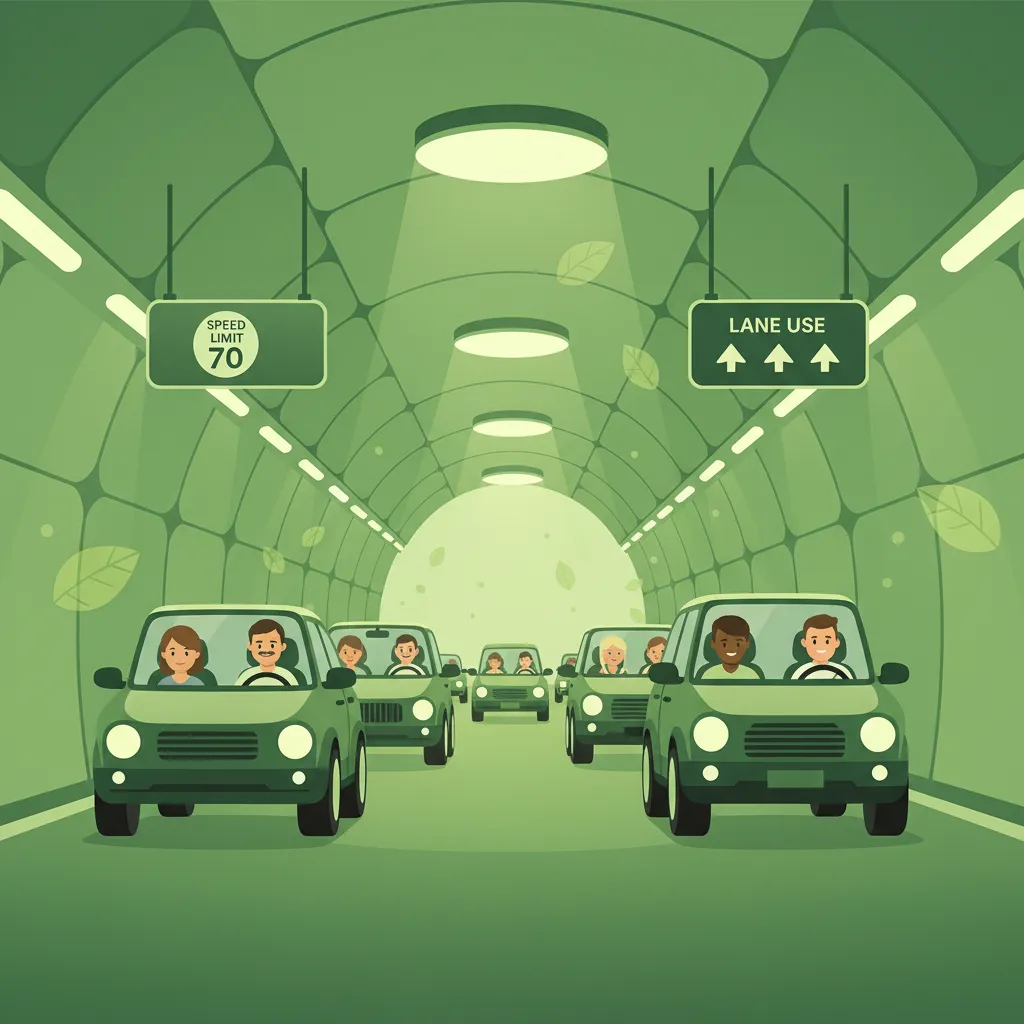
Riding through tunnels in the Netherlands presents unique challenges and requires strict adherence to specific safety regulations, known as 'tunnelvoorschriften'. These rules are designed to mitigate the inherent risks of confined, low-visibility environments, ensuring the safety of all road users, especially motorcyclists. Mastering these guidelines is crucial for passing the Dutch CBR Category A motorcycle theory exam and for safe, confident riding in the real world.
Tunnels compress traffic into a limited space, restricting maneuvering options and often reducing natural light. This combination creates distinct challenges for visibility, reaction times, and emergency response. Ventilation systems, specialized lighting, and emergency infrastructure are all part of a tunnel's design to counter these risks. As a motorcyclist, your vulnerability in such environments necessitates an even greater focus on awareness and compliance. Non-adherence to tunnel safety rules can dramatically increase the risk of collisions, secondary accidents, and exposure to hazards like smoke or fumes.
Before entering any road tunnel in the Netherlands, motorcyclists must perform a series of critical pre-entry checks and adjustments. These actions are vital for ensuring your own visibility and maintaining clear sightlines for yourself and other road users.
One of the most fundamental rules for tunnel safety is the mandatory use of your low-beam headlights. You must switch on your low-beam headlights (dimlicht) at least 200 metres before the tunnel entrance and keep them on until you have fully exited the tunnel. This rule applies regardless of the time of day or the ambient light conditions outside the tunnel. High-beam headlights (grootlicht) are strictly prohibited inside tunnels, as they can blind oncoming traffic and drivers ahead, creating a dangerous glare.
Even if your motorcycle has automatic headlights, it's wise to manually switch to low-beam well before entering a tunnel to ensure they activate sufficiently early.
The transition from bright daylight into the comparatively darker interior of a tunnel can significantly impair your vision, especially if you are wearing sunglasses or a darkly tinted visor. To counteract this, Dutch tunnel regulations mandate that you remove sunglasses or flip up a darkly tinted visor before entering a tunnel. This ensures your eyes can adapt more quickly to the change in light levels, allowing you to clearly see road markings, signs, and other vehicles. Failing to do so can lead to temporary blindness or reduced perception, dangerously delaying your reaction time.
Speed management and maintaining an appropriate following distance are paramount in tunnels, where sudden stops or incidents can have cascading effects due to limited space and escape routes.
Every tunnel has a clearly posted maximum speed limit. On motorways, this is often 80 km/h, while urban tunnels might have limits as low as 60 km/h or even 50 km/h. It is crucial to always obey these limits. Additionally, many modern Dutch tunnels feature variable speed limit signs (variabele snelheidsaanduidingen). These electronic signs can dynamically adjust the speed limit in real-time based on traffic density, accidents, or adverse weather conditions. You must adapt your speed immediately to any new limit displayed on these variable signs, even if it is significantly lower than the standard posted limit.
Inside a tunnel, maintaining a sufficient safe following distance (veilige volgafstand) is even more critical than on open roads. The confined environment, potential for reduced visibility, and challenges in emergency braking mean that shorter gaps are extremely dangerous. The general rule for a safe following distance is a minimum of 2 seconds to the vehicle ahead.
To calculate this, pick a fixed point on the road, such as a road sign or tunnel light. When the vehicle in front passes this point, start counting "one thousand one, one thousand two." If you reach the fixed point before you finish counting, you are too close. This gap should be increased in adverse conditions:
This distance allows you crucial extra time to react and brake safely if the vehicle in front of you stops suddenly.
Dutch tunnels are equipped with a range of specific signs and signals designed to guide drivers and manage traffic flow effectively. Understanding these is vital for safe navigation.
Static signs provide constant information about speed limits, lane guidance, and the location of emergency facilities. Look for signs indicating "Tunnel – headlights on" (often a pictogram of a car with its lights on), "No overtaking" (in areas where it's prohibited), and clear markings for emergency exits (nooduitgangen) and refuges (noodrefuges). Lane markings, such as solid white lines or broken lines, also dictate where you can and cannot change lanes or overtake.
Modern tunnels utilize dynamic signals to provide real-time instructions. These include:
Due to the confined nature of tunnels and potentially reduced visibility, specific rules govern lane changes and overtaking.
Overtaking (inhalen) is often prohibited inside tunnels. This is typically indicated by a continuous solid white line (doorgetrokken streep) on the road, which means you must not cross it, or by specific "No overtaking" signs. These restrictions are particularly common on curves, at tunnel entrances/exits, or in narrower sections where sightlines are limited. Always assume overtaking is prohibited unless explicitly indicated otherwise by broken lines and a lack of "No overtaking" signage.
If lane changes are permitted (indicated by broken white lines), they must be executed with extreme caution. Always check your mirrors and blind spots thoroughly, signal clearly, and ensure you have ample space before moving. Sudden or aggressive lane changes can lead to dangerous situations, especially given the increased speeds and concentrated traffic flow typical in tunnels.
Never overtake a vehicle when a solid white line is present or a "No overtaking" sign is displayed, as this is illegal and extremely hazardous.
Being prepared for an emergency is a critical aspect of tunnel safety. Knowing where and how to respond can save lives.
Dutch tunnels are equipped with clearly marked emergency exits and refuges at regular intervals (often every 300 metres or as specified by tunnel design).
Familiarize yourself with the green signs indicating these facilities as you ride through. Never block an emergency exit or refuge, as this obstructs crucial escape routes.
In the event of a major incident within a tunnel (e.g., fire, multi-vehicle collision), traffic information and emergency instructions are often broadcast over a specific radio frequency. In the Netherlands, the general emergency broadcast frequency for tunnels is 158 MHz. Tunnel signage may also display the specific frequency to tune into. During an alarm, it is highly recommended to tune your radio to this frequency to receive real-time guidance from emergency services, which could include evacuation instructions or details on the safest course of action.
Hazard warning lights (gevarenlichten) are intended to signal a stationary vehicle that poses a hazard. You should only activate your hazard warning lights if your motorcycle is stopped due to a breakdown or an emergency within the tunnel. Using them while moving at normal speed can confuse other drivers, making them think you are stationary or encountering a problem, which can lead to unnecessary braking or erratic maneuvers.
Driving conditions inside tunnels can be affected by external weather and internal traffic flow. Responsible motorcyclists adjust their riding accordingly.
While tunnels offer shelter from direct rain, moisture can still be tracked in, making the road surface wet and potentially slippery. In conditions of heavy rain or fog outside the tunnel, visibility inside can also be reduced due to reflections or ingress.
The change in light entering or exiting a tunnel on a rainy day can be intense. Blink a few times before entering to help your eyes adjust faster.
Heavy traffic inside a tunnel demands heightened vigilance. Even if speeds are low, the risk of a chain-reaction collision increases due to the close proximity of vehicles.
The specific rules governing tunnel safety are codified in various Dutch legal instruments, primarily the Road Traffic Regulations (RVV 1990) and the Dutch Tunnel Law (Wet op de Tunnelveiligheid). These laws prescribe mandatory conduct for all road users, including motorcyclists.
Violations of tunnel safety rules are treated seriously and can result in significant fines and, in some cases, penalty points on your driving record. Key legal obligations include:
Non-compliance not only carries legal consequences but also significantly increases your risk of involvement in a serious accident.
The stringent tunnel safety rules are not arbitrary; they are based on fundamental principles of physics, human psychology, and traffic engineering.
Psychologically, confined spaces like tunnels can sometimes induce a "tunnel effect," a false sense of security where drivers might underestimate their speed or the distances to other vehicles. This can lead to complacency and a tendency to shorten following distances. Explicit rules regarding speed, spacing, and lighting are designed to counteract these human factors and enforce a safer, more uniform driving behaviour. Clear signage and emergency procedures also help to alleviate panic and improve compliance during high-stress incidents.
Successfully navigating tunnels as a motorcyclist in the Netherlands requires a combination of preparation, vigilance, and adherence to specific regulations. By understanding and applying these rules, you contribute to your own safety and the safety of all road users.
By consistently following these tunnel safety rules, you ensure a safer and more confident journey through every tunnel on your Dutch motorcycle adventures.
Lesson content overview
Explore all units and lessons included in this driving theory course.
Explore search topics learners often look for when studying Tunnel Safety Rules (tunnelvoorschriften). These topics reflect common questions about road rules, driving situations, safety guidance, and lesson level theory preparation for learners in the Netherlands.
Browse additional driving theory lessons that cover connected traffic rules, road signs, and common driving situations related to this topic. Improve your understanding of how different rules interact across everyday traffic scenarios.
Understand the specific 'tunnelvoorschriften' for Dutch tunnels. This lesson covers mandatory rules, emergency exits, radio communication, and procedures for safe riding and handling incidents within tunnels.

This lesson clarifies the specific Dutch regulations concerning stopping and parking for motorcycles, including designated parking bays and rules for parking on pavements. It also covers the mandatory procedures for safely navigating tunnels, such as required lighting, lane discipline, and actions to take during a breakdown or emergency. By understanding these rules, riders can avoid fines and navigate these specific traffic situations with confidence.
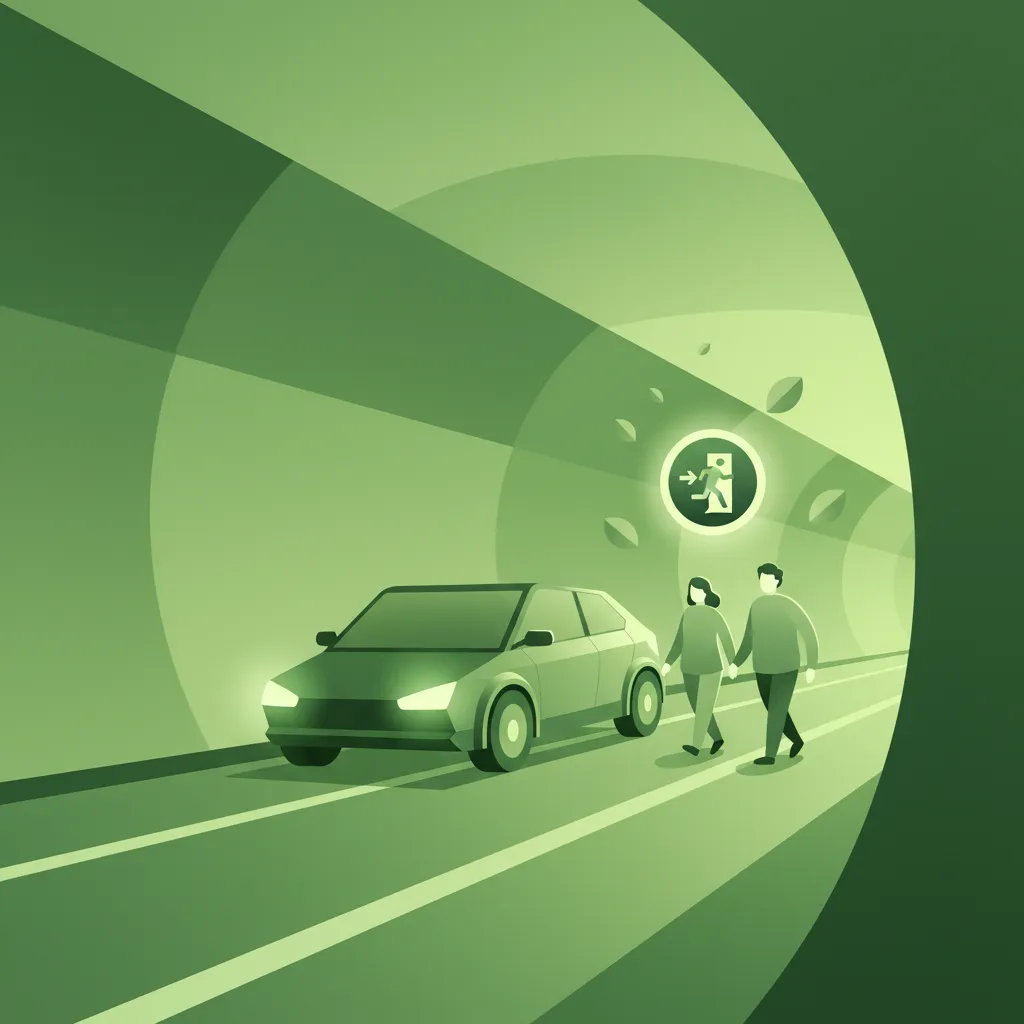
This lesson provides clear, life-saving instructions for handling an emergency stop inside a tunnel. It outlines the correct procedure: pull into an emergency bay if possible, activate hazard lights, turn off the engine, and leave the key. The content emphasizes the importance of moving to a safe location, using the emergency telephones to report the incident, and following all instructions from tunnel operators, including evacuation procedures if necessary.
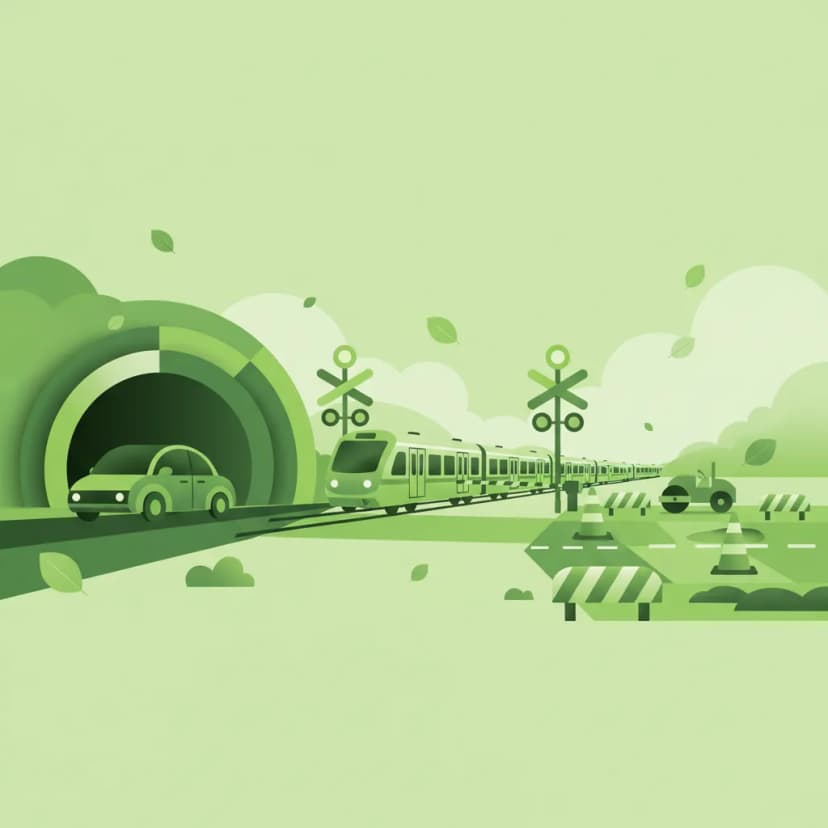
This lesson equips you with the knowledge to safely navigate special traffic situations. It covers the rules for riding through tunnels, including mandatory lighting, and the absolute priority of trains at level crossings, indicated by warning lights and barriers. You will also learn to recognize and react to the temporary signage and altered lane configurations typically found in road work zones, ensuring you can adapt your riding to maintain safety in these potentially hazardous environments.
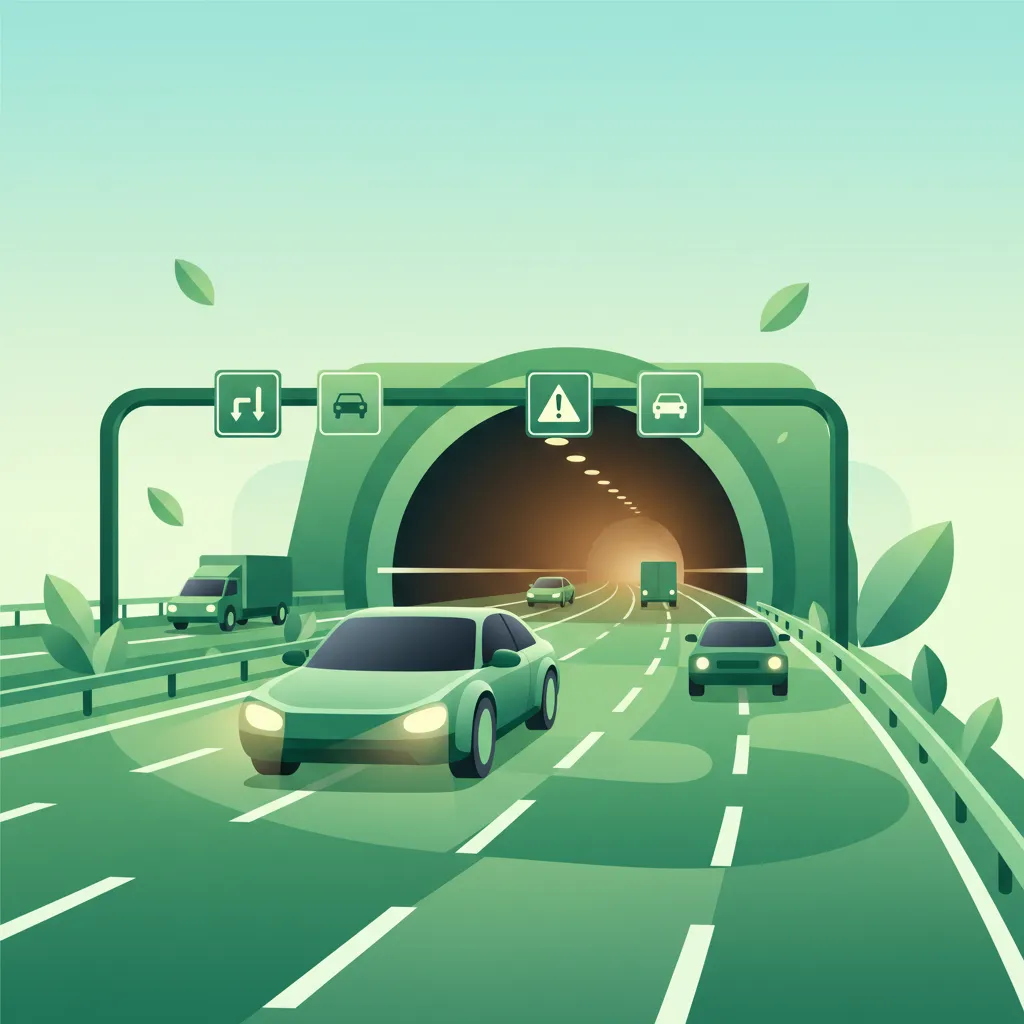
This lesson transitions hazard perception skills to the high-speed environment of motorways and tunnels. It covers specific risks such as vehicles merging at different speeds, sudden braking and congestion ahead, road debris, and the aerodynamic effects of crosswinds and large trucks. The curriculum also addresses the challenges of riding in tunnels, including changes in light and surface conditions, and the importance of identifying emergency exits and procedures in case of an incident.
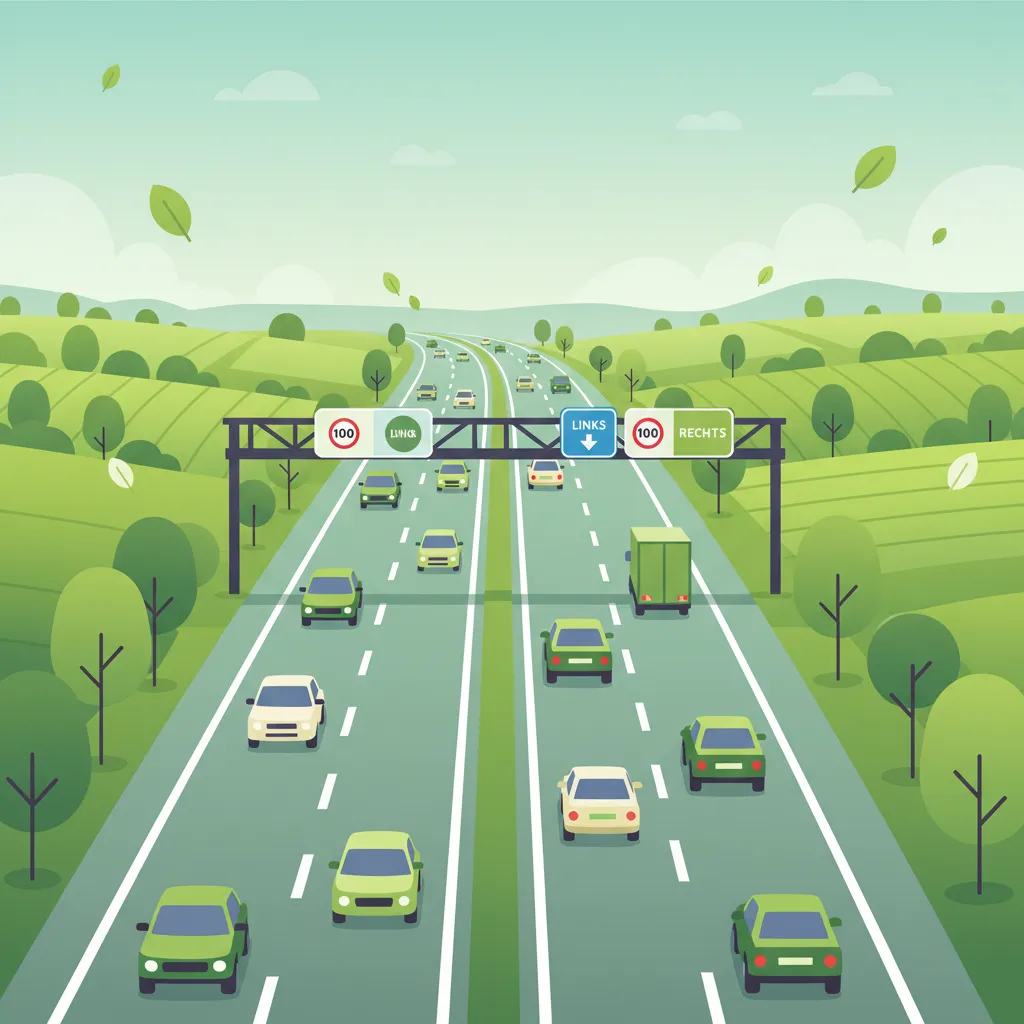
This lesson covers the specific articles of the Dutch Road Traffic Act that apply to motorways, with a primary focus on the strict rule of keeping to the rightmost available lane unless overtaking. It explains the legal and safety reasons for only passing on the left and discusses the correct positioning within a lane for maximum visibility and safety. The content also addresses the nuances of lane usage during heavy congestion, ensuring riders comply with the law and contribute to smooth traffic flow.
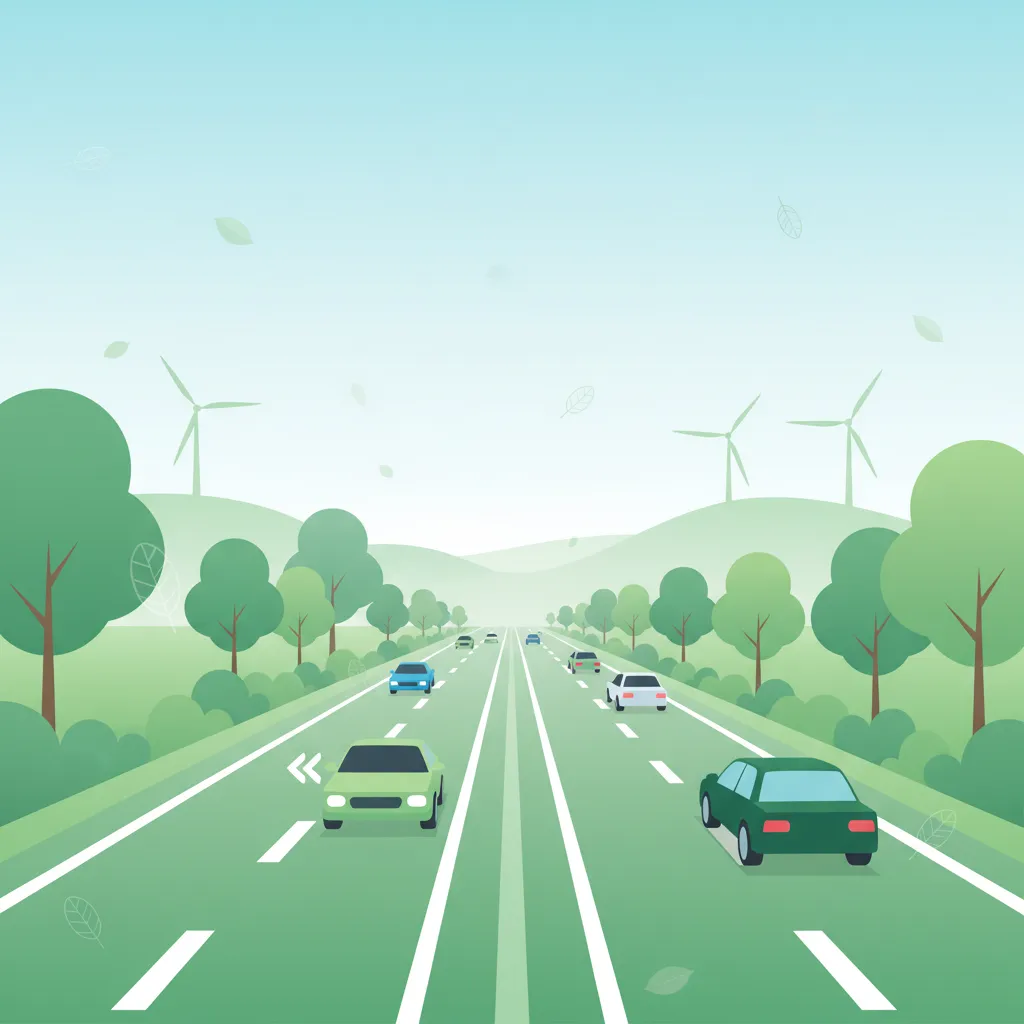
This lesson reinforces the fundamental rule of Dutch highway driving: use the rightmost lane available and use the lanes to the left only for overtaking. You will learn the complete, safe overtaking procedure: check mirrors, signal, perform a shoulder check for the blind spot, smoothly move over, accelerate past the vehicle, and then return to the right lane when safe.

This lesson covers safety procedures for specific infrastructure. You will learn the importance of using dipped headlights in tunnels and what to do in case of a breakdown or fire inside a tunnel. The curriculum explains how to respond to the warning lights and barriers at movable bridges and railway level crossings, emphasizing that you must always stop for flashing red lights. The meaning of the St. Andrew's Crosses, indicating the number of railway tracks, is also covered.
This lesson covers the universal Dutch road rules with a specific focus on their application to light motorcycles. It details the various speed limits for different road types, from urban areas to motorways, and explains the correct procedures for overtaking and lane positioning. The legal aspects of lane filtering in congestion are also examined, alongside mandatory equipment use like daytime running lights, to ensure riders can integrate safely and legally into traffic flow.
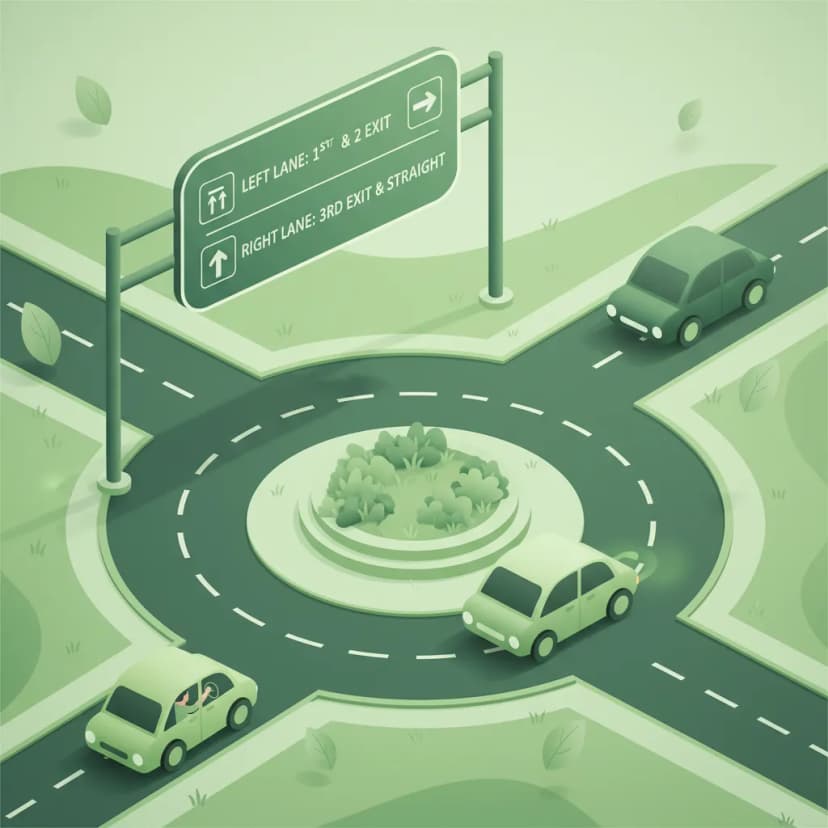
This lesson provides a detailed guide to navigating Dutch roundabouts ('rotondes'), including single-lane, multi-lane, and 'turbo' designs. It clarifies the specific priority rules that apply when entering the roundabout and the critical importance of correct signaling when changing lanes or exiting. Special attention is given to the vulnerable position of motorcyclists and the need to be aware of other vehicles' blind spots and the priority rules concerning cyclists on or near the roundabout.
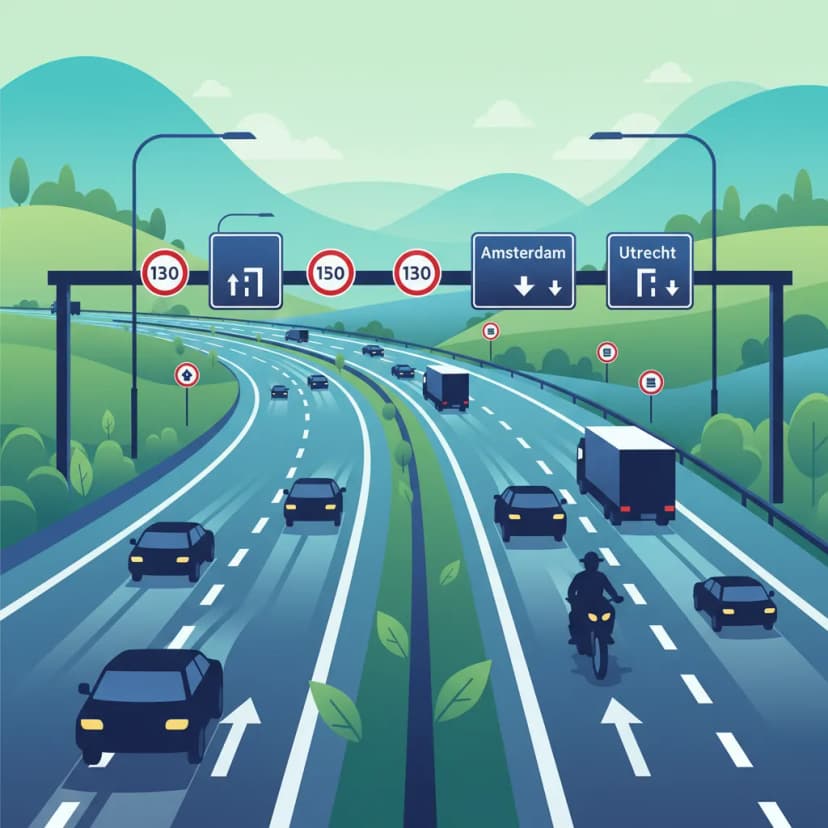
This lesson details the specific regulations for driving on Dutch motorways, identifiable by the G1 sign. You will learn the correct procedure for joining the flow of traffic using the acceleration lane and for leaving via the deceleration lane. The curriculum reinforces the 'keep right unless overtaking' rule for lane discipline. It also explains that stopping is strictly forbidden, and the hard shoulder (vluchtstrook) may only be used for genuine emergencies.
Learn to decipher unique Dutch tunnel traffic signs, variable message boards, and lane control signals. Essential knowledge for navigating tunnels safely and understanding traffic flow management.
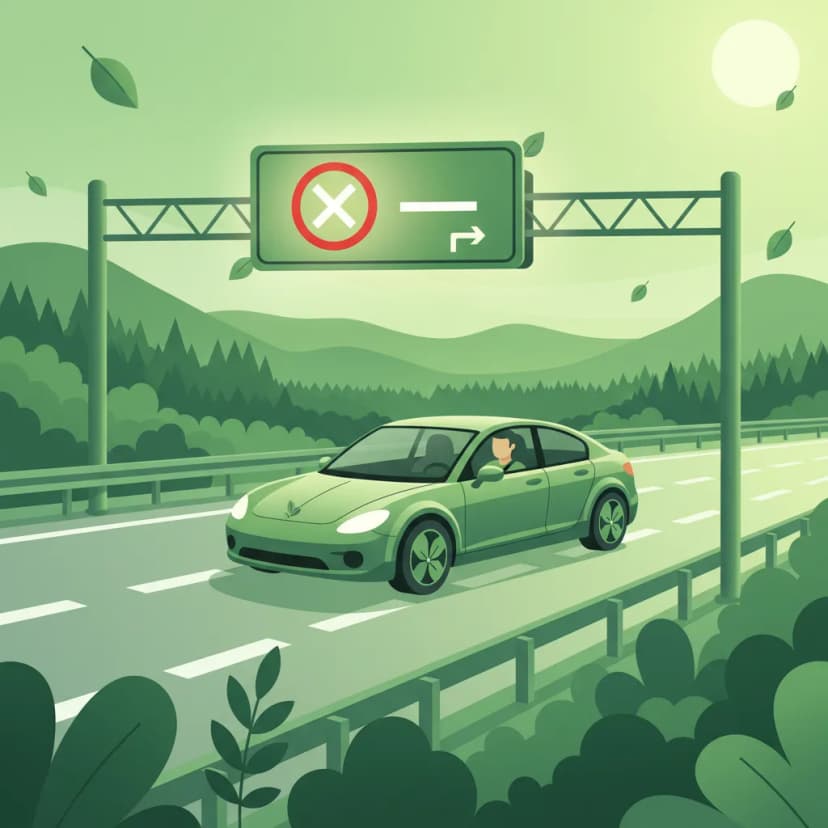
This lesson examines the function and interpretation of variable message signs (VMS) and other digital displays that provide real-time traffic information on Dutch roads. It explains how these systems communicate dynamic speed limits, congestion alerts, lane closures, and diversion routes, and how motorcyclists must legally comply with these instructions. Understanding these 'matrixborden' is critical for adapting to changing road conditions and ensuring safety on motorways and in tunnels.
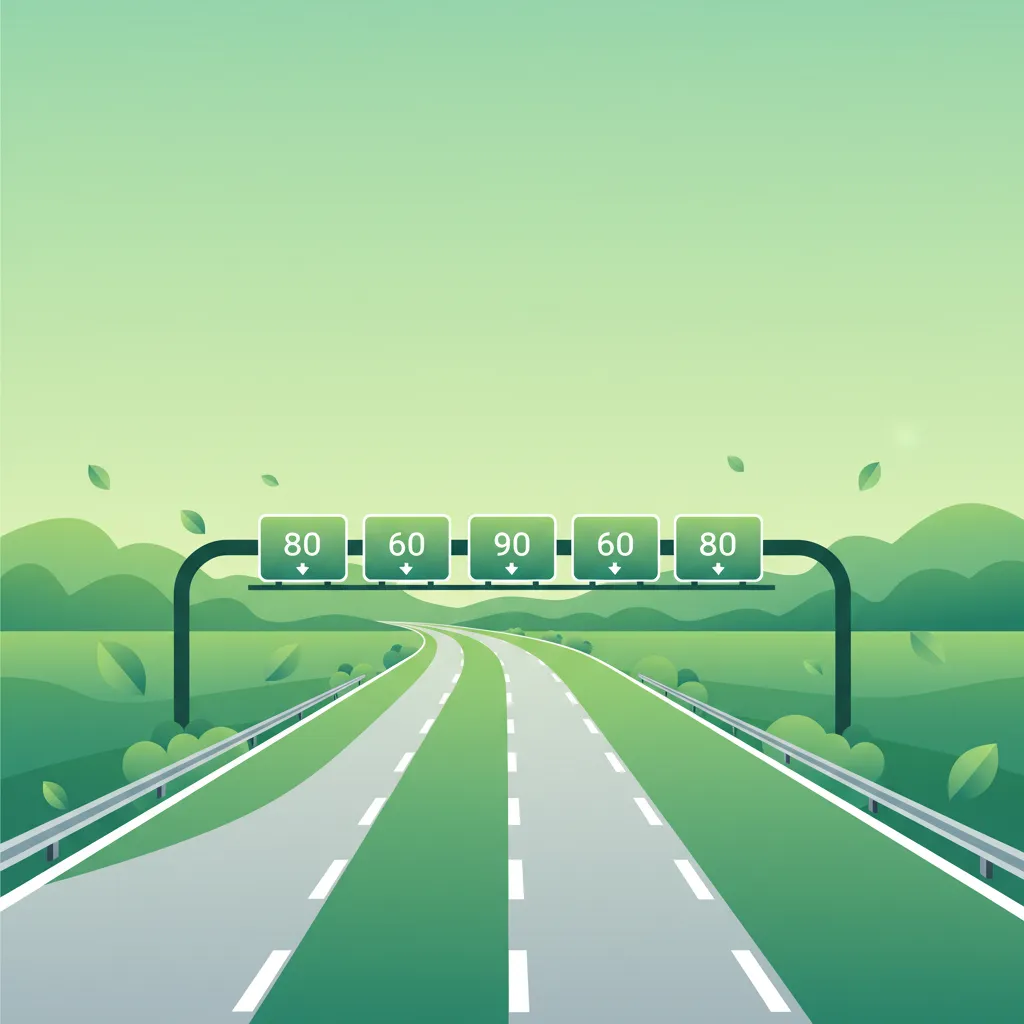
This lesson explains how to respond to variable speed limits shown on overhead electronic signs, which are used to manage traffic flow in real-time. You will learn why these limits are adjusted for factors like congestion, accidents, or bad weather, and the legal requirement to obey them. The content focuses on the importance of anticipatory riding, scanning far ahead for these signs to allow for smooth and safe speed adjustments.
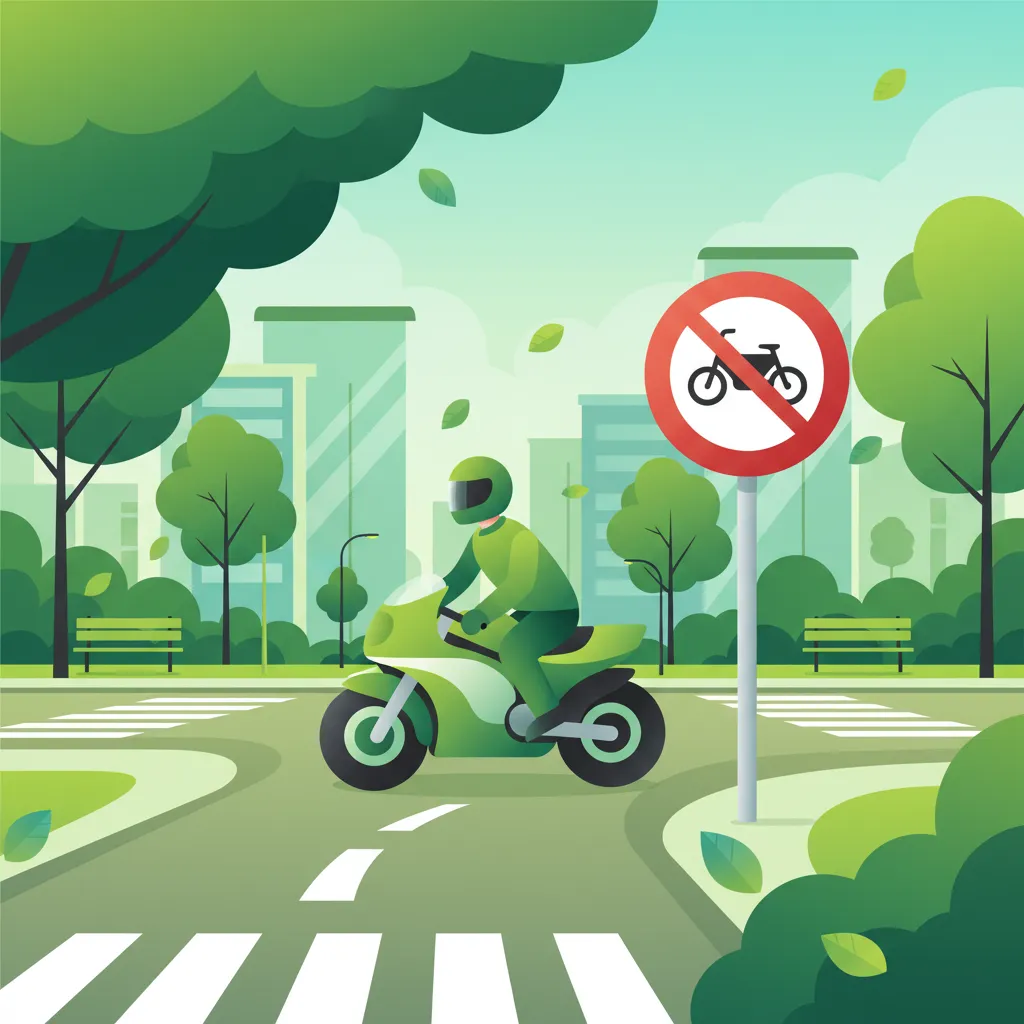
This lesson focuses on Dutch regulatory signs that enforce mandatory rules and restrictions, particularly those impacting A2 motorcyclists. You will learn to recognize and obey prohibition signs, such as those indicating a motorcycle ban (BORD 40), speed limits, and overtaking restrictions (BORD 21). The content explains the legal consequences of non-compliance and how to apply these rules in practical riding scenarios to ensure full adherence to Dutch traffic law.
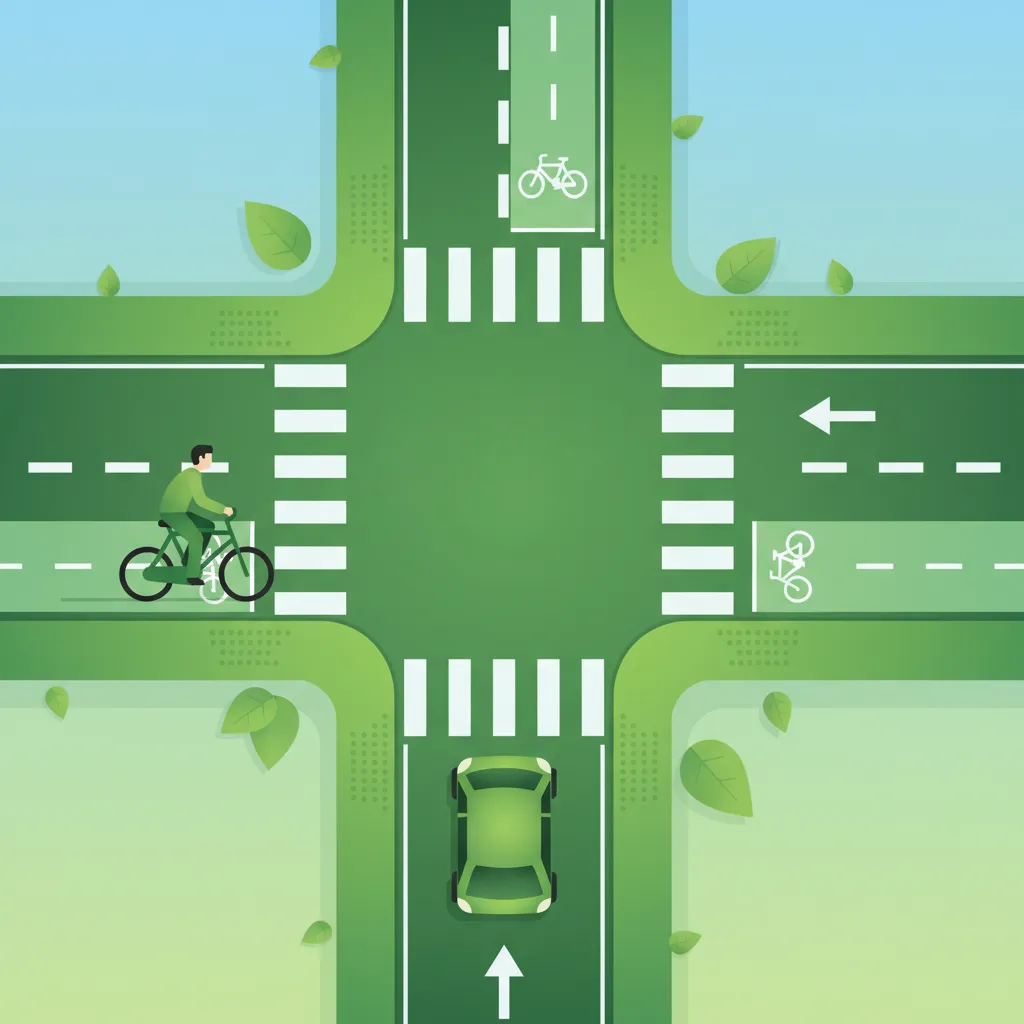
This lesson explores the legal meaning of various road surface markings, including solid and broken lane delimiters, directional arrows, and special-purpose lane indicators. It describes how markings dictate permitted maneuvers, such as overtaking and lane changes, and alert riders to upcoming hazards or changes in road layout. The content also examines the relationship between markings and road design in the Netherlands, emphasizing how a motorcyclist must interpret these visual cues for safe positioning.
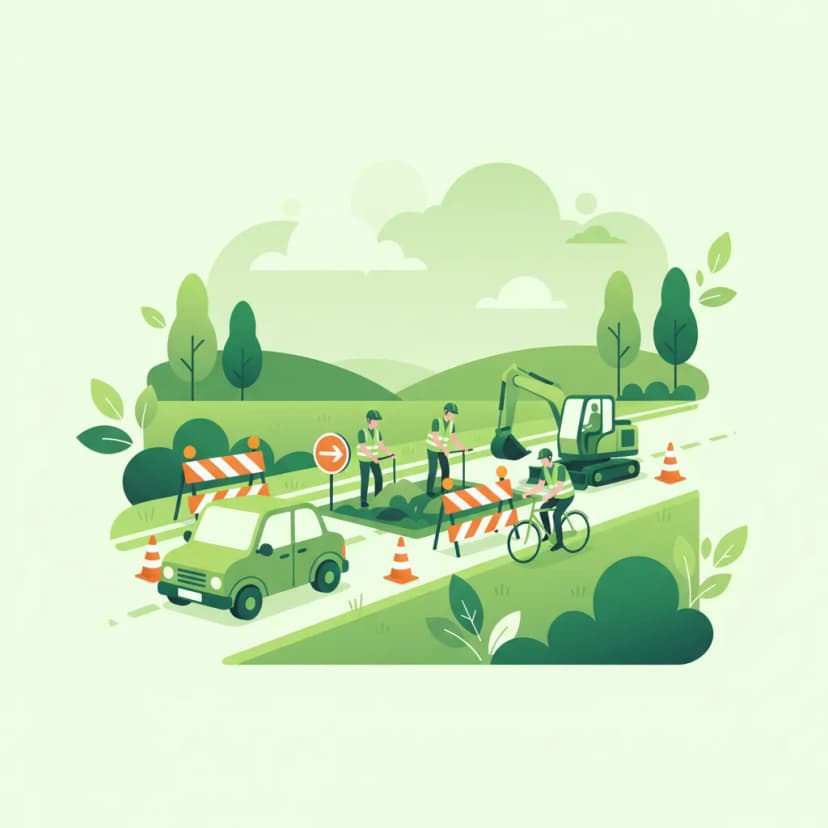
This lesson prepares riders for navigating the unique challenges of construction zones and temporary road layouts. It covers the identification of orange-colored temporary signs, understanding detour (omleiding) routes, and adhering to reduced speed limits. Special attention is given to the hazards common in work zones, such as loose gravel, uneven surfaces, and the presence of workers, emphasizing the need for heightened awareness and caution.
This lesson clarifies the specific Dutch regulations concerning stopping and parking for motorcycles, including designated parking bays and rules for parking on pavements. It also covers the mandatory procedures for safely navigating tunnels, such as required lighting, lane discipline, and actions to take during a breakdown or emergency. By understanding these rules, riders can avoid fines and navigate these specific traffic situations with confidence.
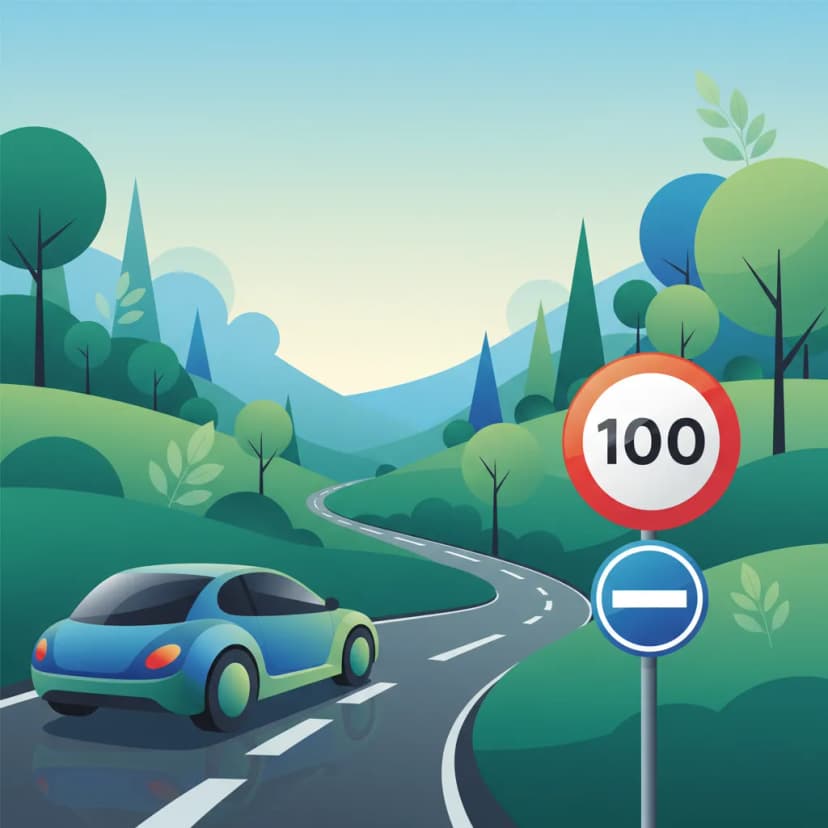
This lesson provides a detailed overview of fixed speed limits on the Dutch road network and the signs that indicate them. You will learn to identify signs for maximum speed (BORD 50) and understand the default limits that apply within built-up areas, on rural roads, and on motorways. The content emphasizes the importance of constant awareness and legal compliance to avoid penalties and ensure road safety for yourself and others.
This lesson covers the specific articles of the Dutch Road Traffic Act that apply to motorways, with a primary focus on the strict rule of keeping to the rightmost available lane unless overtaking. It explains the legal and safety reasons for only passing on the left and discusses the correct positioning within a lane for maximum visibility and safety. The content also addresses the nuances of lane usage during heavy congestion, ensuring riders comply with the law and contribute to smooth traffic flow.

This lesson provides a detailed explanation of the various markings painted on the road surface, which are as legally binding as physical signs. It clarifies the rules associated with solid and broken white lines, including restrictions on crossing them, and the function of arrows, chevrons, and text painted in lanes. A thorough understanding of these markings is fundamental for correct lane discipline, positioning, and safe maneuvering on a motorcycle.

This lesson offers an in-depth study of Dutch regulatory signs, which impose mandatory actions or prohibitions on road users, with a specific focus on their impact on motorcyclists. It explains the visual language of prohibition symbols ('verbodsborden') and obligation symbols ('verplichtingsborden'), the contexts in which they appear, and the strict statutory consequences of non-compliance. Real-world examples are used to illustrate how these signs directly influence route planning, overtaking decisions, and speed management.
Find clear answers to common questions learners have about Tunnel Safety Rules (tunnelvoorschriften). Learn how the lesson is structured, which driving theory objectives it supports, and how it fits into the overall learning path of units and curriculum progression in the Netherlands. These explanations help you understand key concepts, lesson flow, and exam focused study goals.
Tunnels have a significant and abrupt change in light conditions. Removing your sunglasses before entering allows your eyes to adjust more quickly to the lower light levels inside, preventing temporary blindness and ensuring you can see hazards and signs clearly. Failing to do so can lead to dangerous situations for you and other road users.
It's crucial to maintain an even larger following distance in tunnels than you might on an open road. This is because visibility is reduced, reaction times can be slower due to stress, and emergency situations might arise more suddenly. Always adhere to the recommended safe distances, often extended in tunnel environments.
Tunnels are equipped with clear signage indicating the location of emergency exits and refuges. These are typically marked with green signs showing a running figure and an arrow. Familiarise yourself with these signs and their placement as you enter any tunnel; your life could depend on it in an emergency.
If your motorcycle breaks down or you witness an emergency, the first step is to try and reach an emergency refuge or exit if possible. If not, switch on your hazard lights, turn off your engine, and if safe to do so, exit your motorcycle and seek shelter in a refuge or behind a barrier. Tune into the designated emergency radio frequency for instructions. Do not attempt to ride through congestion or an incident.
While the core safety principles apply to all vehicles, some specific rules like the emphasis on rider visibility, appropriate following distance, and the potential need to dismount might be particularly relevant for motorcyclists. Always follow the specific signs and instructions within the tunnel, as these are designed for all road users.