
Navigating temporary road layouts and construction zones can be tricky. This lesson prepares you for the unique challenges posed by temporary Dutch signage, detour routes, and reduced speed limits common in work areas. Understanding these signals is crucial for maintaining safety and passing the A1 motorcycle theory exam.

As a motorcyclist preparing for the Dutch A1 Motorcycle Theory exam, understanding temporary signs and safely navigating construction zones is paramount. These dynamic environments present unique challenges, demanding heightened awareness and adherence to specific rules that temporarily supersede normal traffic regulations. This lesson will equip you with the knowledge to identify orange-colored temporary signs, understand detour (omleiding) routes, comply with reduced speed limits, and manage the inherent hazards of work zones.
Construction zones are ever-present on Dutch roads, designed to improve infrastructure but also posing temporary risks. Proper identification of temporary signs and a defensive riding approach are crucial to reduce accident risk, protect vulnerable workers, and ensure your legal compliance under Dutch traffic law (RVV 1990).
Temporary road signs are vital safety control measures, signaling that normal traffic conditions are altered due to roadworks or other temporary situations. Their distinct orange color is universally recognized in the Netherlands as an indicator of provisional traffic arrangements. Unlike permanent signs, which are typically blue, red, or white, orange signs immediately alert you to an upcoming change in road layout, speed limits, or traffic flow.
These signs are not merely advisory; they are legally binding traffic orders. Failing to comply with temporary signs carries the same, and sometimes even more severe, legal consequences as disregarding permanent signs. For riders of A1 motorcycles, this means being constantly vigilant for orange signage, especially on routes that are frequently under development or repair.
The Dutch road sign system categorizes temporary signs, similar to permanent signs, into regulatory, warning, and informational types. However, their orange background immediately flags them as temporary. This visual cue ensures that road users quickly differentiate them from the standard, permanent signage. When you see an orange sign, it's a clear signal to adjust your riding plan and anticipate altered road conditions.
These signs often complement or override permanent signs in the immediate vicinity of a work zone. For instance, a permanent 80 km/h speed limit sign might be followed by an orange sign indicating a temporary 50 km/h limit. In such cases, the temporary sign takes precedence.
One of the most common temporary signs you'll encounter is the reduced speed limit sign. These are typically orange versions of the C-code regulatory signs, which indicate prohibited or mandatory actions. An orange speed limit sign dictates the maximum permissible speed specifically for the construction zone or affected stretch of road.
For example, an orange circular sign with "30" in the center indicates that the maximum speed is temporarily 30 km/h. This reduction in speed is crucial for several reasons: it shortens stopping distances, reduces the kinetic energy in case of an impact, and allows riders more time to react to unexpected hazards, which are prevalent in work zones. Always be prepared to decelerate smoothly and significantly when you see these signs.
When a road is completely blocked or specific lanes are closed, traffic is often diverted onto a detour route, known in Dutch as an "omleiding". These routes are clearly marked by orange directional signs. They guide traffic around the affected area, ensuring continuous flow while maintaining safety for both road users and construction personnel.
Detour signs can be simple arrows pointing left or right, or they can be part of a more complex system, sometimes featuring route numbers (e.g., "Omleiding 1", "Omleiding 2") to guide you through a sequence of turns. It is imperative to follow these signs precisely, even if the detour seems longer or less direct than you expect. Attempting to cut across a work zone or disregard a detour sign can lead to dangerous situations and is a punishable offense.
Beyond speed limits and detours, orange signs also serve as warnings for specific hazards within a work zone. These signs are orange versions of the A-code warning signs and alert you to potential dangers that require extra caution and adjustment of your riding technique.
Other temporary warning signs might indicate loose gravel, uneven surfaces, the presence of workers, or moving machinery. For motorcyclists, these warnings are particularly critical as loose material or sudden changes in road surface can significantly reduce tire traction and rider stability. Always interpret these warnings as a call for increased vigilance and a more defensive riding posture.
Successfully and safely navigating construction zones requires more than just knowing the signs; it demands a proactive and defensive riding strategy. These zones are dynamic environments where conditions can change rapidly, and the margin for error is significantly reduced.
The reduced speed limit in a construction zone is perhaps the single most critical rule for motorcyclists. It is designed to lower risks associated with the unpredictable nature of work areas. A lower speed directly impacts your stopping distance and the severity of a potential collision.
By significantly reducing your speed, you give yourself more time to perceive hazards, react, and execute maneuvers safely. For example, if the normal speed limit is 80 km/h and a temporary sign dictates 40 km/h, this isn't merely a suggestion. It's a legally binding limit that drastically reduces your kinetic energy, making emergency braking more effective and reducing the force of any impact. Always reduce your speed before entering the marked zone and maintain it throughout.
When approaching a construction zone with a reduced speed limit, begin decelerating smoothly and early. This prevents abrupt braking, which can be particularly hazardous on uneven or loose surfaces, and signals your intentions clearly to other road users.
Detour routes, or "omleidingen," are a common feature of construction zones. They are meticulously planned to redirect traffic safely and efficiently around an obstruction. As a rider, your obligation is to follow these routes precisely, without deviation.
Ignoring a detour sign to attempt a shortcut through a closed area is extremely dangerous. You risk entering an active work site with heavy machinery, open trenches, or workers who are not expecting traffic. This not only puts your life at risk but also endangers the lives of construction personnel. Pay close attention to the sequence of orange directional arrows, especially in complex detours that involve multiple turns or route numbers.
Construction zones are inherently hazardous environments. For motorcyclists, these hazards are amplified due to the bike's two-wheel nature, which offers less stability and protection than a car. Maintaining a high level of hazard awareness is critical.
One of the most significant dangers for motorcyclists in construction zones is the presence of loose gravel, sand, or other aggregate materials. These can drastically reduce tire traction, leading to skids or loss of control, especially when braking, accelerating, or cornering. Uneven pavement, raised manhole covers, or temporary ramps can also upset a motorcycle's balance.
When encountering such surfaces, a motorcyclist should:
Construction zones often contain heavy machinery (excavators, loaders), parked work vehicles, and construction materials that can intrude into the travel lane. These present fixed obstacles that may appear suddenly, especially around bends or over rises. Always assume that machinery may move unexpectedly or that materials may shift. Give these obstacles a wide berth and maintain a constant lookout.
Workers on foot are extremely vulnerable in construction zones. They may be focused on their tasks and less aware of surrounding traffic. Similarly, pedestrians or cyclists may be navigating altered pathways. You must always be prepared to yield to workers and pedestrians in these areas, even if they momentarily step into your lane. Slow down, make eye contact if possible, and be ready to stop. Their safety is your responsibility.
Construction zones can be dusty, especially in dry weather. Spray from active work, flashing lights from machinery, or temporary barriers can also obscure your view. Reduce your speed, increase your following distance, and ensure your headlights are on (low beam) to make yourself more visible and to better illuminate the road ahead. In foggy or rainy conditions, these visibility challenges are even greater, demanding extra caution.
Adhering to temporary traffic measures is not just about safety; it's a legal requirement under Dutch law. The Reglement verkeersregels en verkeerstekens 1990 (RVV 1990) outlines specific articles that govern behavior in these zones. Familiarity with these articles is essential for your Dutch A1 Motorcycle Theory exam and for safe riding.
This article explicitly establishes that temporary signs are not optional advice. They carry the same legal weight as permanent signs. Disregarding an orange temporary sign, such as a speed limit or detour instruction, is a violation punishable by fines and potentially penalty points, affecting your motorcycle license.
While Article 19 sets standard speed limits (e.g., 50 km/h in urban areas, 80 km/h on rural roads), it is critical to understand that any orange temporary speed limit sign will override these default limits for the duration of the construction zone. Your obligation is to comply with the lowest posted limit, which will be the temporary one.
This article reinforces the need for defensive riding in construction zones. Even if a temporary speed limit is posted, Article 71 implies that you might need to drive even slower if conditions (e.g., heavy rain, dense fog, significant loose gravel) warrant it. It's about exercising common sense and prioritizing safety over maintaining a specific speed.
Within a marked construction zone, workers and their equipment typically have right-of-way. This means you must yield to them. Be prepared for workers to step into the road, for machinery to cross your path, or for construction vehicles to enter or exit the work site. Your responsibility is to ensure their safety by slowing down and stopping if necessary.
This article ensures that temporary signs are effective. They must be placed at a sufficient distance before the hazard (e.g., at least 150m for higher speeds), at a minimum height (e.g., 1.5m), and possess adequate reflective materials for night visibility. While this article primarily applies to those installing the signs, it's useful for you as a rider to understand these standards. If a sign appears poorly placed or hard to see, you must still comply with it, but you should also be extra cautious.
Safe navigation through construction zones involves integrating knowledge of signs and laws with practical riding skills, adapted to varying conditions.
Within or near construction zones, you are highly likely to encounter vulnerable road users such as pedestrians and cyclists, who may be navigating altered pathways. Workers are also considered vulnerable. Always give them extra space, anticipate unpredictable movements, and be prepared to stop. Your vigilance protects those who are most exposed.
Disregarding temporary signs and safe riding practices in construction zones can lead to severe consequences, both legally and in terms of safety.
Dutch traffic authorities rigorously enforce temporary traffic measures. Fines for speeding in construction zones are often higher than for general speeding offenses, and penalty points can lead to licence suspension, especially for novice riders.
This lesson has provided a solid foundation for understanding temporary signs and construction zones within the Dutch A1 Motorcycle Theory curriculum. To deepen your understanding and ensure readiness for your exam, consider exploring related topics.
Lesson content overview
Explore all units and lessons included in this driving theory course.
Explore search topics learners often look for when studying Temporary Signs and Construction Zones. These topics reflect common questions about road rules, driving situations, safety guidance, and lesson level theory preparation for learners in the Netherlands.
Browse additional driving theory lessons that cover connected traffic rules, road signs, and common driving situations related to this topic. Improve your understanding of how different rules interact across everyday traffic scenarios.
Learn to safely navigate Dutch construction zones and understand temporary road signs. This lesson covers orange signs, detour routes, reduced speed limits, and specific hazards for A1 motorcycle riders preparing for the CBR exam.
This lesson explains how to interpret directional and informational signs to navigate the Dutch road network effectively. You will learn to read route signs on highways, understand lane guidance arrows for complex intersections, and identify panels indicating services like fuel stations or rest areas. The content focuses on how motorcyclists can use this information for safe and efficient route planning, including adapting to real-time information from electronic signs.

This lesson focuses on informational signs that guide motorcyclists in navigation, route planning, and locating essential services while on the road. It examines the standardized symbols and color-coding for directions ('richtingsborden'), destinations, distances, and amenities, explaining how these signs support efficient and safe travel. Learners will understand how to use this information for strategic route selection, especially on long journeys or in unfamiliar areas, ensuring a smooth and predictable trip.
This lesson prepares you for encountering road works, a common feature on any road network. You will learn that signs and markings related to road works are often yellow and that they temporarily override permanent white markings and signs. The curriculum stresses the importance of adhering to temporary speed limits, being alert for workers and machinery, and navigating narrowed lanes. It also covers how to follow diversion routes ('omleiding') and obey instructions given by traffic controllers.
This lesson details the purpose and visual design of Dutch warning signs ('gevarendriehoeken') that alert riders to potential hazards ahead. It covers a wide range of scenarios, from road narrowing and dangerous curves to construction zones and the risk of falling rocks, emphasizing the need for early anticipation and speed adaptation. The content also explains how these warning signs integrate with other traffic information to help a rider form an accurate risk assessment and make safer decisions.
This lesson details the interpretation of Dutch warning signs, which alert riders to potential dangers and changing road conditions. You will study signs indicating sharp curves, road narrowing (BORD 30), and temporary hazards like road works (BORD 36), learning to adjust speed and road position proactively. The content emphasizes how the A2 motorcycle's characteristics require earlier hazard recognition and response compared to other vehicles for maintaining control.
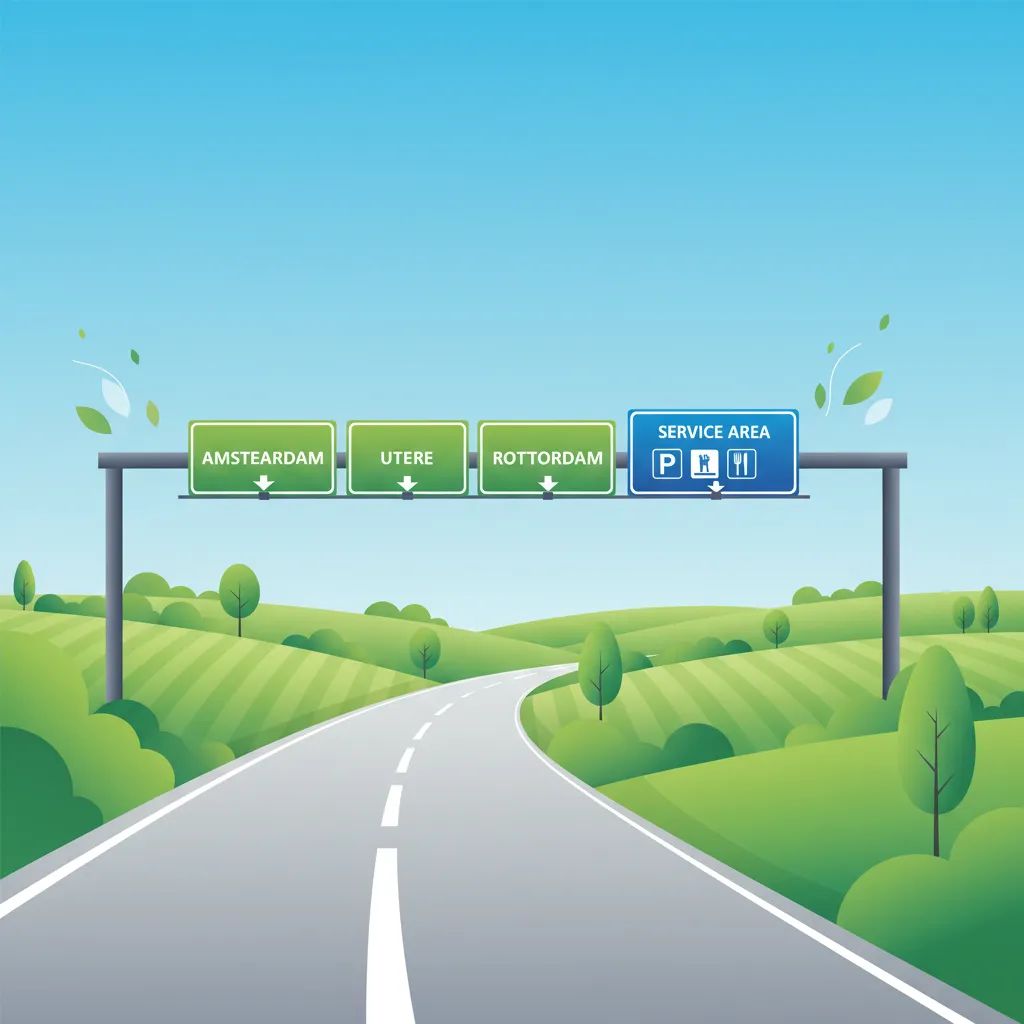
This lesson explains how to interpret informational signs that provide guidance and navigational aid. You will learn to read directional signs indicating cities and locations, understand route numbering on major roads, and recognize signs for services like fuel stations or parking areas. It also covers the signs that mark the beginning and end of a built-up area ('bebouwde kom'), which have important implications for speed limits and traffic rules.
This lesson examines the function and interpretation of variable message signs (VMS) and other digital displays that provide real-time traffic information on Dutch roads. It explains how these systems communicate dynamic speed limits, congestion alerts, lane closures, and diversion routes, and how motorcyclists must legally comply with these instructions. Understanding these 'matrixborden' is critical for adapting to changing road conditions and ensuring safety on motorways and in tunnels.

This lesson offers an in-depth study of Dutch regulatory signs, which impose mandatory actions or prohibitions on road users, with a specific focus on their impact on motorcyclists. It explains the visual language of prohibition symbols ('verbodsborden') and obligation symbols ('verplichtingsborden'), the contexts in which they appear, and the strict statutory consequences of non-compliance. Real-world examples are used to illustrate how these signs directly influence route planning, overtaking decisions, and speed management.
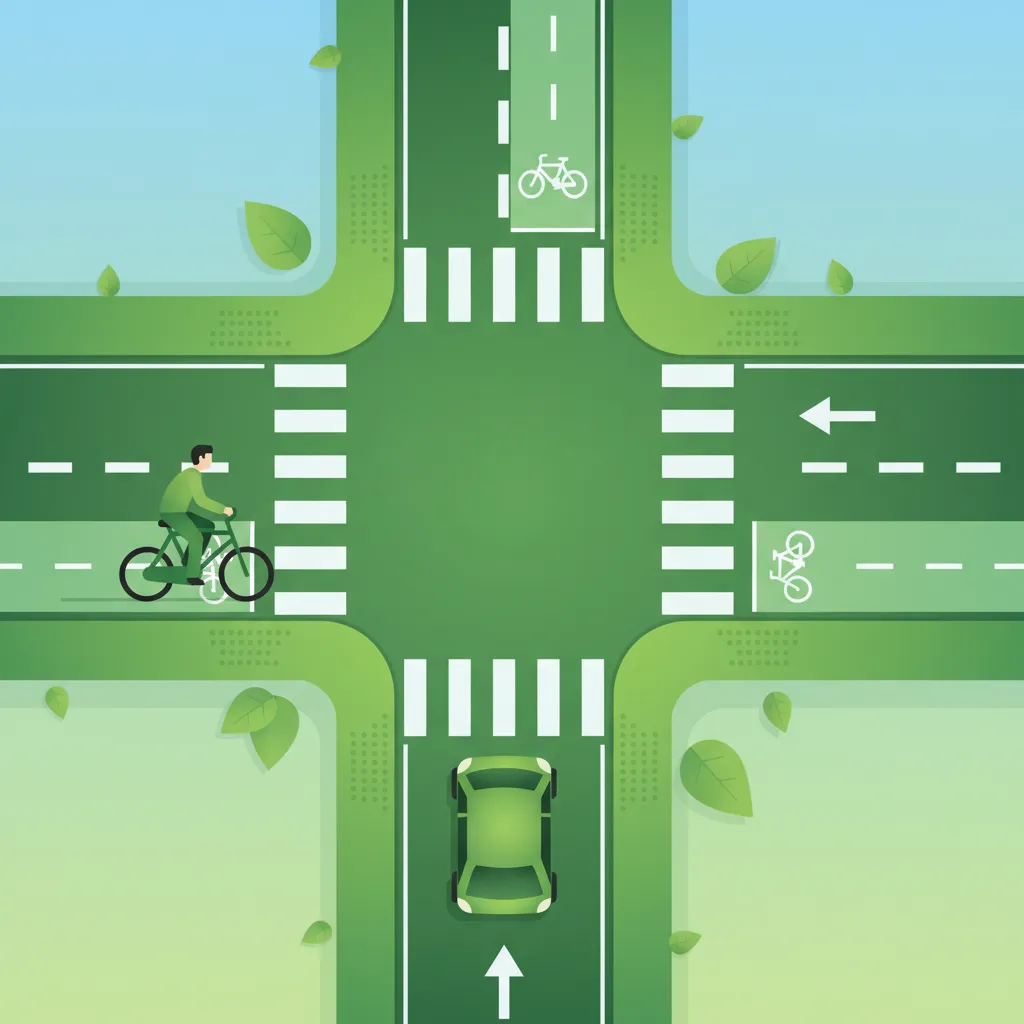
This lesson explores the legal meaning of various road surface markings, including solid and broken lane delimiters, directional arrows, and special-purpose lane indicators. It describes how markings dictate permitted maneuvers, such as overtaking and lane changes, and alert riders to upcoming hazards or changes in road layout. The content also examines the relationship between markings and road design in the Netherlands, emphasizing how a motorcyclist must interpret these visual cues for safe positioning.
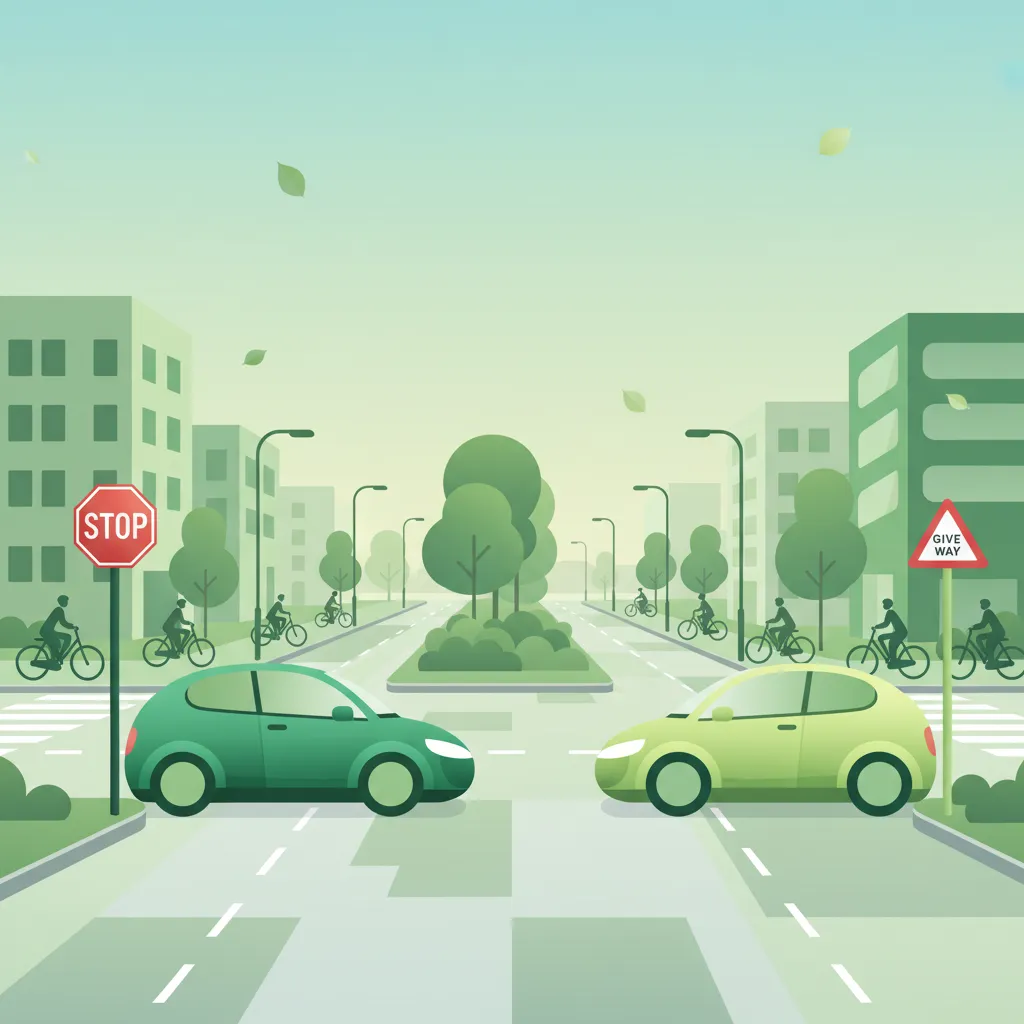
This lesson details the specific actions required at intersections controlled by 'Stop' and 'Give Way' signs. You will learn the legal requirement to come to a complete stop at a stop line (BORD 44) and the obligation to yield to all crossing traffic when encountering give-way markings ('haaientanden'). The content covers safe approach speeds and effective scanning techniques for motorcyclists to accurately assess gaps in traffic before proceeding.
Focuses on the specific hazards motorcyclists face in Dutch construction zones, including loose gravel, reduced visibility, uneven surfaces, and interacting with workers. Essential theory for safe navigation and CBR exam preparation.

This lesson transitions hazard perception skills to the high-speed environment of motorways and tunnels. It covers specific risks such as vehicles merging at different speeds, sudden braking and congestion ahead, road debris, and the aerodynamic effects of crosswinds and large trucks. The curriculum also addresses the challenges of riding in tunnels, including changes in light and surface conditions, and the importance of identifying emergency exits and procedures in case of an incident.
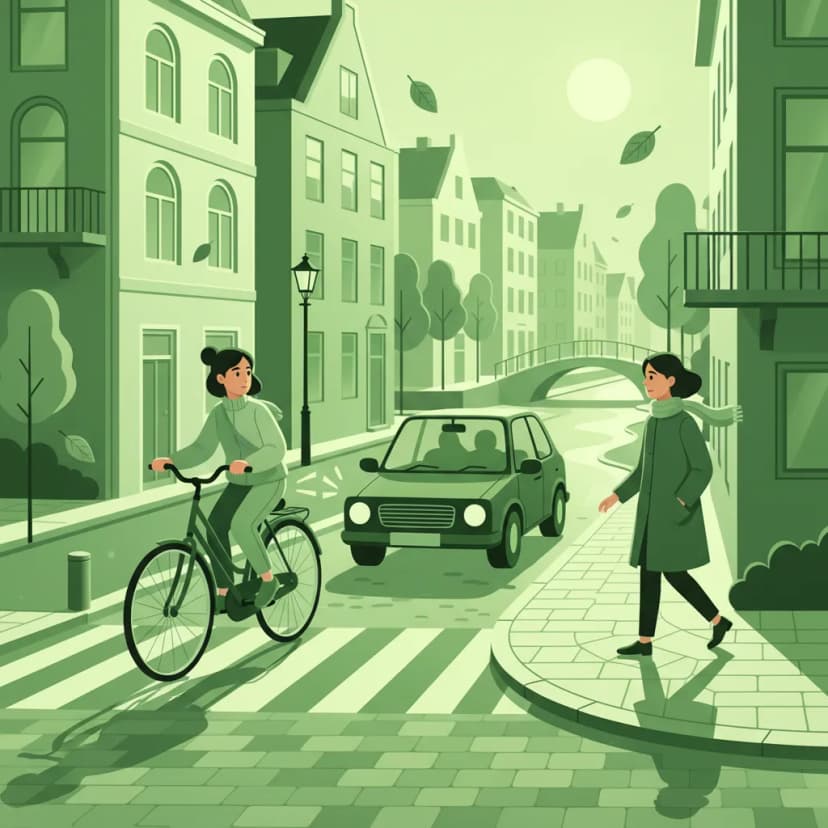
This lesson focuses on the unique and densely packed hazards found in urban traffic environments. It teaches riders to develop a systematic scanning pattern to identify potential risks from multiple sources simultaneously, such as pedestrians stepping off curbs, car doors opening unexpectedly, and buses pulling out. The content also emphasizes the importance of managing speed and always having an 'escape route' planned in case a hazard suddenly materializes in the complex city landscape.
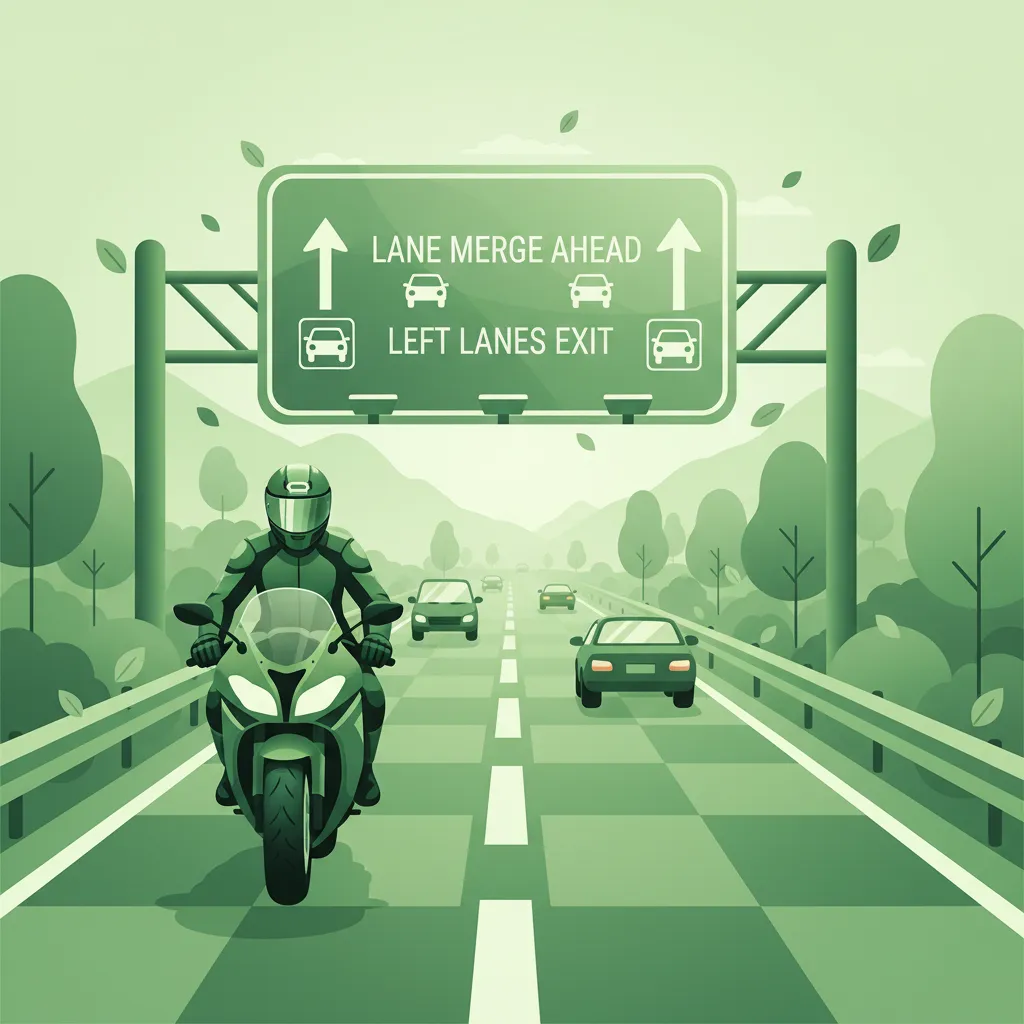
This lesson prepares you for the unique dangers of high-speed highway riding. You will learn to scan for and navigate road hazards like debris, potholes, and slippery steel expansion joints on bridges. The content also addresses the powerful air turbulence created by large trucks that can upset a motorcycle's stability and the mental challenge of maintaining focus on long, monotonous stretches of road.
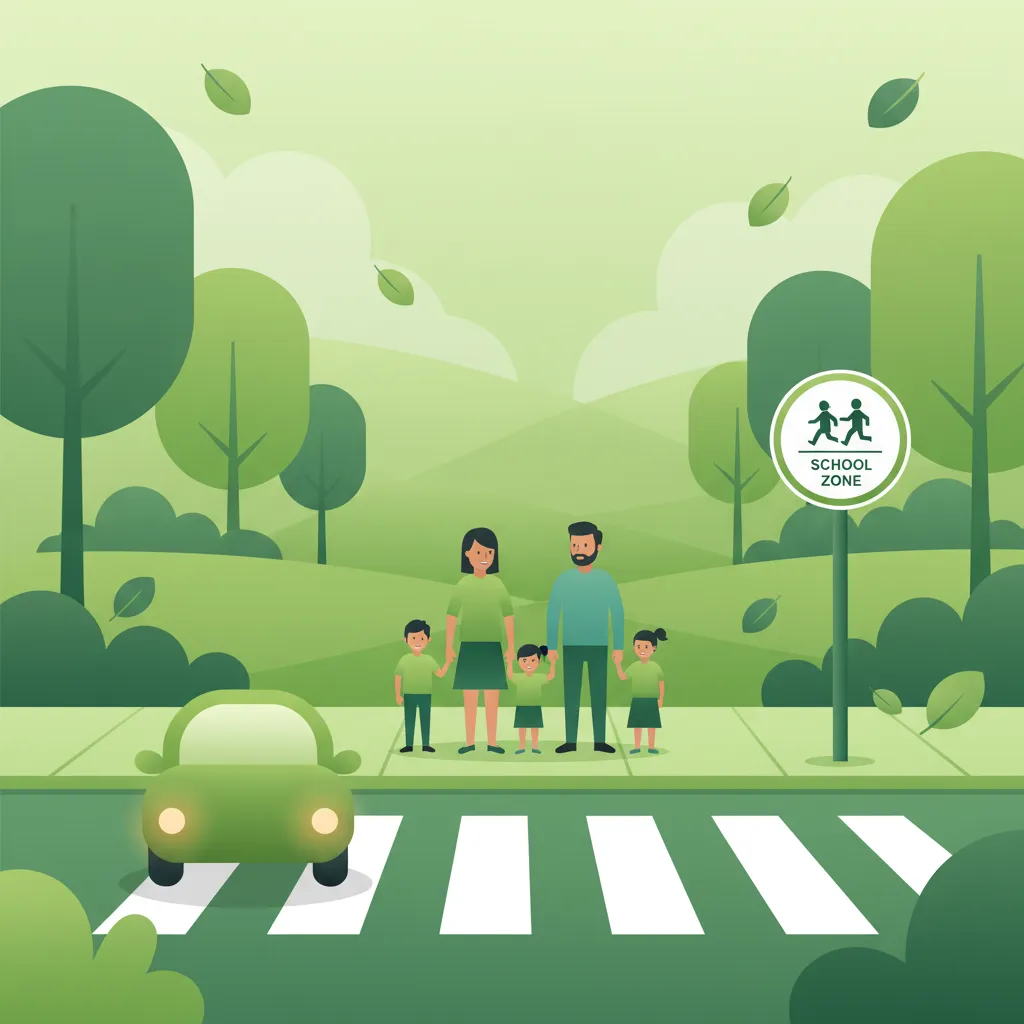
This lesson focuses on the legal requirements and safe practices for riding near pedestrian crossings ('zebrapaden') and designated school zones. It details the absolute obligation to yield to pedestrians on or about to use a crossing and the need for significantly reduced speeds and heightened vigilance in areas with children. The content underscores the importance of anticipation and being prepared for unpredictable movements from vulnerable road users to prevent serious incidents.
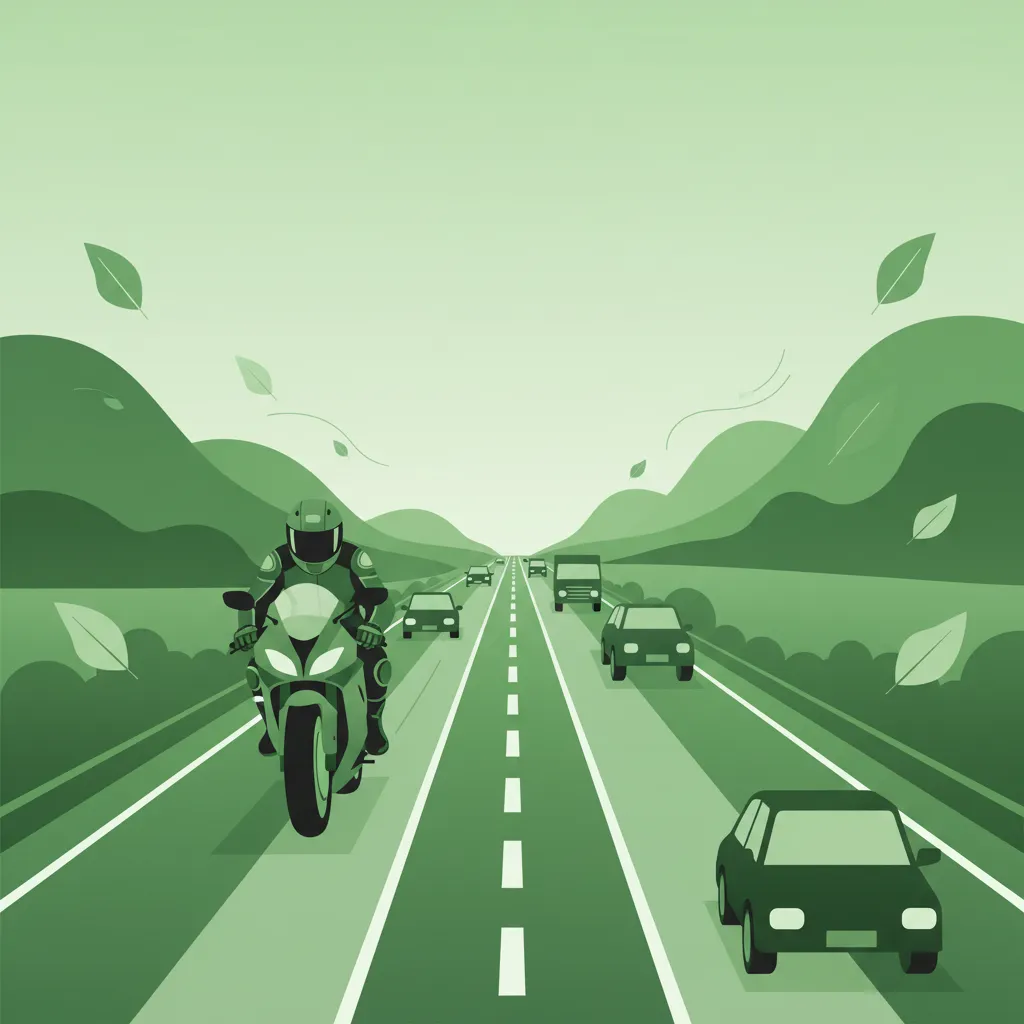
This lesson focuses on the unique demands of riding at sustained high speeds on motorways ('snelwegen'). It covers essential topics such as strict lane discipline, safe overtaking procedures, and maintaining a greater following distance to compensate for higher reaction and braking times. The content also addresses the physical and mental challenges, including managing wind blast, increased noise levels, and maintaining heightened situational awareness over long distances to combat fatigue.
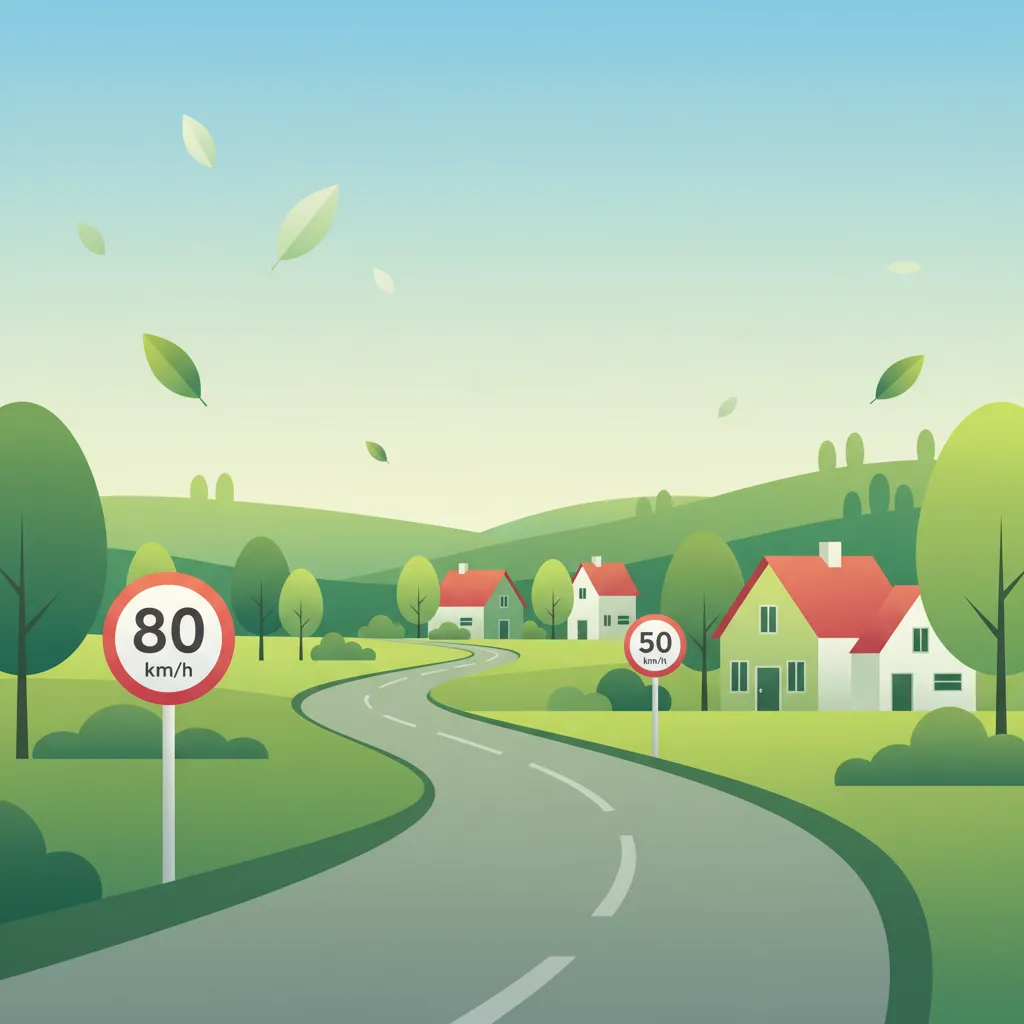
This lesson focuses on identifying different types of speed zones and understanding the rationale behind their limits. It explains how to recognize the start and end of a 'built-up area' ('binnen de bebouwde kom') via place-name signs and discusses special zones like 30 km/h zones and 'woonerven' (residential yards). The curriculum emphasizes adapting riding style to the specific hazards present in each type of zone, from high pedestrian activity in urban areas to unexpected curves on rural roads.
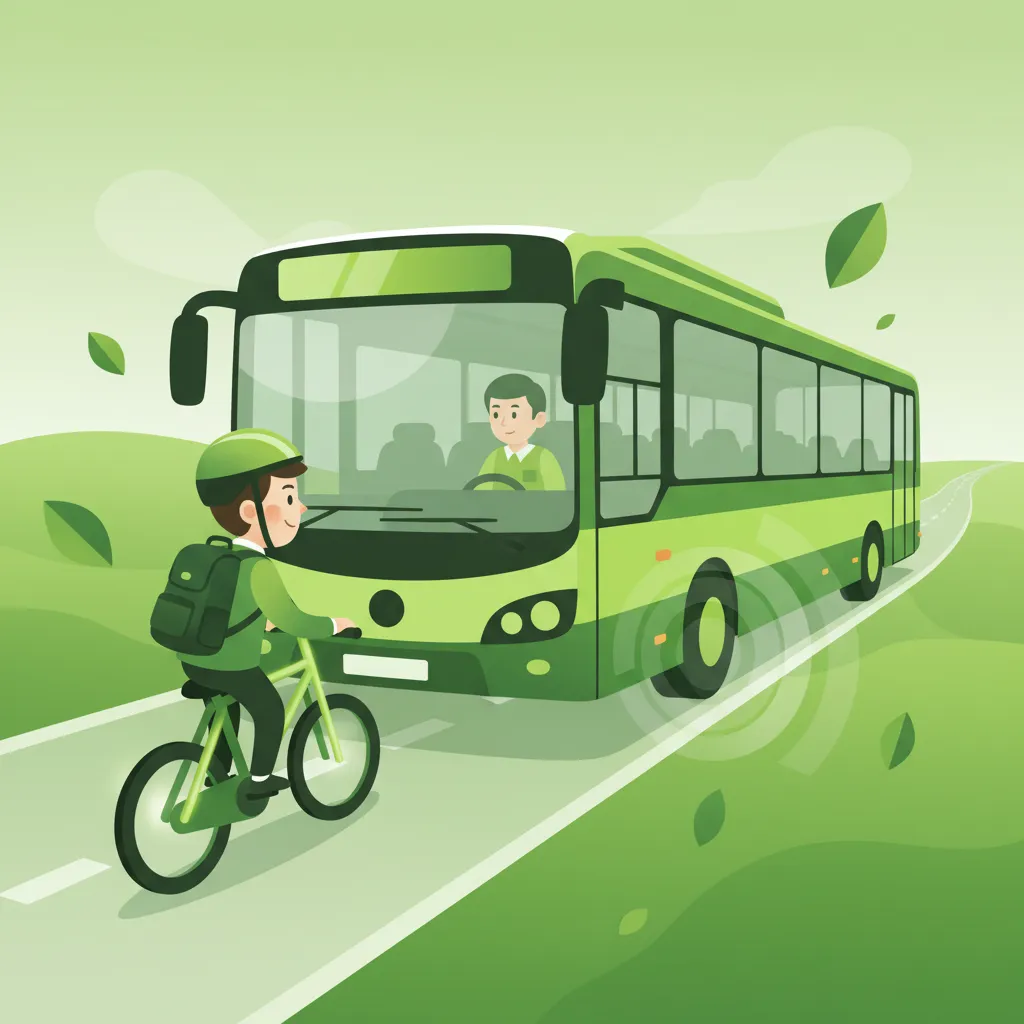
This lesson focuses on the specific hazards and techniques for safely sharing the road with heavy goods vehicles (HGVs) and buses. It provides a detailed explanation of their extensive blind spots ('dode hoek') and teaches riders where to position themselves to remain visible. The curriculum also covers how to manage the significant air turbulence created by these vehicles when overtaking and how to anticipate their wide turning circles at junctions and roundabouts.
This lesson details the interpretation of Dutch warning signs, which alert riders to potential dangers and changing road conditions. You will study signs indicating sharp curves, road narrowing (BORD 30), and temporary hazards like road works (BORD 36), learning to adjust speed and road position proactively. The content emphasizes how the A2 motorcycle's characteristics require earlier hazard recognition and response compared to other vehicles for maintaining control.
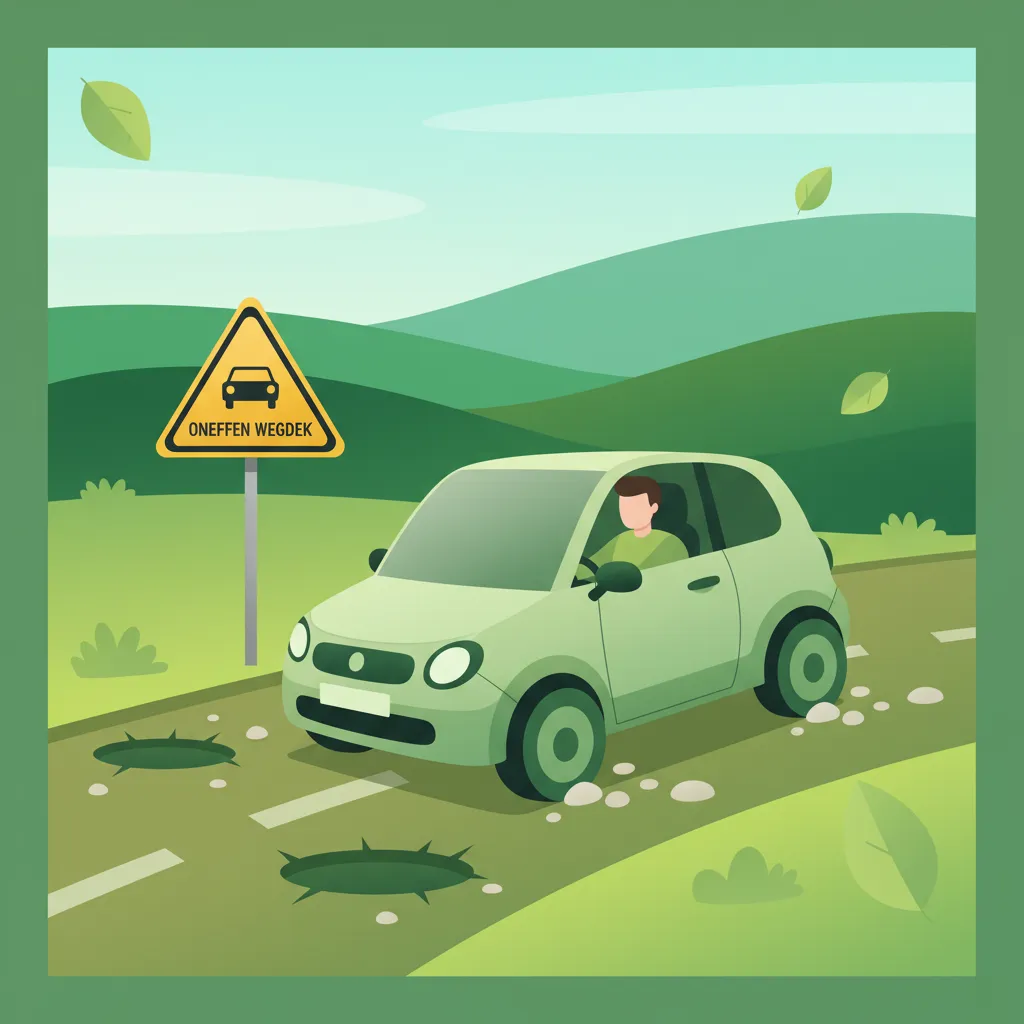
This lesson prepares you to deal with sudden changes in road surface that can cause a loss of traction. You will learn to scan for these hazards and, if they cannot be avoided, how to ride over them safely. The key technique is to keep the motorcycle upright and maintain smooth, steady control inputs—no abrupt braking, accelerating, or steering—to minimize the risk of a skid.
This lesson details the purpose and visual design of Dutch warning signs ('gevarendriehoeken') that alert riders to potential hazards ahead. It covers a wide range of scenarios, from road narrowing and dangerous curves to construction zones and the risk of falling rocks, emphasizing the need for early anticipation and speed adaptation. The content also explains how these warning signs integrate with other traffic information to help a rider form an accurate risk assessment and make safer decisions.
Find clear answers to common questions learners have about Temporary Signs and Construction Zones. Learn how the lesson is structured, which driving theory objectives it supports, and how it fits into the overall learning path of units and curriculum progression in the Netherlands. These explanations help you understand key concepts, lesson flow, and exam focused study goals.
Temporary orange signs in the Netherlands are used to alert drivers and riders to temporary situations, such as roadworks, diversions, or accidents. They often indicate changes in road layout, reduced speed limits, or specific instructions related to the temporary condition. It's crucial to pay close attention to these signs as they supersede permanent signs in their immediate vicinity.
Detour signs indicate that your normal route is blocked and you should follow the specified diversion. On a motorcycle, ensure you observe the detour signs carefully, position yourself correctly in the lane to follow the indicated path, and be aware of potential changes in road surface or traffic flow associated with the diversion. Maintain a safe speed suitable for the temporary conditions.
Yes, speed limits are almost always reduced in construction zones. Temporary signs will clearly indicate the new, lower speed limit that must be obeyed. These reductions are for your safety and the safety of road workers, as conditions in these areas can be unpredictable and hazardous. Always adhere strictly to the posted temporary speed limits.
Common hazards in construction zones include loose gravel or sand on the road surface, uneven pavement, unexpected obstacles, sudden lane changes, narrow lanes, and the presence of workers or machinery close to the roadway. Motorcyclists should reduce speed, increase following distance, and maintain a high level of vigilance.
Yes, in the Netherlands, temporary traffic signs, especially those with an orange background, take precedence over permanent signs. When you encounter temporary signage indicating a change in rules, speed, or route, you must follow the instructions on the temporary signs. This is a key point tested in the CBR theory exam.