
Welcome to this lesson on equal-priority intersections, a common scenario in Dutch urban and residential areas. Understanding who has the right-of-way when no signs are present is crucial for safe motorcycle riding and passing your A2 theory exam. This lesson builds upon general priority rules to focus on these specific, often tricky, situations.
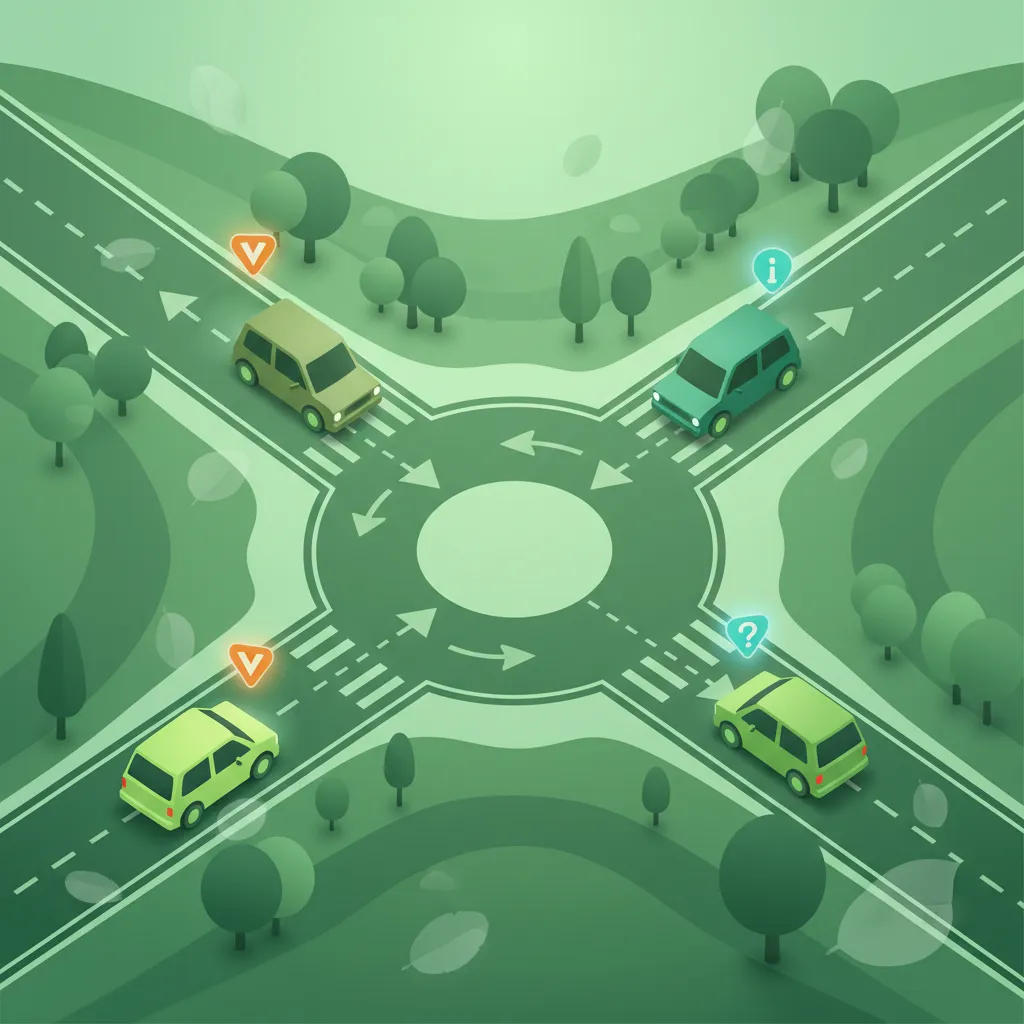
Welcome to this essential lesson, part of your Complete CBR Theory Course for the Dutch Motorcycle License (Category A2). Navigating intersections is a fundamental skill, and equal-priority intersections—those without traffic signs, signals, or road markings dictating right-of-way—present a unique challenge. Mastery of these junctions is crucial for safe motorcycling, particularly in the residential and urban areas common across the Netherlands.
This lesson delves into the theory and practical decision-making required to safely manage these uncontrolled intersections. We will focus on the fundamental Dutch traffic rule of giving priority to all drivers approaching from your right (rechts voor), developing advanced observational skills, and clear communication techniques. By understanding and consistently applying these principles, you will significantly reduce conflict points and enhance your safety on Dutch roads.
An equal-priority intersection, often referred to as an uncontrolled junction, is a crossroads where no specific traffic control devices are present. This means you won't find stop signs, give-way signs, traffic lights, or road markings (like shark teeth or priority diamonds) that would normally dictate which road user has the right-of-way. The absence of these cues places the full responsibility on individual road users, including motorcyclists, to determine and apply the correct priority rules based on their relative positions.
These intersections are particularly common in residential neighborhoods, rural roads, and older urban grids in the Netherlands. They are a frequent source of collisions because the lack of explicit control requires heightened awareness and consistent application of the primary right-of-way rule. Correctly interpreting and acting upon the rechts voor principle is paramount to ensuring safe passage through these common road features.
The cornerstone of navigating equal-priority intersections in the Netherlands is the rechts voor rule, which translates directly to "right-hand priority." This is a legally binding principle that applies universally to all vehicle types, including motorcycles, unless superseded by signs or signals.
The legal principle in Dutch traffic law that grants priority to vehicles approaching from a driver's right at an uncontrolled intersection. This rule applies when no traffic signs, signals, or road markings indicate otherwise.
When you approach an equal-priority intersection on your motorcycle, your first mental check must always be for traffic coming from your right. If a vehicle, regardless of its size or type, is approaching from your right, they have the legal right-of-way, and you must yield to them. This simple rule prevents deadlock and ensures a predictable flow of traffic.
For example, if you are approaching an intersection from the north and another motorcycle or car is approaching from the east, the vehicle from the east is on your right. Therefore, you must yield. This rule applies equally to all motorized vehicles, bicycles, and even pedestrians who are treated as vehicles in this context if they are on your right.
Common Misunderstanding: Never assume that larger vehicles (like cars or trucks) automatically have priority over motorcycles, or that arriving first grants you priority. The rechts voor rule applies equally to all, based solely on relative approach direction. "First-come, first-served" does not apply at uncontrolled intersections.
The rechts voor rule is enshrined in Dutch traffic law under Article 28 of the Reglement verkeersregels en verkeerstekens 1990 (RVV 1990). This article explicitly states that at an uncontrolled intersection, the vehicle coming from the right has priority.
This legal foundation provides a clear, enforceable standard, promoting predictability and accountability for all road users. Understanding this fundamental rule is non-negotiable for passing your CBR theory exam and for safe riding.
Safe navigation of any intersection, especially an uncontrolled one, hinges on exceptional observation skills. As a motorcyclist, your smaller profile makes early detection and clear communication even more critical. The concept of an "Observation Horizon" defines the area you must visually scan to identify potential conflicts.
The distance and angle a rider must scan ahead and to the sides to identify potential conflicts at an intersection. This horizon should typically extend at least 150 metres for speeds up to 50 km/h, adjusted for higher speeds or adverse conditions.
Riders must continuously scan left, right, and directly ahead as they approach an intersection. This isn't just a quick glance; it requires extending your gaze beyond the immediate stop line and into the intersecting streets. This early detection provides sufficient time to make safe decisions, whether that means yielding or proceeding.
There are two key types of observation horizons:
RVV 1990 Article 23.7 mandates that drivers must maintain a clear view of the road and must not conceal their vehicle from other road users. This legal obligation directly supports the need for a wide observation horizon. By actively scanning, you ensure you detect priority vehicles, and by positioning yourself correctly, you help others see you.
Motorcycle-Specific Tip: Due to your smaller size, other drivers may overlook you. Consciously extend your scan, use head turns, and be prepared for others not to see you, especially from the side roads. Never assume you've been seen.
Once you've identified a priority vehicle using your observation horizon, the next step is to execute a smooth and safe yield. This involves precise "Yield Timing" and ensuring you maintain a "Safe Entry Speed."
Yield timing refers to the precise moment you begin to reduce speed or halt your motorcycle, based on the observed distance and speed of the priority vehicle.
"Safe Entry Speed" is the maximum speed at which you can approach and enter an equal-priority intersection while retaining the ability to stop safely within your visible distance, should a priority vehicle appear unexpectedly.
The maximum speed at which a rider can enter an equal-priority intersection while retaining the ability to stop within the visible distance of any approaching priority vehicle. It is calculated from a rider's perception-reaction time plus the motorcycle's braking distance.
RVV 1990 Article 23 mandates that drivers must drive at a speed that enables them to stop safely within the distance they can see to be clear. This is especially critical at uncontrolled intersections where hidden dangers might exist.
The stopping distance is a combination of:
Physics of Braking: On a dry road, a motorcycle traveling at 50 km/h might have a stopping distance of roughly 45 metres. On wet asphalt, the friction coefficient reduces (e.g., from ≈0.7 to ≈0.5), which can increase your braking distance by approximately 30%. Always adjust your speed for conditions.
Therefore, your observation horizon must always be at least as long as your total stopping distance under current conditions. Never assume the posted speed limit automatically guarantees safe entry; always adjust for actual visibility, road surface, and potential hazards.
Clear communication is vital for reducing uncertainty and preventing conflicts, particularly for motorcyclists who can be less visible. At equal-priority intersections, communication isn't just about using indicators; it also involves non-verbal cues.
Making direct eye contact with other road users, especially drivers approaching from your right, is a simple yet powerful way to communicate your awareness. It confirms that you have seen them and understand their priority, and it allows you to gauge whether they have seen you. A slight nod or a confident posture can further reinforce your intention to yield or proceed.
While vehicle indicators are primary, hand signals can be a useful supplementary tool for motorcyclists, particularly at low speeds or when stopped. For instance, raising your left arm with an open palm can signal to another driver that you are yielding.
RVV 1990 Article 35 regulates hand signals, permitting their use to indicate turning or stopping intentions, provided they do not endanger other road users or obscure your view. It is crucial to limit hand signals to low speeds or complete stops, as removing a hand from the handlebars at higher speeds can compromise control.
Your position within your lane can also subtly communicate your intent. A slight offset or a clear, steady approach indicates your path and intent. Always maintain lane discipline while yielding; riding outside lane bounds can confuse other traffic and create new conflict points.
Safe decision-making at equal-priority intersections is not static; it constantly adapts to various conditions. As a Category A2 motorcyclist, you must be proficient in adjusting your approach based on environmental, road, and interaction factors.
EU Directive 2008/51/EC (Category A2) mandates specific lighting and braking system standards for motorcycles up to 35 kW. Always ensure your motorcycle's systems are in optimal condition to meet these safety requirements, especially for visibility at intersections.
Understanding the rules is one thing; consistently applying them in dynamic situations is another. Many common violations at equal-priority intersections stem from misinterpretation or lapses in attention.
Let's illustrate these principles with some practical scenarios.
Situation: You (Motorcyclist A) are approaching an equal-priority intersection on a clear, dry day. From your right (Vehicle B), a car is also approaching. Decision-Making: Since Car B is on your right, the rechts voor rule applies. You must yield. Correct Action: As you identify Car B, begin a smooth, early deceleration. Make eye contact with the driver of Car B if possible, confirming they see you yielding. Stop before the intersection line, allow Car B to pass, then proceed safely. Outcome: Smooth traffic flow, legal compliance, maintained motorcycle stability.
Situation: You (Motorcyclist C) are approaching an uncontrolled junction on a wet evening. From your right, a cyclist (Cyclist D) is approaching. Decision-Making: The rechts voor rule applies to cyclists as vehicles. The wet road surface demands reduced speed and increased braking distance. Correct Action: Reduce your speed significantly, perhaps by 20-30% below your normal dry-road approach speed, due to the wet conditions. Scan widely, spot the cyclist early. Yield to Cyclist D, perhaps using a brief hand signal to confirm your intention to stop, then proceed once clear. Outcome: Prevents collision with a vulnerable road user, adapts to adverse conditions.
Situation: You (Motorcyclist E) are riding on a rural road at night, approaching a blind, uncontrolled intersection. A large truck (Truck F) is approaching from your right, initially unseen due to a blind corner. Decision-Making: Rechts voor applies, but the lack of visibility at night and the blind corner require a vastly reduced safe entry speed and enhanced observation. Correct Action: Before reaching the intersection, reduce your speed substantially (e.g., to 20-30 km/h). Use your high-beam flash intermittently to increase your visibility and potentially illuminate the intersecting road. Edge forward slowly, performing a head-turn "look-around" to check for traffic from the right as your view opens up. Once Truck F is identified, yield and wait for it to clear, remembering that large vehicles take longer to accelerate and maneuver. Outcome: Avoids collision with an unseen priority vehicle, respects environmental limitations, ensures safety.
Understanding equal-priority intersections is not an isolated skill. It builds upon foundational knowledge and sets the stage for advanced riding techniques.
This lesson requires an understanding of:
This lesson prepares you for:
Successfully navigating equal-priority intersections on a Category A2 motorcycle demands a systematic approach and unwavering vigilance.
By consistently applying these principles, you will not only comply with Dutch traffic law but also significantly enhance your safety and confidence as a motorcyclist at every equal-priority intersection.
Lesson content overview
Explore all units and lessons included in this driving theory course.
Explore search topics learners often look for when studying Equal-Priority Intersections and Advanced Decision-Making. These topics reflect common questions about road rules, driving situations, safety guidance, and lesson level theory preparation for learners in the Netherlands.
Browse additional driving theory lessons that cover connected traffic rules, road signs, and common driving situations related to this topic. Improve your understanding of how different rules interact across everyday traffic scenarios.
Learn to avoid frequent mistakes made at uncontrolled intersections in the Netherlands. This lesson details common driver errors and explains how to prevent them for safer motorcycle navigation and passing your CBR theory exam.
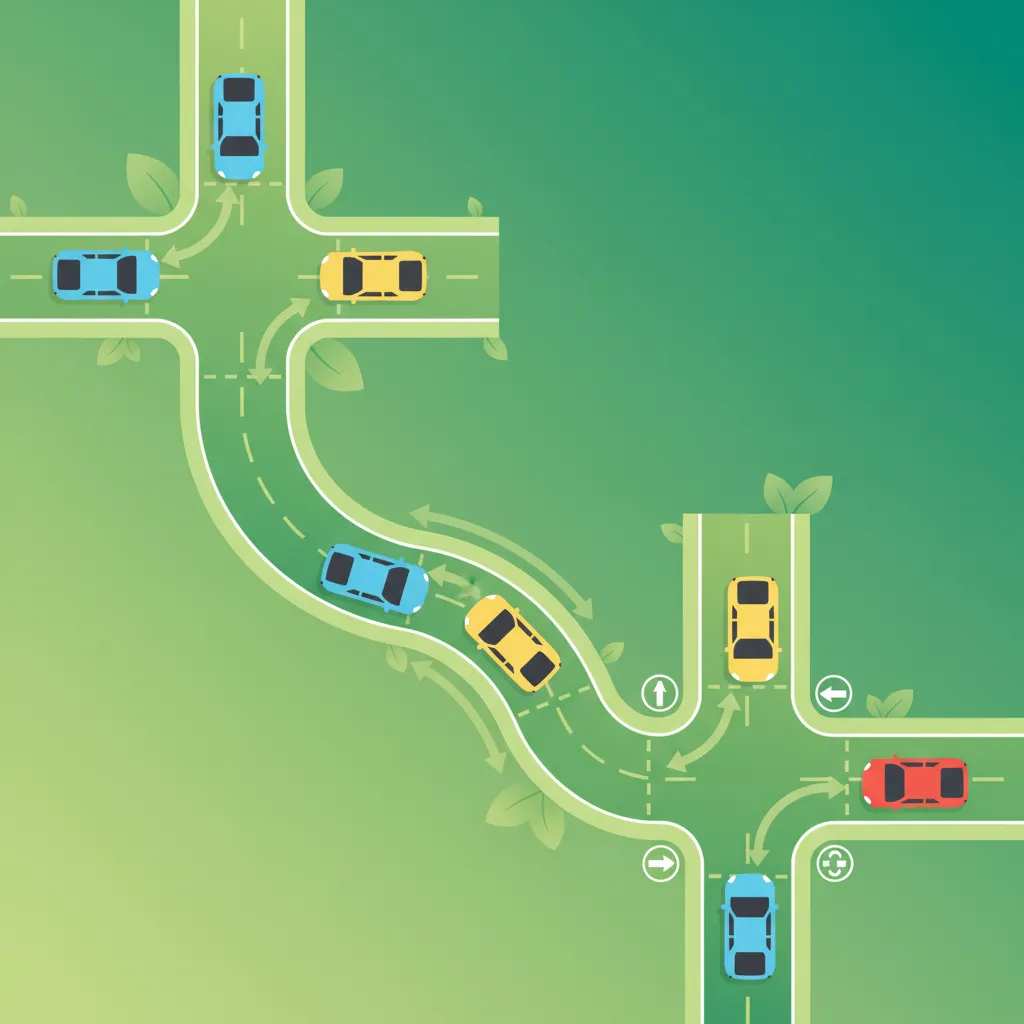
This lesson analyzes the specific challenges and priority rules associated with various common junction layouts, including T-junctions, Y-junctions, and standard crossroads. It explains how the geometry of each type of intersection influences sightlines, vehicle positioning, and the application of right-of-way rules. Riders will learn systematic approaches for assessing these junctions, positioning their motorcycle correctly for the intended maneuver, and executing turns safely and efficiently.
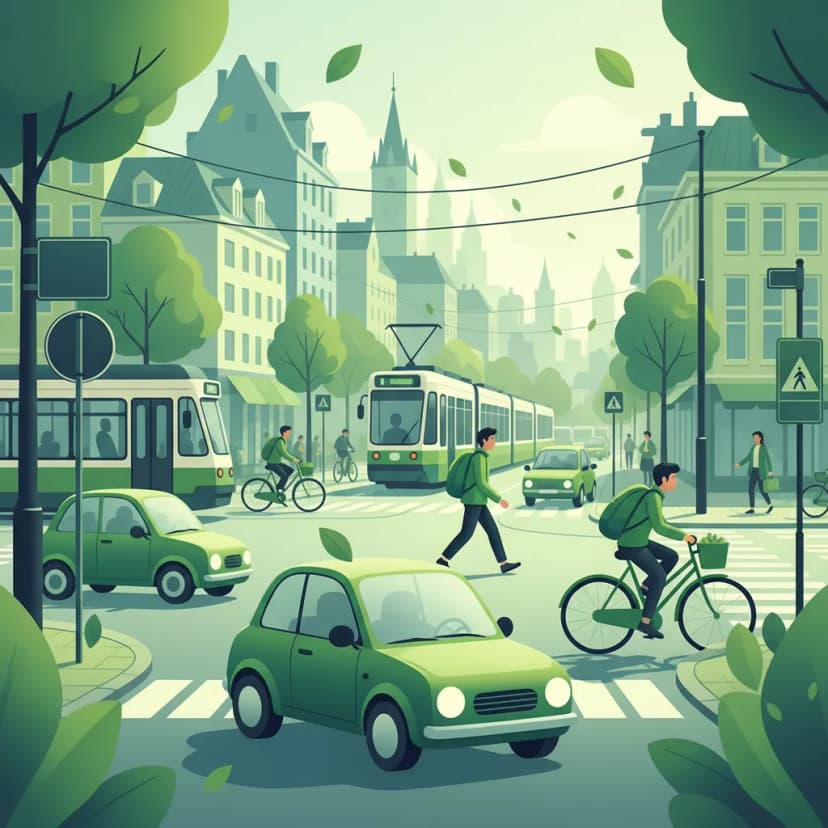
This lesson establishes the foundational rule of priority in Dutch traffic law: yielding to traffic from the right at intersections of equal roads unless otherwise indicated. It explains how to identify an unmarked or 'equal' junction and the correct procedure for approaching, assessing, and proceeding safely. The content also introduces the primary signs and markings, such as 'shark's teeth,' that override this default rule, forming the basis for all other priority scenarios.
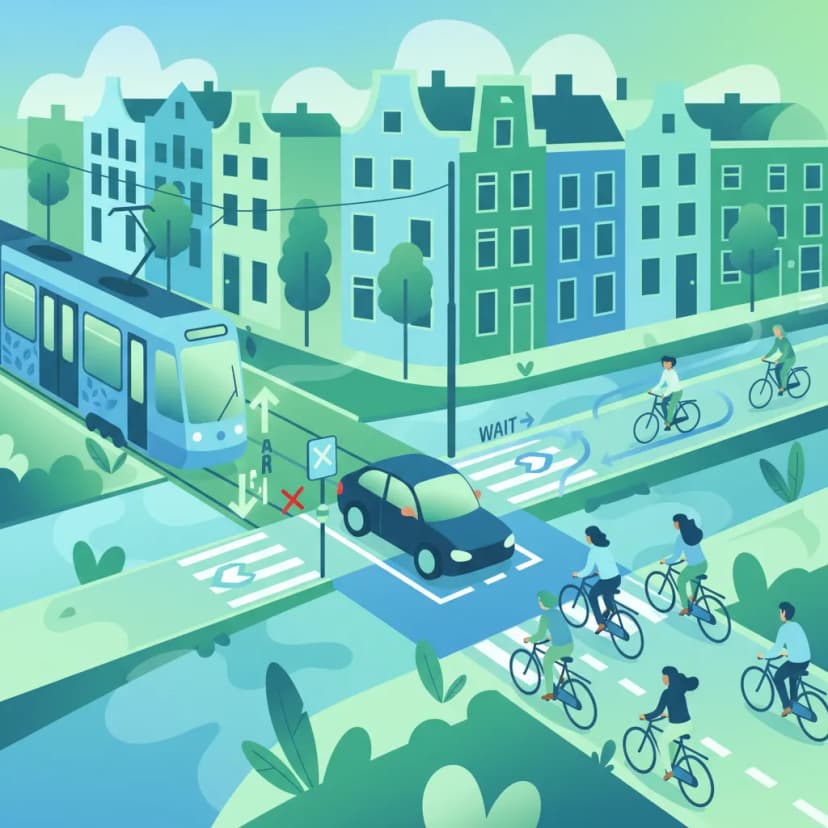
This lesson breaks down the rules of priority at intersections. You will learn to identify an 'equal' intersection where the default rule of giving way to traffic from the right applies. It also explains how priority is regulated by signs (such as the B6 Stop sign and B7 priority road sign) and road markings ('shark's teeth'). Understanding these hierarchies is crucial for making safe and correct decisions when crossing or turning at any junction.
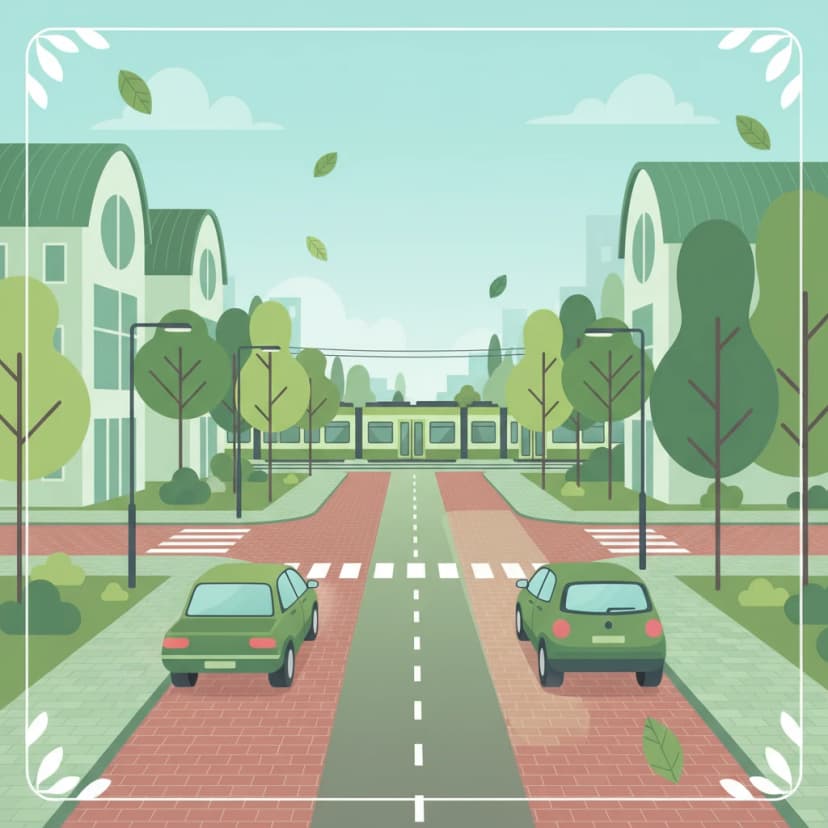
This lesson explains the foundational 'priority to the right' rule, which applies at intersections of equal roads where no other signs or markings dictate priority. You will learn to identify such junctions and understand your obligation to yield to traffic approaching from your right side. The lesson also clarifies important exceptions, such as when exiting a driveway, entering a paved road from an unpaved one, or when encountering a tram. Mastering this rule is crucial for navigating residential areas and city streets where signage is often minimal.
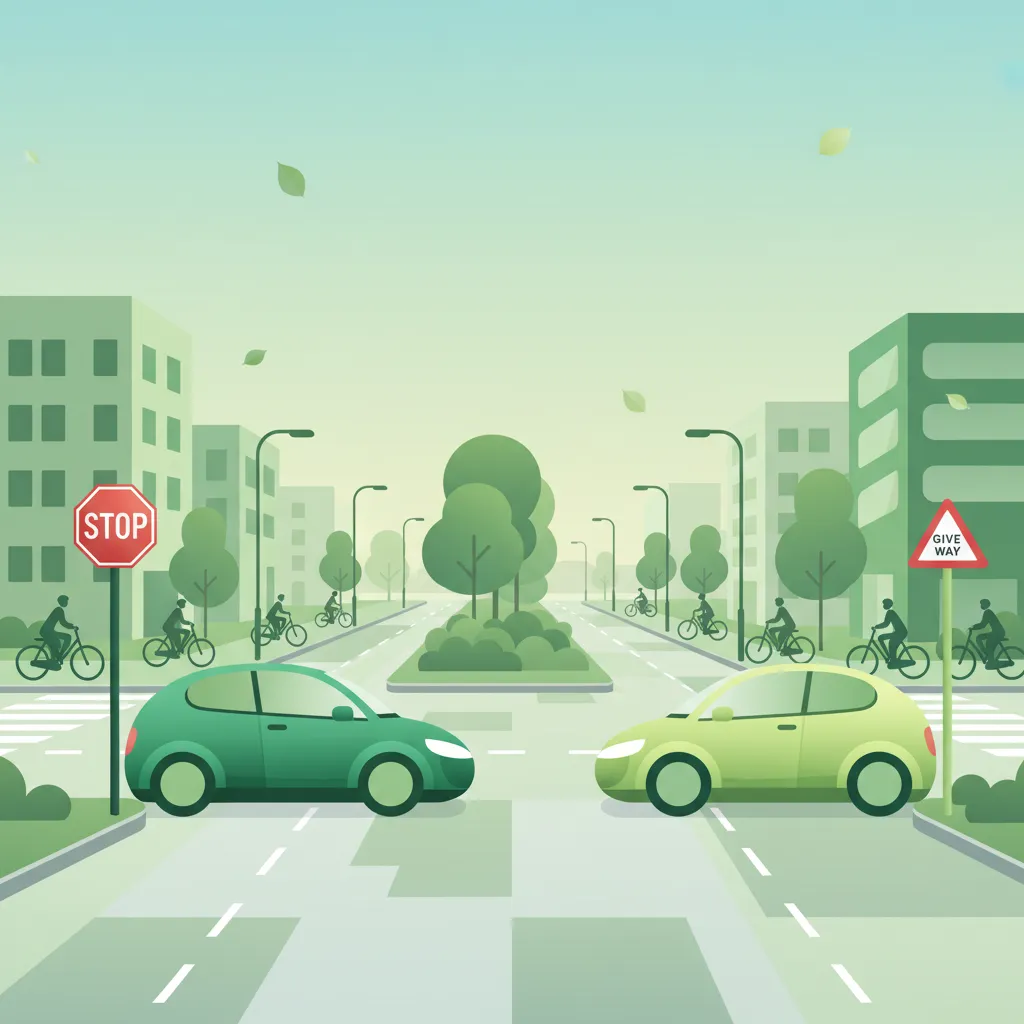
This lesson details the specific actions required at intersections controlled by 'Stop' and 'Give Way' signs. You will learn the legal requirement to come to a complete stop at a stop line (BORD 44) and the obligation to yield to all crossing traffic when encountering give-way markings ('haaientanden'). The content covers safe approach speeds and effective scanning techniques for motorcyclists to accurately assess gaps in traffic before proceeding.
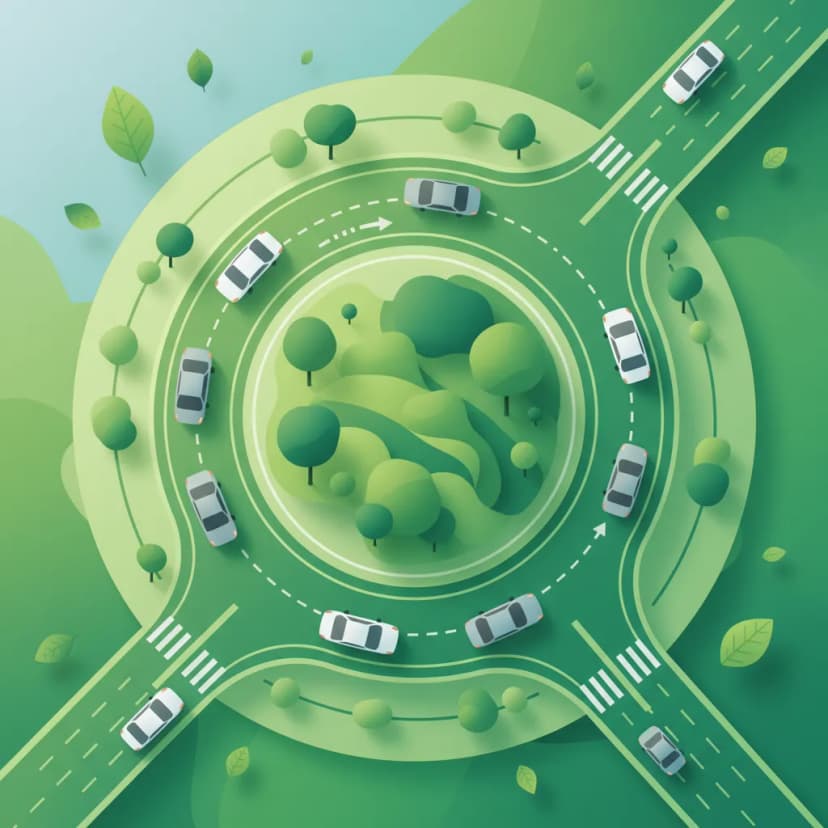
This lesson focuses on the rules and techniques for safely navigating Dutch roundabouts, a common feature of the road network. You will learn that traffic circulating on the roundabout typically has priority and that you must yield before entering. The content covers correct lane selection for your intended exit, proper use of turn signals, and maintaining awareness of cyclists who may have priority on adjacent paths.
This lesson introduces the foundational principles of right-of-way in the Netherlands, starting with the road user hierarchy and the default rule of giving priority to traffic from the right at equal intersections. You will learn to identify a priority road, marked by sign BORD 30, and understand how this designation overrides the default rule. The content establishes the legal framework for making priority decisions in the absence of specific signs or signals.

This lesson provides a detailed framework for how motorcyclists must safely and legally interact with diverse road users, including cars, trucks, cyclists, and pedestrians. It covers the required communication signals, anticipatory behaviors, and specific positioning techniques necessary to coexist in complex traffic environments like urban centers and shared spaces. Emphasis is placed on legal expectations and practical methods that actively reduce collision risk and promote smooth traffic flow.
This lesson explains the critical rules of priority involving pedestrians and cyclists to ensure the safety of vulnerable road users. You will learn the absolute requirement to stop for pedestrians on or waiting to use a 'zebrapad' (zebra crossing). The content also covers situations where you must yield to cyclists crossing your path, such as when turning across a dedicated bicycle lane (fietspad).
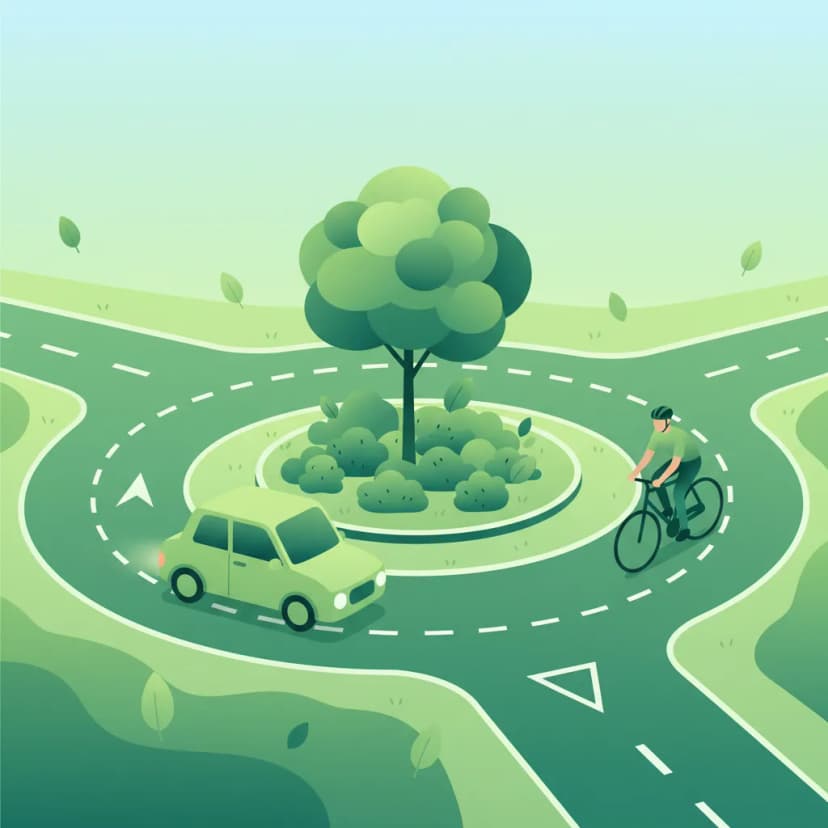
This lesson delves into the hierarchy of priority rules on Dutch roads, clarifying who has the right-of-way in various intersection scenarios. It explains the meaning of signs like 'voorrangsweg' and road markings such as shark's teeth ('haaientanden'). Special attention is given to the correct procedure for entering, navigating, and exiting roundabouts on a motorcycle, including proper signaling and lane choice to ensure safe and efficient passage.
Explore detailed scenarios of navigating uncontrolled intersections on a motorcycle in the Netherlands. This lesson focuses on advanced decision-making and applying priority rules like 'rechts voor' in various complex traffic situations.
This lesson breaks down the rules of priority at intersections. You will learn to identify an 'equal' intersection where the default rule of giving way to traffic from the right applies. It also explains how priority is regulated by signs (such as the B6 Stop sign and B7 priority road sign) and road markings ('shark's teeth'). Understanding these hierarchies is crucial for making safe and correct decisions when crossing or turning at any junction.
This lesson details the specific actions required at intersections controlled by 'Stop' and 'Give Way' signs. You will learn the legal requirement to come to a complete stop at a stop line (BORD 44) and the obligation to yield to all crossing traffic when encountering give-way markings ('haaientanden'). The content covers safe approach speeds and effective scanning techniques for motorcyclists to accurately assess gaps in traffic before proceeding.
This lesson focuses on the rules and techniques for safely navigating Dutch roundabouts, a common feature of the road network. You will learn that traffic circulating on the roundabout typically has priority and that you must yield before entering. The content covers correct lane selection for your intended exit, proper use of turn signals, and maintaining awareness of cyclists who may have priority on adjacent paths.
This lesson delves into the hierarchy of priority rules on Dutch roads, clarifying who has the right-of-way in various intersection scenarios. It explains the meaning of signs like 'voorrangsweg' and road markings such as shark's teeth ('haaientanden'). Special attention is given to the correct procedure for entering, navigating, and exiting roundabouts on a motorcycle, including proper signaling and lane choice to ensure safe and efficient passage.
This lesson introduces the foundational principles of right-of-way in the Netherlands, starting with the road user hierarchy and the default rule of giving priority to traffic from the right at equal intersections. You will learn to identify a priority road, marked by sign BORD 30, and understand how this designation overrides the default rule. The content establishes the legal framework for making priority decisions in the absence of specific signs or signals.
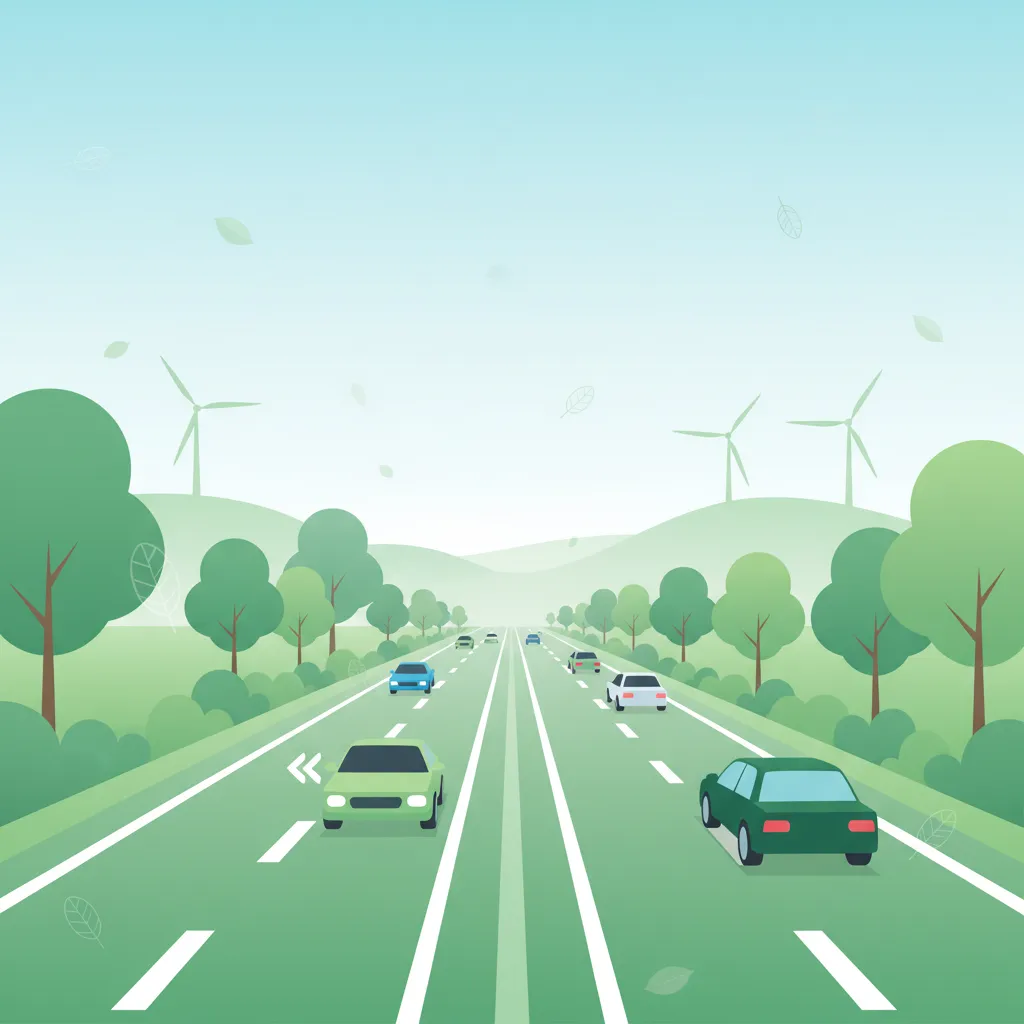
This lesson reinforces the fundamental rule of Dutch highway driving: use the rightmost lane available and use the lanes to the left only for overtaking. You will learn the complete, safe overtaking procedure: check mirrors, signal, perform a shoulder check for the blind spot, smoothly move over, accelerate past the vehicle, and then return to the right lane when safe.
This lesson explains the critical rules of priority involving pedestrians and cyclists to ensure the safety of vulnerable road users. You will learn the absolute requirement to stop for pedestrians on or waiting to use a 'zebrapad' (zebra crossing). The content also covers situations where you must yield to cyclists crossing your path, such as when turning across a dedicated bicycle lane (fietspad).
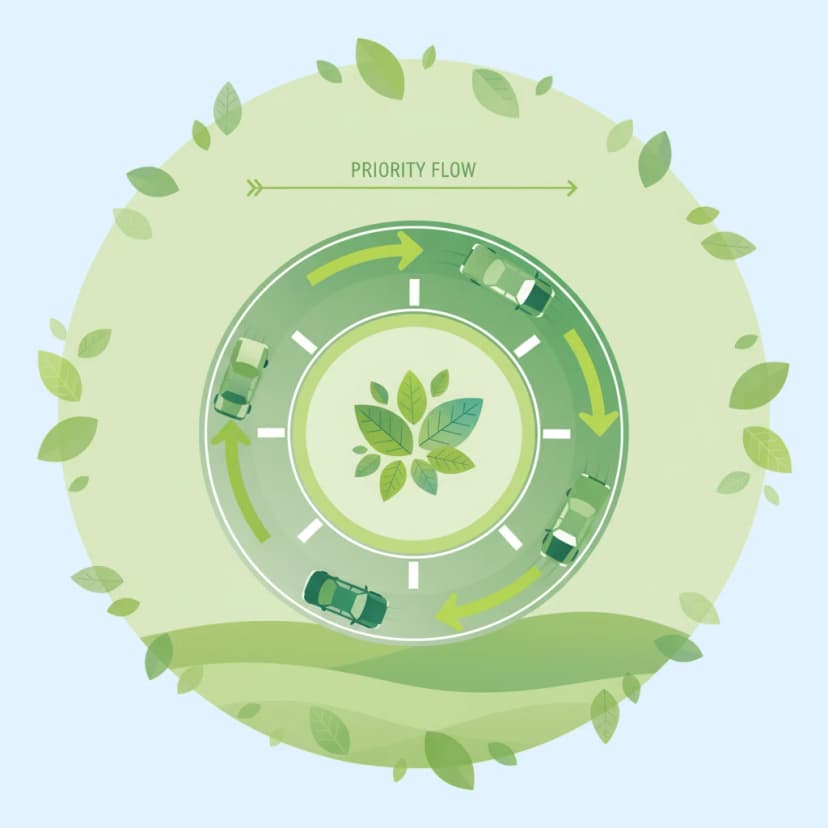
This lesson provides a detailed guide to navigating roundabouts (rotondes) in the Netherlands. You will learn the primary rule: drivers approaching a roundabout must yield to traffic already circulating on it, which is typically indicated by yield signs (B5) and shark teeth. The curriculum also covers the correct use of turn signals when entering and exiting, rules for multi-lane roundabouts, and special considerations for the priority of cyclists who may have a dedicated path around the roundabout. Correct roundabout etiquette is key to maintaining traffic flow and safety.
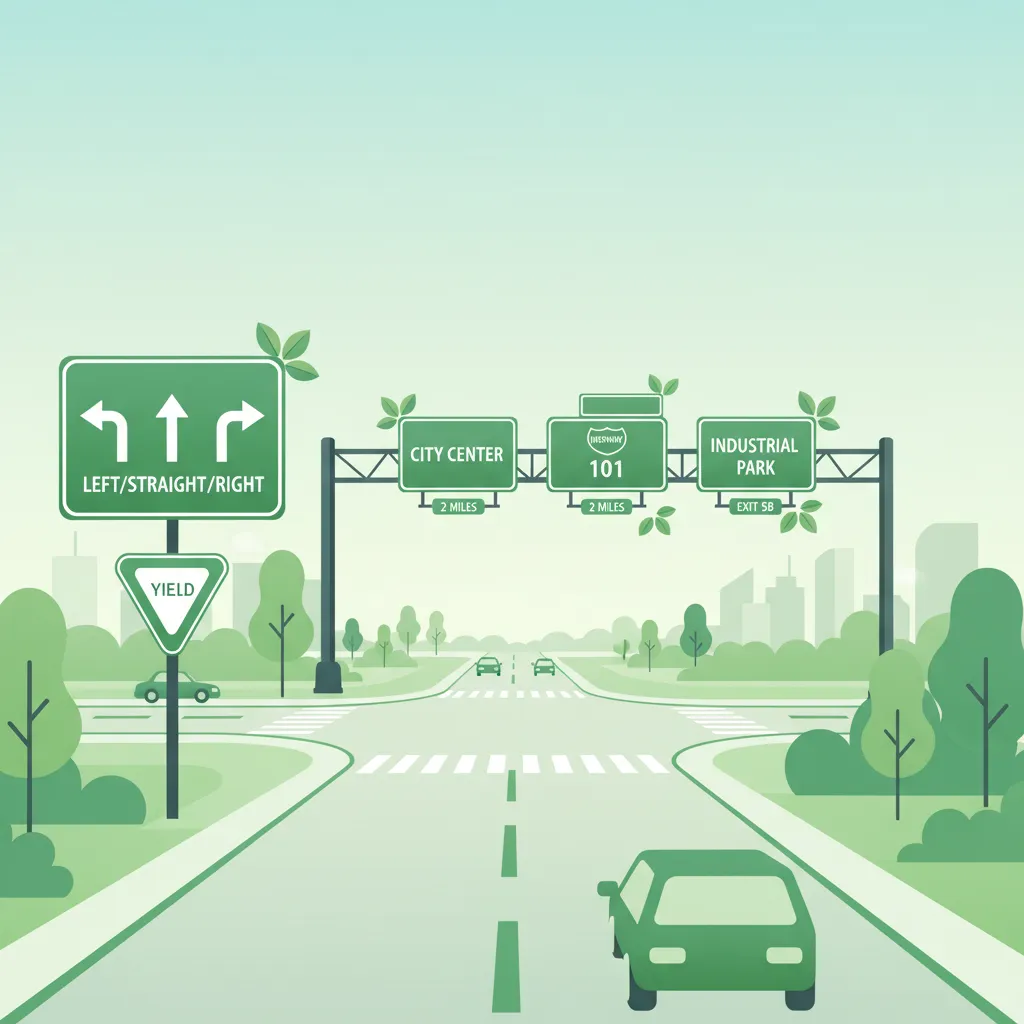
This lesson focuses on the array of signs used to manage traffic at intersections and along multi-lane roads. You will learn to interpret overhead gantry signs, lane designation signs, and markings that guide drivers into the correct lane for their intended direction. The curriculum covers signs indicating priority at upcoming junctions, such as the B3 and B4 signs, which clarify right-of-way rules in complex scenarios. Proper interpretation of these signs is essential for smooth lane changes, efficient navigation, and preventing conflicts at junctions.
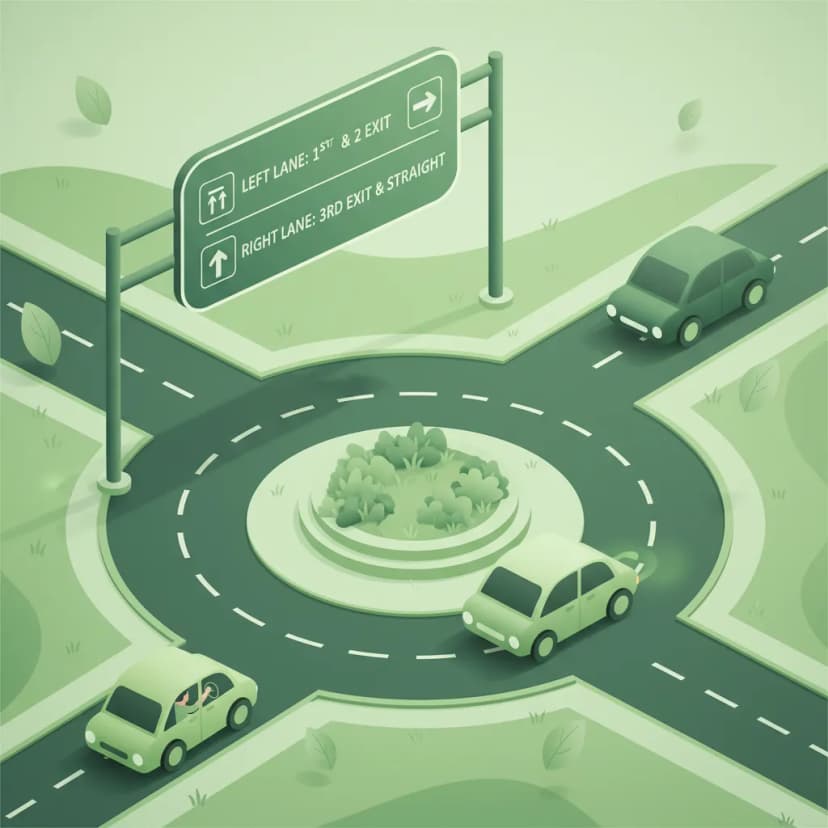
This lesson provides a detailed guide to navigating Dutch roundabouts ('rotondes'), including single-lane, multi-lane, and 'turbo' designs. It clarifies the specific priority rules that apply when entering the roundabout and the critical importance of correct signaling when changing lanes or exiting. Special attention is given to the vulnerable position of motorcyclists and the need to be aware of other vehicles' blind spots and the priority rules concerning cyclists on or near the roundabout.
Find clear answers to common questions learners have about Equal-Priority Intersections and Advanced Decision-Making. Learn how the lesson is structured, which driving theory objectives it supports, and how it fits into the overall learning path of units and curriculum progression in the Netherlands. These explanations help you understand key concepts, lesson flow, and exam focused study goals.
'Rechts voor' translates to 'right before left'. In the Netherlands, at an intersection where no specific signs or road markings indicate otherwise, you must give way to all traffic approaching from your right. This is a fundamental rule for equal-priority intersections.
An intersection is considered equal-priority when there are no 'stop', 'give way' (geef directie aan), or priority road signs present. Also, check for road markings like a solid white line indicating a stop or a dashed white line indicating a give-way obligation, or specific signs like priority for oncoming traffic at a narrow bridge. If none of these apply, the 'rechts voor' rule is active.
If you and a vehicle approaching from your right are both waiting, maintain your position and wait for the other vehicle to proceed first, unless they clearly indicate for you to go. It's always safer to be cautious. If multiple vehicles arrive simultaneously from different directions, the vehicle to the right always has priority.
Yes, the 'rechts voor' rule applies to all road users, including cyclists and pedestrians, provided they are approaching from your right and do not have a separate obligation to give way. Always scan thoroughly for all potential traffic.
Lane filtering rules generally apply on the highway ('autosnelweg') or in very slow-moving traffic. At a standard equal-priority intersection, the 'rechts voor' rule takes precedence. Do not attempt to filter through an intersection if it creates a priority conflict.
The primary exception is if specific traffic signs (like a 'priority road' sign or a 'give way' sign) or road markings override it. Also, vehicles from the left might have priority if they are on a priority road. Always prioritize explicit traffic signs and signals over the general 'rechts voor' rule.