
This lesson focuses on the crucial skills of reaction time and hazard anticipation, fundamental for safe riding on AM-category vehicles. Building upon general speed and braking concepts, you'll learn how to actively scan for potential dangers and predict the actions of others, rather than just reacting. Mastering these skills is vital for navigating Dutch traffic safely and passing your theory test.

Mastering safe riding requires more than just vehicle control; it demands a deep understanding of how our brains and bodies interact with the dynamic road environment. This lesson delves into two critical aspects of safe riding for mopeds and scooters (Category AM): reaction time and hazard anticipation. Together, these skills form the foundation of defensive riding, allowing you to identify dangers early and respond effectively on Dutch roads.
Reaction time is a fundamental physiological and psychological process that directly influences your ability to prevent collisions. For light motor vehicles like mopeds and scooters, where stability and braking distances can be more sensitive, a quick and accurate reaction is paramount.
The elapsed time from the moment a stimulus is perceived (e.g., seeing a brake light ahead) to the initiation of the first corrective motor response (e.g., beginning to press the brake lever).
This interval represents the mental lag inherent in human processing. It's the time your brain takes to:
While riding a moped or scooter, your reaction time directly determines the thinking distance – the distance your vehicle travels before you even begin to apply the brakes. For a healthy adult, average visual reaction time is approximately 0.25 seconds, while auditory reaction time is slightly faster at around 0.17 seconds. Even these small fractions of a second translate to several metres travelled at typical riding speeds.
For example, if you are travelling at 50 km/h (approximately 13.9 metres per second) and have a visual reaction time of 0.25 seconds, your moped will travel about 3.5 metres before you start to apply the brakes. This thinking distance is a crucial component of your total stopping distance.
Several physiological and psychological factors can significantly alter your reaction time, making split-second decisions even more challenging. Being aware of these influences is vital for maintaining optimal safety.
Your alertness level refers to your current state of mental vigilance. An optimal alertness level means you are well-rested, focused, and free from impairment. When your alertness is high, your perception is sharper, and your brain processes information more quickly, leading to a shorter reaction time. Conversely, reduced alertness, due to factors like fatigue or monotony, will slow your cognitive processing and increase your reaction time.
Regularly assess your own alertness. If you feel your concentration waning or find yourself staring without truly processing information, it's a clear sign that your reaction time may be compromised.
Fatigue is a cumulative reduction in alertness, sensory perception, and motor coordination. It can be caused by prolonged riding, insufficient sleep, or natural circadian rhythms (e.g., feeling drowsy in the late afternoon or early morning). The effects of fatigue are insidious; they creep up on you, often without immediate awareness.
Fatigue can increase your visual reaction time by 30-50% and significantly reduce your peripheral vision, leading to "tunnel vision." This means you might literally not see hazards that are not directly in front of you. Riding a moped or scooter while fatigued is extremely dangerous and a violation of the RVV 1990 Art. 9, which requires drivers to be capable of operating their vehicle safely. Strategic rest periods are essential.
Distraction load refers to the cognitive, visual, or manual demands placed on you by secondary tasks not related to the primary act of riding. Distractions divert your attention from the road, effectively lengthening your reaction time and hindering your ability to anticipate hazards.
Distractions can be categorised as:
Even a brief glance at a mobile phone can add 0.2 to 0.5 seconds to your reaction time. At 50 km/h, this means travelling an additional 2.8 to 6.9 metres without full awareness of the road. While the Netherlands doesn't have an explicit hand-held phone ban for mopeds in the same way as cars, the general duty of care (RVV 1990 art. 9) prohibits any activity that impairs safe operation.
Alcohol and drugs are powerful central nervous system depressants that profoundly impair reaction time, judgment, and coordination. The RVV 1990 Art. 22 sets strict blood alcohol concentration (BAC) limits (0.2 ‰ for novice drivers and moped riders, 0.5 ‰ for experienced car drivers). Even at the lowest legal limit, reaction time can be significantly prolonged. Driving under the influence is not only illegal but also severely compromises your ability to react safely.
Age and certain health conditions can also naturally affect reaction time. Older riders may experience a gradual lengthening of reaction time, while some medical conditions or medications can have similar effects. Regular self-assessment and consultation with a doctor about potential impacts on driving ability are important.
While a quick reaction time is crucial when a hazard appears, true defensive riding involves acting before a hazard becomes an immediate threat. This is where hazard anticipation comes in.
A cognitive process of continuously scanning the road environment, interpreting cues, and predicting potential conflict points and actions of other road users, allowing the rider to prepare and act before a hazard becomes critical.
Hazard anticipation transforms you from a reactive rider into a proactive one. Instead of simply responding to events as they unfold, you actively look for clues that might signal a future danger. This mental modeling of possible future conflicts allows you to make adjustments earlier, smoother, and safer. For instance, seeing a child near the road and predicting they might run out allows you to slow down and position yourself away from them before they even take a step into the road. This reduces the need for abrupt braking or swerving, which is especially beneficial for the stability of a two-wheeled vehicle.
To anticipate hazards effectively, you need a systematic approach to observing your surroundings. This is achieved through proper scanning technique. "Tunnel vision," where you only look straight ahead, is a dangerous habit that prevents early detection of risks.
Effective scanning involves continuous, systematic eye movements:
By combining these techniques, you build a comprehensive mental picture of the traffic environment, ensuring that dynamic hazards are detected as early as possible. This is implicitly required under the safe-driving obligation of RVV 1990 Art. 9.
A key part of hazard anticipation is predicting what other road users might do. This involves interpreting subtle cues and understanding common patterns of behaviour.
Pedestrians, cyclists, and other moped/scooter riders are particularly vulnerable due to their lack of protection. Anticipating their actions requires extra vigilance:
The relationship between reaction time, speed, and stopping distance is fundamental to road safety, especially for Category AM vehicles. Your total stopping distance is the sum of your thinking distance and your braking distance.
Since light motor vehicles typically have less mass and potentially less stable braking dynamics than cars, managing the thinking distance through superior reaction time and hazard anticipation is even more critical. By anticipating hazards, you effectively reduce the "surprise factor," allowing you to initiate braking earlier and thus decrease the required stopping distance.
Dutch traffic law, particularly the Reglement Verkeersregels en Verkeerstekens 1990 (RVV 1990), embeds the principles of reaction time and hazard anticipation into a rider's legal obligations.
This crucial article states that "Every road user must conduct themselves in such a way that no danger or hindrance is caused to other road users." This broad duty implies a proactive approach to safety. Hazard anticipation and maintaining an adequate reaction time are essential components of fulfilling this general duty of care. Failing to anticipate foreseeable dangers or reacting too slowly could be seen as a breach of this article.
Article 9 mandates that "The driver must operate the vehicle so that it does not endanger others; speed must be adapted to conditions and the driver's abilities." This directly links to reaction time. If your reaction time is impaired (e.g., due to fatigue or distraction), or if conditions reduce your effective reaction window (e.g., fog), you are legally obligated to reduce your speed to a safe level. This ensures that your capability to react matches the demands of the traffic environment.
Maintaining a safe speed means being able to stop within the visible distance ahead, and within half that distance on rural roads if a hazard appears suddenly. This requires realistic assessment of your reaction time.
When encountering situations where you must yield priority, Article 11 requires you to do so while "taking into account the need for sufficient reaction time." This means you cannot assume other road users will wait for you. Instead, you must anticipate their movements, be prepared to stop, and ensure you have enough time to react safely if they exercise their right of way.
This article strictly prohibits driving under the influence of alcohol or drugs. As established, these substances significantly lengthen reaction time and impair judgment, directly violating the safe operation principles of RVV 1990. For moped and scooter riders, the legal blood alcohol limit is 0.2 ‰.
Weg Werkzaamheden (road works) typically require reduced speed. This is because construction zones often present unpredictable obstacles, reduced visibility, and workers, all of which demand an increased reaction capability.Effective reaction time and hazard anticipation are not static skills; they must be continuously adapted to changing external conditions.
dimlicht) to avoid dazzling others and look towards the left edge of your lane to avoid direct glare from oncoming vehicles. Increase your scanning frequency for less visible hazards.As detailed earlier, specific strategies are needed for:
Understanding common mistakes helps reinforce correct behaviour and prevent dangerous situations.
| Violation / Edge Case | Why It’s Wrong | Correct Behaviour | Consequence (Safety / Legal) |
|---|---|---|---|
| Riding with "tunnel vision" | Neglects lateral hazards (e.g., side-street traffic, pedestrians), leading to delayed detection and increased collision risk. | Perform continuous left-right scanning (horizontal scan) every 1-2 seconds, especially in urban areas. | Higher crash probability; potential negligence under RVV 1990 art. 5. |
| Driving while heavily fatigued | Significantly lengthens reaction time and reduces peripheral vision, impairing hazard perception. | Take planned breaks every 1-1.5 hours; stop riding immediately if signs of drowsiness (e.g., heavy eyelids, yawning) appear. | Increased accident risk; deemed unsafe driving under RVV 1990 art. 9. |
| Using a handheld phone for navigation or communication | Creates visual, manual, and cognitive distraction, adding critical seconds to reaction time. | Pre-program navigation before starting; use voice-guided systems without looking at the device; pull over safely to handle calls/messages. | Delayed hazard perception; potential near-miss or collision; violation of safe-driving duty. |
| Assuming a stopped vehicle ahead will remain stationary | Over-reliance on assumptions eliminates anticipatory braking and prepares you for sudden movement. | Maintain a safe following distance; cover your brakes and be ready to react if the vehicle accelerates or moves unexpectedly. | Could lead to a rear-end collision; breach of head-way principle. |
| Speeding in low-visibility conditions (e.g., dense fog) | Reduced visibility shortens detection distance. While RT doesn't change, the effective reaction window shrinks dramatically. | Reduce speed to a level that allows you to stop within the visible distance ahead (often much slower than the speed limit). | High risk of colliding with unseen obstacles; violation of safe-speed rule. |
| Riding a moped with a heavy cargo load without adjusting speed | Increased mass raises kinetic energy and lengthens braking distance. RT remains the same, but overall stopping distance increases significantly. | Re-calculate or mentally estimate increased stopping distance; reduce speed and increase following distance accordingly. | Loss of control, longer stopping distance; contravenes safe-speed principle. |
| Entering a roundabout without checking for cyclists from the left | In the Netherlands, cyclists often have priority. Failure to anticipate their presence and yield leads to side-collision risk. | Perform a thorough left-side scan before entering a roundabout; yield to cyclists already on the roundabout. | Collision risk; violation of right-of-way rules (RVV 1990 art. 11). |
Understanding and applying the principles of reaction time and hazard anticipation are non-negotiable for safe riding in the Dutch traffic environment. They empower you to be a proactive, rather than merely reactive, road user.
By continuously practising proactive scanning, managing your physical and mental state, and adapting your riding to every situation, you will significantly reduce your risk of accidents and contribute to safer Dutch roads for everyone. This holistic approach ensures you are prepared for whatever challenges the road may present, allowing you to react safely and effectively.
Lesson content overview
Explore all units and lessons included in this driving theory course.
Explore search topics learners often look for when studying Reaction Time and Hazard Anticipation. These topics reflect common questions about road rules, driving situations, safety guidance, and lesson level theory preparation for learners in the Netherlands.
Browse additional driving theory lessons that cover connected traffic rules, road signs, and common driving situations related to this topic. Improve your understanding of how different rules interact across everyday traffic scenarios.
Explore common traffic situations and how proactive hazard anticipation helps avoid risks. Learn to predict actions of vulnerable road users and other vehicles on Dutch roads to ride defensively and safely.

This lesson synthesizes many of the course's concepts into the overarching philosophy of advanced defensive riding ('verdedigend rijden'). It defines this as a proactive mindset where the rider constantly scans for potential hazards, anticipates the worst-case scenario from other road users, and positions themselves to have time and space to react. This approach moves beyond simply following the rules to actively managing the environment to ensure personal safety at all times.

This lesson introduces the Dutch concept of 'voorspellend rijgedrag,' or anticipatory riding, a proactive approach to safety. It teaches motorcyclists how to look beyond the immediate vehicle in front and scan for clues that predict the actions of other road users, such as turn signals, wheel direction, and driver head movement. By anticipating potential conflicts before they happen, riders can position themselves to avoid danger and ensure a smoother, safer journey through complex traffic.

Defensive riding means riding to prevent collisions, despite the actions of others or the conditions around you. This lesson teaches the core principles of this proactive safety strategy. Key techniques include managing the space cushion around your vehicle, positioning yourself in your lane for maximum visibility, constantly planning an escape route, and communicating your intentions clearly to other road users. This mindset acknowledges your vulnerability and empowers you to take control of your own safety.
This lesson teaches you to be a proactive rather than a reactive rider by developing superior hazard perception skills. You will learn to scan your environment constantly—near, far, and to the sides—and to identify potential risks, such as a car waiting to turn or a pedestrian looking to cross. The content focuses on asking 'what if?' to predict the actions of others and position yourself for safety in advance.
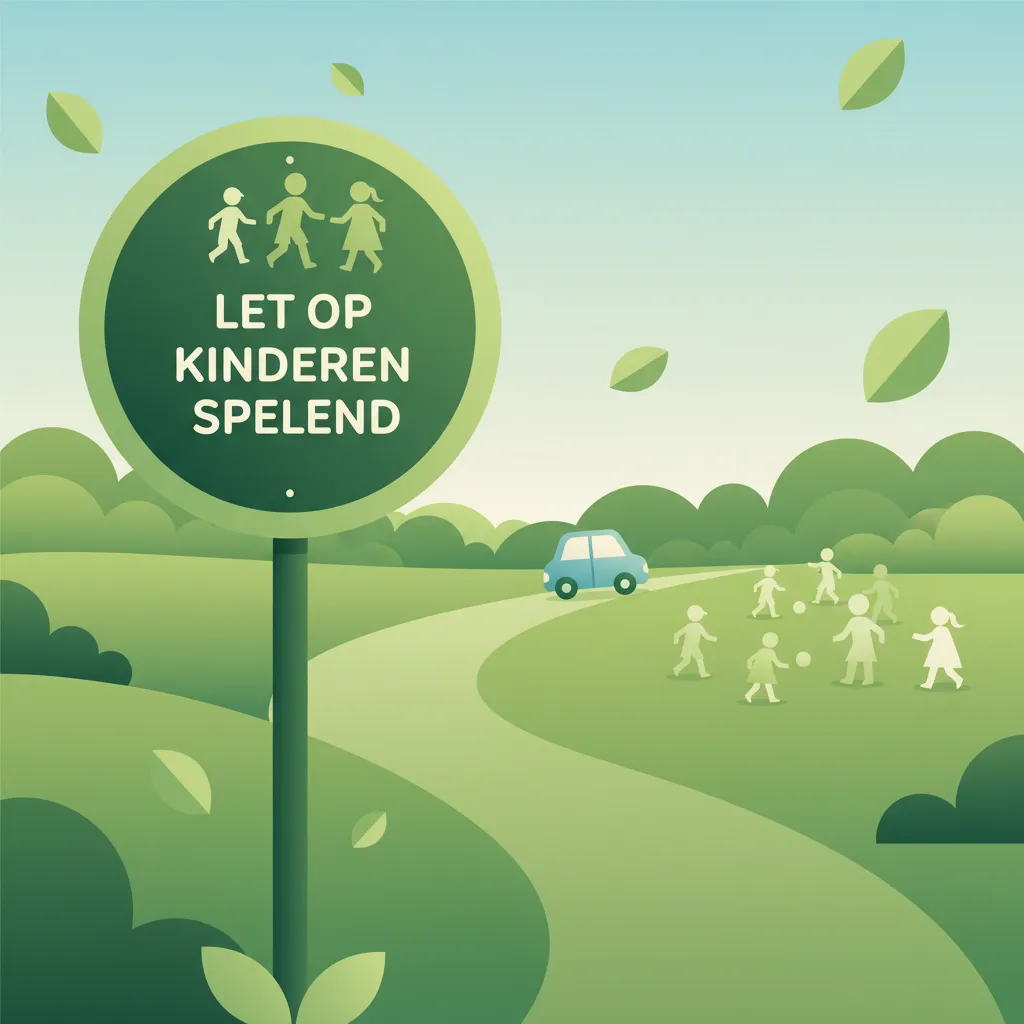
This lesson details the interpretation of Dutch warning signs, which alert riders to potential dangers and changing road conditions. You will study signs indicating sharp curves, road narrowing (BORD 30), and temporary hazards like road works (BORD 36), learning to adjust speed and road position proactively. The content emphasizes how the A2 motorcycle's characteristics require earlier hazard recognition and response compared to other vehicles for maintaining control.

This lesson focuses on training the brain to become a more effective hazard detection system. It introduces psychological techniques like 'commentary riding,' where the rider verbalizes all perceived hazards and their planned responses, which enhances focus and processing. The practice of constantly running 'what-if' scenarios helps to pre-plan reactions to potential events, reducing the time it takes to respond if a real hazard materializes, turning anticipation into a deeply ingrained habit.
This lesson provides practical advice for driving in challenging weather. You will learn about the risk of aquaplaning in heavy rain and how to react, as well as how to manage the effects of strong crosswinds. The curriculum covers winter driving, explaining the danger of black ice, the benefits of winter tires, and techniques for avoiding and correcting a skid. A key focus is on adjusting driving style: increasing following distances, reducing speed, and making gentle steering and braking inputs.

This lesson focuses on the unique and densely packed hazards found in urban traffic environments. It teaches riders to develop a systematic scanning pattern to identify potential risks from multiple sources simultaneously, such as pedestrians stepping off curbs, car doors opening unexpectedly, and buses pulling out. The content also emphasizes the importance of managing speed and always having an 'escape route' planned in case a hazard suddenly materializes in the complex city landscape.

This lesson focuses on hazard perception ('gevaarherkenning'), a critical section of the CBR exam. It explains how increasing speed reduces a rider's field of vision and shortens the time available to identify, process, and react to potential dangers. The content explores techniques for actively scanning the road ahead and anticipating the actions of other road users to make safe, proactive decisions rather than reactive ones.
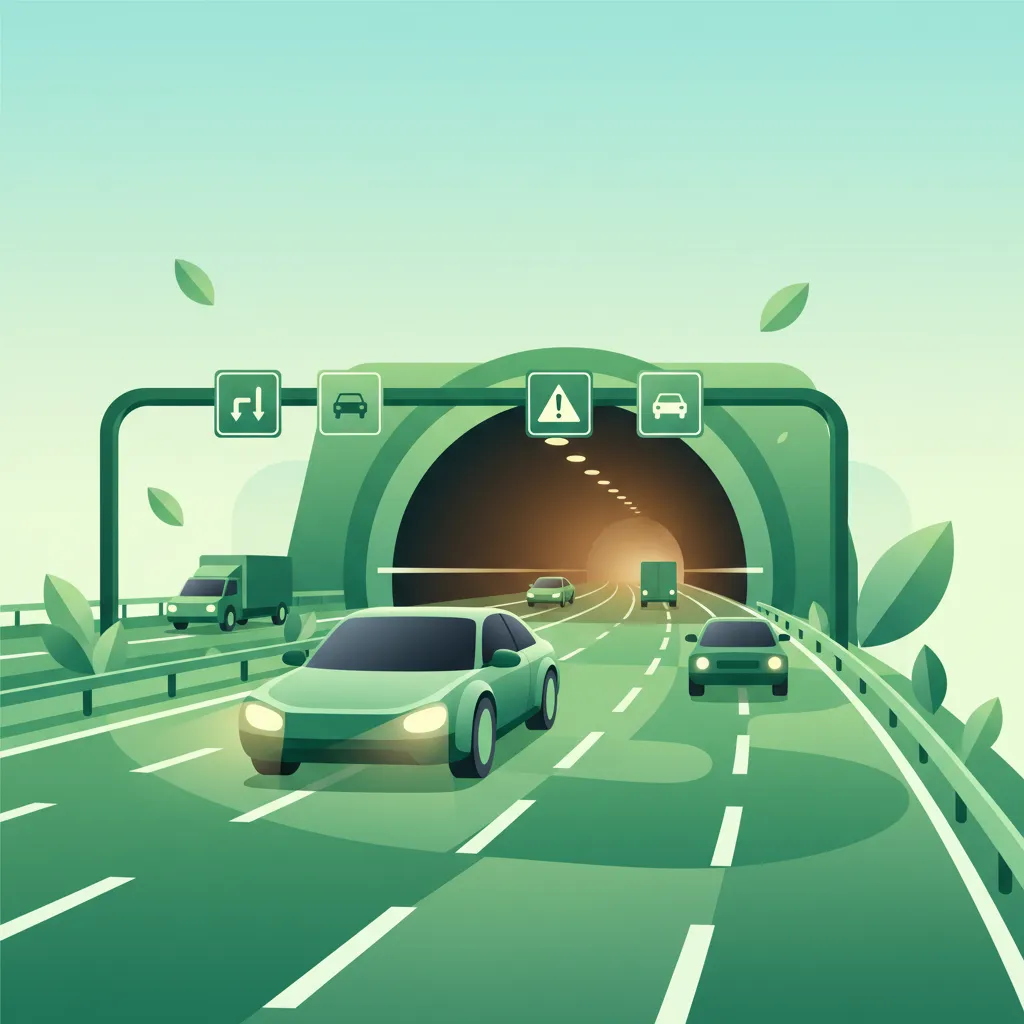
This lesson transitions hazard perception skills to the high-speed environment of motorways and tunnels. It covers specific risks such as vehicles merging at different speeds, sudden braking and congestion ahead, road debris, and the aerodynamic effects of crosswinds and large trucks. The curriculum also addresses the challenges of riding in tunnels, including changes in light and surface conditions, and the importance of identifying emergency exits and procedures in case of an incident.
Understand how fatigue, distractions, alcohol, and age impact your reaction time. Learn the legal implications and how to maintain optimal alertness for safe driving on Dutch roads.

This lesson explains that fatigue is a major contributor to single-vehicle motorcycle accidents. You will learn to recognize its subtle symptoms, such as slow reaction times, poor judgment, and difficulty concentrating. The content provides essential strategies for prevention and management, including planning for regular rest stops, staying hydrated, and knowing when to stop riding for the day.
Fatigue and stress are major contributors to rider error and accidents. This lesson explains how physical tiredness and mental stress can slow your reaction time, impair your decision-making abilities, and lead to poor judgment on the road. You will learn to identify the early warning signs of fatigue and the importance of taking regular rest breaks on long journeys. The lesson also provides techniques for managing stress to ensure you are in a fit state to ride safely.

This lesson explores the physiological and cognitive effects of alcohol on a driver. You will learn how alcohol acts as a depressant on the central nervous system, leading to a measurable decrease in reaction speed, blurred vision, and a loss of coordination. The curriculum explains how alcohol impairs judgment, often leading to increased risk-taking and a failure to perceive hazards. Understanding these dangerous effects reinforces the critical importance of separating drinking from driving completely.

This lesson covers the critical topic of impaired riding, detailing the legal blood alcohol limits for drivers in the Netherlands. It explains how alcohol, illegal drugs, and even some legal medications drastically impair judgment, coordination, and reaction time, making riding a motorcycle extremely dangerous. The severe legal penalties, including fines, license suspension, and imprisonment, are also clearly outlined.

This lesson addresses the significant dangers of rider fatigue, which are amplified during night riding. It explains the physiological effects of tiredness on reaction time, decision-making, and vision. Strategies for managing fatigue are presented, including the importance of proper pre-ride rest, taking regular breaks, staying hydrated, and recognizing the early warning signs of drowsiness to know when it is essential to stop riding and rest.
This lesson details the significant negative impact that both psychological stress and physical fatigue have on a rider's cognitive functions. It explains how these states can narrow attention, slow reaction times, and lead to irritable or irrational decision-making on the road. The content emphasizes the importance of self-assessment before every ride and having the discipline to postpone a journey when not mentally or physically fit to operate a motorcycle safely.
This lesson explores the psychological factors that underpin safe riding, focusing on the concept of cognitive load—the amount of mental effort required to process information. It explains how fatigue, stress, and distractions can overload a rider's capacity to process information, leading to a loss of situational awareness and poor decisions. The content provides strategies for managing mental resources, maintaining focus, and ensuring that the rider's brain is always ahead of the motorcycle.
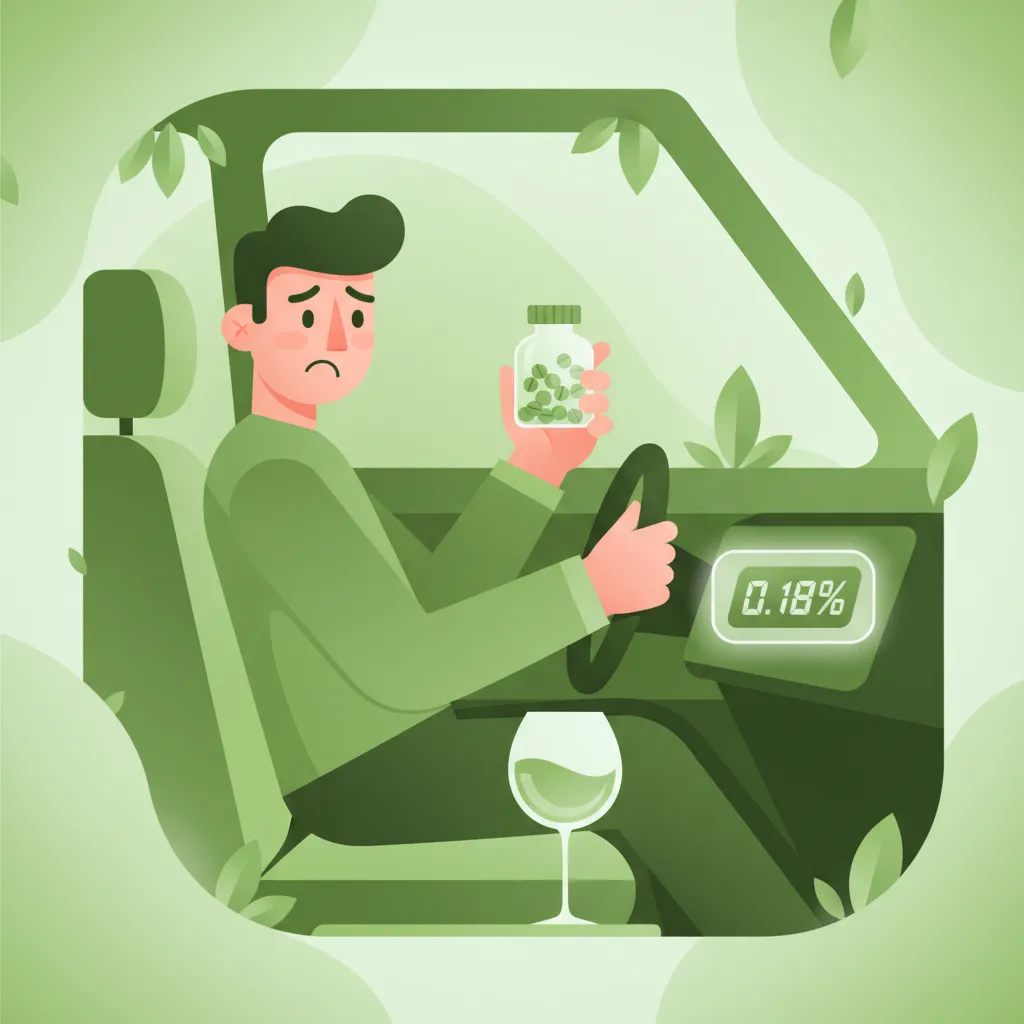
This lesson covers the critical topic of driving under the influence, explaining the legal blood alcohol concentration (BAC) limits for Category AM riders. It highlights the distinction between the lower limit for novice drivers and the standard limit for experienced drivers. The lesson also addresses the zero-tolerance policy for driving under the influence of drugs, the types of police tests conducted, and the severe legal penalties, including fines, license suspension, and mandatory courses, for any violations.

This lesson delves into the psychological aspects of motorcycling, exploring how factors like attitude, emotion, and fatigue can influence decision-making and risk-taking. It encourages self-awareness, helping riders recognize states like overconfidence or distraction that can lead to poor choices. The ultimate goal is to foster a mature, defensive mindset focused on risk mitigation and making safe, responsible decisions on every ride.
Find clear answers to common questions learners have about Reaction Time and Hazard Anticipation. Learn how the lesson is structured, which driving theory objectives it supports, and how it fits into the overall learning path of units and curriculum progression in the Netherlands. These explanations help you understand key concepts, lesson flow, and exam focused study goals.
Fatigue significantly slows down your reaction time. When you're tired, your concentration lapses, your judgment is impaired, and your physical responses become slower. This is why it's crucial to be well-rested before riding, especially for longer distances or at night. The CBR exam often includes questions about the effects of fatigue on driving ability.
Common distractions for AM-category riders include using a mobile phone, adjusting music or navigation systems, interacting with passengers, and even daydreaming or being lost in thought. These distractions can drastically increase your reaction time and reduce your ability to perceive hazards, making them a significant safety risk.
Improving hazard anticipation involves consistent practice and conscious effort. Actively scan the road and its surroundings, looking for clues that indicate potential danger. Predict what might happen next based on these clues, such as a car approaching a junction or a cyclist nearing a crossing. Regularly review hazard perception examples, like those found in the Dutch theory exam materials, to hone this skill.
Reacting means responding to a hazard only after it has become apparent or an event has occurred (e.g., braking suddenly for a car that pulls out). Anticipating, on the other hand, means foreseeing a potential hazard before it fully develops (e.g., seeing a car slowing down at a junction and preparing to brake or move away preemptively). Anticipation is a more advanced and safer strategy.
Yes, the Dutch AM theory exam (CBR) includes questions that test your understanding of reaction time, hazard perception, and defensive riding. These questions often present scenarios where you must identify potential dangers, predict outcomes, and choose the safest course of action.