
Navigating Dutch city streets often involves sharing space with trams. This lesson, part of Unit 3: Priority Rules and Intersection Navigation for the Category A motorcycle licence, focuses specifically on the unique priority rules and safety considerations when encountering trams. Understanding these nuances is crucial for both passing your CBR theory exam and riding safely in urban environments.
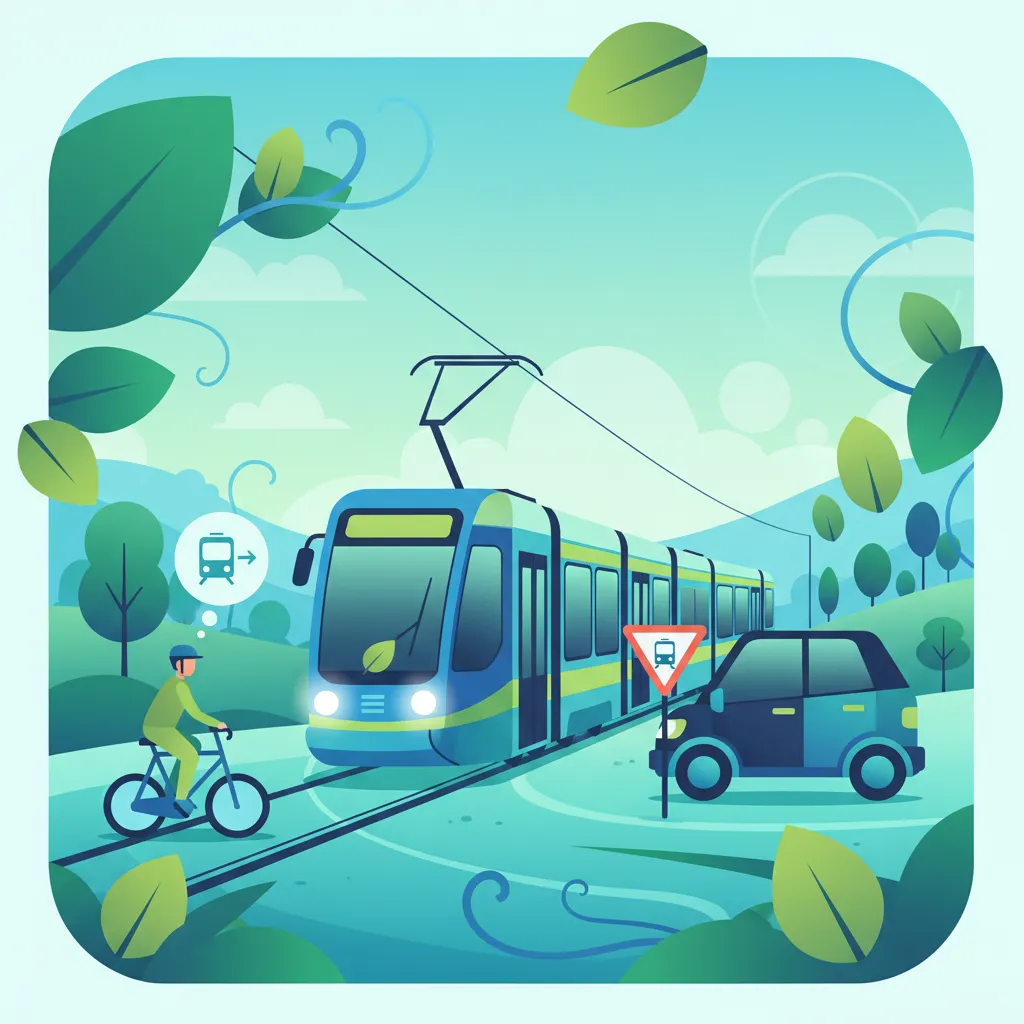
Motorcyclists in the Netherlands frequently encounter trams, particularly in urban areas. Understanding the specific priority rules at tram crossings, known as tramoversteek, is not just crucial for passing the Dutch Motorcycle Theory (Category A) exam, but vital for daily safety on the road. Trams operate on fixed tracks, possess enormous mass, and have limited ability to stop or swerve, making collisions with them exceptionally dangerous. This lesson will detail the legal framework, practical considerations, and safe riding techniques necessary to navigate tram-heavy environments confidently.
At the heart of safely interacting with trams is the principle of tramvoorrang, or tram priority. This means trams generally have the legal right to proceed before other road users at designated crossings, unless specific traffic signs or signals explicitly state otherwise. This statutory priority is granted primarily for two reasons: public transport efficiency and passenger safety. Trams carry many passengers and operate on strict schedules; granting them priority reduces delays and ensures a smoother flow of public transportation.
The Dutch Traffic Act (RVV 1990) explicitly addresses tram priority. Article 45 (2) establishes that trams have the right-of-way unless superseded by road signs or traffic lights. This is a fundamental rule that motorcyclists must internalize. Unlike other vehicles, trams cannot deviate from their fixed path, making it impossible for them to take evasive action. Therefore, the onus is on other road users to yield.
These signs are essential visual cues that modify the general priority rule. Always look for these signs as you approach any tram crossing.
Navigating intersections with trams often involves more than just standard traffic lights. Dedicated signals and specific road markings are used to manage tram movements and inform other road users.
Many complex intersections feature traffic light heads specifically for trams. These signals typically display unique pictograms or patterns, such as a white bar or arrow on a black background, to indicate "proceed," and a red light or horizontal bar to indicate "stop." Crucially, these tram signals may not always be synchronized with the general vehicle traffic lights.
A common and dangerous misunderstanding occurs when a motorcyclist sees a green light for vehicle traffic and assumes they are clear to proceed, even if a tram is present or its dedicated signal is red. This is incorrect. Motorcyclists must observe both their own vehicle traffic light and any tram-specific signals. If the vehicle light is green but the tram signal is red, a tram that has priority will still proceed, leading to a collision risk.
At some junctions, tram signals might be integrated into the same pole as vehicle signals. Riders must meticulously observe each signal head. A green vehicle light does not inherently grant right-of-way over a tram if the tram has a red signal or if there is no specific signal removing its priority. The Dutch Signalisation Standard (SIA-R10) provides guidelines for the placement and design of these combined signals, emphasizing their distinct functions.
Tram crossings are often indicated by specific road markings. A solid white line painted across the roadway, sometimes accompanied by a tram symbol on the road surface, designates the point before which vehicles must stop to yield to an approaching tram. These markings serve as a clear visual reminder of the crossing and the need for caution.
In many urban areas, tram tracks are embedded directly into the road surface, creating what is known as a gedeeld rijvak or shared lane. This allows both trams and other motor vehicles, including motorcycles, to use the same road space. While this design facilitates mixed traffic flow, it also introduces specific hazards for motorcyclists.
When riding on a shared lane, it is imperative to maintain a safe lateral distance from the tram tracks. The rails themselves, and the grooves alongside them, can trap motorcycle wheels, leading to a loss of control, especially when turning or changing lanes. Whenever possible, position your motorcycle on the asphalt portion of the lane, avoiding direct contact with the rails.
If you need to overtake a stationary or slow-moving tram on a shared lane, it is crucial to do so safely. The Dutch Traffic Act (RVV 1990 Art. 5-5) governs overtaking and implies that any manoeuvre must be performed safely. Never overtake a tram on the side where passengers are boarding or alighting, as pedestrians may suddenly step into your path. When overtaking, always pass on the asphalt side, ensuring you maintain at least 0.5 metres of lateral clearance from the tram and its tracks. Avoid riding directly over the rails to "save space" during an overtake, as this significantly increases the risk of skidding, particularly in adverse conditions.
One of the most significant and often underestimated hazards for motorcyclists near tram tracks is the reduced surface friction (wrijvingscoëfficiënt) of the rails. This physical characteristic dramatically affects motorcycle stability and braking performance.
The coefficient of friction on dry asphalt is relatively high (around 0.6-0.8), providing good grip. However, steel tram rails, especially when wet, oily, icy, or covered with leaves or debris, offer significantly less traction. In wet conditions, the friction on rails can drop drastically, sometimes to as low as 0.15. This is comparable to riding on ice. This low friction directly translates to longer braking distances and a higher risk of skidding for motorcycles.
When a motorcycle's tyres make contact with slippery rails, the reduced friction can lead to:
Therefore, motorcyclists must adopt a highly cautious approach when encountering tram tracks, particularly in wet or adverse weather. Increase your following distance, modulate your braking gently, and wherever possible, adjust your path to avoid riding directly over the rails.
Trams are equipped with various warning devices designed to alert other road users of their presence and intentions, especially when approaching crossings. These devices are mandated by law (RVV 1990 Art. 45-6) and are crucial for motorcycle safety.
Develop the habit of actively listening for tram bells and scanning for flashing lights. In situations of limited visibility (fog, heavy rain, or darkness), these warning devices become even more critical, as you might hear a tram before you see it. Always assume the tram will enter the crossing within seconds once a warning device is activated.
Due to their massive weight (often exceeding 100 tonnes) and the inherent low friction between steel wheels and steel rails, trams require significantly longer distances to stop than any other road vehicle. A tram travelling at 50 km/h can need anywhere from 100 to 200 metres to come to a complete halt. This vast stopping distance means that a tram simply cannot yield abruptly to a motorcyclist who fails to give way.
Do not rely on a tram stopping for you. Its inability to brake quickly makes it imperative for motorcyclists to always give way and anticipate its movements well in advance.
Anticipatory riding is key. When approaching any area with tram tracks, look far ahead for trams, observe tram signals, and be prepared to reduce speed and stop. This proactive approach ensures you have ample time to react and avoid dangerous conflicts.
While trams generally have priority, there are specific situations where this rule is temporarily suspended. These exceptions involve official authority or immediate safety concerns.
A temporary suspension of standard traffic rules, including tram priority, to allow emergency vehicles or authorized personnel to manage urgent situations, ensuring public safety and efficient emergency response.
Many accidents involving motorcycles and trams occur due to specific recurring errors. Being aware of these common mistakes can significantly enhance your safety:
The foundation for safe interaction with trams is firmly established in Dutch traffic law.
Compliance with these regulations is mandatory for all road users, including motorcyclists, and forms a key part of the Dutch Motorcycle Theory curriculum.
The fundamental rules of tram priority remain constant, but their practical application requires adjustment based on environmental and situational factors.
Your motorcycle's condition also plays a role in safety near trams.
In urban environments, trams often share space with other vulnerable road users.
To summarise, safe riding around trams boils down to a few critical principles:
By diligently applying these principles, you will significantly reduce the risks associated with riding near trams and contribute to a safer traffic flow in the Netherlands.
Lesson content overview
Explore all units and lessons included in this driving theory course.
Explore search topics learners often look for when studying Priority at Tram Crossings (tramoversteek). These topics reflect common questions about road rules, driving situations, safety guidance, and lesson level theory preparation for learners in the Netherlands.
Browse additional driving theory lessons that cover connected traffic rules, road signs, and common driving situations related to this topic. Improve your understanding of how different rules interact across everyday traffic scenarios.
Understand the special priority rules for trams and emergency vehicles in the Netherlands. Learn how to safely navigate intersections where multiple priority situations can occur, ensuring compliance with Dutch traffic law.
This lesson addresses special situations where standard priority rules are superseded. You will learn the absolute priority of emergency vehicles using sirens and flashing lights, and the correct procedure for giving them way safely. The content also explains the specific priority rules for trams, which often have right-of-way over other traffic, as well as for military columns and official funeral processions. Furthermore, the lesson reinforces the rules for yielding to pedestrians at designated zebra crossings.
Riding in Dutch cities often means interacting with trams, which present unique risks for two-wheeled vehicles. This lesson details the absolute priority that trams have in most situations and explains how to interpret specific tram traffic signals. It provides crucial safety techniques for crossing tram tracks at a safe angle to prevent your wheels from getting stuck and emphasizes maintaining a safe distance from moving trams, which is a vital aspect of urban hazard perception.
When an emergency vehicle approaches with sirens and blue flashing lights, you are legally required to give way. This lesson explains the correct procedure: check your surroundings, signal your intention, and move to the side of the road as safely and quickly as possible to create a clear path. It also covers the procedure for making an emergency stop due to a vehicle breakdown, including the use of hazard warning lights and positioning your vehicle for maximum safety.
This lesson explains the critical rules of priority involving pedestrians and cyclists to ensure the safety of vulnerable road users. You will learn the absolute requirement to stop for pedestrians on or waiting to use a 'zebrapad' (zebra crossing). The content also covers situations where you must yield to cyclists crossing your path, such as when turning across a dedicated bicycle lane (fietspad).
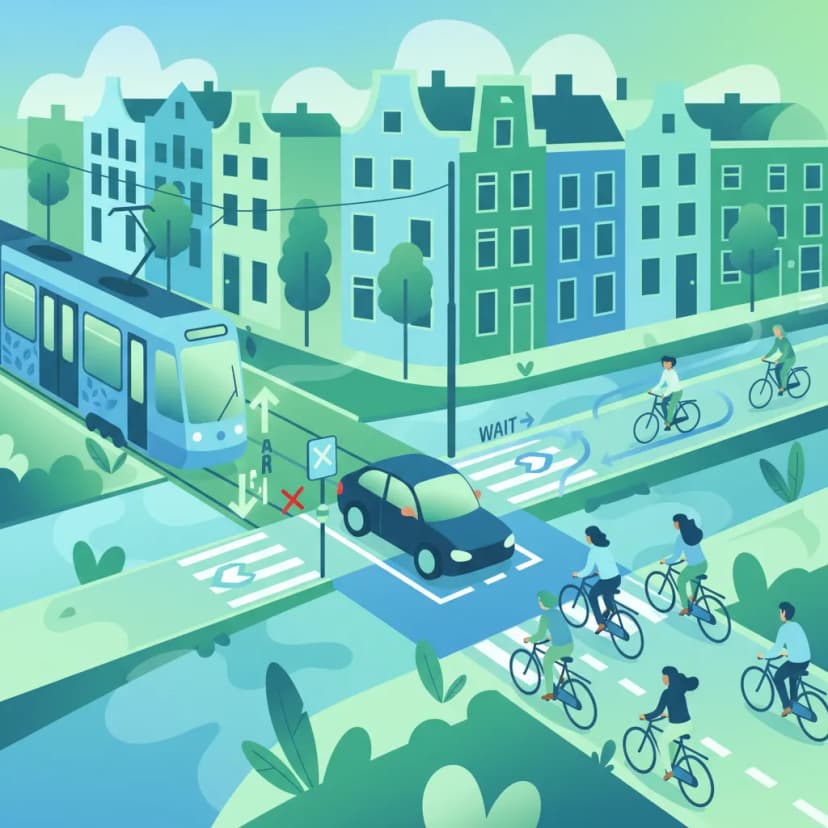
This lesson breaks down the rules of priority at intersections. You will learn to identify an 'equal' intersection where the default rule of giving way to traffic from the right applies. It also explains how priority is regulated by signs (such as the B6 Stop sign and B7 priority road sign) and road markings ('shark's teeth'). Understanding these hierarchies is crucial for making safe and correct decisions when crossing or turning at any junction.
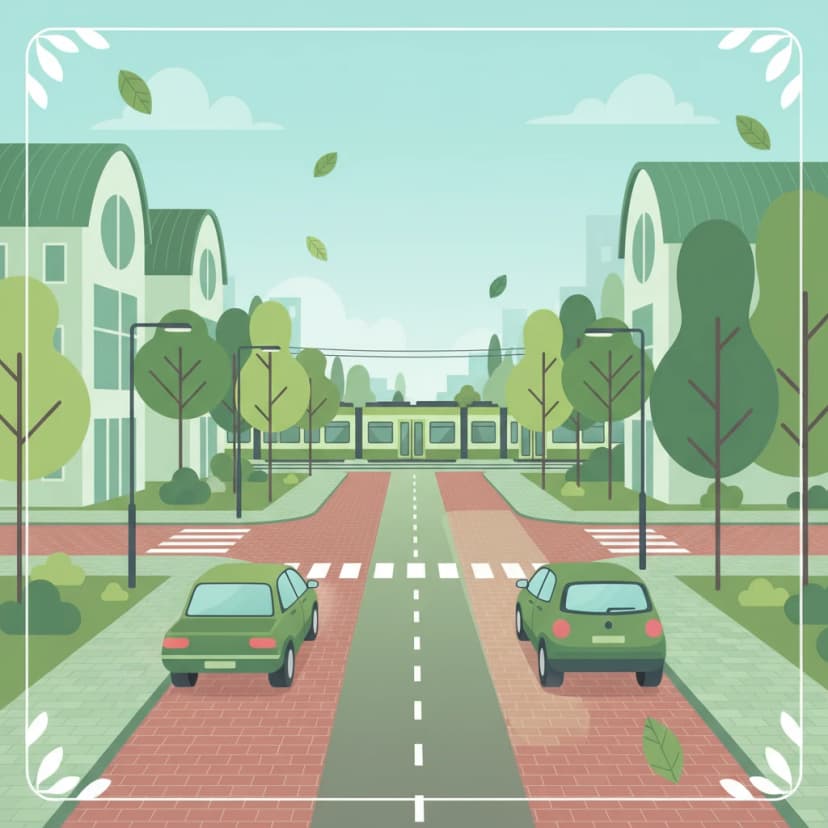
This lesson explains the foundational 'priority to the right' rule, which applies at intersections of equal roads where no other signs or markings dictate priority. You will learn to identify such junctions and understand your obligation to yield to traffic approaching from your right side. The lesson also clarifies important exceptions, such as when exiting a driveway, entering a paved road from an unpaved one, or when encountering a tram. Mastering this rule is crucial for navigating residential areas and city streets where signage is often minimal.
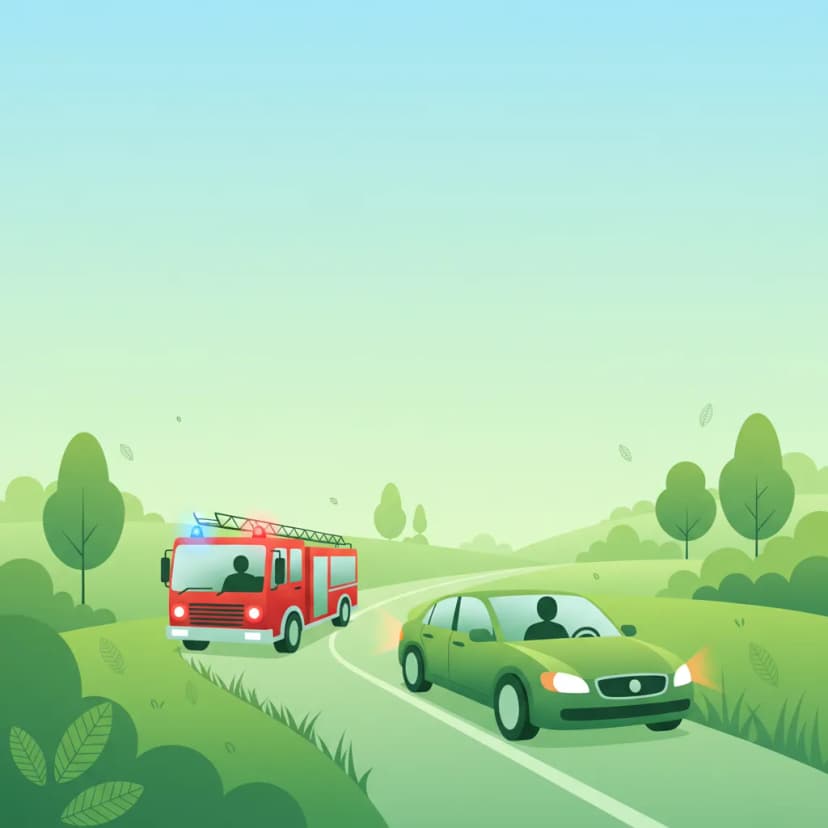
This lesson details the legal obligation and safe procedures for yielding to emergency vehicles ('noodvoertuigen' or 'voorrangsvoertuigen') that are using audible and visual warnings. It provides clear guidance on how to safely create space, whether by pulling over, adjusting speed, or clearing an intersection, without causing a secondary hazard. The content emphasizes maintaining composure and making predictable maneuvers to allow emergency services to pass quickly and safely.
This lesson introduces the foundational principles of right-of-way in the Netherlands, starting with the road user hierarchy and the default rule of giving priority to traffic from the right at equal intersections. You will learn to identify a priority road, marked by sign BORD 30, and understand how this designation overrides the default rule. The content establishes the legal framework for making priority decisions in the absence of specific signs or signals.
As a motorized road user, you have a special responsibility towards more vulnerable participants. This lesson focuses on the rules giving priority to pedestrians at marked zebra crossings and the importance of anticipating the movements of cyclists, children, and the elderly. You will learn about maintaining a safe lateral distance when overtaking cyclists and how to navigate shared spaces with heightened awareness, a key component of social and safe driving behavior.
This lesson focuses on the rules governing interactions with pedestrians. You will learn the absolute requirement to stop for pedestrians who are on or clearly intending to cross at a designated zebra crossing. The curriculum also covers how to share the road in a 'woonerf' (home zone) where pedestrians have priority. It emphasizes being particularly cautious around children, the elderly, and disabled pedestrians, who may require more time or behave unpredictably.
Learn about typical errors motorcyclists make at tram crossings in the Netherlands and the specific hazards involved, such as slippery rails and signal misinterpretations. Essential theory for safe urban riding.
Riding in Dutch cities often means interacting with trams, which present unique risks for two-wheeled vehicles. This lesson details the absolute priority that trams have in most situations and explains how to interpret specific tram traffic signals. It provides crucial safety techniques for crossing tram tracks at a safe angle to prevent your wheels from getting stuck and emphasizes maintaining a safe distance from moving trams, which is a vital aspect of urban hazard perception.
This lesson focuses on the legal requirements and safe practices for riding near pedestrian crossings ('zebrapaden') and designated school zones. It details the absolute obligation to yield to pedestrians on or about to use a crossing and the need for significantly reduced speeds and heightened vigilance in areas with children. The content underscores the importance of anticipation and being prepared for unpredictable movements from vulnerable road users to prevent serious incidents.
This lesson addresses interactions with other types of road users. You will learn about motorcyclists, who can accelerate and brake quickly and may filter through slow traffic. The curriculum explains how to anticipate their movements and check for them carefully at junctions. It also covers how to safely approach and overtake slow-moving vehicles, such as agricultural tractors, and how to behave around horse riders, which requires slowing down and giving a very wide berth.
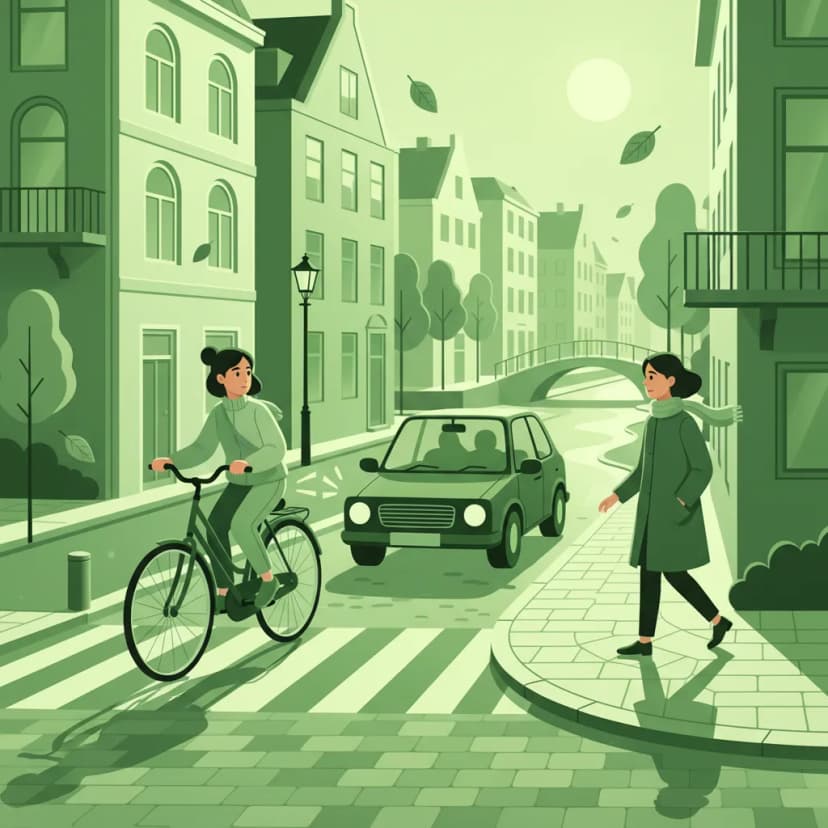
This lesson focuses on the unique and densely packed hazards found in urban traffic environments. It teaches riders to develop a systematic scanning pattern to identify potential risks from multiple sources simultaneously, such as pedestrians stepping off curbs, car doors opening unexpectedly, and buses pulling out. The content also emphasizes the importance of managing speed and always having an 'escape route' planned in case a hazard suddenly materializes in the complex city landscape.
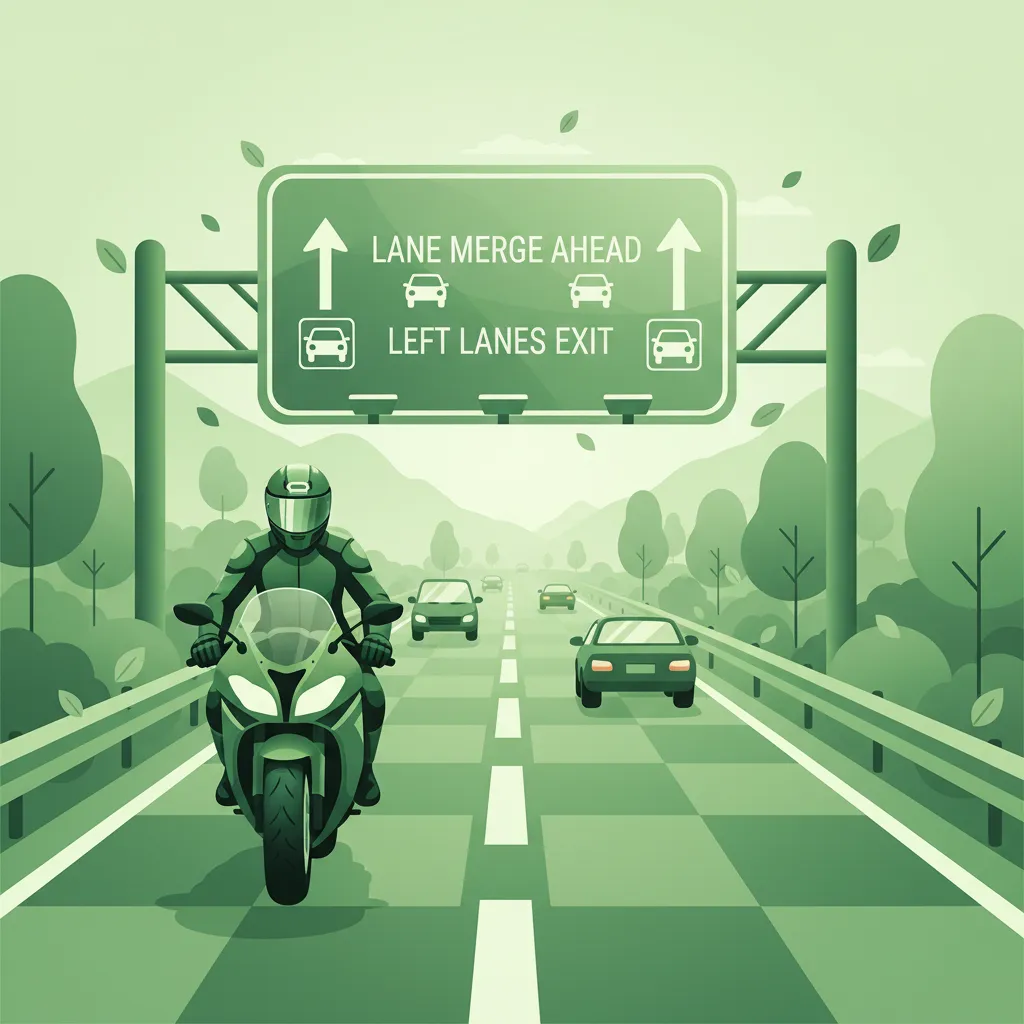
This lesson prepares you for the unique dangers of high-speed highway riding. You will learn to scan for and navigate road hazards like debris, potholes, and slippery steel expansion joints on bridges. The content also addresses the powerful air turbulence created by large trucks that can upset a motorcycle's stability and the mental challenge of maintaining focus on long, monotonous stretches of road.
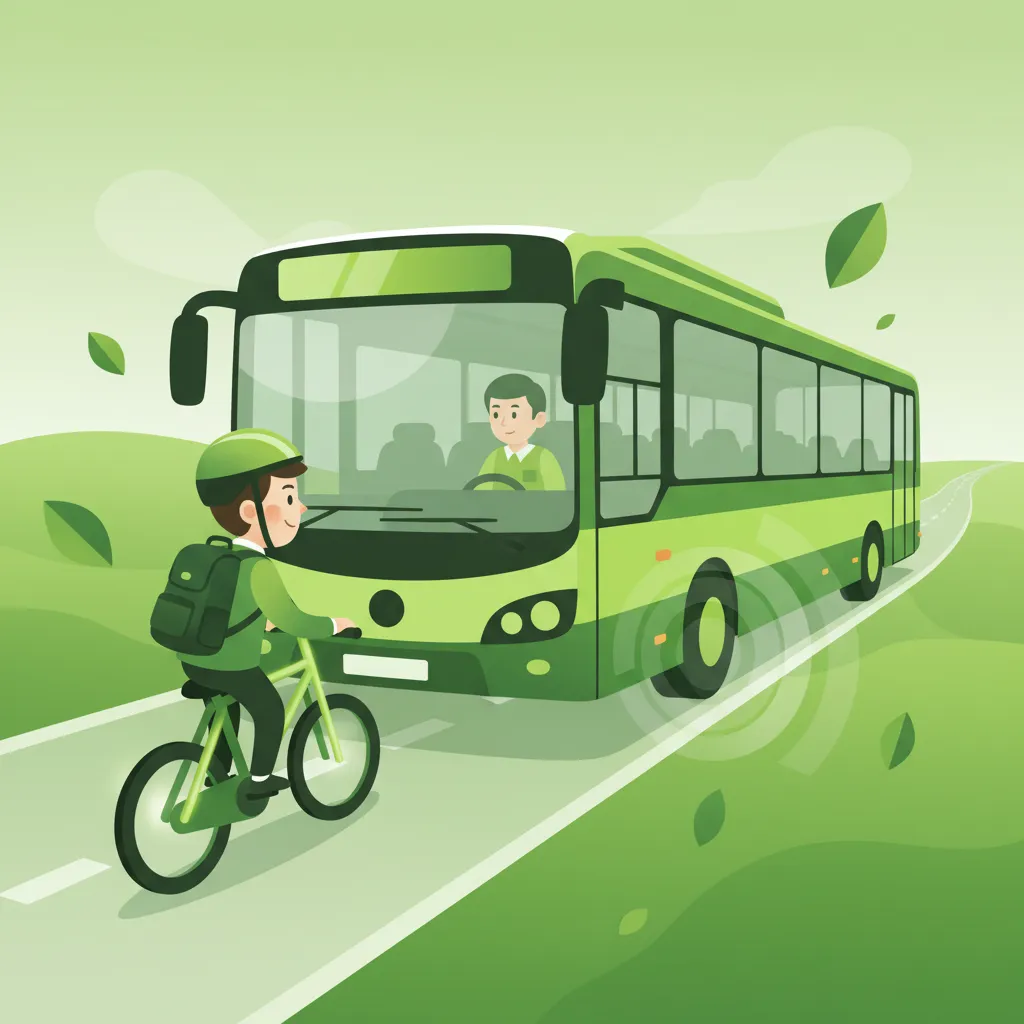
This lesson focuses on the specific hazards and techniques for safely sharing the road with heavy goods vehicles (HGVs) and buses. It provides a detailed explanation of their extensive blind spots ('dode hoek') and teaches riders where to position themselves to remain visible. The curriculum also covers how to manage the significant air turbulence created by these vehicles when overtaking and how to anticipate their wide turning circles at junctions and roundabouts.
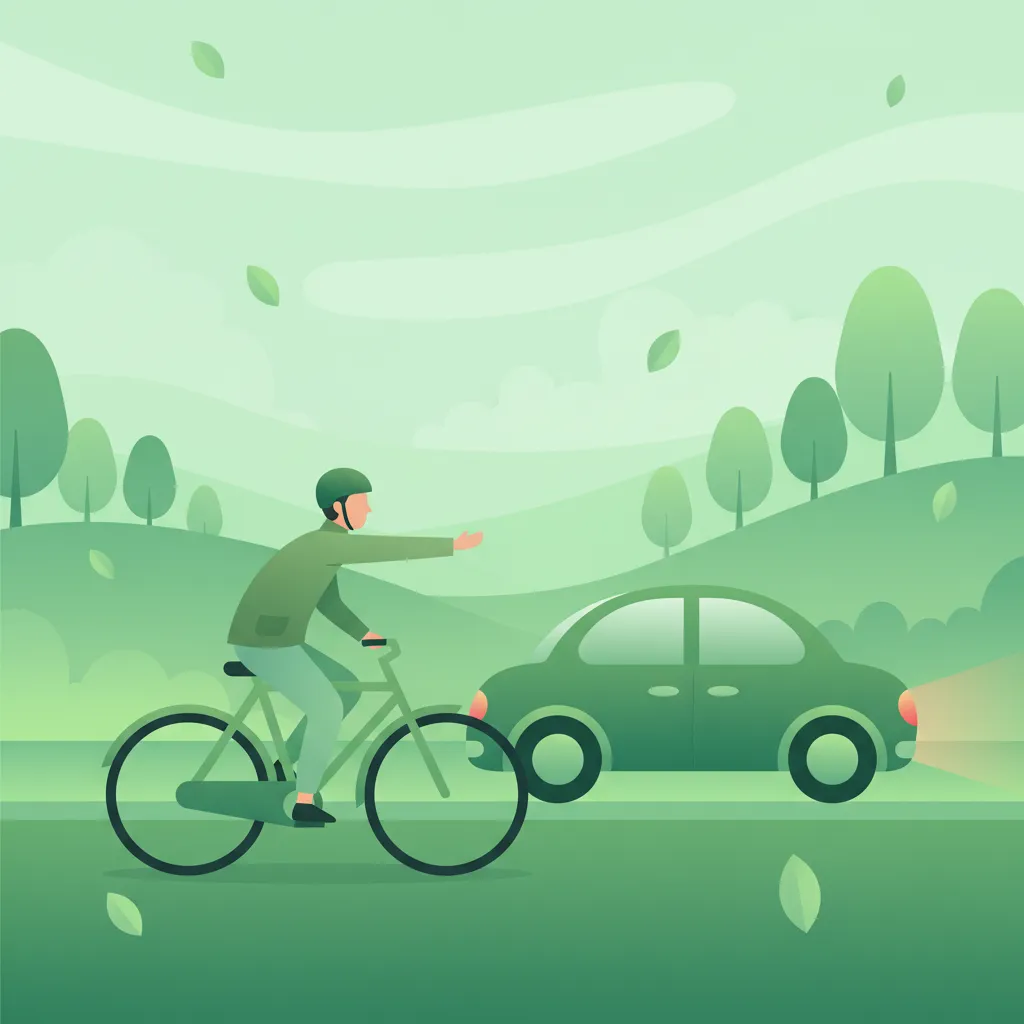
This lesson provides a detailed framework for how motorcyclists must safely and legally interact with diverse road users, including cars, trucks, cyclists, and pedestrians. It covers the required communication signals, anticipatory behaviors, and specific positioning techniques necessary to coexist in complex traffic environments like urban centers and shared spaces. Emphasis is placed on legal expectations and practical methods that actively reduce collision risk and promote smooth traffic flow.
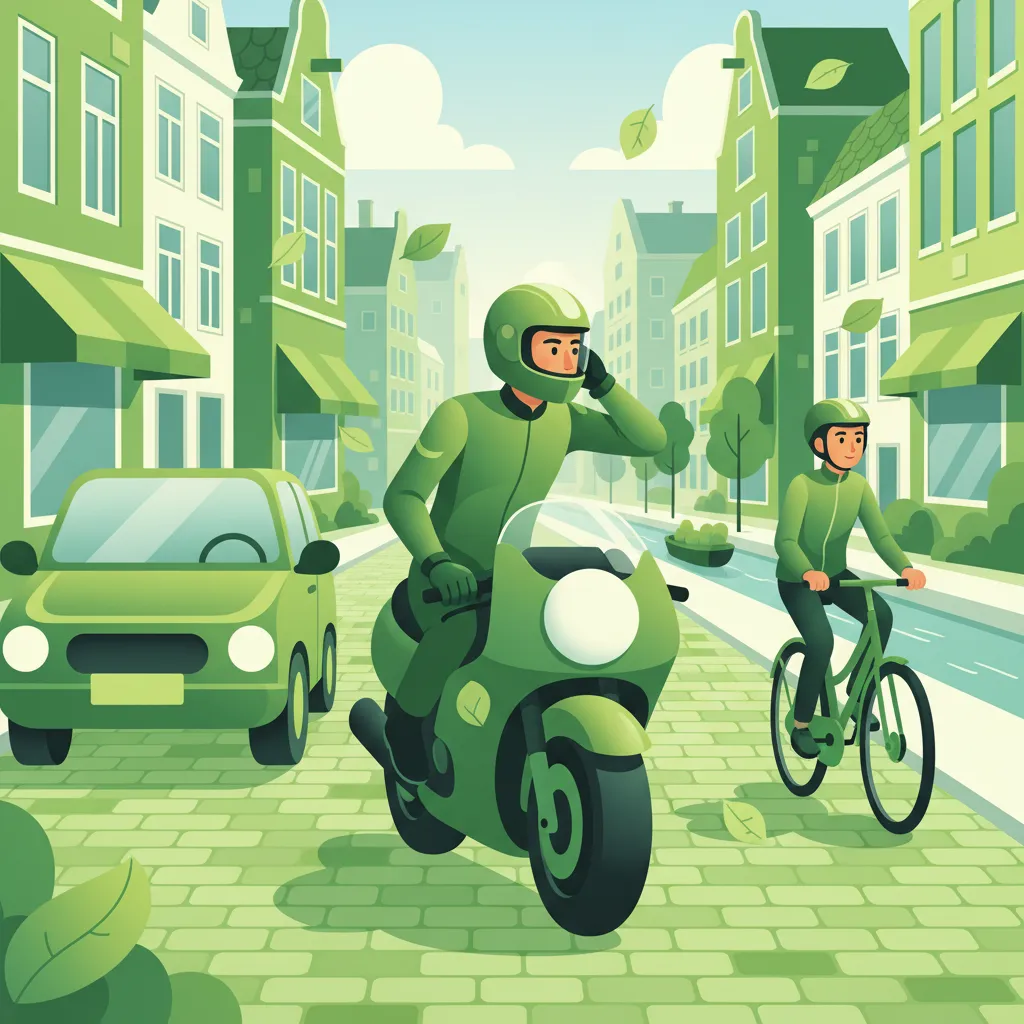
This lesson provides critical instruction on managing blind spots ('dode hoek') to prevent collisions, particularly during lane changes. It covers the correct setup and use of mirrors, but stresses their limitations and the absolute necessity of the 'lifesaver' shoulder check before any lateral movement. Furthermore, it teaches riders how to be aware of the large blind spots around cars and especially trucks, and how to position themselves on the road to remain visible to other drivers at all times.
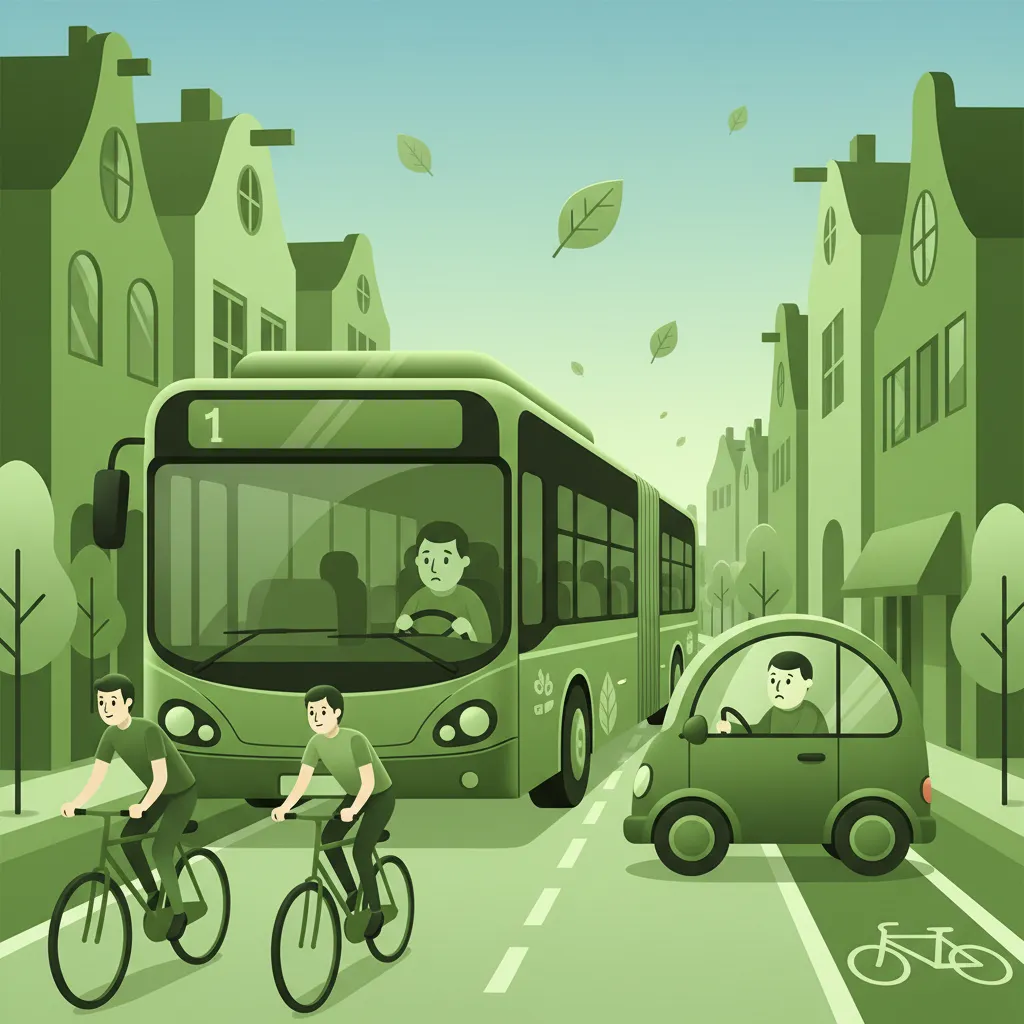
This lesson covers strategies for safely navigating around vehicles at both ends of the size spectrum. It details the large blind spots ('no-zones') around trucks and buses and advises on where to position a motorcycle to remain visible. Equally, it emphasizes the duty of care towards vulnerable road users, teaching riders to anticipate the movements of pedestrians and cyclists and to always provide them with ample space when passing.
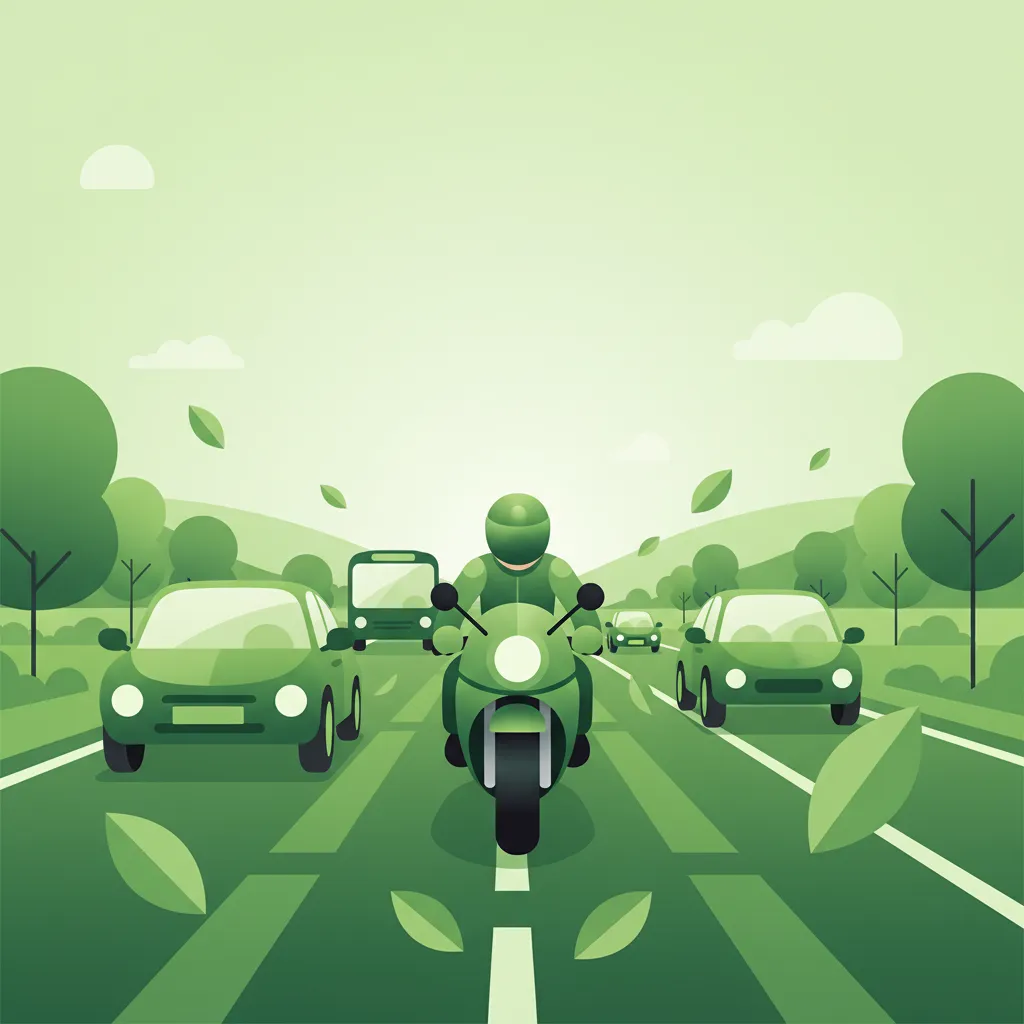
This lesson explains the concept of strategic lane positioning, moving beyond simply staying in the center of the lane. It details how to select a position—typically in the left or right wheel track of cars—to be more visible in other drivers' mirrors, avoid the slippery center strip, and maintain a space cushion. The content emphasizes constantly adjusting position based on traffic, road conditions, and potential hazards.
Find clear answers to common questions learners have about Priority at Tram Crossings (tramoversteek). Learn how the lesson is structured, which driving theory objectives it supports, and how it fits into the overall learning path of units and curriculum progression in the Netherlands. These explanations help you understand key concepts, lesson flow, and exam focused study goals.
Generally, yes, trams have priority on their own tracks and when entering intersections, unless specific traffic signs (like a 'right of way' sign) or traffic light signals explicitly state otherwise. You must always be prepared to yield to an approaching tram.
The primary hazards are the steel rails themselves, which offer very little grip, especially when wet or icy. Riding over or across them at an angle can cause your wheels to slip, leading to a loss of control. Additionally, trams are heavy and have long stopping distances, making it crucial to anticipate their movements.
If possible, cross tram tracks at a right angle to minimise the risk of your wheels getting caught. Slow down before the tracks and ensure you have enough space and a clear path. If you need to cross them at an angle, do so smoothly and with caution, especially if the tracks are wet.
Yes, sometimes trams have their own specific traffic light signals, often consisting of white 'light signals' (often two in a row, or a 'U' shape). These indicate whether the tram has permission to proceed. You must obey these signals if they apply to your situation.
If a tram shares the same lane, you must allow it to proceed. Never overtake a tram that is stopped to pick up or drop off passengers, as people may be crossing in front of it. Maintain a safe distance and be aware of the tram's potential movements, including sudden stops or turns.