
Welcome to the lesson on Eco-Driving and Environmental Awareness, the final part of the 'Emergencies, Breakdowns, and Accidents' unit. This lesson introduces 'Het Nieuwe Rijden', focusing on how efficient driving techniques reduce fuel consumption and environmental impact. Understanding these principles is crucial not only for your Dutch driving theory exam but also for responsible, modern-day driving.
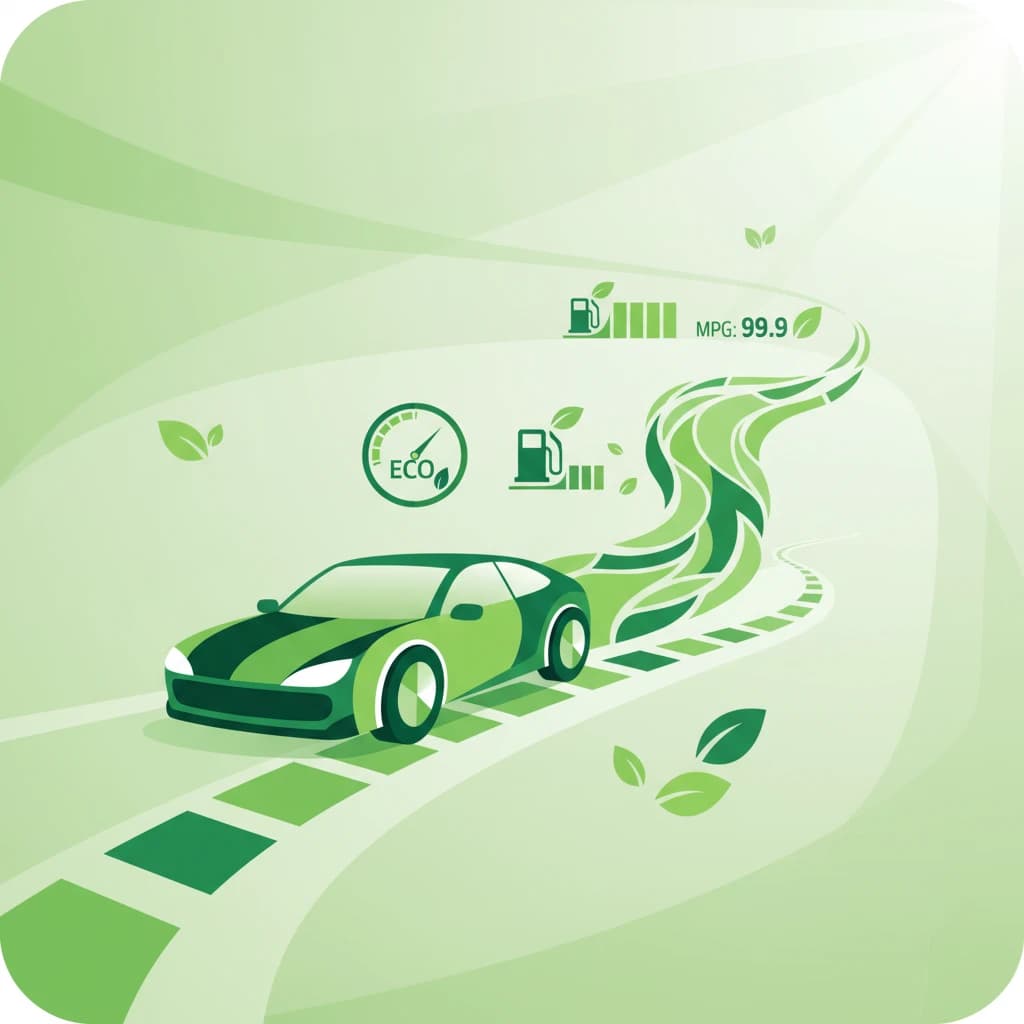
Driving a vehicle comes with significant responsibilities, not only for safety on the road but also for environmental impact. In the Netherlands, this sustainable approach to driving is often referred to as 'Het Nieuwe Rijden' (The New Way of Driving). This comprehensive lesson will introduce you to the core principles of eco-driving, practical techniques to reduce fuel consumption and emissions, and essential information about environmental zones (milieuzones) and their implications for drivers. Understanding and applying these principles will not only contribute to a healthier environment but also lead to substantial savings on operating costs and improved road safety for everyone.
Eco-driving, or 'Het Nieuwe Rijden' as it's known in the Netherlands, is a collection of driving behaviors and techniques designed to enhance fuel efficiency, minimize exhaust emissions, and improve overall road safety and comfort. It's not about driving slower, but rather smarter and more consciously, by optimizing the interaction between the driver, the vehicle, and the road environment. This approach is crucial for Dutch driving license B candidates, as it aligns with national climate targets and promotes responsible vehicle operation.
The benefits of adopting eco-driving principles are multifaceted, impacting your personal finances, vehicle longevity, and the broader environment.
At its heart, eco-driving is based on two fundamental principles:
The Dutch road safety law implicitly supports responsible driving that balances mobility, environmental protection, and public health. This includes mandates for vehicle maintenance, such as correct tire pressure, and municipal enforcement of "Milieuzones" to restrict highly polluting traffic.
Mastering eco-driving involves integrating several key principles into your daily driving habits. Each principle contributes to a more efficient, safer, and environmentally friendly journey.
Abrupt acceleration and hard braking are major contributors to high fuel consumption and increased emissions. A smooth driving style ensures that the engine operates efficiently and minimizes wear on vehicle components.
Imagine there's an egg between your foot and the accelerator pedal. Accelerate so gently that you wouldn't crack it. This helps develop a smooth touch.
For manual transmission vehicles, shifting into a higher gear sooner than you might typically do, without letting the engine "struggle," is a cornerstone of eco-driving.
One of the simplest yet most overlooked aspects of eco-driving is ensuring your tires are correctly inflated according to the manufacturer's recommendations.
Beyond specific techniques, eco-driving is fundamentally a mindset. It involves being constantly mindful of your environment, the economy of your driving, and overall safety. This attitude encourages continuous self-assessment and improvement of your driving performance, leading to sustained efficiency gains and reduced risk aversion.
The Netherlands, like many European countries, implements environmental zones, known as 'Milieuzones', in various cities to improve local air quality by restricting access for older, more polluting vehicles. As a driver, it's crucial to understand these zones and their regulations.
A Milieuzone is a designated area within a city where entry is prohibited or restricted for vehicles that do not meet specific Euro emission standards. These zones are typically found in urban centers with high traffic volumes and air pollution concerns.
Before entering an unfamiliar city, especially one known for its Milieuzones like Amsterdam, Rotterdam, or Utrecht, it's essential to check the specific regulations.
Entering a Milieuzone with a prohibited vehicle without a valid permit can result in a fine. For example, in many Dutch cities, a typical fine for such a violation is around €50. This fine is enforceable by municipal authorities.
Every time you drive, your vehicle consumes fuel and emits exhaust gases. Understanding how these processes work and what influences them can help you make more environmentally conscious choices.
Vehicle emission testing is a mandatory part of the periodic vehicle inspection (APK) in the Netherlands, ensuring vehicles meet current Euro standards.
A common misunderstanding is that stopping at every red light to turn off the engine automatically saves fuel. While prolonged idling is wasteful, frequent engine shutdowns and restarts can sometimes consume more fuel and increase wear on the starter motor and battery, especially if the stop is very brief. Modern cars with start-stop systems manage this automatically.
Modern vehicles are equipped with various technologies that can assist drivers in adopting eco-driving principles and improving fuel efficiency.
Adaptive Cruise Control is an advanced system that not only maintains a set speed but also automatically adjusts the vehicle's speed to maintain a safe following distance from the car ahead.
Modern vehicles often feature automated lighting systems that turn headlights on/off based on ambient light conditions or wipers. While primarily safety features, these reduce energy waste from forgetting to turn lights off. Always ensure your lights are appropriate for the conditions, regardless of automation.
Eco-driving and environmental awareness are not just recommendations; they are integrated into the broader legal and policy landscape of the Netherlands and the European Union.
Municipalities enforce Milieuzones through local ordinances, such as the "Amsterdams Verkeersreglement" (Amsterdam Traffic Regulation). These regulations detail vehicle prohibitions, permit systems, and enforcement measures.
The Netherlands adheres to national and European directives aimed at reducing vehicle emissions, such as the EU Green Deal and the Dutch Climate Agreement 2030. These policies set ambitious targets for average fleet CO₂ emissions and promote the shift towards cleaner transport. The collective eco-driving behavior of individual drivers contributes significantly to achieving these national environmental goals.
Even with good intentions, drivers can sometimes make errors that undermine eco-driving efforts or lead to violations.
| Scenario | Why it's Wrong | Correct Behavior | Consequence |
|---|---|---|---|
| Driving 85 km/h in a residential area (50 km/h limit). | Exceeds the speed limit, wastes fuel, and is unsafe. | Reduce speed to 50 km/h and maintain a smooth, steady pace. | Fine, points on license (if applicable), increased fuel consumption, higher risk of accident. |
| Using cruise control on a winding, single-lane country road with frequent turns. | Cruise control is less efficient in situations requiring frequent speed adjustments. | Deactivate cruise control and manually manage speed for better control and efficiency. | Reduced braking efficiency, potential loss of control, higher fuel consumption due to inconsistent speed. |
| Over-inflating tires beyond manufacturer's recommendation for "better fuel economy." | Leads to reduced tire contact patch, uneven wear, and potential tire damage. | Inflate tires to the manufacturer's specified PSI/Bar at room temperature. | Reduced safety (less grip), premature tire wear, potential tire failure. |
| Entering a Milieuzone during restricted hours without a permit. | Violates local ordinances designed to protect air quality. | Check zone rules; obtain a permit or plan an alternate route. | Fine, potential impounding of vehicle (in severe cases). |
| Harsh acceleration at every stop without checking the road ahead. | Wastes fuel, increases emissions, and puts strain on the engine. | Scan ahead, anticipate stopping points, and decelerate early and smoothly. | Increased risk of rear-end collisions, higher fuel consumption, faster vehicle wear. |
| Ignoring tire pressure changes due to seasonal temperature shifts. | Cold weather reduces tire pressure, increasing rolling resistance and reducing safety. | Check tire pressure regularly, especially before long trips and with significant temperature changes. | Lower fuel efficiency, unsafe handling, increased risk of tire failure. |
Eco-driving is not a one-size-fits-all approach; it requires adaptation based on various external and internal factors.
Understanding the cause-and-effect relationships in eco-driving reinforces why these techniques are so effective.
This lesson has provided a deep dive into eco-driving and environmental awareness, critical aspects for any responsible driver in the Netherlands.
By integrating these principles, you become not just a skilled driver, but a sustainable one, contributing to a safer and healthier environment for everyone in the Netherlands.
Lesson content overview
Explore all units and lessons included in this driving theory course.
Explore search topics learners often look for when studying Eco-Driving and Environmental Awareness. These topics reflect common questions about road rules, driving situations, safety guidance, and lesson level theory preparation for learners in the Netherlands.
Browse additional driving theory lessons that cover connected traffic rules, road signs, and common driving situations related to this topic. Improve your understanding of how different rules interact across everyday traffic scenarios.
Learn the principles of 'Het Nieuwe Rijden' for fuel efficiency and reduced emissions. Understand how Dutch environmental zones (milieuzones) work and their impact on drivers, ensuring compliance with traffic regulations.
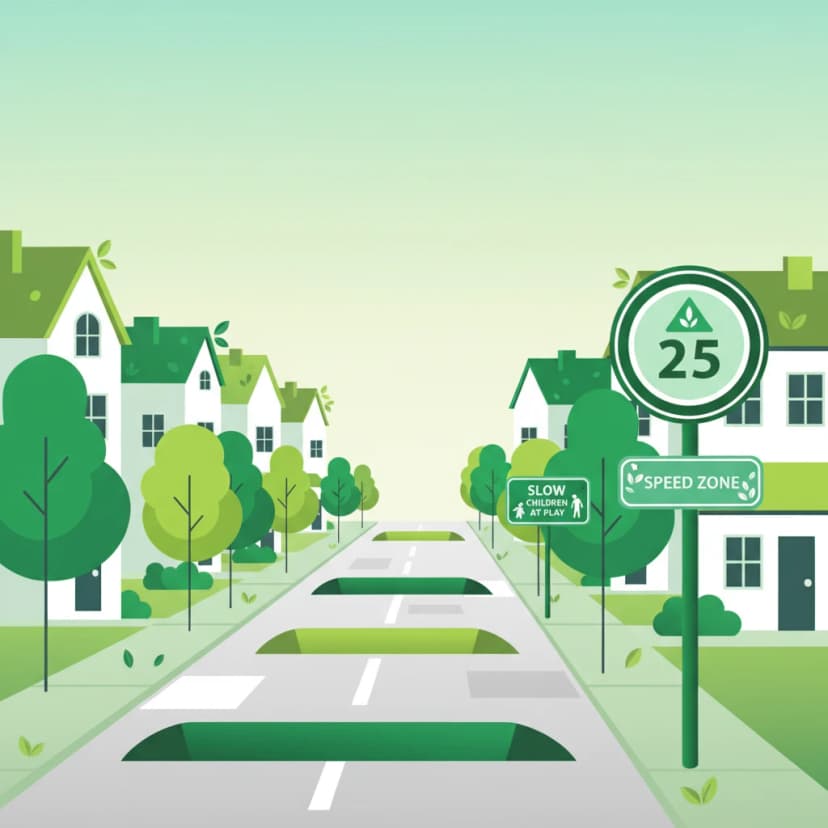
This lesson explains speed limits in specially designated zones designed to protect vulnerable road users. You will learn the rules of a 'woonerf' (home zone), where the speed limit is walking pace (max 15 km/h) and pedestrians can use the full width of the road. The content also covers 30 km/h zones, common in residential areas and around schools, which are often enforced through road design like speed bumps. Understanding the purpose and rules of these zones is key to driving responsibly in urban environments.
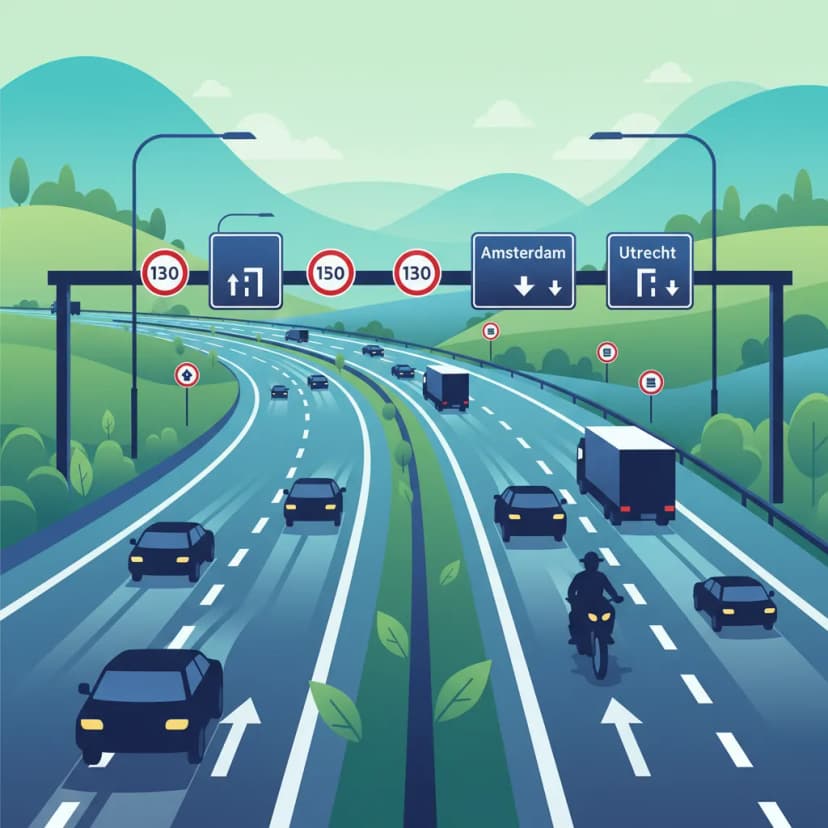
This lesson details the specific regulations for driving on Dutch motorways, identifiable by the G1 sign. You will learn the correct procedure for joining the flow of traffic using the acceleration lane and for leaving via the deceleration lane. The curriculum reinforces the 'keep right unless overtaking' rule for lane discipline. It also explains that stopping is strictly forbidden, and the hard shoulder (vluchtstrook) may only be used for genuine emergencies.
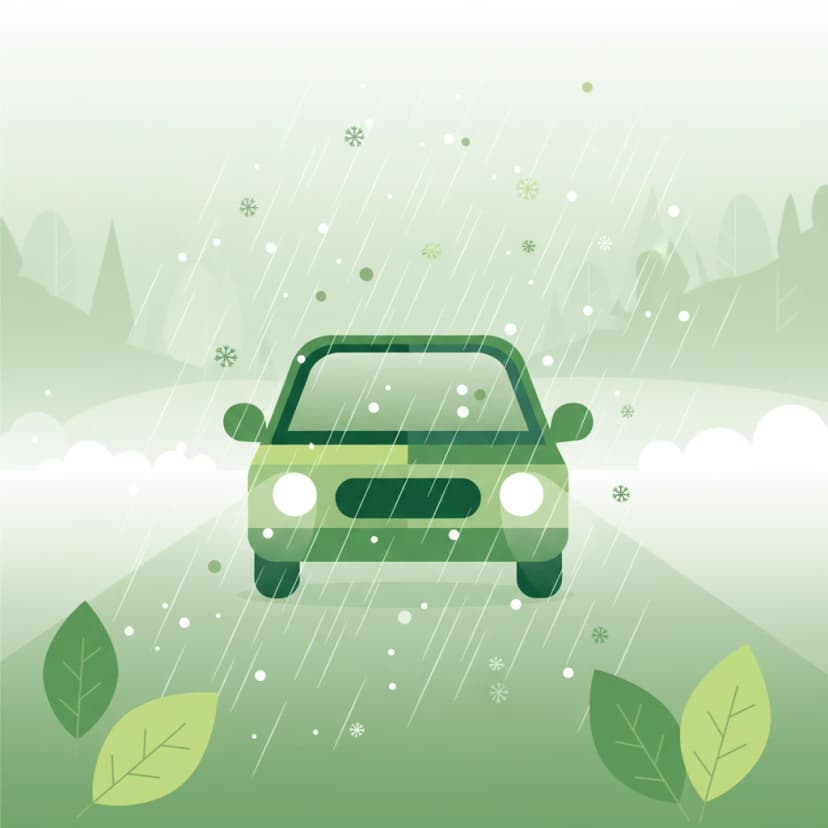
This lesson provides practical advice for driving in challenging weather. You will learn about the risk of aquaplaning in heavy rain and how to react, as well as how to manage the effects of strong crosswinds. The curriculum covers winter driving, explaining the danger of black ice, the benefits of winter tires, and techniques for avoiding and correcting a skid. A key focus is on adjusting driving style: increasing following distances, reducing speed, and making gentle steering and braking inputs.
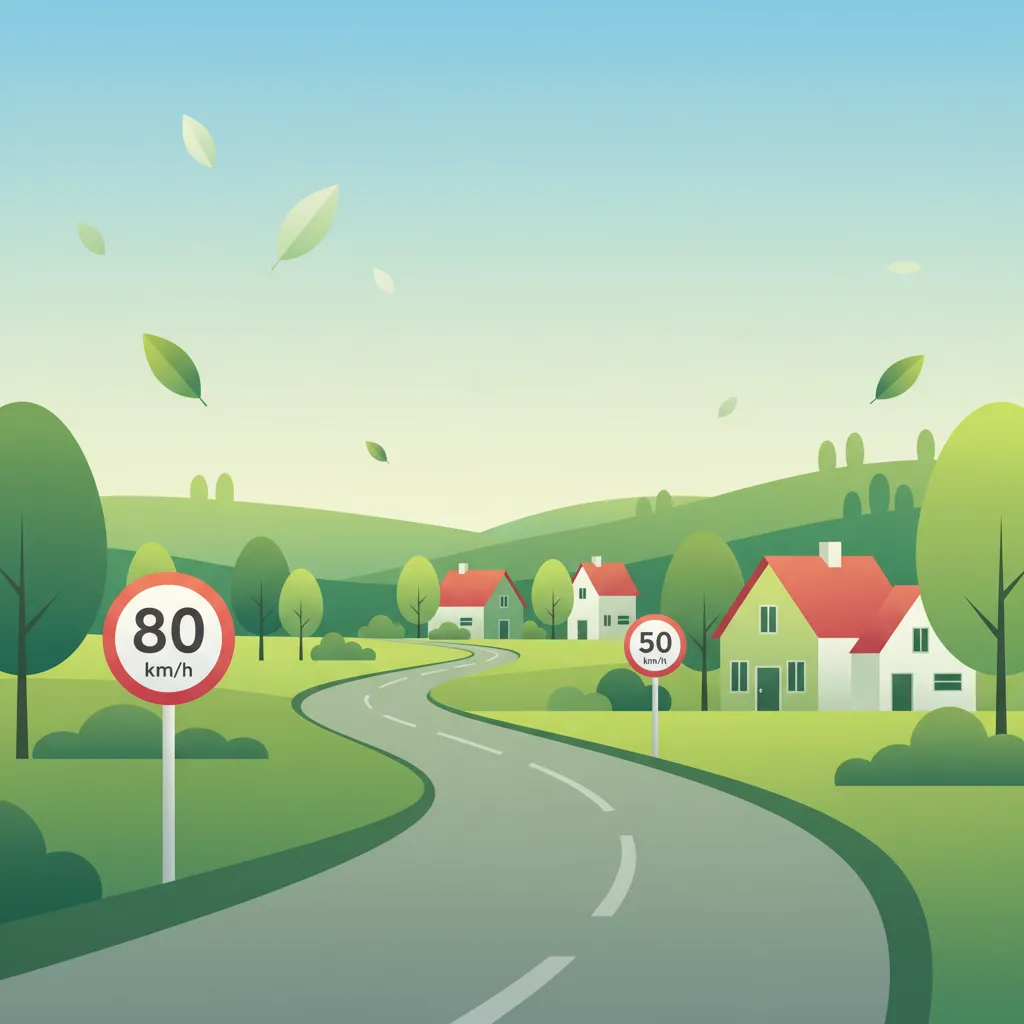
This lesson focuses on identifying different types of speed zones and understanding the rationale behind their limits. It explains how to recognize the start and end of a 'built-up area' ('binnen de bebouwde kom') via place-name signs and discusses special zones like 30 km/h zones and 'woonerven' (residential yards). The curriculum emphasizes adapting riding style to the specific hazards present in each type of zone, from high pedestrian activity in urban areas to unexpected curves on rural roads.
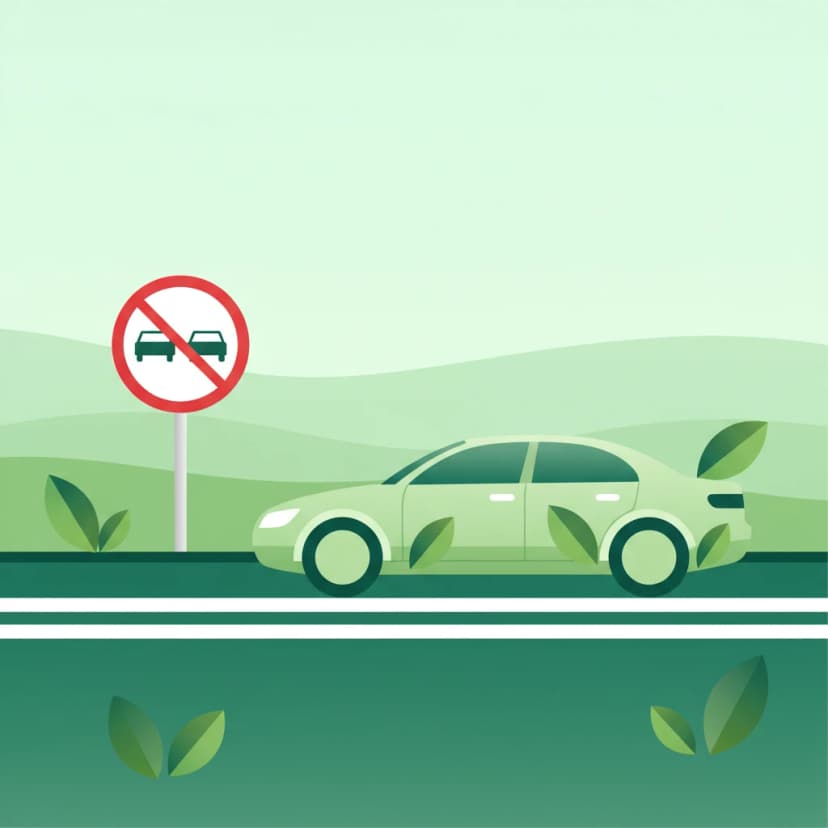
This lesson covers the core principle of road positioning in the Netherlands: drive as far to the right as is safely possible. You will learn why this rule is critical for maintaining traffic flow and preventing conflicts with oncoming and overtaking vehicles. The curriculum explains how to apply this rule on different road types, from single-lane rural roads to multi-lane motorways. It also discusses maintaining a safe lateral distance from the edge of the road, parked cars, and vulnerable road users like cyclists.
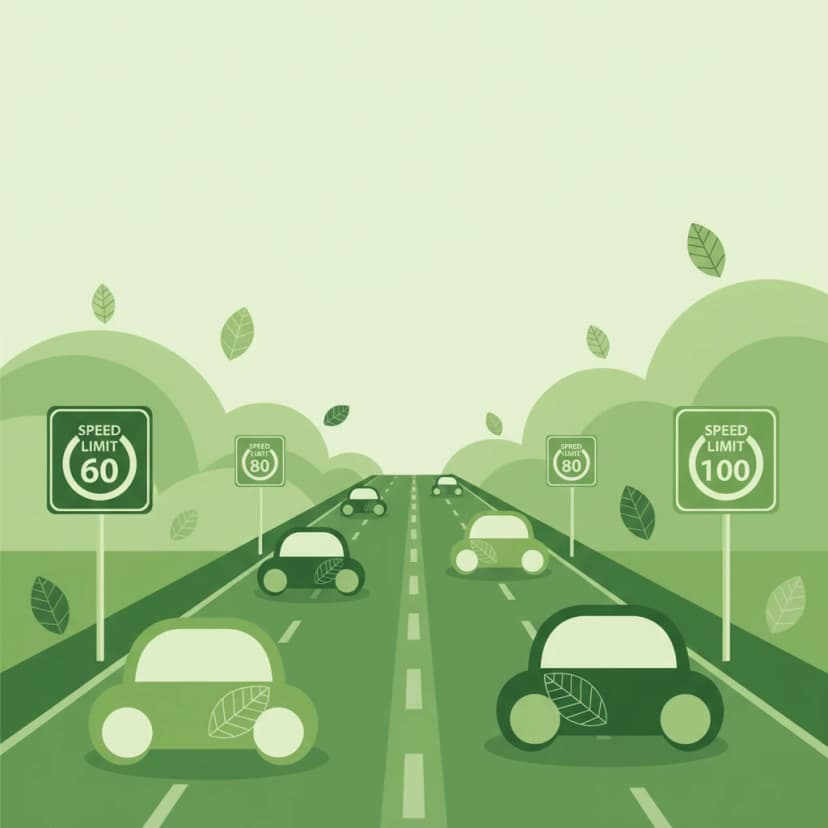
This lesson focuses on the specific speed regulations for major highways in the Netherlands. You will learn to identify an 'autosnelweg' (motorway, G1 sign), where the speed limit is 100 km/h between 6:00 and 19:00 and often 130 km/h at other times, unless indicated otherwise. The lesson also covers the 'autoweg' (expressway, G3 sign), which typically has a speed limit of 100 km/h. Furthermore, you will study dynamic speed limits indicated on electronic signs, which can change due to traffic or weather conditions.
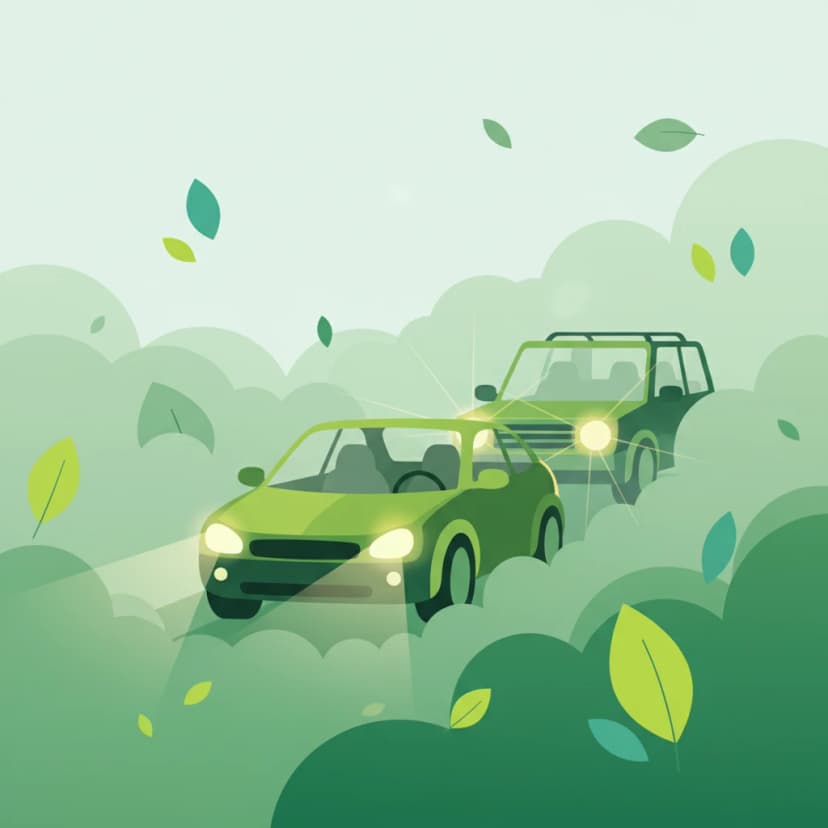
This lesson focuses on the use of specialized lights for specific situations. You will learn the strict conditions under which fog lights may be used: the rear fog light is only permitted when visibility from fog or snow is less than 50 meters, and not in rain. The lesson also explains the correct use of hazard warning lights, which are intended to warn other drivers of a stationary obstruction (like a breakdown or the tail end of a sudden traffic jam) or while being towed.
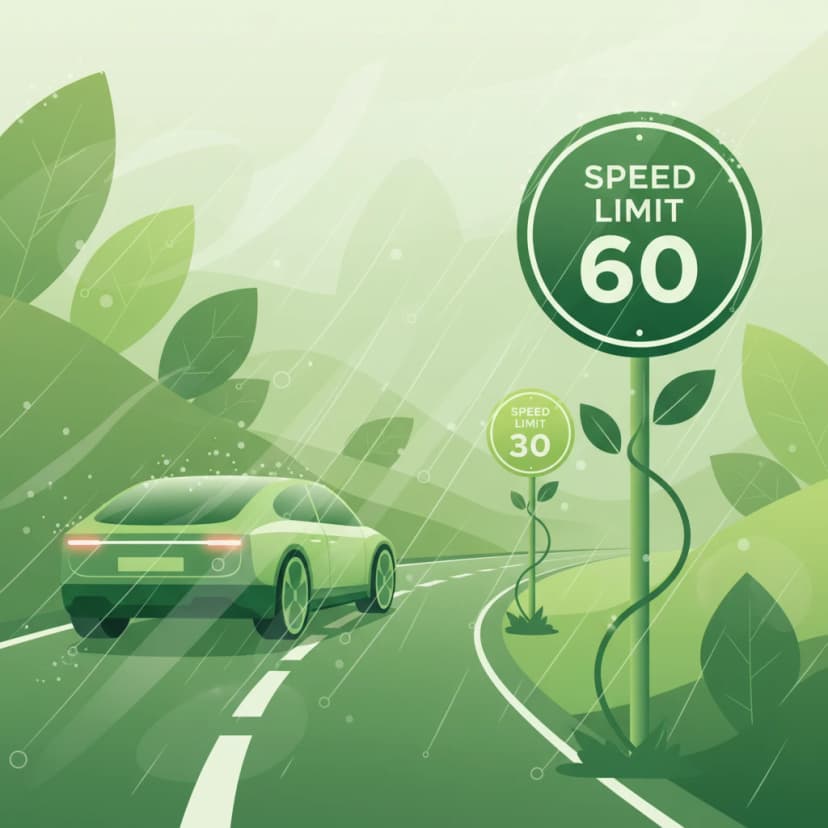
This lesson emphasizes the critical importance of adapting your speed to prevailing conditions, which may require driving slower than the legal limit. You will learn how factors like rain, fog, snow, and darkness significantly increase braking distances and reduce visibility. The curriculum explains the dangers of aquaplaning on wet roads and black ice in winter. The core principle taught is that a safe driver always adjusts their speed to ensure they can stop within the distance they can see to be clear.
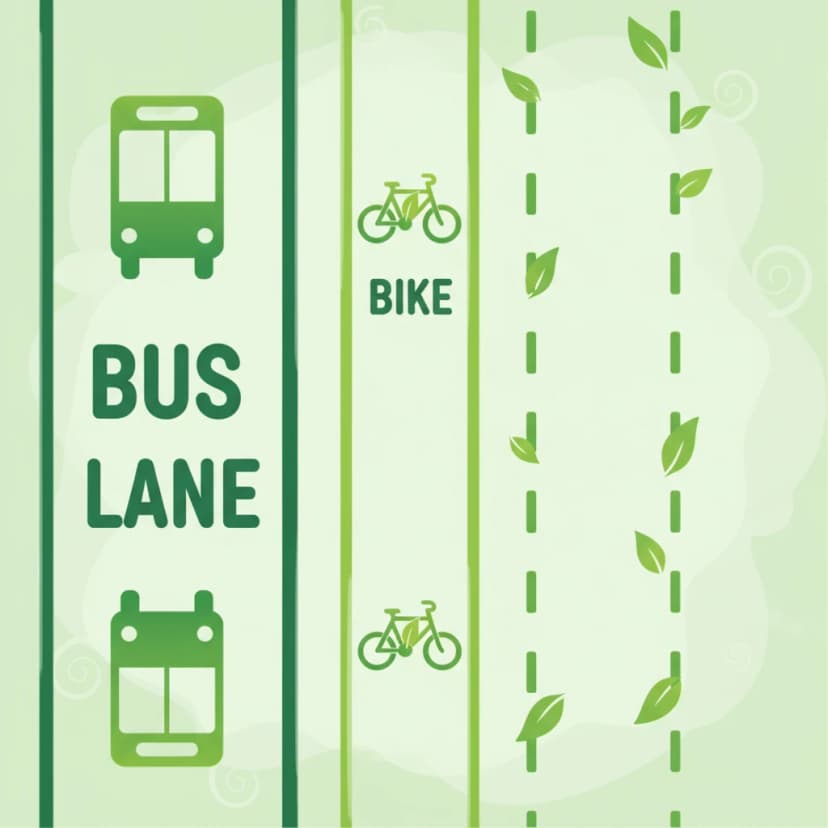
This lesson covers a variety of lanes and markings with specific rules. You will learn to recognize and respect bus lanes, which are reserved for public transport, and rush-hour lanes (spitsstrook), which are only open during busy periods as indicated by electronic signs. The curriculum also explains the meaning of different line types (solid, broken, double lines) that dictate whether lane changes or overtaking are permitted. Understanding these special lanes and markings is key to navigating Dutch infrastructure correctly.
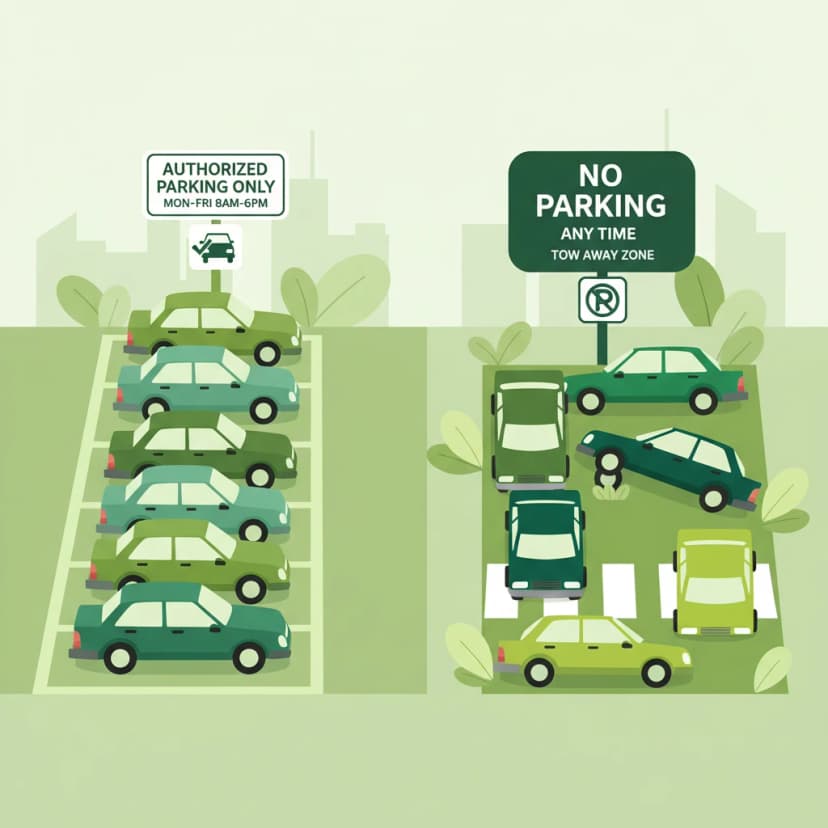
This lesson clarifies the legal distinction between stopping (briefly, while the driver remains with the vehicle) and parking (leaving the vehicle). You will learn to recognize signs and road markings, such as yellow lines, that indicate where stopping or parking is prohibited. The curriculum covers rules for parking in designated zones, such as blue zones requiring a parking disc, and provides a list of locations where parking is always forbidden, for example, on a cycle path or too close to an intersection.
Explore typical errors drivers make with eco-driving and how factors like weather, road type, and vehicle load influence efficiency. Understand specific Dutch traffic rules related to sustainable driving.
This lesson focuses on the use of specialized lights for specific situations. You will learn the strict conditions under which fog lights may be used: the rear fog light is only permitted when visibility from fog or snow is less than 50 meters, and not in rain. The lesson also explains the correct use of hazard warning lights, which are intended to warn other drivers of a stationary obstruction (like a breakdown or the tail end of a sudden traffic jam) or while being towed.
Find clear answers to common questions learners have about Eco-Driving and Environmental Awareness. Learn how the lesson is structured, which driving theory objectives it supports, and how it fits into the overall learning path of units and curriculum progression in the Netherlands. These explanations help you understand key concepts, lesson flow, and exam focused study goals.
'Het Nieuwe Rijden' translates to 'The New Driving' and refers to a set of driving techniques aimed at reducing fuel consumption and emissions. It emphasizes anticipating traffic, driving smoothly, shifting gears efficiently, and maintaining your vehicle properly.
By looking ahead and anticipating traffic lights, slower vehicles, or potential hazards, you can avoid hard braking and sudden acceleration. This allows for a smoother driving style, which uses significantly less fuel and reduces wear on your brakes and tires.
Underinflated tires create more rolling resistance, forcing your engine to work harder and consume more fuel. Regularly checking and maintaining the correct tire pressure, as specified in your vehicle's manual, improves fuel efficiency and tire lifespan.
Environmental zones are areas in some Dutch cities where access is restricted for older, more polluting vehicles. These zones are implemented to improve air quality. Your driving theory exam may include questions about recognizing signs related to these zones and understanding their purpose.
For petrol (gasoline) engines, aim to shift into the next gear around 2000-2500 RPM. For diesel engines, this might be slightly lower, around 1500-2000 RPM. The goal is to keep the engine running efficiently without over-revving or labouring.