Logo
Dutch Driving Theory Courses

Lesson 3 of the Human Factors, Fatigue, and Group Riding Etiquette unit

Dutch Motorcycle Theory (A2): Planning Long-Distance Journeys

This lesson provides a practical framework for planning safe and enjoyable multi-day motorcycle journeys, essential for A2 riders on Dutch roads. It expands on managing human factors by equipping you with the skills to proactively prepare your motorcycle and yourself for extended trips. Understanding these planning elements is crucial for both the CBR theory exam and real-world riding confidence.

Motorcycle journey planningLong distance ridingA2 license theoryCBR exam prepRider safety
Dutch Motorcycle Theory (A2): Planning Long-Distance Journeys
Dutch Motorcycle Theory (A2)

Planning Safe Long-Distance Motorcycle Journeys in the Netherlands

Embarking on a long-distance motorcycle journey is an exhilarating experience, offering freedom and adventure on the open road. However, these trips, especially multi-day excursions on a Category A2 (35 kW) motorcycle, demand meticulous preparation. Comprehensive planning reduces risks, enhances safety, and ensures compliance with Dutch traffic laws. This lesson provides a practical, step-by-step framework to plan a successful and safe multi-day motorcycle adventure across varied road environments, from urban streets to winding rural roads and the autosnelweg (highway).

The Importance of Thorough Motorcycle Trip Planning

Effective planning for long-distance motorcycle journeys is paramount for several critical reasons. It directly contributes to preventing fatigue-related incidents, ensures your motorcycle remains roadworthy and legally compliant, optimizes fuel consumption, and ultimately maximizes your safety and enjoyment on the road. Without a systematic approach, riders can face unexpected mechanical failures, become stranded due to lack of fuel, or experience significant fatigue that impairs judgment and reaction times. This preparation is a blend of understanding legal requirements, vehicle mechanics, human physiology, and environmental factors.

Prioritizing Safety in Motorcycle Travel Planning

Every decision made during the planning phase, from route selection to equipment choices, must place rider safety at the forefront. This principle guides the limits set for daily distances, the frequency and duration of rest stops, and the selection of contingency routes. By prioritizing safety, you actively mitigate exposure to preventable hazards such as mechanical breakdowns, adverse weather conditions, and rider fatigue, which is a major contributor to accidents.

Adherence to Dutch traffic law, specifically the Reglement Verkeersregels en Verkeerstekens 1990 (RVV 1990), and relevant European standards, is not merely about avoiding fines. It ensures your motorcycle is roadworthy and that you are equipped and behave in a manner that does not endanger yourself or other road users. This includes regular vehicle inspections, proper tyre tread depth, correct chain tension, and the mandatory use of approved helmets and protective clothing.

Efficient Fuel and Energy Management for Long Rides

Calculating your motorcycle's fuel consumption based on various factors like distance, load, terrain, and anticipated weather is crucial. This proactive approach ensures you always have sufficient fuel, preventing inconvenient and potentially unsafe situations where you might run out in remote areas. It also helps in planning efficient stops, reducing unnecessary detours, and contributing to better environmental practices. A minimum 10% fuel reserve in your tank is a highly recommended safety buffer.

Mastering Motorcycle Load Distribution and Packing for Stability

Properly securing and distributing luggage and gear is vital to maintain the motorcycle's centre of gravity (CG) within safe, manufacturer-specified limits. Incorrect load distribution can severely compromise handling stability, increase tyre wear, and even lead to dangerous load-shift accidents, particularly during cornering, braking, or encountering crosswinds. It's essential to use appropriate luggage systems like saddlebags and rear racks, ensuring weight is balanced side-to-side and front-to-back.

Adapting Your Ride to Weather Conditions and Forecasts

Integrating accurate short-term (24-hour) and medium-term (3-day) weather forecasts into your planning allows you to adapt proactively. Weather can drastically affect road traction, visibility, and rider comfort. Responsive planning means adjusting tyre pressures, selecting appropriate riding gear, and being prepared to alter your route or schedule if severe conditions are anticipated, such as heavy rain, strong winds, or fog.

Effective Fatigue Management for Motorcycle Riders

Structured breaks, realistic daily mileage targets, and good sleep hygiene are critical components of fatigue management. Long hours of continuous riding without adequate rest significantly increase the risk of cognitive decline, elongated reaction times, and even microsleeps—brief, involuntary episodes of sleep that can be catastrophic on a motorcycle. A recommended minimum of a 30-minute break every two hours of riding is a good guideline to follow.

Ensuring Navigation and Communication Redundancy

In today's digital age, relying solely on one navigation system or communication method can be risky. Planning to use at least two independent navigation methods (e.g., a GPS device coupled with an offline map application or a physical paper map) ensures route continuity even if your primary system fails due to battery drain or loss of signal. Similarly, carrying a fully charged mobile phone along with an alternative emergency beacon or a detailed emergency contact list provides critical communication redundancy.

Detailed Planning Steps for Your Journey

Beyond core principles, practical application involves a series of detailed steps to ensure every aspect of your long-distance trip is covered.

Strategic Route Selection for Motorcycle Trips

Choosing your route involves more than just finding the shortest distance. Consider the types of roads you'll encounter – high-speed autosnelwegen (highways), winding rural roads, or potentially congested urban areas. Factor in your riding experience and comfort level with different road conditions.

Definition

Route Selection

The process of choosing a safe, legal, and efficient path between your origin and destination, considering road type, traffic density, and rider experience.
  • Primary Route: Your main planned path.
  • Alternative Routes: Essential for navigating unexpected road closures, construction, or adverse weather.
  • Scenic vs. Direct: Decide if you prioritize a faster journey or a more enjoyable, picturesque ride. Remember to avoid prohibited motorcycle lanes or areas where motorcycles are restricted.

Setting Realistic Daily Mileage for A2 Motorcycle Riders

Your daily mileage target should be carefully set, taking into account your stamina, the motorcycle's capabilities, anticipated weather, and the terrain. For A2 riders, covering excessive distances can lead to accelerated fatigue.

Definition

Daily Mileage Planning

Setting a target distance to be covered each day, factoring in rider stamina, weather, terrain, and legal speed limits.
  • Conservative Mileage: Up to 200 km per day.
  • Moderate Mileage: 200-300 km per day.
  • Aggressive Mileage: Over 300 km per day (generally not recommended for multi-day A2 tours under normal conditions due to cumulative fatigue).

While there's no statutory daily limit for private riders, fatigue guidelines strongly recommend keeping daily distances to a maximum of 250-300 km for A2 riders under normal circumstances, especially on multi-day trips where fatigue accumulates.

Implementing Essential Rest and Break Schedules

Regular breaks are not optional; they are a critical safety measure. They allow for physical rest, hydration, nutrition, and vital mental recovery.

Definition

Rest and Break Planning

Scheduling regular pauses for physical rest, hydration, food, and mental recovery.
  • Short Breaks (≤ 15 min): Ideal for quick hydration, stretching, and checking your motorcycle.
  • Standard Breaks (30 min): Recommended every two hours of continuous riding for more substantial rest and a meal. This guideline, though typically for commercial drivers, is excellent practice for all riders to prevent fatigue.
  • Overnight Rests (≥ 6-8 h sleep): Absolutely essential to fully recover from the day's ride and prepare for the next.

Optimizing Fuel Consumption and Refueling Strategy

Understanding your motorcycle's fuel economy is fundamental. Plan your refueling stops in advance, especially when traveling through remote areas or on Sundays when some smaller stations might be closed.

Definition

Fuel Management

Determining fuel consumption rates, planning refuel points, and maintaining a buffer reserve to prevent running out of fuel.
  • Calculate Consumption: Know your motorcycle's average litres per 100 km (L/100km) to estimate your range.
  • Fuel Reserve: Always aim to refuel well before your tank is empty. A minimum 10% reserve is a prudent buffer for unexpected detours or delays.
  • Identify Refuel Points: Mark potential service stations on your route or navigation system. Remember that high winds or mountainous terrain can significantly increase fuel consumption.

Integrating Weather Forecasts into Your Ride Plan

Weather is one of the most unpredictable variables for motorcyclists. Always check both short-term (24-hour) and medium-term (3-day) forecasts.

Definition

Weather Forecast Integration

Incorporating short-term and medium-term weather data into trip planning to adjust for conditions like temperature, precipitation, wind, and visibility.
  • Temperature: Affects tyre pressure, rider comfort, and engine performance. Cold weather contracts air, requiring adjustments.
  • Precipitation: Rain, hail, or snow drastically reduce traction and visibility. Be prepared to adapt your speed or seek shelter.
  • Wind: Headwinds increase fuel consumption, while strong crosswinds can significantly destabilize your motorcycle.
  • Visibility: Fog, mist, or heavy rain demand reduced speed and increased following distance.

Tip

If heavy rain or strong crosswinds are expected, consider reducing your tyre pressure by approximately 0.2 bar to increase the tyre's contact patch for better grip. Remember to adjust back for dry conditions.

Comprehensive Pre-Trip Motorcycle Inspection Checklist

Before any long journey, a thorough inspection of your Category A2 motorcycle is non-negotiable. This prevents mechanical failures, ensures legal compliance, and is a cornerstone of safe riding.

Pre-Trip Motorcycle Inspection (T-CLOCS)

  1. Tyres: Check tread depth (legal minimum 1.6 mm, but ≥ 2 mm recommended for motorcycles), correct pressure (adjust for load and temperature), and inspect for any visual damage, cracks, or embedded objects.
  2. Controls: Verify smooth operation of clutch and brake levers, throttle, and foot controls. Ensure no excessive play.
  3. Lights & Electrics: Test high/low beam, turn signals, brake lights (front and rear activation), horn, and dashboard indicators. Check battery charge (≥ 12.5 V).
  4. Oil & Fluids: Verify engine oil level (check in accordance with manufacturer's instructions), coolant level (if liquid-cooled), and brake fluid level. Note when brake fluid was last replaced (recommended every two years).
  5. Chassis: Inspect frame for cracks, ensure suspension is functioning, and check chain/belt condition.
  6. Side Stand/Centre Stand: Ensure they operate correctly and retract fully.
  7. Chain & Sprockets: Check for correct chain tension (typically 20-30 mm total free play, consult your manual), adequate lubrication, and signs of wear on sprockets (hooked teeth).
  8. Brakes: Inspect brake pad thickness (≥ 1 mm), rotor condition (no deep grooves or discoloration), and brake lever/pedal feel (firm, not spongy).

Smart Load and Packing Strategies for Your Motorcycle

The way you pack and distribute weight significantly impacts your motorcycle's handling characteristics.

Definition

Load Distribution

The method of arranging luggage and equipment so that weight is balanced left-right and fore-aft, keeping the centre of gravity within safe limits.
  • Heavy Items Low and Centred: Place heavier items as low as possible and close to the motorcycle's centreline.
  • Balance Side-to-Side: Aim for equal weight in saddlebags or panniers on both sides. Overloading one side can severely affect balance.
  • Avoid Rear Overhang: Do not stack luggage too high on the rear rack, as this can shift the CG too far back, affecting front wheel stability and causing "wheel-lift" during braking.
  • Secure All Items: Use sturdy straps, bungee cords, or cargo nets. Check regularly for loose items.
  • Manufacturer Limits: Never exceed the Gross Vehicle Weight Rating (GVWR) specified by your motorcycle manufacturer. For Category A2 motorcycles, weight limits per side should generally not exceed 10% of the motorcycle’s GVWR to maintain optimal handling.

Ergonomics and Sustaining Comfort on Long Rides

Long-distance riding can take a toll on your body. Adjusting your ergonomics and incorporating preventive measures can significantly reduce fatigue and discomfort.

Definition

Rider Ergonomics

Adjusting riding posture, clothing, and schedule to minimise physical strain and mental fatigue, improving comfort and endurance.
  • Riding Posture: Maintain a relaxed, neutral posture. Avoid gripping the handlebars too tightly. Distribute your weight evenly between your seat, footpegs, and handlebars.
  • Seat Comfort: Consider aftermarket seats or cushions to reduce pressure points on multi-day rides.
  • Clothing Fit: Ensure your riding gear fits well and doesn't restrict movement or cause chafing over long periods. Layering is key for adapting to temperature changes.
  • Hydration: Stay well-hydrated. Dehydration can quickly lead to fatigue and impaired concentration.
  • Regular Stretching: Incorporate short stretching routines during your breaks to keep muscles loose and blood flowing.

Always ensure you carry the necessary legal documents and mandatory safety equipment. Failure to do so can result in fines or other legal penalties.

  • Driving Licence: Your valid Dutch Category A2 driving licence.
  • Vehicle Registration (Kentekenbewijs): Proof of ownership and registration.
  • Insurance (WA): Proof of valid third-party liability insurance.
  • Mandatory Safety Equipment:
    • Certified Helmet: An ECE-approved helmet.
    • Protective Clothing: Gloves, sturdy jacket, trousers, and appropriate footwear that covers your ankles.
    • High-Visibility Vest: While not strictly mandatory to wear at all times, carrying one is highly recommended for roadside emergencies.
    • Approved Lighting: Ensure all lights are functional and meet legal standards.

Reliable navigation is crucial, especially when exploring new territories. Always have a backup.

Definition

Navigation Redundancy

Having multiple independent navigation methods (e.g., GPS and paper map) to ensure route continuity even if the primary system fails.
  • Primary GPS/Smartphone: Ensure it's securely mounted and charged. Pre-load your route as a GPX track.
  • Offline Maps: Download maps for your entire route onto your smartphone or a dedicated GPS device to function without mobile data.
  • Paper Map/Road Atlas: An invaluable low-tech backup in case of electronic failures.
  • Power Bank: Carry a fully charged power bank to recharge electronic devices.

Preparing for Motorcycle Emergencies and Roadside Incidents

Even with the best planning, unforeseen events can occur. Being prepared for emergencies can make a significant difference.

  • First-Aid Kit: A compact, well-stocked first-aid kit is essential for minor injuries.
  • Basic Tool Kit: Carry essential tools (e.g., spanner, allen keys, tyre repair kit, chain lubricant, fuses) for basic roadside repairs.
  • Emergency Contacts: Keep a list of emergency contacts, your insurance provider, and roadside assistance numbers readily accessible. Inform someone of your itinerary.
  • Personal Locator Beacon (PLB): For very remote areas, a PLB can transmit your exact location to emergency services via satellite.

Dutch Traffic Rules and Motorcycle Regulations for Long Journeys

Specific rules govern motorcycle operation in the Netherlands, impacting long-distance planning.

  • Helmet and Protective Gear (RVV 1990 art. 23): As discussed, a certified helmet is mandatory. While not explicitly mandated by article 23 itself, it is strongly implied by other legislation and standard safety practice that gloves and protective clothing are essential for safety and commonly enforced.
  • Tyre Tread Minimum (RVV 1990 art. 12): The legal minimum tread depth is 1.6 mm across 75% of the tyre width. For motorcycles, a safety recommendation of ≥ 2 mm is widely advised due to the smaller contact patch.
  • Vehicle Roadworthiness (RVV 1990 art. 9 & 12): Your motorcycle must always be in a condition that does not endanger traffic. This encompasses functional brakes, lights, horn, mirrors, proper chain tension, and adequate fluid levels.
  • Load Limits (Manufacturer & RVV 1990 art. 7): It is illegal to overload your motorcycle. The total weight (rider, passenger, luggage, fuel) must never exceed the manufacturer's specified Gross Vehicle Weight Rating (GVWR).
  • Lighting (RVV 1990 art. 21): Headlights must be on after sunset, during reduced visibility (e.g., fog, heavy rain), or in tunnels. Use low beam (dimlicht) to avoid dazzling other road users. High beam (grootlicht) should only be used when there is no oncoming traffic or vehicles ahead within 150 metres.
  • Mobile Devices (RVV 1990 art. 5): Using a handheld mobile phone while riding is strictly prohibited. You may use a navigation system if it's securely mounted and operated hands-free.
  • Environmental Noise (Local Ordinances): Be mindful of noise levels, especially in residential areas. Excessive noise can lead to local fines.

Common Planning Mistakes and How to Avoid Them

Even experienced riders can make mistakes. Understanding common pitfalls helps you avoid them.

  1. Insufficient Rest: Riding for over 4 hours without a substantial break, especially in challenging conditions like heat, leads to cumulative fatigue. Always schedule at least a 30-minute break every two hours.
  2. Incorrect Tyre Pressure: Not adjusting tyre pressure for heavy loads or temperature changes can compromise handling and increase wear. Always check and adjust pressure based on the manufacturer's recommendations for loaded conditions.
  3. Neglecting Vehicle Maintenance: Ignoring a minor issue like a slightly loose chain or a dim headlight before departure can lead to major breakdowns or safety hazards mid-journey. Perform a thorough pre-trip inspection.
  4. Overloading: Exceeding your motorcycle's GVWR makes handling unstable and increases braking distance. Distribute weight carefully and never carry more than your motorcycle is designed for.
  5. Relying on a Single Navigation Source: Losing mobile signal or battery power can leave you stranded. Always carry offline maps or a physical map as a backup.
  6. Ignoring Weather Forecasts: Riding directly into a predicted storm can be extremely dangerous due to reduced visibility and traction. Be flexible with your route and schedule; seek shelter or postpone if necessary.

Adapting to Dynamic Conditions: Conditional Planning

Your plan should be flexible enough to adapt to real-world conditions.

  • Heavy Rain / Standing Water: Reduce speed significantly, increase following distance, and use low-beam headlights. Consider a slight reduction in tyre pressure for better grip.
  • Night Riding: Always use low-beam unless on an entirely empty road. Be extra vigilant for hazards that are harder to spot in the dark.
  • Cold Winter Temperatures (< 0 °C): Increase tyre pressure slightly (air contracts when cold), use winter-grade engine oil if available, and wear full insulated gear. Pre-heat your engine.
  • Mountainous Terrain: Expect increased fuel consumption, more demanding braking, and potentially changing weather. Use engine braking on descents.
  • Carrying a Passenger: Adjust tyre pressures, increase following distance, and reduce daily mileage targets by about 20% to account for increased fatigue and altered handling.
  • Road Works / Detours: Be prepared for unexpected route changes. Update your navigation and identify new fuel or rest stops.
  • Low-Visibility Fog: Use front fog lights if equipped, maintain a very low speed, and increase following distance. Keep your visor clean.
  • Vehicle Mechanical Issue Mid-Journey: Stop immediately in a safe location if you notice a significant issue (e.g., chain breach, brake failure). Use your emergency kit if possible, and contact roadside assistance or emergency services.
  • Urban Congestion: Maintain smooth throttle control, prefer low-beam, and plan breaks strategically to avoid peak traffic hours.
  • High Rider Fatigue: If you rate your fatigue above 7/10, cease riding immediately. Find accommodation and rest until the next day. Pushing through severe fatigue is extremely dangerous.

Conclusion and Key Safety Takeaways

Planning long-distance motorcycle journeys, especially on a Category A2 motorcycle in the Netherlands, is a multi-faceted process that combines legal compliance, mechanical readiness, and an understanding of human physical and mental limits. Prioritizing safety through diligent preparation is the single most important factor. By meticulously planning your route, managing your fuel and rest, preparing your vehicle, and adapting to potential conditions, you ensure a safer, more enjoyable, and truly memorable adventure on two wheels.

GVWR
Gross Vehicle Weight Rating: The maximum total weight (vehicle + fuel + rider + luggage) allowed by the manufacturer.
CG
Centre of Gravity: The point where the total weight of the motorcycle and its load is considered to act.
Rider Fatigue
A state of reduced mental and physical performance caused by prolonged riding or inadequate rest, leading to impaired decision-making and reaction times.
Fuel Reserve
A minimum amount of fuel (typically 10% of tank capacity) kept in reserve to avoid running out due to unexpected detours or delays.
Tyre Tread Depth
The distance between the deepest part of the tyre’s tread groove and the tyre’s base, critical for grip and hydro-planing prevention.
Chain Tension
The correct amount of slack or tightness in the drive chain, measured according to manufacturer specifications to prevent slip or excessive wear.
High-Beam
The headlamp setting providing long-range illumination, to be used only when there is no oncoming traffic or vehicles ahead within 150 metres.
Low-Beam
The headlamp setting providing near-range illumination, designed not to dazzle other road users and used as the default for most conditions.
PLB
Personal Locator Beacon: A satellite-linked emergency device that transmits a distress signal with GPS coordinates, useful in remote areas.
Rest Interval
A scheduled break, typically a minimum of 30 minutes, recommended after every two hours of continuous riding to mitigate fatigue.
Load Distribution
The strategic arrangement of luggage and equipment on a motorcycle to ensure weight is balanced, maintaining stability and handling characteristics.
Navigation Redundancy
The practice of using multiple independent navigation methods (e.g., GPS and a paper map) to ensure continuous route guidance.
Autosnelweg
The Dutch term for a highway or motorway, typically with higher speed limits.
RVV 1990
Reglement Verkeersregels en Verkeerstekens 1990: The Dutch decree establishing traffic rules and signs.
Category A2 Motorcycle
A type of motorcycle limited to 35 kW (47 bhp), requiring a specific driving license category in the Netherlands and Europe.

Learn more with these articles

Check out these practice sets


Search topics related to Planning Long-Distance Journeys

Explore search topics learners often look for when studying Planning Long-Distance Journeys. These topics reflect common questions about road rules, driving situations, safety guidance, and lesson level theory preparation for learners in the Netherlands.

planning long motorcycle trips Netherlands A2motorcycle journey preparation Dutch roadshow to plan multi-day motorbike tour CBRessential checks for long motorcycle ride A2packing tips for motorcycle touring Netherlandsmanaging fatigue on long motorcycle journeysCBR theory questions long distance ridingmotorcycle trip checklist Dutch driving license

Related driving theory lessons for Planning Long-Distance Journeys

Browse additional driving theory lessons that cover connected traffic rules, road signs, and common driving situations related to this topic. Improve your understanding of how different rules interact across everyday traffic scenarios.

Common Mistakes in Motorcycle Long-Distance Journey Planning

Learn to identify and avoid common pitfalls when planning motorcycle trips in the Netherlands. This lesson focuses on preventing errors in fatigue management, vehicle maintenance, load distribution, and navigation to ensure safer and more enjoyable rides.
motorcycle journey planningcommon mistakesrider fatiguevehicle maintenanceroad safetyA2 license theory
Highway-Specific Hazards for Motorcyclists lesson image

Highway-Specific Hazards for Motorcyclists

This lesson prepares you for the unique dangers of high-speed highway riding. You will learn to scan for and navigate road hazards like debris, potholes, and slippery steel expansion joints on bridges. The content also addresses the powerful air turbulence created by large trucks that can upset a motorcycle's stability and the mental challenge of maintaining focus on long, monotonous stretches of road.

Dutch Motorcycle Theory (A2)Highway (Autosnelweg) Rules for Motorcycles
View lesson
Maintaining Safe Gaps in High-Speed Traffic lesson image

Maintaining Safe Gaps in High-Speed Traffic

This lesson revisits the concept of following distance, emphasizing its heightened importance in the high-speed motorway environment. It explains how increased speeds dramatically lengthen both reaction and braking distances, making a minimum two-to-three-second gap absolutely critical for safety. The content also stresses the importance of maintaining a space cushion to the sides, creating potential escape routes in case of sudden incidents in adjacent lanes.
Dutch Motorcycle Theory AHighway and Tunnel Riding Strategies
View lesson
Lane Discipline and High-Speed Overtaking lesson image

Lane Discipline and High-Speed Overtaking

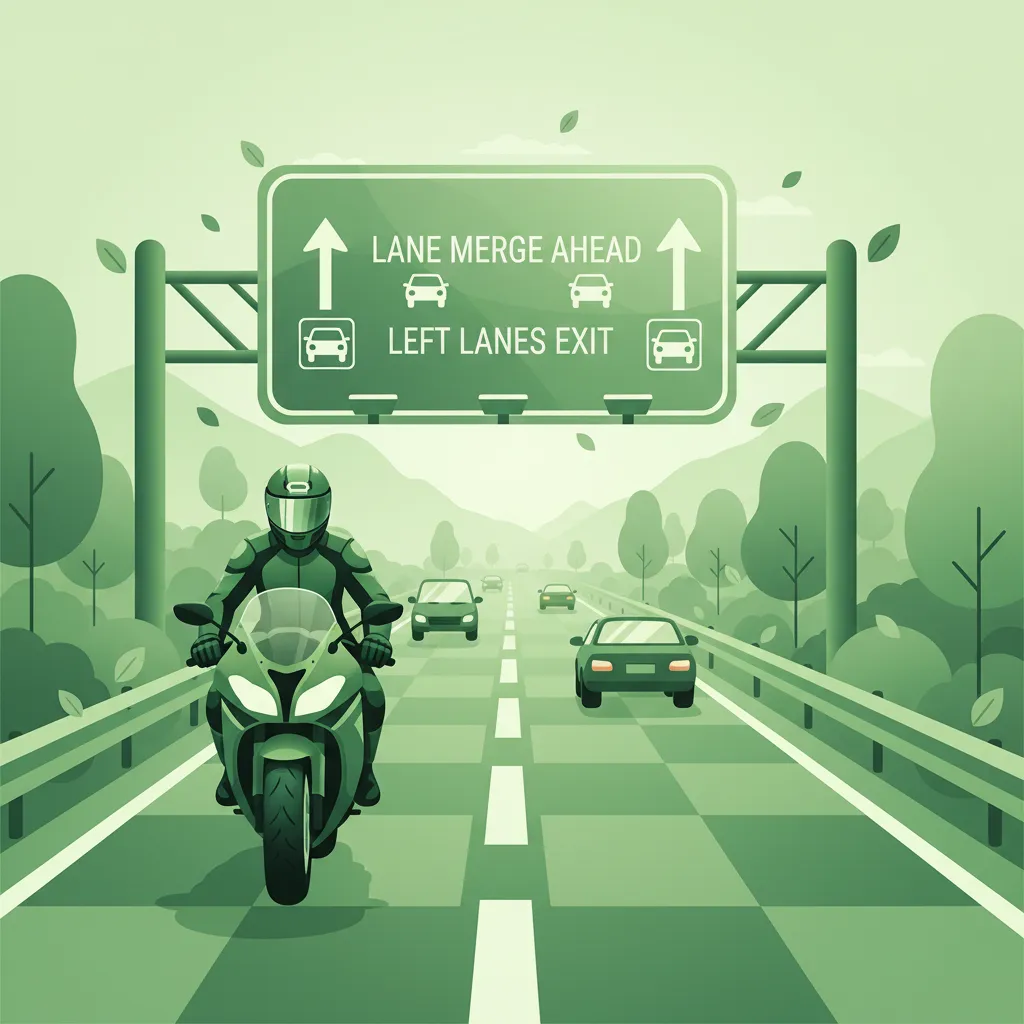
This lesson reinforces the fundamental rule of Dutch highway driving: use the rightmost lane available and use the lanes to the left only for overtaking. You will learn the complete, safe overtaking procedure: check mirrors, signal, perform a shoulder check for the blind spot, smoothly move over, accelerate past the vehicle, and then return to the right lane when safe.
Dutch Motorcycle Theory (A2)Highway (Autosnelweg) Rules for Motorcycles
View lesson
High-Speed Riding on Motorways (snelweg) lesson image

High-Speed Riding on Motorways (snelweg)

This lesson focuses on the unique demands of riding at sustained high speeds on motorways ('snelwegen'). It covers essential topics such as strict lane discipline, safe overtaking procedures, and maintaining a greater following distance to compensate for higher reaction and braking times. The content also addresses the physical and mental challenges, including managing wind blast, increased noise levels, and maintaining heightened situational awareness over long distances to combat fatigue.
Dutch Motorcycle Theory ASpeed Management and Legal Limits
View lesson
Handling a Vehicle Breakdown lesson image

Handling a Vehicle Breakdown

This lesson provides a clear action plan for when your car breaks down. You will learn to pull over to a safe location, preferably the hard shoulder on a motorway, and immediately activate your hazard warning lights. The curriculum explains the legal requirement to place a warning triangle a suitable distance behind the vehicle (if safe to do so) and the strong recommendation to wear a high-visibility jacket. Crucially, it instructs that all occupants should exit the vehicle on the safe side and wait behind the guardrail for assistance.
Dutch Driving Theory BEmergencies, Breakdowns, and Accidents
View lesson
Correct Lane Position for Motorcycles in Traffic lesson image

Correct Lane Position for Motorcycles in Traffic

This lesson explains the concept of strategic lane positioning, moving beyond simply staying in the center of the lane. It details how to select a position—typically in the left or right wheel track of cars—to be more visible in other drivers' mirrors, avoid the slippery center strip, and maintain a space cushion. The content emphasizes constantly adjusting position based on traffic, road conditions, and potential hazards.

Dutch A1 Motorcycle TheoryRoad Positioning, Lane Discipline & Overtaking
View lesson
Blind Spot Management for Motorcyclists lesson image

Blind Spot Management for Motorcyclists

This lesson provides critical instruction on managing blind spots ('dode hoek') to prevent collisions, particularly during lane changes. It covers the correct setup and use of mirrors, but stresses their limitations and the absolute necessity of the 'lifesaver' shoulder check before any lateral movement. Furthermore, it teaches riders how to be aware of the large blind spots around cars and especially trucks, and how to position themselves on the road to remain visible to other drivers at all times.
Dutch Motorcycle Theory ASafe Following Distance and Hazard Perception
View lesson
Dutch Motorway Law (snelwegwet) and Lane Discipline lesson image

Dutch Motorway Law (snelwegwet) and Lane Discipline

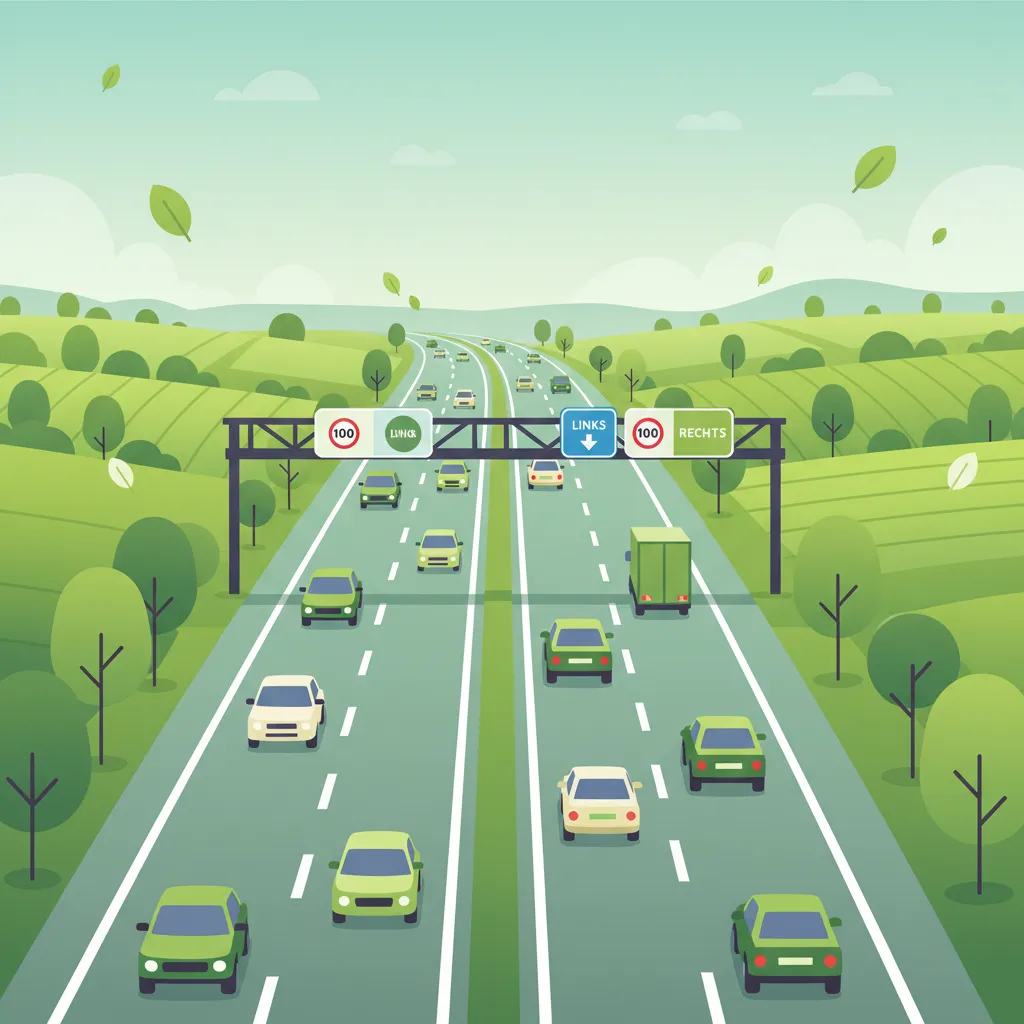
This lesson covers the specific articles of the Dutch Road Traffic Act that apply to motorways, with a primary focus on the strict rule of keeping to the rightmost available lane unless overtaking. It explains the legal and safety reasons for only passing on the left and discusses the correct positioning within a lane for maximum visibility and safety. The content also addresses the nuances of lane usage during heavy congestion, ensuring riders comply with the law and contribute to smooth traffic flow.
Dutch Motorcycle Theory AHighway and Tunnel Riding Strategies
View lesson
Cross-Border Riding Regulations (EU-rijregels) lesson image

Cross-Border Riding Regulations (EU-rijregels)

This lesson provides essential information for riders planning to travel outside the Netherlands into other European countries. It highlights that while many rules are harmonized, significant local variations exist regarding speed limits, motorway tolls or vignettes, and mandatory equipment (e.g., carrying a first-aid kit or visibility vest). The curriculum advises riders to research the specific regulations for each country on their itinerary to ensure a safe and legally compliant international journey.

Dutch Motorcycle Theory ALegal Responsibilities, Police Interaction, and International Riding
View lesson
General Road Rules for Light Motorcycles lesson image

General Road Rules for Light Motorcycles

This lesson covers the universal Dutch road rules with a specific focus on their application to light motorcycles. It details the various speed limits for different road types, from urban areas to motorways, and explains the correct procedures for overtaking and lane positioning. The legal aspects of lane filtering in congestion are also examined, alongside mandatory equipment use like daytime running lights, to ensure riders can integrate safely and legally into traffic flow.

Dutch A1 Motorcycle TheoryDutch Traffic Laws for A1 Motorcycles
View lesson

Legal Requirements and Safety Gear for Motorcycle Travel in the Netherlands

Understand the essential legal documents, mandatory safety equipment, and specific Dutch traffic regulations for motorcyclists on long journeys. Ensure compliance with RVV 1990 and CBR standards for your A2 license.

motorcycle safetydutch traffic lawlegal documentsprotective gearA2 license theoryCBR exam prep
Required Documentation (rijbewijs, verzekeringsbewijs, kenteken) lesson image

Required Documentation (rijbewijs, verzekeringsbewijs, kenteken)

This lesson provides a definitive list of the documents a motorcyclist must carry at all times when riding in the Netherlands. It specifies the requirement for a valid driving license ('rijbewijs') for the correct category, the vehicle registration card ('kentekenbewijs'), and proof of valid third-party liability insurance ('verzekeringsbewijs'). The content clarifies that failure to produce these documents during a police check can result in significant fines and legal complications.
Dutch Motorcycle Theory AVehicle Inspection, Maintenance, and Documentation
View lesson
Signal Devices and Lighting Requirements for A2 Motorcycles lesson image

Signal Devices and Lighting Requirements for A2 Motorcycles

This lesson covers the mandatory lighting and signaling equipment for A2 motorcycles under Dutch law, ensuring you remain visible and communicate your intentions correctly. You will learn the rules for using headlights, taillights, turn signals, and brake lights in various conditions, including daytime and adverse weather. The content also addresses the importance of maintaining this equipment and using hand signals as a valid secondary method of communication in traffic.
Dutch Motorcycle Theory (A2)Road Signs and Motorcycle-Specific Indicators
View lesson
Passenger Regulations and Load Limits lesson image

Passenger Regulations and Load Limits

This lesson details the Dutch regulations for carrying passengers on a motorcycle, including the minimum age for the passenger and the mandatory use of approved helmets. It explains the rider's legal responsibility for the passenger's safety and how to properly secure loads to avoid affecting the motorcycle's stability and balance. Understanding these rules is crucial for ensuring safety and legality when riding with a pillion or luggage.
Dutch A1 Motorcycle TheoryDutch Traffic Laws for A1 Motorcycles
View lesson
Regulatory Signs and Motorcycle Restrictions lesson image

Regulatory Signs and Motorcycle Restrictions

This lesson focuses on Dutch regulatory signs that enforce mandatory rules and restrictions, particularly those impacting A2 motorcyclists. You will learn to recognize and obey prohibition signs, such as those indicating a motorcycle ban (BORD 40), speed limits, and overtaking restrictions (BORD 21). The content explains the legal consequences of non-compliance and how to apply these rules in practical riding scenarios to ensure full adherence to Dutch traffic law.

Dutch Motorcycle Theory (A2)Road Signs and Motorcycle-Specific Indicators
View lesson
Cross-Border Riding Regulations (EU-rijregels) lesson image

Cross-Border Riding Regulations (EU-rijregels)

This lesson provides essential information for riders planning to travel outside the Netherlands into other European countries. It highlights that while many rules are harmonized, significant local variations exist regarding speed limits, motorway tolls or vignettes, and mandatory equipment (e.g., carrying a first-aid kit or visibility vest). The curriculum advises riders to research the specific regulations for each country on their itinerary to ensure a safe and legally compliant international journey.

Dutch Motorcycle Theory ALegal Responsibilities, Police Interaction, and International Riding
View lesson
Documentation Required During Stops (verkeersdocumenten) lesson image

Documentation Required During Stops (verkeersdocumenten)

This lesson serves as a critical reinforcement of the legal requirement to carry specific documents ('verkeersdocumenten') while riding. It explicitly lists the mandatory items—driving license, vehicle registration, and proof of insurance—and explains the legal consequences of failing to produce them on demand during a police stop. The content stresses that having these documents readily accessible is a basic and non-negotiable aspect of legal motorcycling in the Netherlands.

Dutch Motorcycle Theory ALegal Responsibilities, Police Interaction, and International Riding
View lesson
Lights, Signals, and Reflectors lesson image

Lights, Signals, and Reflectors

This lesson covers the full range of lights and signals required on a vehicle for visibility and communication. You will learn about the mandatory requirements for headlights, taillights, brake lights, indicators, and reflectors. The curriculum emphasizes the driver's legal responsibility to ensure all lights are clean and functional before every journey. The correct use and function of the horn as an audible warning device in case of imminent danger are also explained.

Dutch Driving Theory BVehicle Requirements, Inspection, and Maintenance
View lesson
General Road Rules for Light Motorcycles lesson image

General Road Rules for Light Motorcycles

This lesson covers the universal Dutch road rules with a specific focus on their application to light motorcycles. It details the various speed limits for different road types, from urban areas to motorways, and explains the correct procedures for overtaking and lane positioning. The legal aspects of lane filtering in congestion are also examined, alongside mandatory equipment use like daytime running lights, to ensure riders can integrate safely and legally into traffic flow.

Dutch A1 Motorcycle TheoryDutch Traffic Laws for A1 Motorcycles
View lesson
Legal Definition & Licence Requirements lesson image

Legal Definition & Licence Requirements

This lesson explains the precise legal definition of a Category A1 motorcycle, including the maximum 125cc displacement and 11 kW power output. It outlines the entire CBR licensing pathway, from meeting the minimum age requirement to passing both the theory and practical exams. Key administrative obligations such as vehicle registration (kenteken), mandatory insurance, and roadworthiness inspections (APK) are also detailed, ensuring a full understanding of legal compliance.

Dutch A1 Motorcycle TheoryDutch Traffic Laws for A1 Motorcycles
View lesson
Dutch Motorway Law (snelwegwet) and Lane Discipline lesson image

Dutch Motorway Law (snelwegwet) and Lane Discipline

This lesson covers the specific articles of the Dutch Road Traffic Act that apply to motorways, with a primary focus on the strict rule of keeping to the rightmost available lane unless overtaking. It explains the legal and safety reasons for only passing on the left and discusses the correct positioning within a lane for maximum visibility and safety. The content also addresses the nuances of lane usage during heavy congestion, ensuring riders comply with the law and contribute to smooth traffic flow.

Dutch Motorcycle Theory AHighway and Tunnel Riding Strategies
View lesson

Frequently asked questions about Planning Long-Distance Journeys

Find clear answers to common questions learners have about Planning Long-Distance Journeys. Learn how the lesson is structured, which driving theory objectives it supports, and how it fits into the overall learning path of units and curriculum progression in the Netherlands. These explanations help you understand key concepts, lesson flow, and exam focused study goals.

How much daily mileage is realistic for an A2 motorcycle long-distance journey in the Netherlands?

A realistic daily mileage for an A2 motorcycle often ranges from 300-500 km, depending on your experience, the type of roads, and the number of breaks. It's crucial to factor in rest stops every 1.5-2 hours to combat fatigue and maintain focus, especially when riding in varying Dutch traffic conditions.

What essential pre-journey checks should I perform on my A2 motorcycle for a long trip?

Before a long trip, thoroughly check your tires (pressure, tread depth), oil level, chain tension and lubrication, brake fluid levels, and all lights and indicators. Also, ensure your emergency kit is complete and your documents (registration, insurance, license) are accessible and valid for riding in the Netherlands.

How does packing affect my A2 motorcycle's handling, and what are some efficient strategies?

Improper packing can significantly alter your motorcycle's balance and handling, especially for an A2. Pack heavier items low and close to the center of gravity. Distribute weight evenly between saddlebags or panniers. Avoid overloading the rear, which can lighten the front wheel and affect steering stability. Use waterproof bags to protect contents from Dutch weather.

What specific weather preparations are recommended for long motorcycle journeys in the Netherlands?

Dutch weather can change rapidly. Always check forecasts before and during your journey. Pack waterproof gear (jacket, trousers, gloves), consider layers for temperature changes, and be prepared for strong crosswinds, which are common. Adjust your riding style, speed, and following distance in rain or high winds to maintain control.

Are there specific legal requirements for carrying luggage or a passenger on an A2 motorcycle in the Netherlands?

While there are no specific 'A2' luggage laws beyond general safety, ensure your load does not obstruct lights, license plates, or your visibility. If carrying a passenger, ensure they have appropriate protective gear and that your motorcycle's registration indicates it's suitable for two persons. Adjust tire pressure and suspension as per your motorcycle's manual for the added weight.

Continue your Dutch driving theory learning journey

Dutch road signsDutch article topicsSearch Dutch road signsDutch driving theory homeDutch road sign categoriesSearch Dutch theory articlesDutch driving theory coursesDutch Driving Theory B courseDutch driving theory articlesDutch driving theory practiceDutch practice set categoriesDutch Driving Theory AM courseDutch Motorcycle Theory A courseDutch A1 Motorcycle Theory courseDutch Motorcycle Theory (A2) courseSearch Dutch driving theory practiceTowing, Trailers, and Loads unit in Dutch Driving Theory BRoadway Access & Navigation unit in Dutch Driving Theory AMVehicle Positioning and Lane Use unit in Dutch Driving Theory BHuman Factors & Risk Management unit in Dutch Driving Theory AMInfrastructure and Special Roads unit in Dutch Driving Theory BLegal Foundations & Vehicle Types unit in Dutch Driving Theory AMLegal Responsibilities & Incident Procedures unit in Dutch Driving Theory AMHighway (Autosnelweg) Rules for Motorcycles unit in Dutch Motorcycle Theory (A2)Advanced Riding Techniques and High-Speed Control unit in Dutch Motorcycle Theory APlanning Long-Distance Journeys lesson in Human Factors, Fatigue, and Group Riding EtiquetteAccident Management, Legal Responsibilities & Substance Use unit in Dutch A1 Motorcycle TheoryRecognizing and Managing Rider Fatigue lesson in Human Factors, Fatigue, and Group Riding EtiquetteGroup Riding: Formations, Signals, and Etiquette lesson in Human Factors, Fatigue, and Group Riding EtiquetteRider Psychology, Overconfidence, and Risk Management lesson in Human Factors, Fatigue, and Group Riding Etiquette