
Access every driving theory lesson in the Dutch Driving Theory AM course. Learn the rules, signs, and traffic situations that appear in the official the Netherlands driving theory exam. Each lesson focuses on a specific topic to help you study faster, understand more clearly, and improve your chance of passing the Dutch theory test on your first attempt.
Browse the complete list of driving theory lessons in the Dutch Driving Theory AM course. Find topics covering traffic rules, road signs, priority situations, and safety procedures used in the the Netherlands theory exam. Use this page to jump to the lesson you need and prepare efficiently for the Dutch driving theory test.
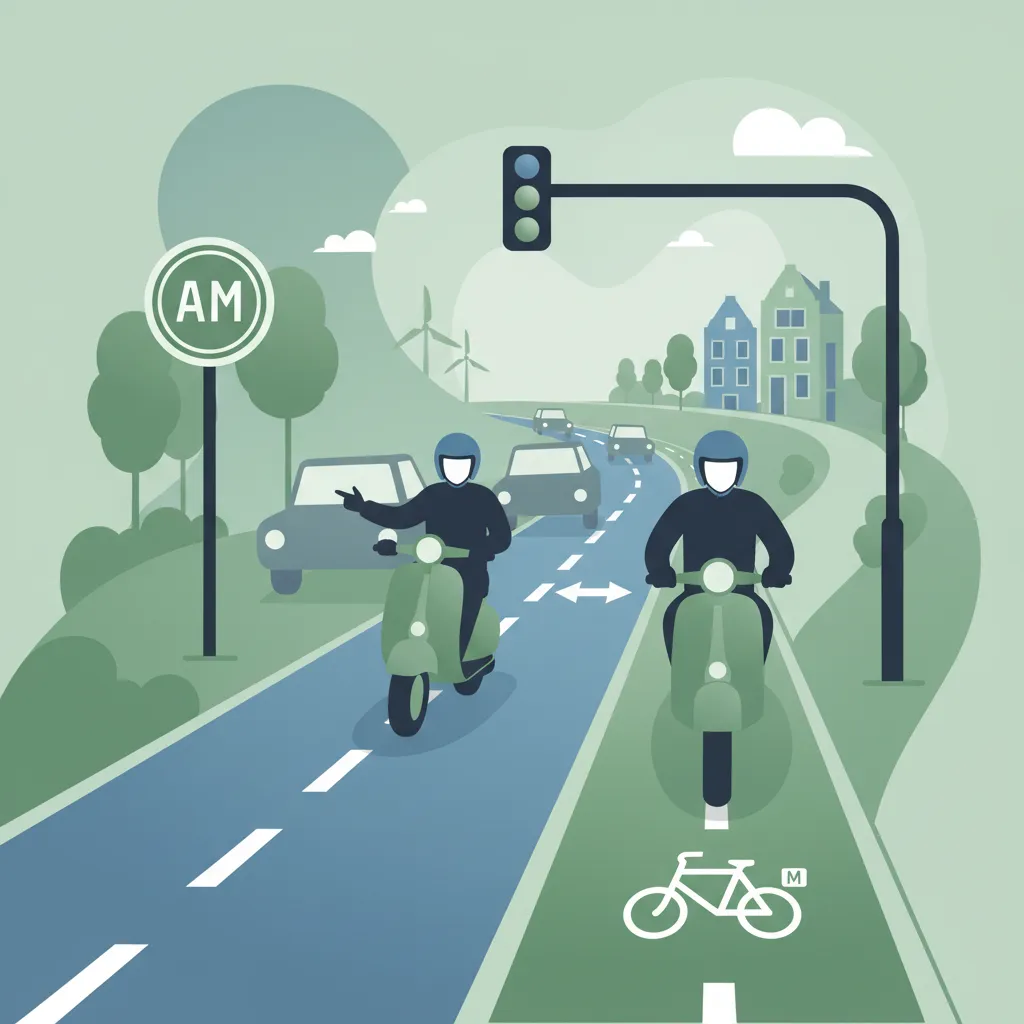
Learn the specific legal definitions and technical classifications of all Category AM vehicles. Understand the differences based on maximum speed, engine power, and road usage.
Discover the legal age requirements for obtaining a Category AM license and its validity. This lesson covers the rules for different vehicle types and pathways to other license categories.
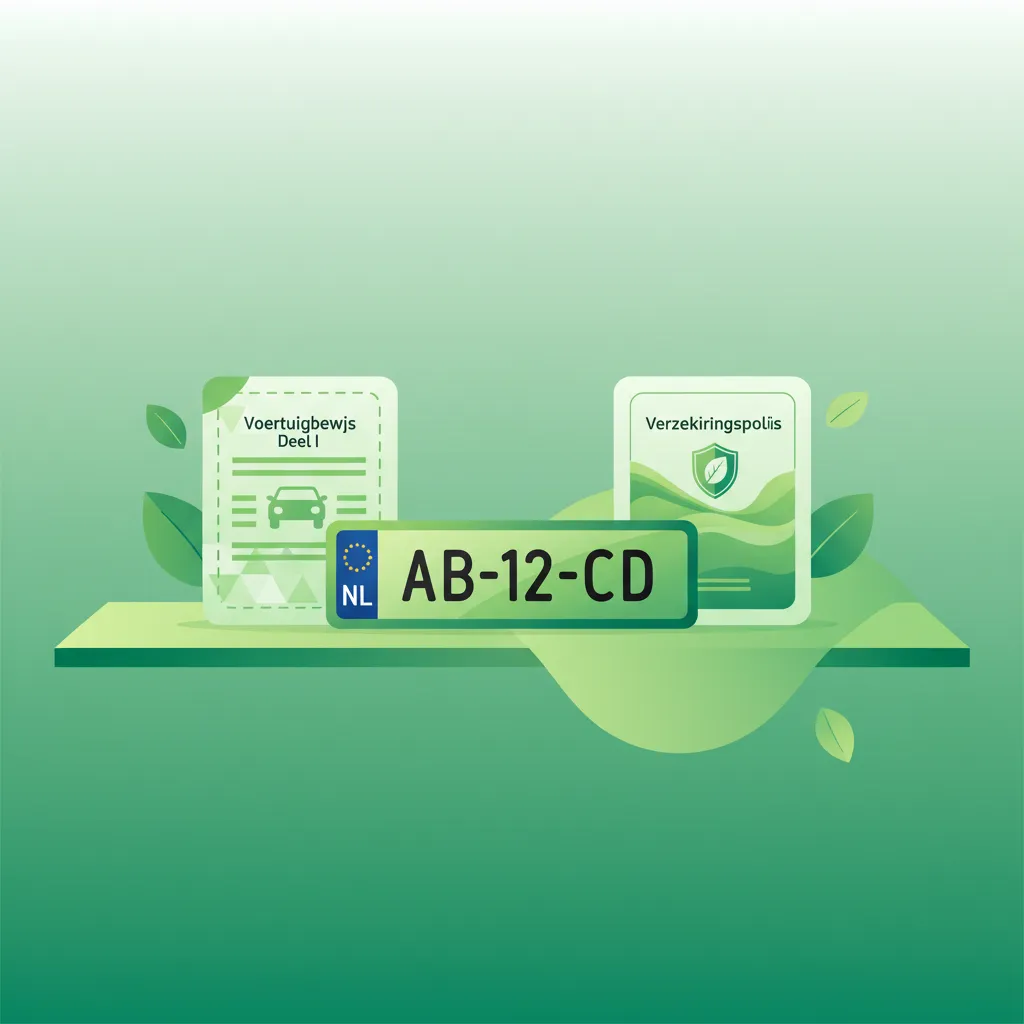
Understand the mandatory processes for vehicle registration, license plates, and insurance. Learn to identify plate types and know the legal insurance requirements for AM vehicles.
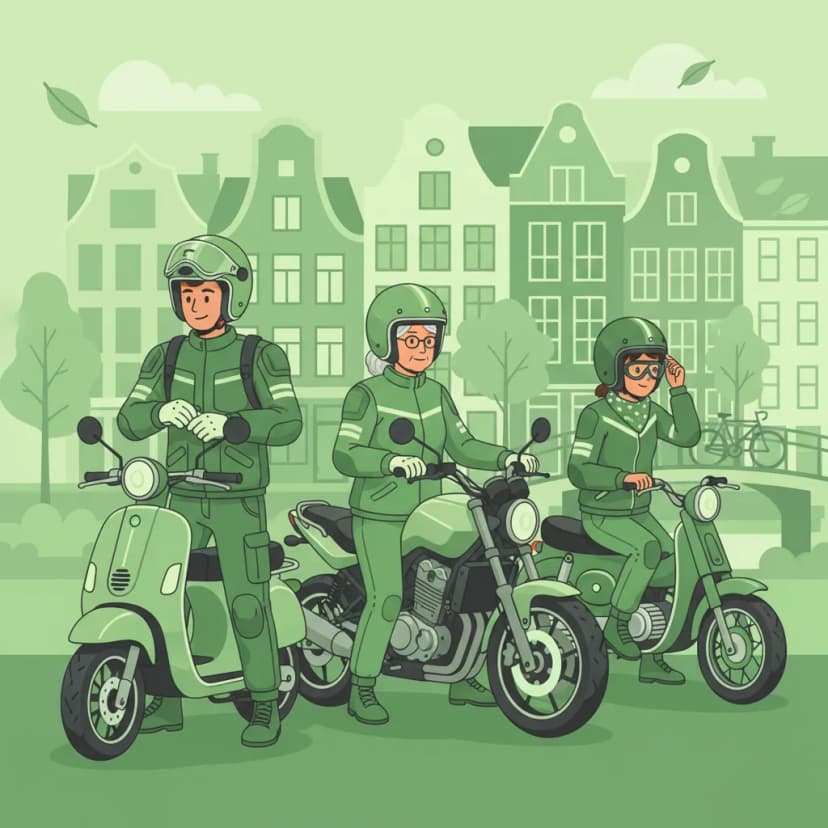
Learn the strict legal requirements for helmets and other protective gear for Category AM riders. This lesson clarifies which helmets are mandatory for different vehicle types.
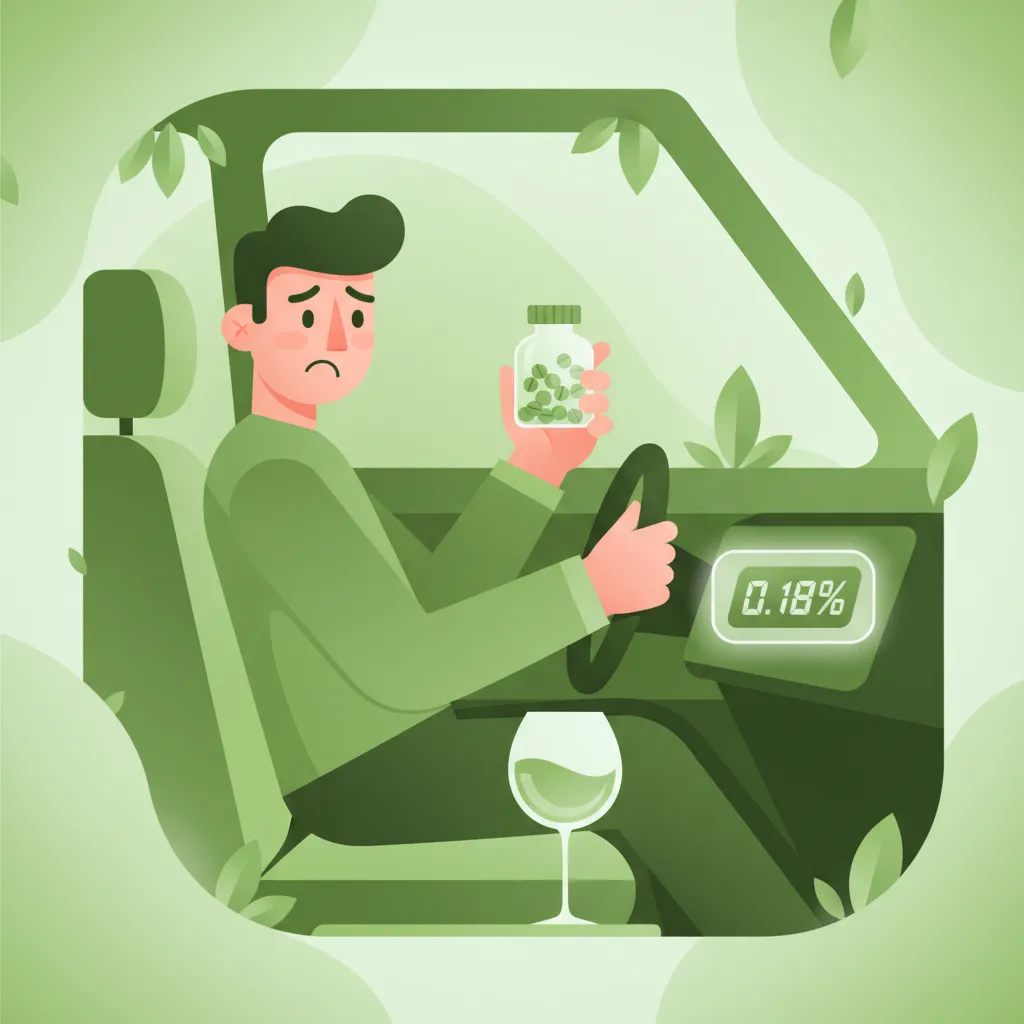
Understand the strict Dutch laws regarding driving under the influence of alcohol and drugs. Learn the specific BAC limits for novice and experienced riders and the consequences of violation.
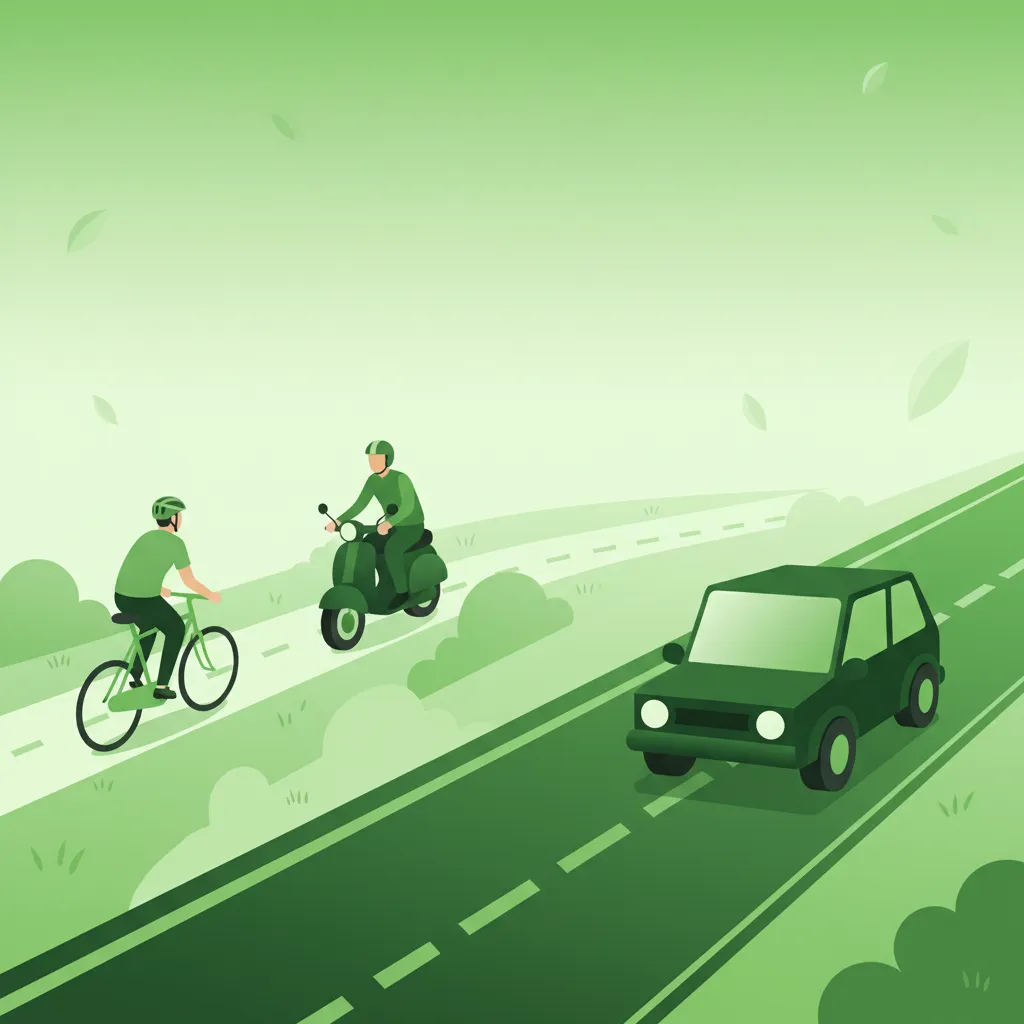
Identify where bromfietsen and snorfietsen must ride. Learn the rules for using cycle paths (fietspad/bromfietspad) versus the main carriageway.
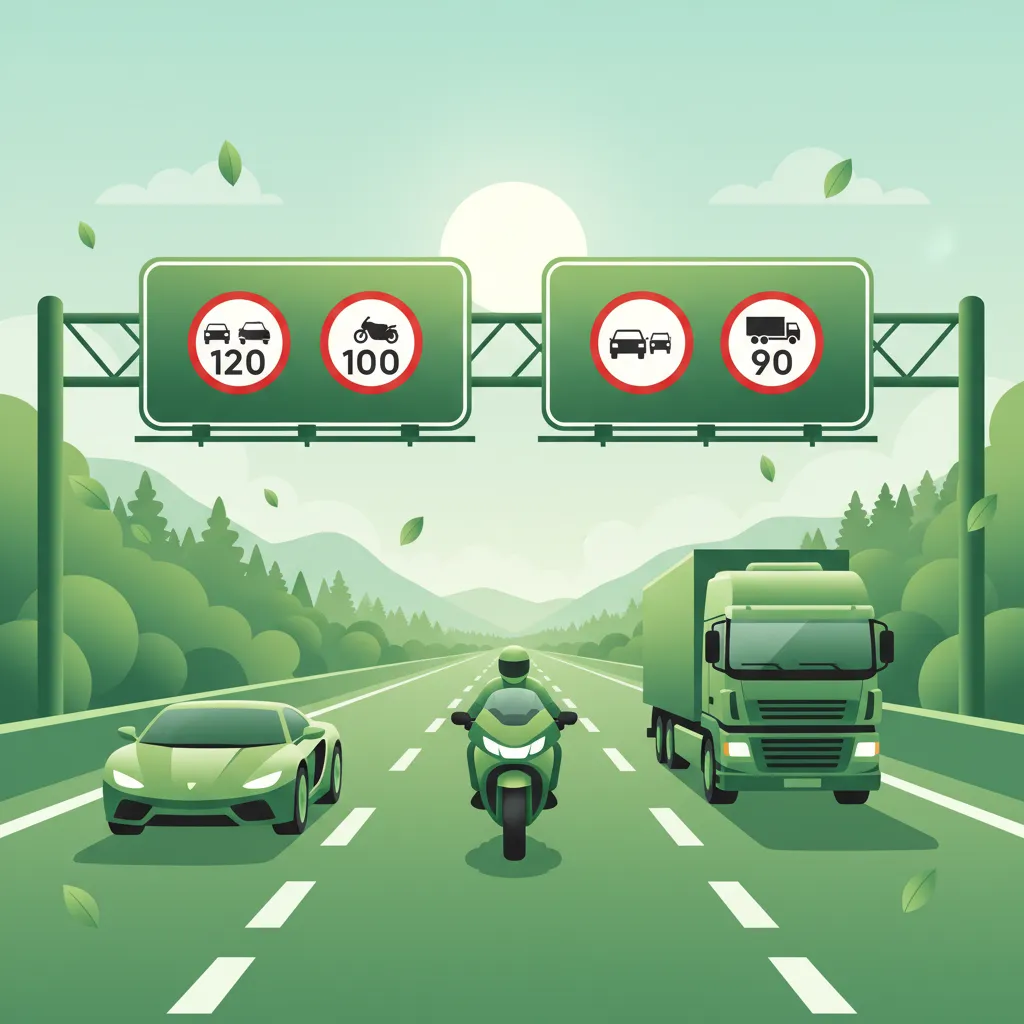
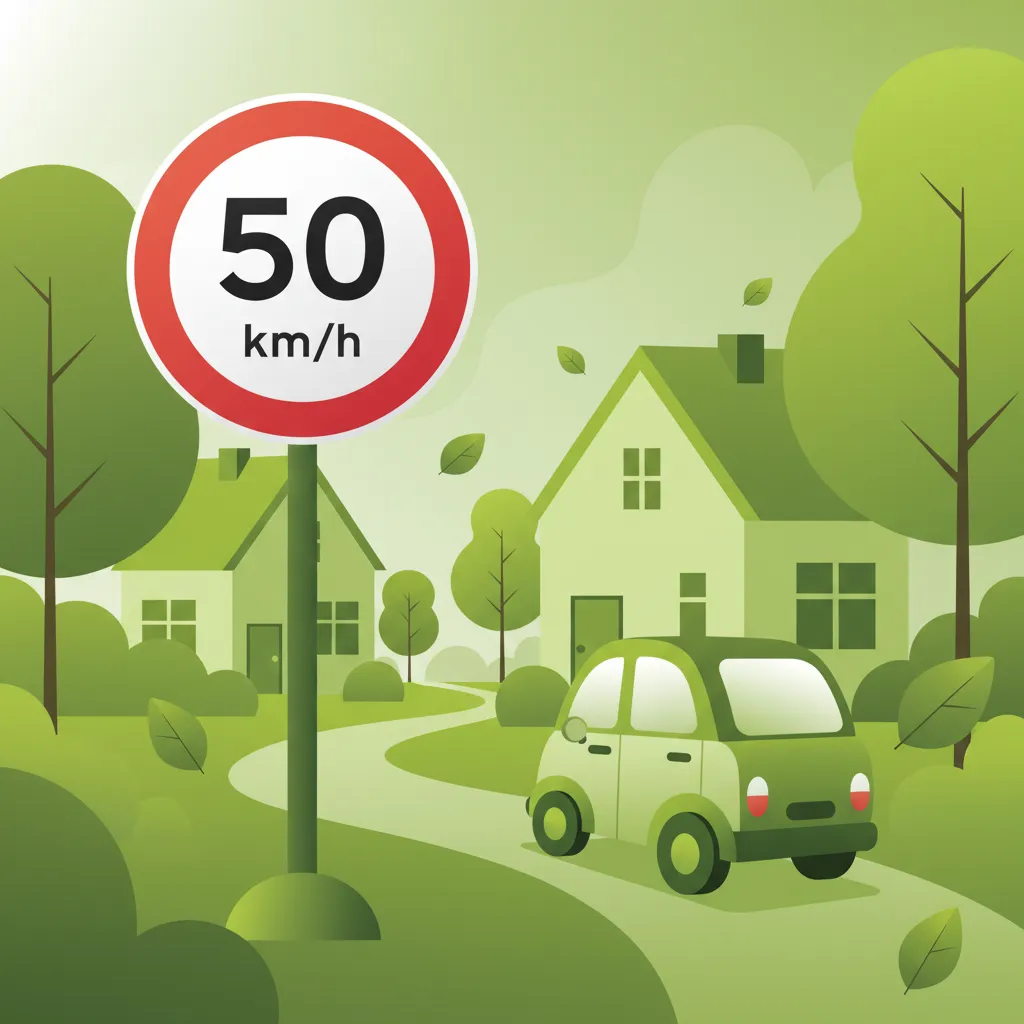
Know the maximum legal speed for each Category AM vehicle. This lesson covers the specific speed limits on different types of roads and in various zones.
Interpret road markings to maintain correct lane discipline. Learn how lines and symbols on the road surface guide your position and actions.
Learn the specific rules and safety protocols for navigating tunnels, level crossings, and road works. This lesson covers signs, signals, and required behaviors in these special zones.
Understand the unique challenges of sharing the road with trams. This lesson focuses on tram priority rules, crossing tracks safely, and avoiding common hazards.
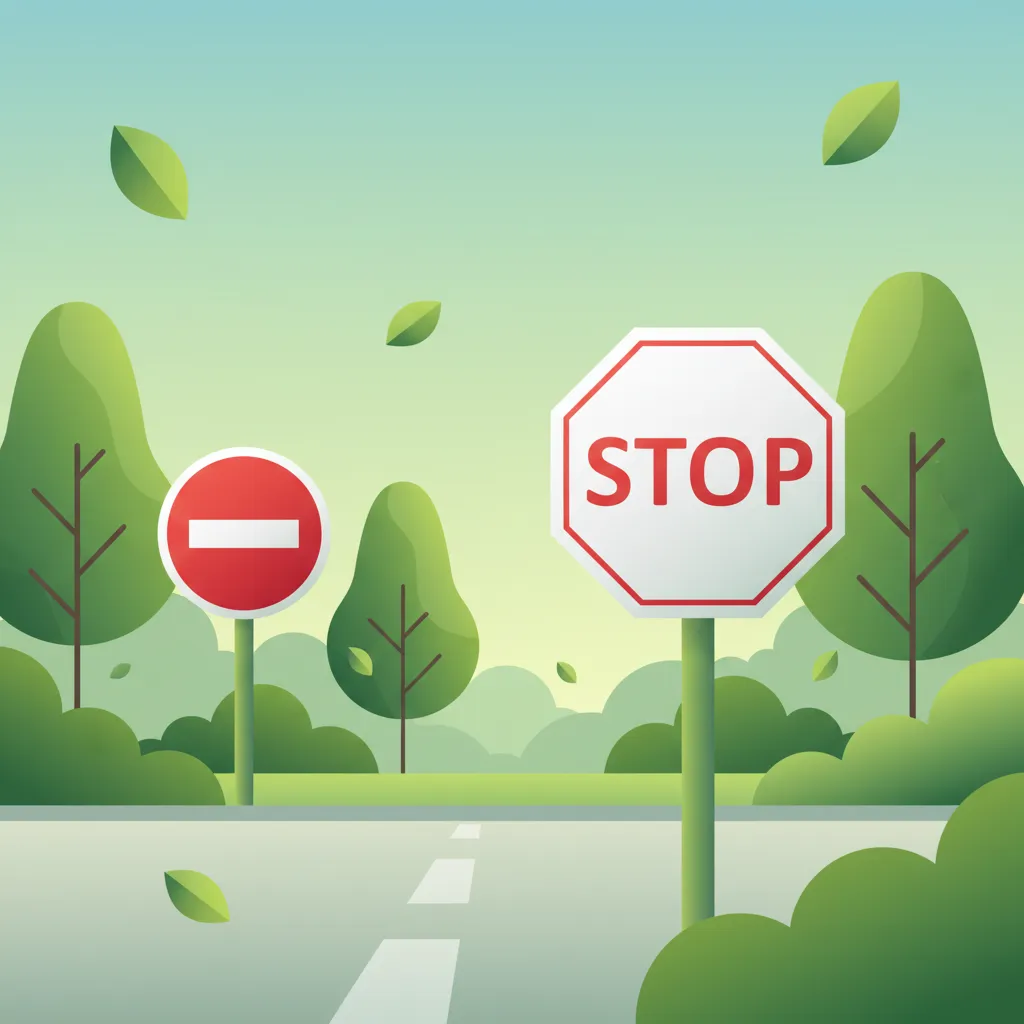
Learn to identify and obey mandatory regulatory signs. This lesson focuses on key signs like the B6 Stop sign and C2 No Entry sign, which dictate required actions.
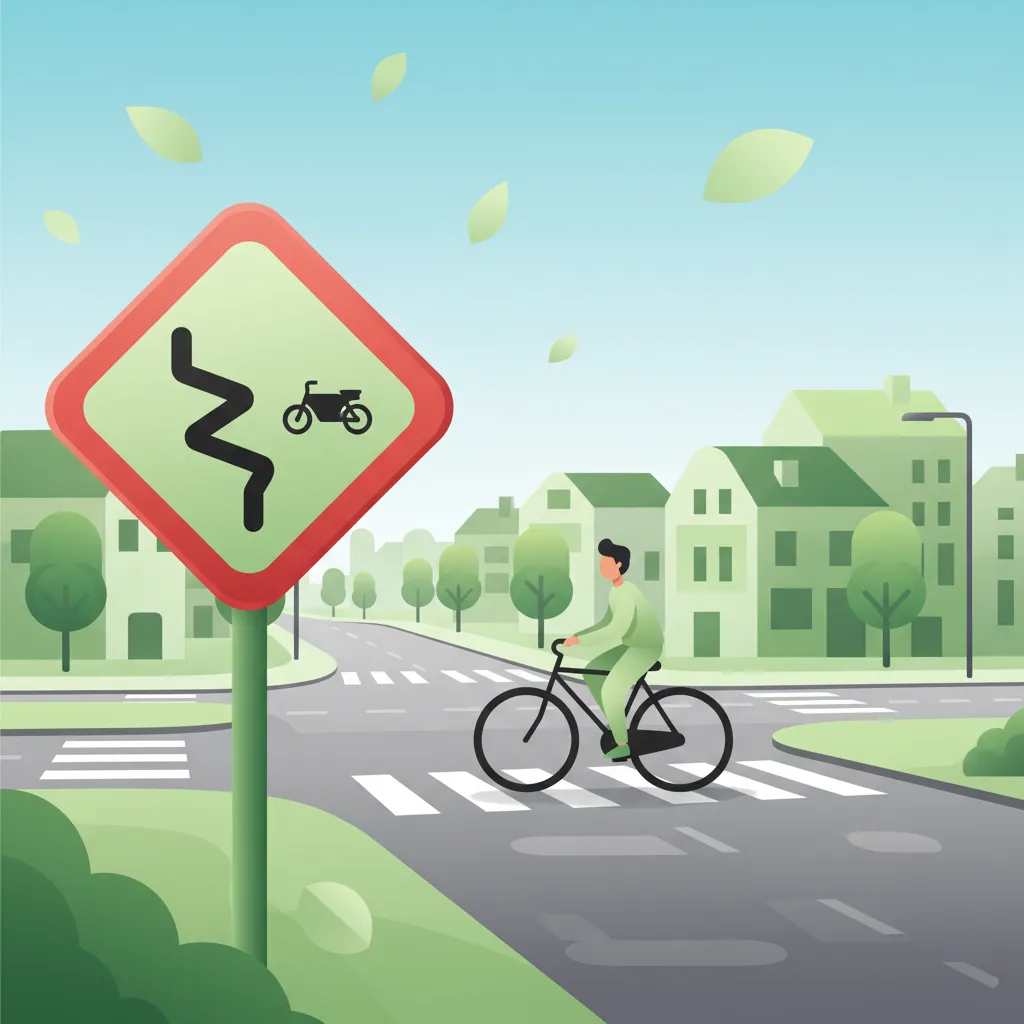
Recognize warning signs that alert you to potential dangers ahead. Learn about signs specifically important for the safety of two-wheeler riders.
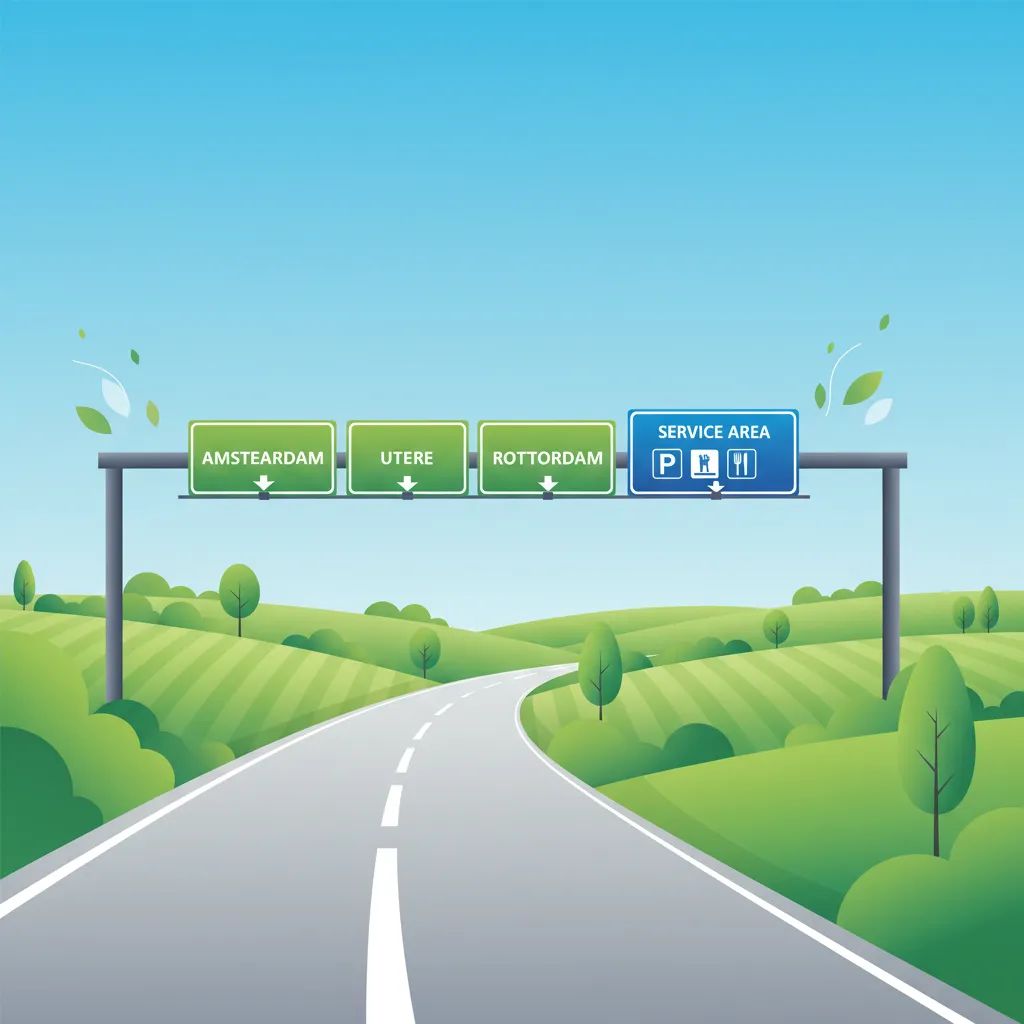
Use information and directional signs for effective navigation. This lesson explains how to read signs for destinations, route numbers, and services.
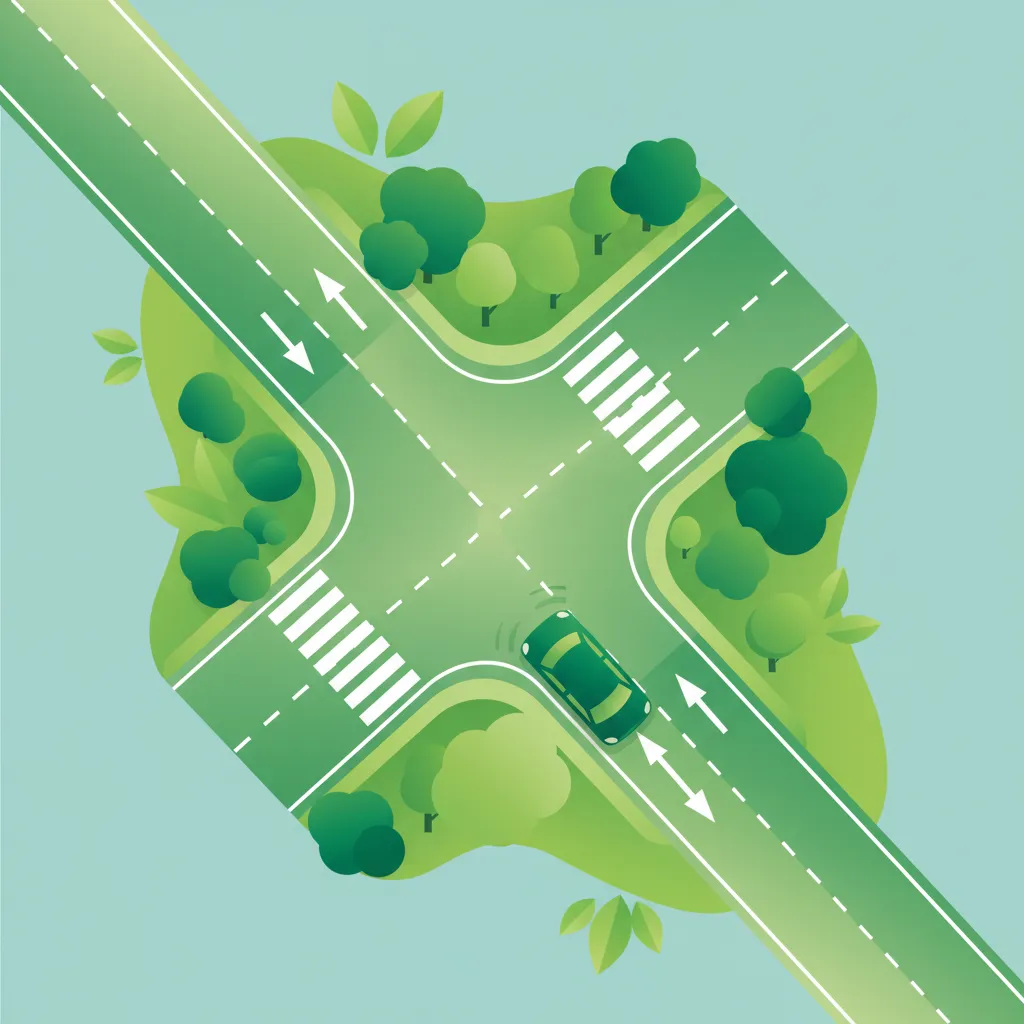
Understand the meaning of lines, symbols, and text painted on the road surface. Learn how these markings direct traffic flow and define road user rights.

Learn the correct and legal use of your vehicle's signaling devices. This lesson covers turn signals, brake lights, horn, and mandatory reflectors.
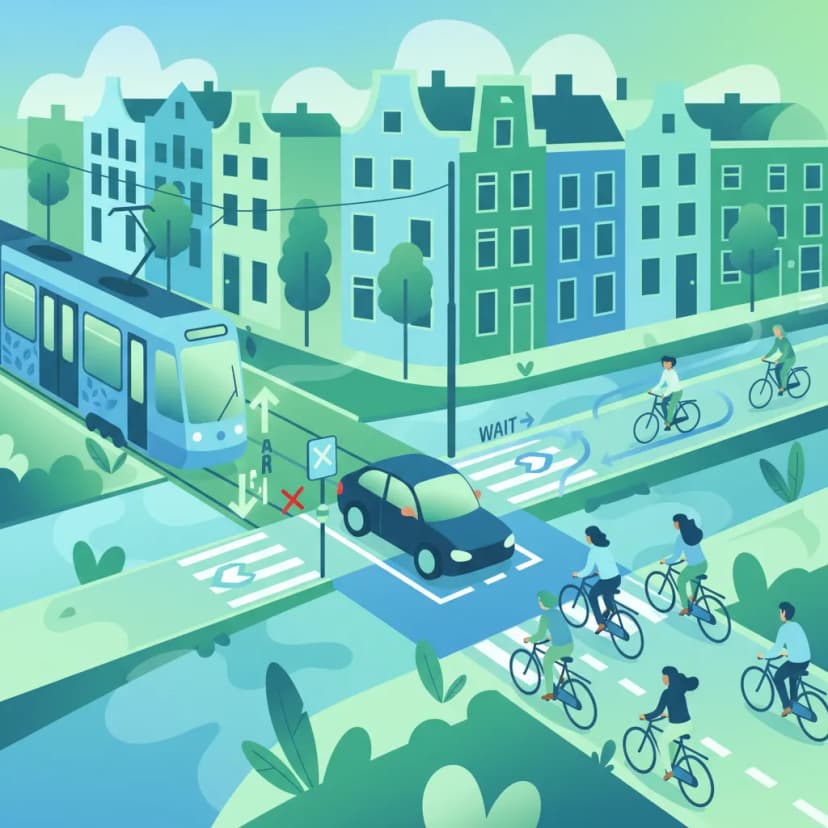
Learn the fundamental rules for determining priority at different types of intersections. Master the 'priority to the right' rule and the meaning of yield signs.
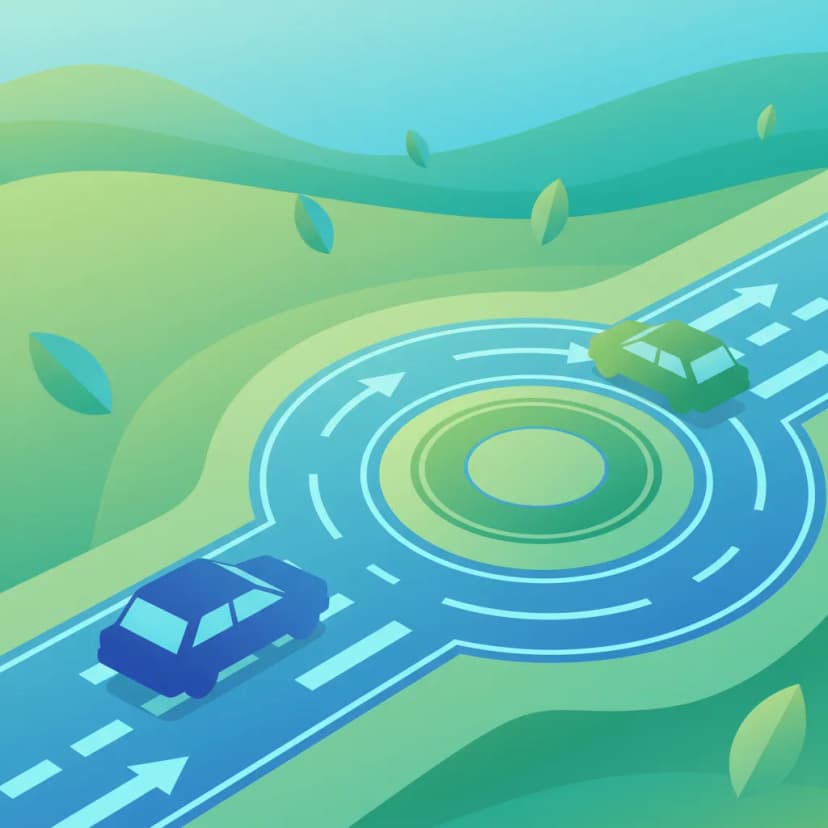
Understand the specific priority rules for navigating Dutch roundabouts. Learn when to yield, how to signal, and how to interact with cyclists.
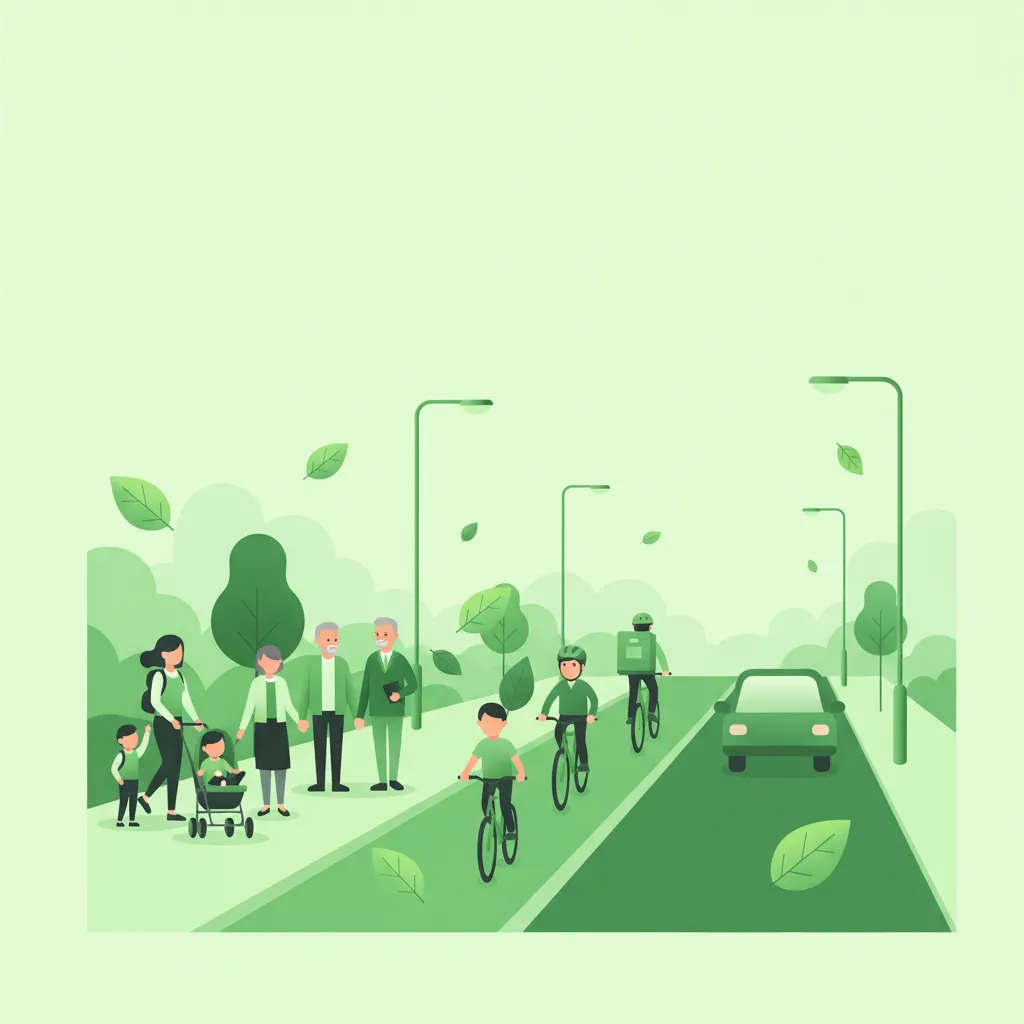
Learn your responsibilities towards pedestrians, cyclists, and other vulnerable road users. This lesson covers priority at crossings and maintaining safe distances.
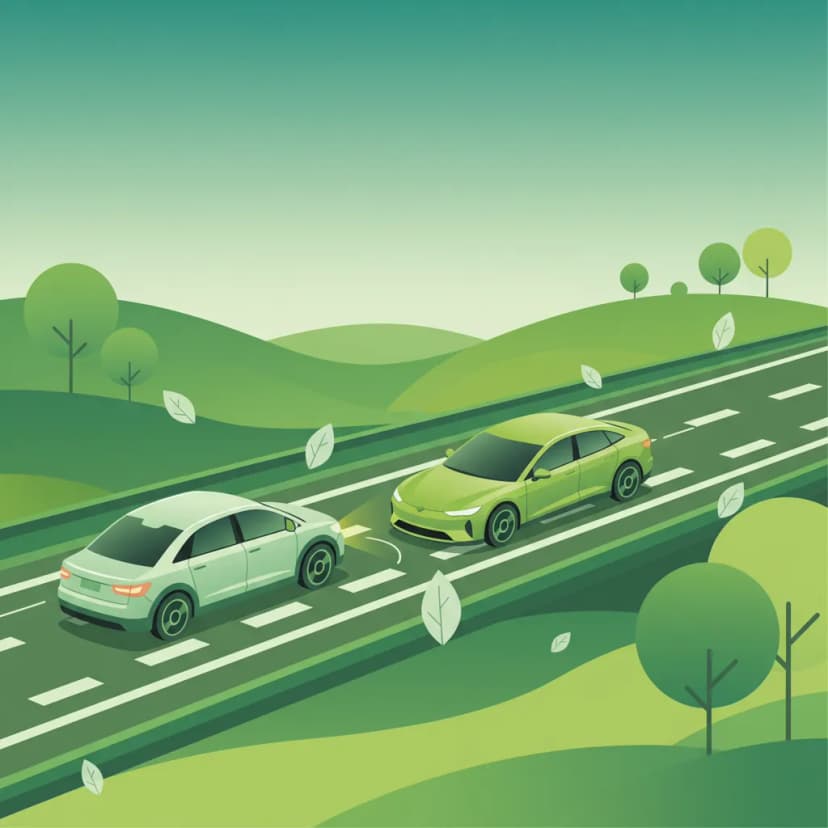
Master the correct and safe procedure for merging into traffic and changing lanes. Learn how to use mirrors, check blind spots, and signal correctly.
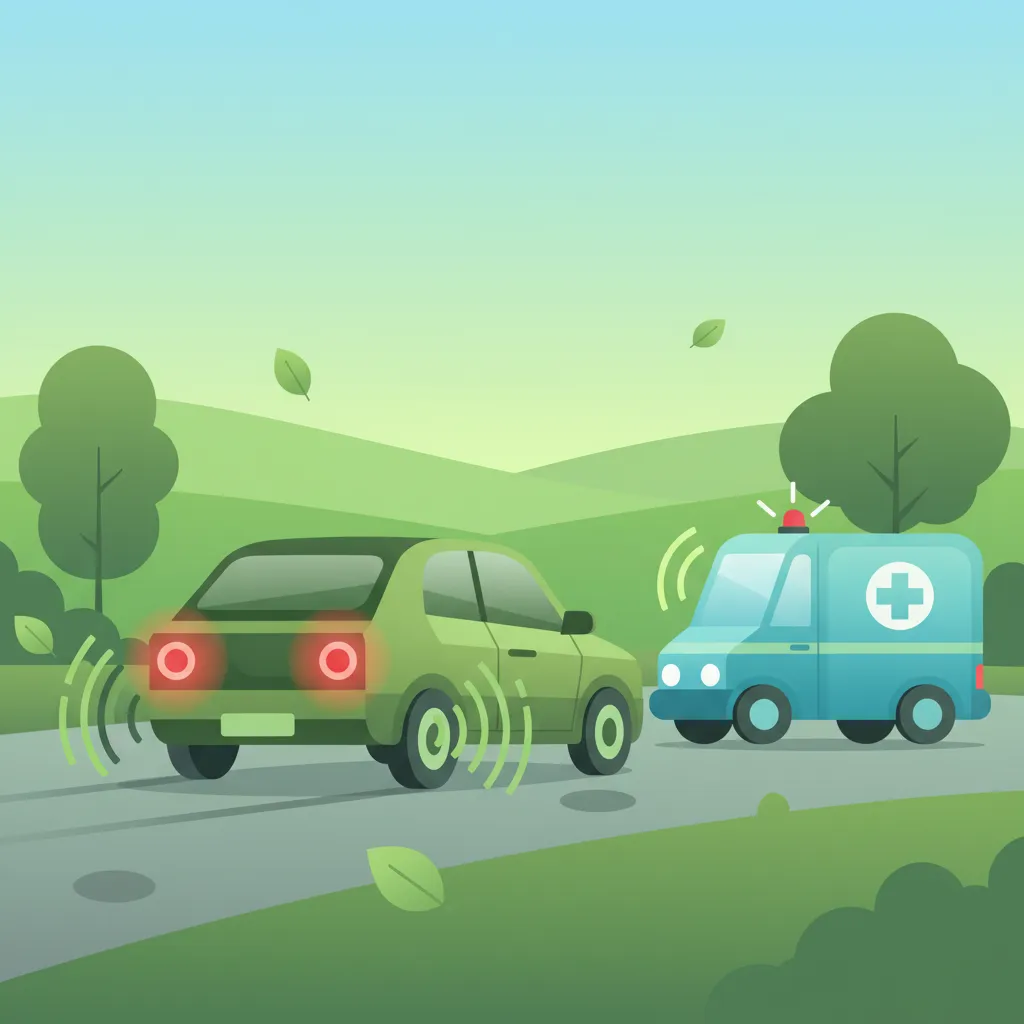
Know how to react to approaching emergency vehicles with sirens and flashing lights. Learn the rules for yielding the right-of-way and making an emergency stop.
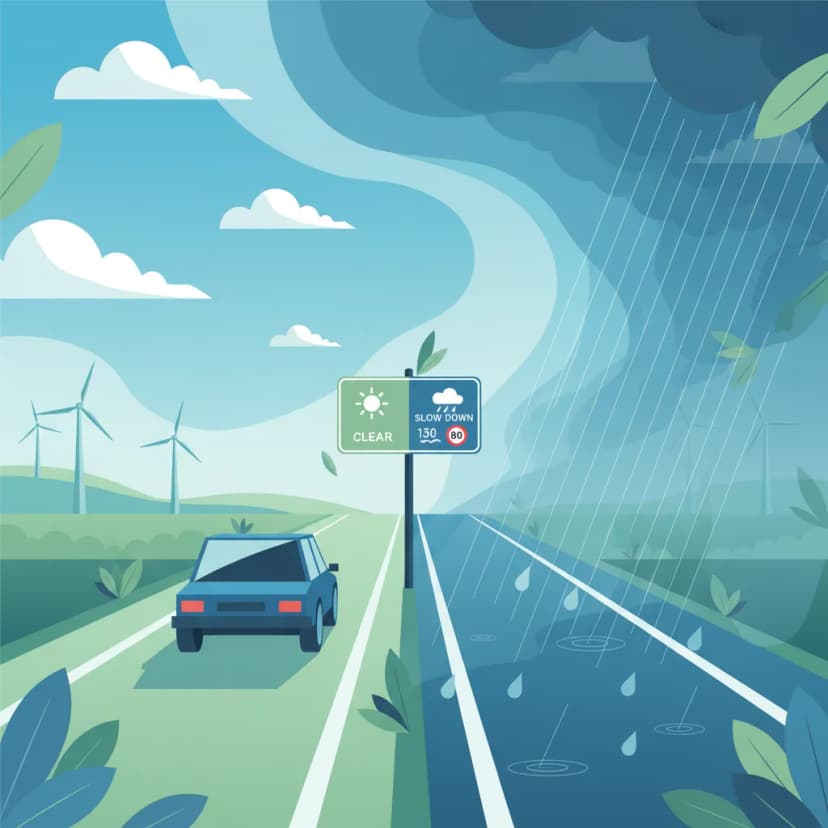
Understand how to adjust your speed based on traffic, weather, and road conditions. Learn why the speed limit is not always a safe speed.
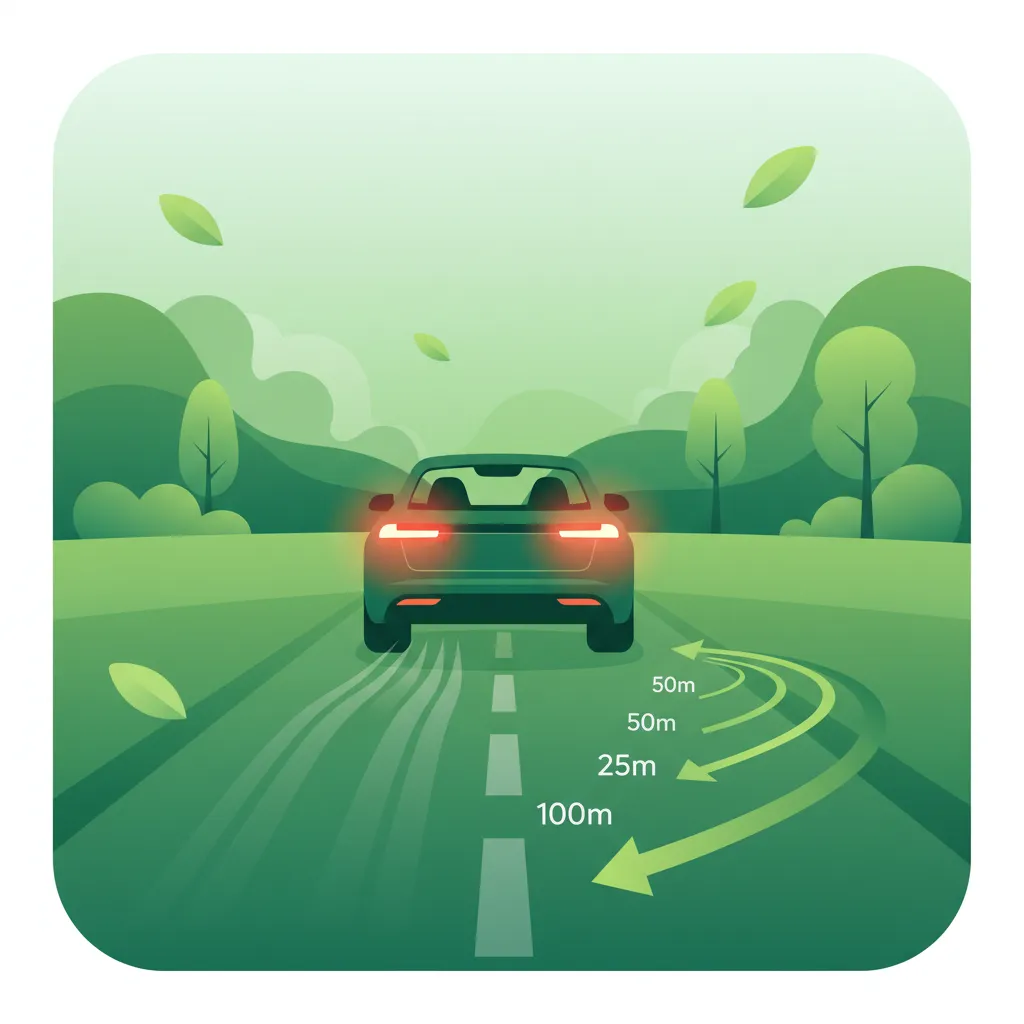
Learn the principles behind calculating braking and stopping distances. Understand how speed dramatically impacts the distance required to stop your vehicle.
Explore the factors that influence your reaction time and learn techniques for anticipating hazards. Proactive hazard perception is key to avoiding accidents.
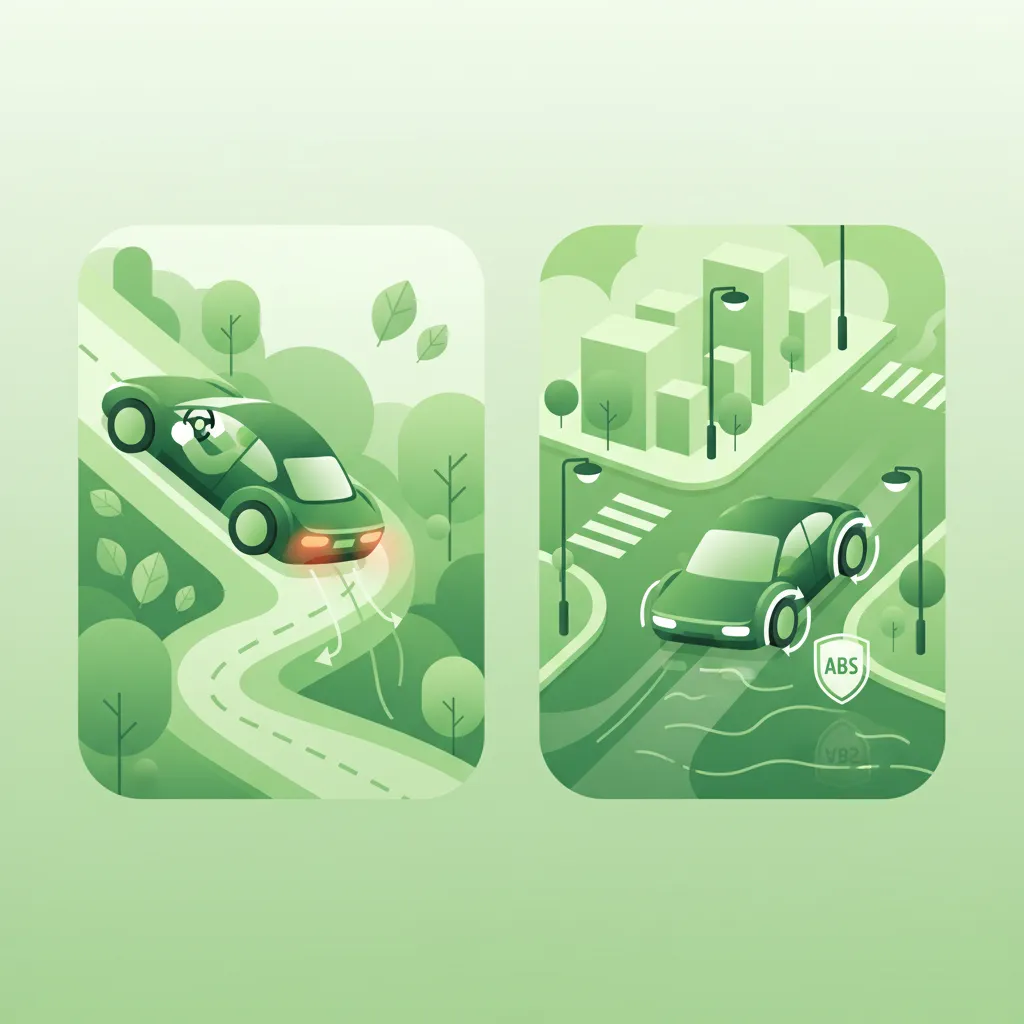
Learn about advanced braking techniques and systems. Understand how to use engine braking for smooth deceleration and how an ABS system prevents wheel lock-up.

Master the skills needed to ride safely on slippery surfaces. Learn how to adjust your speed, braking, and steering on wet or icy roads.
Master the art of controlling your vehicle at low speeds. Learn the techniques for smooth starts, controlled stops, and maintaining balance in slow traffic.

Learn the correct techniques for safely and efficiently navigating corners. Understand the relationship between speed, lean angle, and steering.
Execute tight turns like U-turns safely and confidently. This lesson covers the techniques for maneuvering in confined spaces and on narrow paths.

Learn the complete, safe procedure for overtaking other vehicles. Understand when it is legal and safe to pass, and how to execute the maneuver.

Discover the correct methods for parking your moped or scooter. Learn how to use the stand properly and secure your vehicle against theft.

Understand how wind affects your vehicle's stability. Learn techniques to counter the effects of crosswinds and sudden gusts to maintain your course.

Master the skills for riding safely in the rain. Learn about the risks of hydroplaning and how to maintain grip on wet surfaces.

Discover how ambient temperature affects your vehicle. Learn how cold impacts tire grip and the battery range of electric vehicles like speed pedelecs.

Learn the principles of safe riding at night and in low-light conditions. This lesson covers legal lighting requirements and techniques to see and be seen.

Be aware of seasonal hazards and how they affect road conditions. Understand the importance of adapting your vehicle maintenance to the time of year.
Ensure your vehicle's electrical systems are working correctly. This lesson covers how to check your lights, reflectors, and horn as part of a pre-ride inspection.
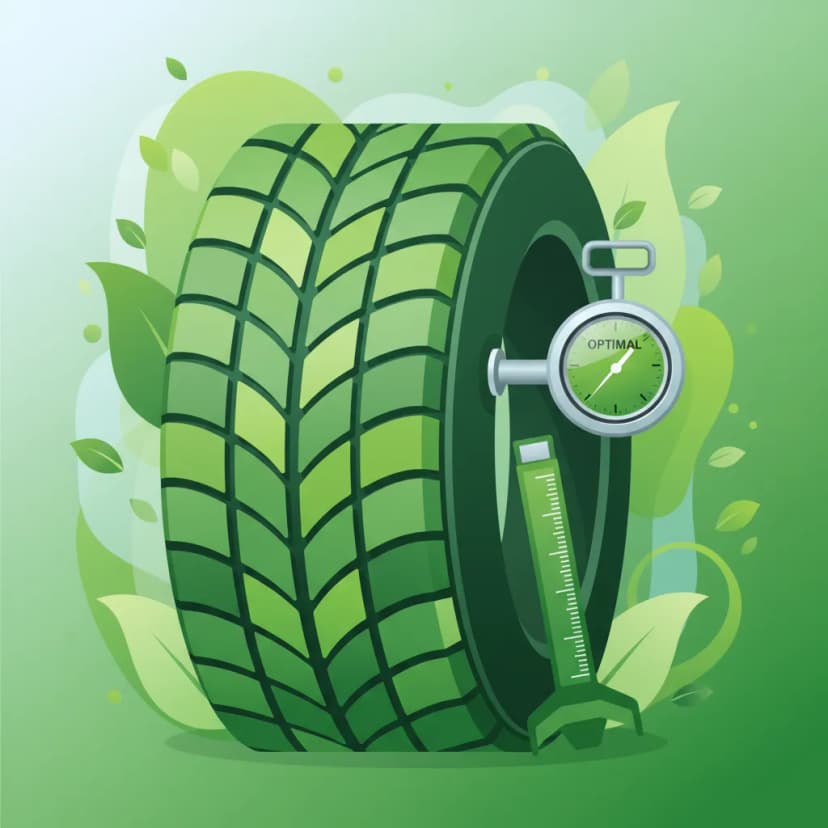
Learn how to inspect your tires for correct pressure, adequate tread depth, and damage. Proper tire maintenance is critical for grip and handling.

Understand how to check your vehicle's braking system. This lesson covers inspecting brake fluid levels, pads, and discs to ensure reliable stopping power.
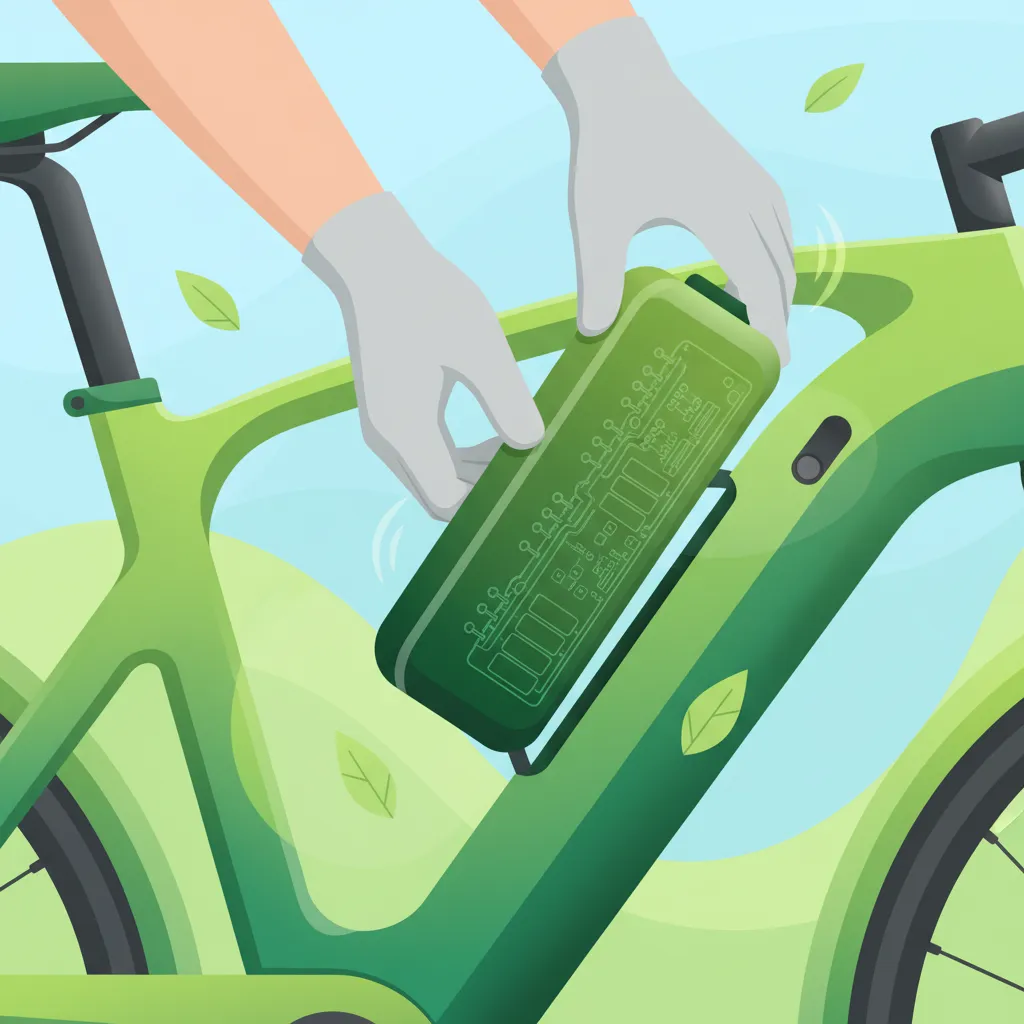
Learn best practices for maintaining the battery of a speed pedelec or other electric AM vehicle. Proper care maximizes battery life and ensures reliable performance.
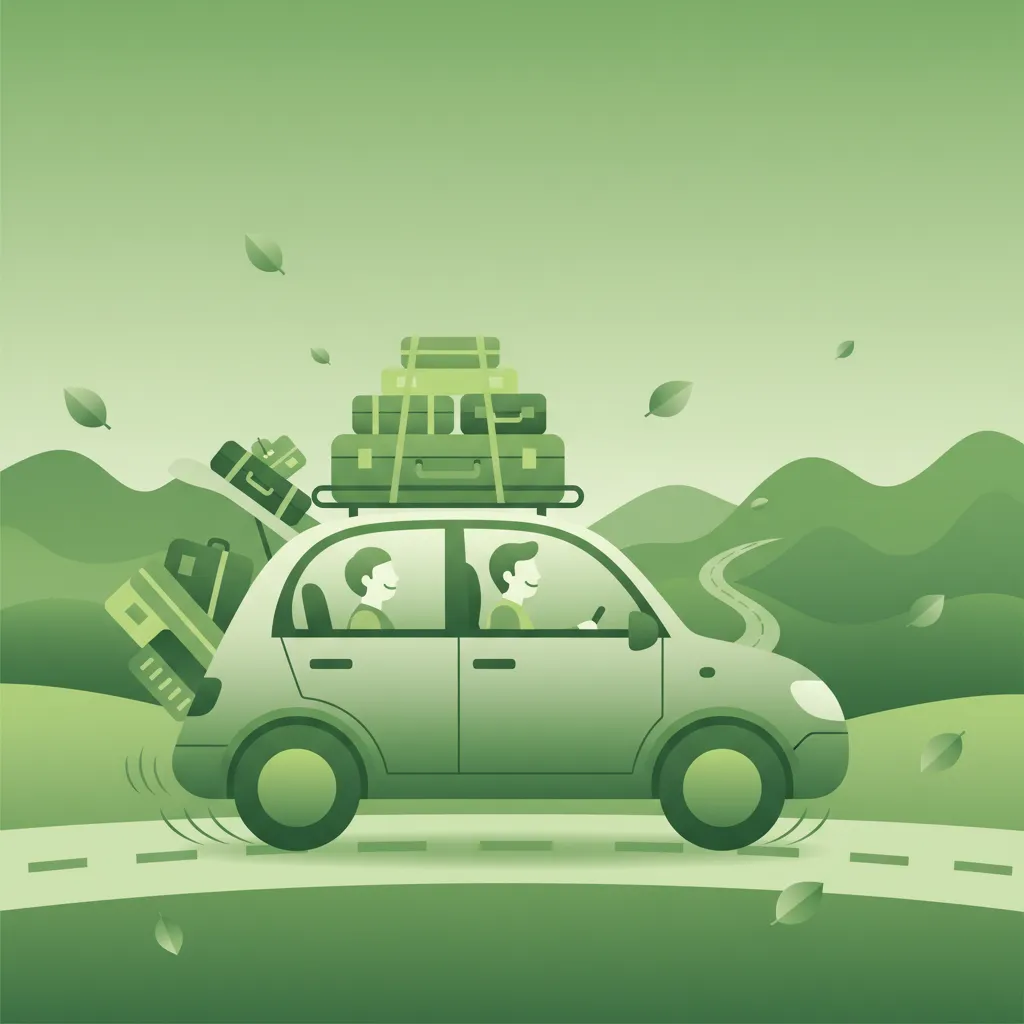
Understand the rules and safety implications of carrying a passenger or luggage. Learn about legal requirements, load limits, and the effect on vehicle handling.
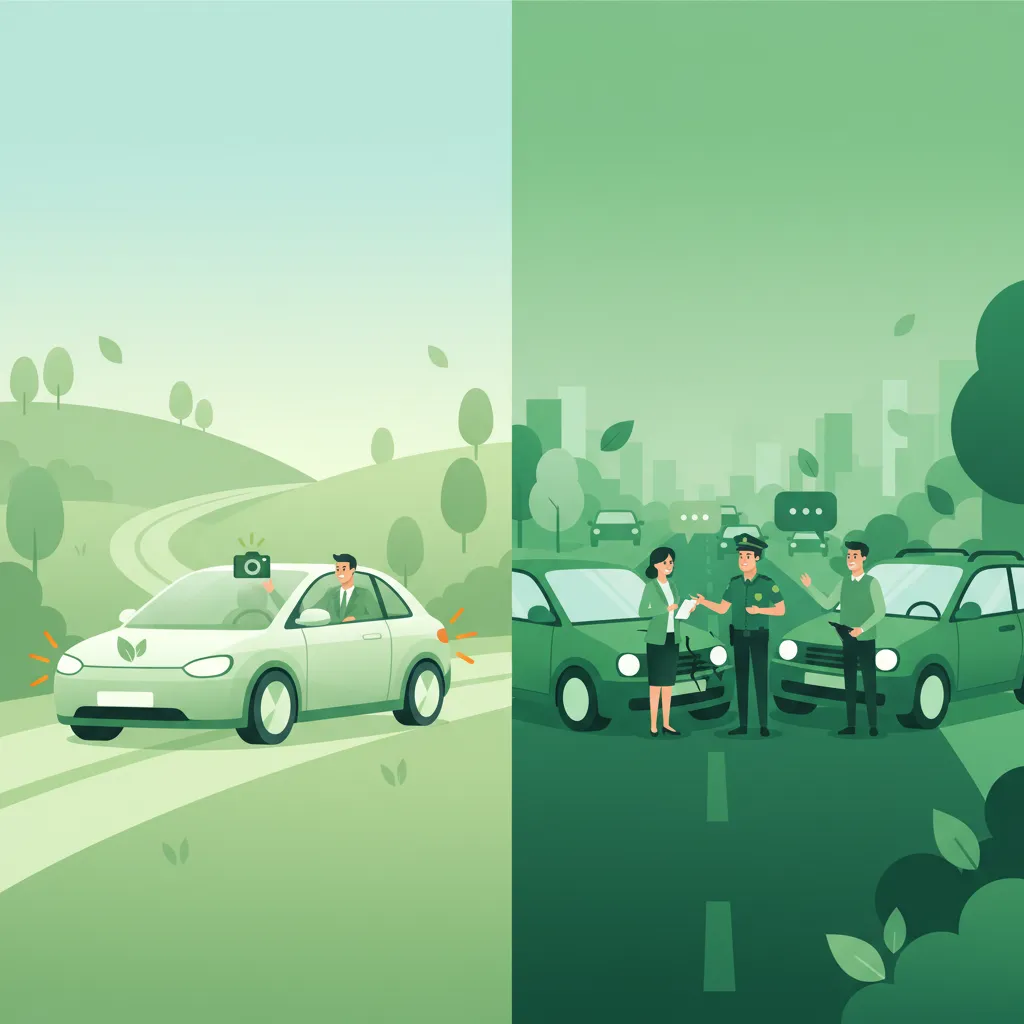
Learn the correct step-by-step procedure for documenting and reporting a traffic accident. Proper documentation is crucial for insurance claims and legal purposes.
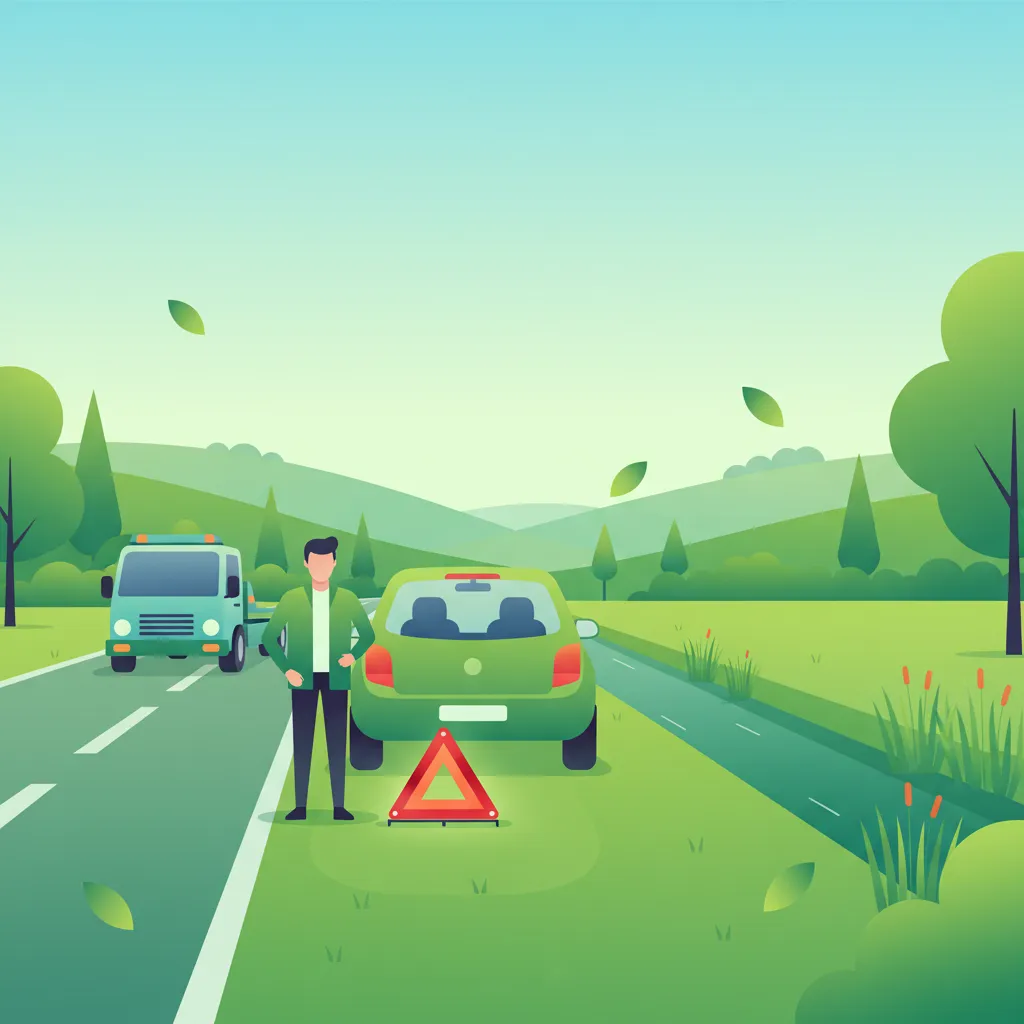
Know what to do if your vehicle breaks down. This lesson covers the essential safety procedures for a roadside stop to protect yourself and other road users.

Understand the basics of liability and the insurance claim process after an accident. Learn about mandatory third-party insurance and how fault is determined.
Learn the correct way to interact with police or other enforcement officers during a traffic stop. Know your rights and obligations and which documents you must carry.
Understand the ongoing legal responsibilities of vehicle ownership. This lesson covers license and insurance renewals and the importance of keeping records up to date.
Recognize the dangers of riding while fatigued or stressed. Understand how these states impair your judgment and learn strategies to manage them.
Learn about the severe risks of distracted riding, particularly from mobile phones. Understand the Dutch laws and the cognitive impact of dividing your attention.
Evaluate your own perception of risk and improve your ability to anticipate hazards. Developing realistic self-awareness is key to making safer choices.
Adopt a defensive riding mindset to proactively protect yourself. Learn key strategies for visibility, space management, and communication.
Understand your role as a responsible member of the traffic community. Learn how courteous and ethical riding contributes to safety and a positive image for all riders.